
Review · POON HILL & GHOREPANI TREKS
Annapurna Ghorepani Poon Hill trek from Pokhara short and easy hike in Himalaya
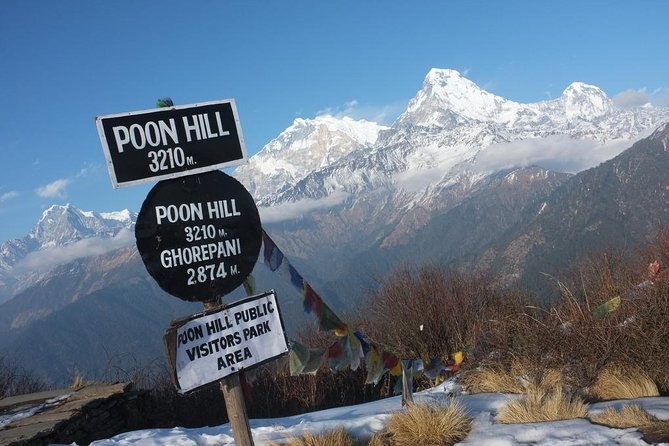
Poon Hill rewards early mornings and easy effort. This short-style Annapurna Ghorepani Poon Hill hike is a smart way to get Himalayan views without spending weeks on the trail, and it pairs the trek with time in Kathmandu and Pokhara. I especially like the short and easy hike format and the big payoff of Poon Hill sunrise timing.
The main catch is that the trek is short, but the overall schedule still includes a lot of moving days—drives plus Kathmandu valley sightseeing—so it can feel like more than 2 days if you’re counting hours. Also, full meals are included only during the trek, so you’ll still plan for extra costs in Kathmandu and Pokhara.
In This Review
- Key highlights you should know before you go
- Entering the Annapurna world from Pokhara, not base camp
- Kathmandu valley sightseeing and trek prep (so you start the hike confident)
- The drive to Pokhara and the trailhead day that keeps things simple
- Tikhedhunga to Ulleri: getting your bearings quickly
- Ulleri to Ghorepani: where the trek starts feeling like the Himalaya
- Poon Hill early morning and the walk to Tadapani
- Tadapani to Ghandruk: trading ridges for village life
- Back to Pokhara, then Kathmandu for departure
- Guide and porter setup: the difference between a trek and a chore
- Meals, rooms, and the reality of trekking comfort
- Price and logistics: is $1,660 good value here?
- Weather, pace, and what to pack for an easy Himalaya trek
- Who this short Poon Hill trek is best for
- Should you book this Annapurna Ghorepani Poon Hill trek?
- FAQ
- Where does the trek start?
- Does this tour include hotel pickup and drop-off?
- What is the duration of the experience?
- What kind of accommodation do you get during the trek?
- Are meals included?
- Do you get a guide and porter?
- What happens if weather is poor?
Key highlights you should know before you go
- A dawn-focused plan built around hiking up to Poon Hill and then continuing to your next stop
- Guide + porter support with an English-speaking government-registered trekking guide and a porter ratio of 2 trekkers per porter
- Private room comfort during the trek, with a share toilet (a very practical setup)
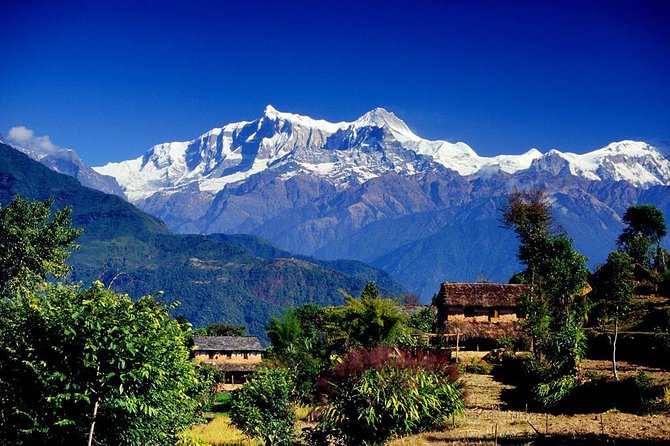
- Classic viewpoints in the Annapurna foothills via places like Ghorepani, Tadapani, and Ghandruk
- Small-group/private feel since it’s only your group, not mixed crowds
More trails out of Kathmandu, boots ready
- Everest Base Camp Trek – 14 Days★ 5.0 · 1,499 reviews
- Everest Base Camp Trek★ 5.0 · 842 reviews
- Everest Base Camp Trekking★ 5.0 · 485 reviews
- Nagarkot Sunrise View and Day Hiking from Kathmandu★ 5.0 · 471 reviews
Entering the Annapurna world from Pokhara, not base camp
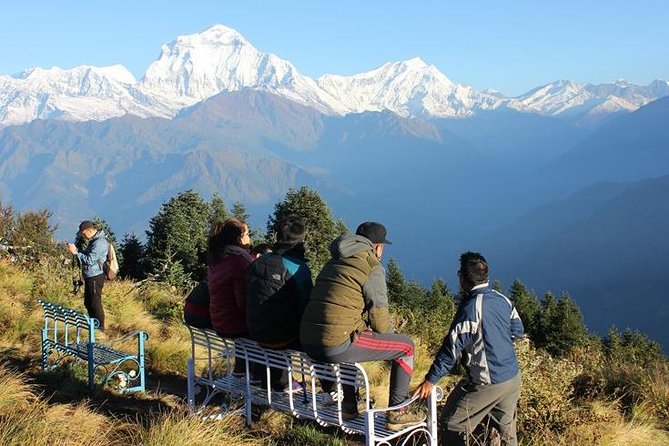
The Ghorepani–Poon Hill route is often the go-to “first Himalaya” trek for people who want real views without the extreme commitment. You’ll be in the Annapurna foothills, moving between villages and ridges that make the horizon feel close—especially around early morning when the air is crisp and clear.
What makes this package practical is the pacing. The hike is described as short and easy, and the itinerary spreads the trekking across a few days with rest and overnight stops at settled places along the way. That matters because it helps you enjoy the day—not just survive it.
You also get a built-in rhythm: Kathmandu for orientation, Pokhara for the jump-off, then the trail. That sequence takes stress off you, since someone else handles the logistics while you focus on walking and photos.
Kathmandu valley sightseeing and trek prep (so you start the hike confident)
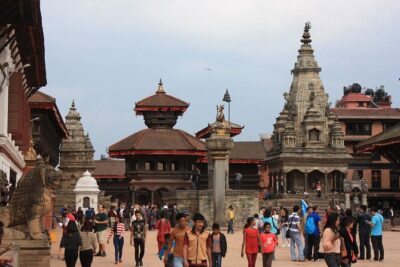
Before you ever hit the trail, you arrive in Kathmandu and then spend time doing Kathmandu valley sightseeing and trek preparation. This is the part that feels a little unglamorous—until you realize it’s what keeps the trek from turning into a last-minute scramble.
If you’re new to trekking in Nepal, this stage is useful. You get time to get your questions answered, double-check what you’ll need, and adjust your expectations. In a short trek, that prep time can make a big difference because you don’t have extra days to fix mistakes.
One small practical note: meals aren’t included for Kathmandu days. Your trek meals are covered, but lunches/dinners in Kathmandu and Pokhara are not. So plan to budget for that, or you’ll feel it later when you’re hungry and trying to figure out where to eat.
The drive to Pokhara and the trailhead day that keeps things simple
Getting from Kathmandu to Pokhara by drive is one of the biggest time-savers in this plan. You’re not flying or doing complicated transfers; you’re moving by road with the tour’s setup.
Then comes the trailhead transition: drive from Pokhara toward Nayapul, followed by trekking from the Nayapul area up to Tikhedhunga and onward to Ulleri. This kind of day is valuable because it breaks the trek into a manageable start. Instead of jumping straight into long hiking, you ease into the rhythm.
There’s also an advantage to having the schedule organized around known trail segments. It’s less guessing, and you’re more likely to stay on time for the most important moment of the trip: the Poon Hill hike.
Tikhedhunga to Ulleri: getting your bearings quickly
Your first real trekking day runs from the Nayapul area through Tikhedhunga and on to Ulleri. The main goal here is to get comfortable with altitude and walking effort without exhausting yourself before the big view day.
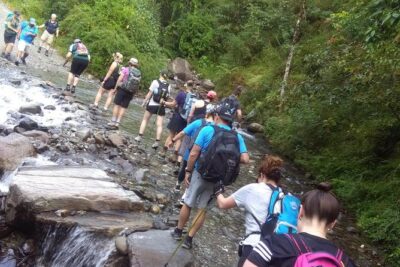
This is also where having the right support makes a noticeable difference. The tour includes an experienced English-speaking guide and local porters—set up so that for 2 trekkers you typically get 1 porter. That means your pack load is lighter, and you can walk more like you’re sightseeing than working a job.
I also like that the pace is built around overnight accommodation on the route. You’re not rushing through and hoping you’ll be tired enough to sleep. Instead, you plan for a tea-house style night and wake up with a clean mental slate.




Ulleri to Ghorepani: where the trek starts feeling like the Himalaya
The next day moves you from Ulleri to Ghorepani. Ghorepani is a key stop on this route, because it places you in the right position for the early climb to Poon Hill the following morning.
This is also when the trek’s payoff starts to show up in your day-to-day experience. As you get closer to view points, every hour feels more connected to the mountains. Even if clouds roll in, you’re still walking through a real network of villages and routes used by trekkers for years.
If you care about choosing good places to sleep, this is where your guide can matter. In the feedback for this trek, the guide (Dipak) was praised for knowing the best tea houses to stay in, especially for maximizing views. That’s not a small thing—on a short trek, one good night’s location can improve your whole trip.
Poon Hill early morning and the walk to Tadapani
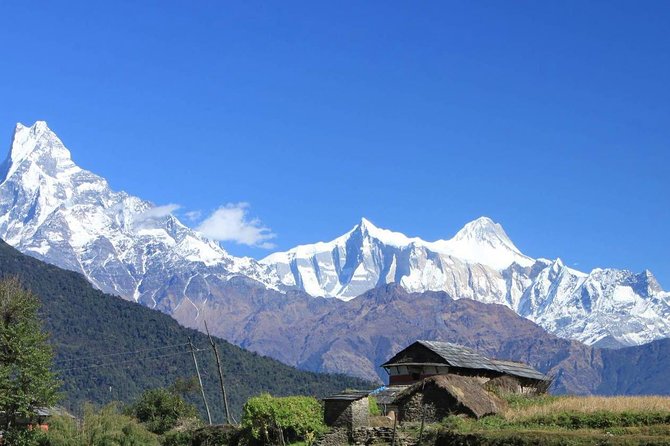
Then comes the day you planned for: hike to Poon Hill and take in sunrise views, followed by trekking onward to Tadapani.
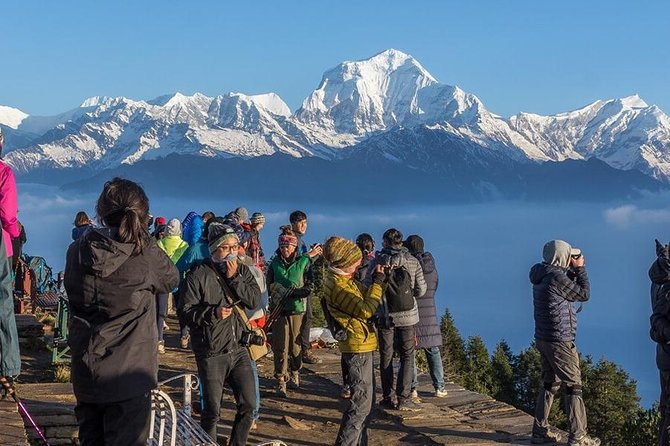
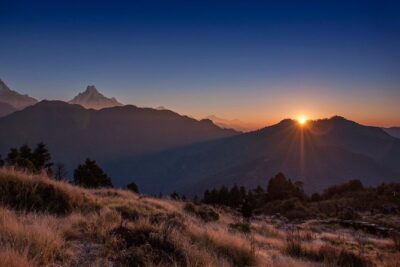
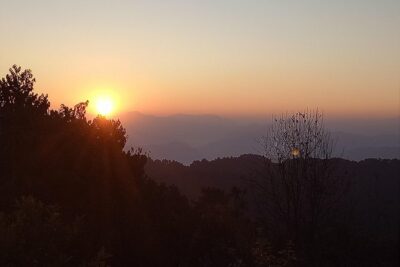
Early morning is the heart of this itinerary. You’re getting out while the world is quiet, and then you’re rewarded with those classic panoramic views this trek is famous for. Even if the sky isn’t perfectly clear, dawn still tends to create atmosphere and depth—good for photos and for that moment of realizing you’re actually in the Himalaya.
After Poon Hill, you continue trekking to Tadapani. This part shifts the mood from peak-excitement to steady travel. I like that the day doesn’t just end with the sunrise—it gives you a second half with purpose, so you don’t feel like the trek peaked and then dragged.
Tadapani also helps you break up the final approach to Ghandruk. It’s a more balanced day because you’re not only chasing views—you’re working your way toward the next village experience.
Tadapani to Ghandruk: trading ridges for village life
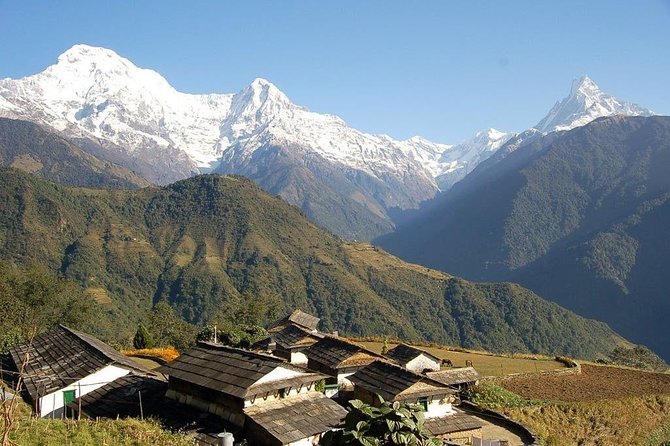
On the following segment, you trek from Tadapani to Ghandruk. Ghandruk is a place where the route starts to feel less like a view corridor and more like a real village stop.
That shift is exactly what makes this trek satisfying. You get mountain drama during the day, then you get a more grounded look at local life when you slow down for tea, rest, and the evening routine at your stop.
If you’ve ever felt like trekking routes can turn into a long string of checkboxes, this segment is helpful because it adds a sense of place. You’re still walking, but the experience feels more human-scale.
Then you finish the trek cycle with a drive back to Pokhara. Having transport arranged matters here, because the end of a trek is when you want comfort, not more planning.
Back to Pokhara, then Kathmandu for departure
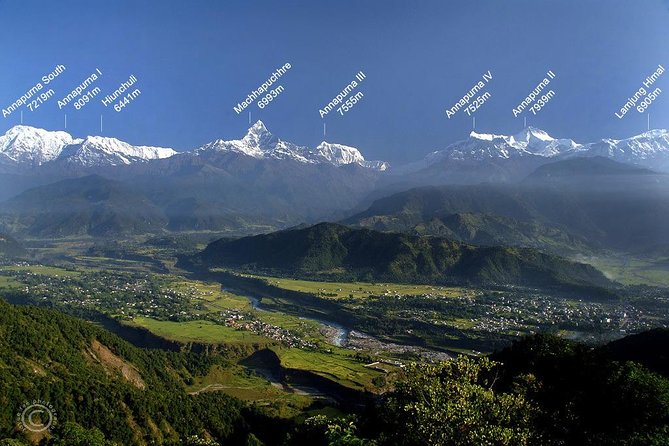
After Ghandruk, you drive to Pokhara, then later head back to Kathmandu. The schedule gives you a clear path to recovery and travel—so you’re not forced to coordinate transportation on little sleep and sore legs.
This is where private tour organization helps. Since it’s only your group, you’re not waiting around for strangers or dealing with mixed pace. You’re more likely to keep a smooth rhythm right through the end of the trek.
Finally, you depart from Kathmandu. If you’re flying soon after, I’d still treat the last travel day as part of the effort. Even short treks can leave you tired, and road time adds up.
Guide and porter setup: the difference between a trek and a chore
This trek includes an experienced English-speaking government-registered trekking guide and local porters. The porter arrangement is listed clearly: 2 trekkers to 1 porter. In real life, that ratio usually means you carry less and move more comfortably—especially with cold mornings, camera gear, and layered clothing.
The most praised aspect in the feedback is the way the guide and porter looked after people. Dipak was singled out for being not just helpful, but also fun—people described him as knowledgeable and hilarious, and praised how he made sure needs were taken care of.
Porter support also came up again and again, with one reviewer calling their porter the real MVP. That tracks with what I’d expect on a short trek: lightening your load helps you enjoy the views more, and it also reduces the risk of minor issues that can ruin photos and sleep.
One more useful detail: the guide was praised for letting the group adjust the plan during the trip. In a region where conditions can change fast, having flexibility is a quiet advantage.
Meals, rooms, and the reality of trekking comfort
Your trek includes full meals: breakfast, lunch, and dinner during the hiking portion. That removes one of the biggest unknowns for first-time trekkers—what you’ll eat and whether it will be available when you’re hungry.
Accommodation during the trek is described as soft/comfort, private room with a share toilet. That’s a good middle ground. You get privacy in the room, which helps your recovery and sleep, while the share toilet keeps the cost and logistics realistic.
Boiled water is listed as not included. That’s worth planning for. If you’re sensitive to water quality, build that cost into your budget so you’re not improvising mid-trek.
Also remember: meals in Kathmandu and Pokhara aren’t included, so you’ll still pay for food during those city days. It’s not a deal-breaker, but it affects the true all-in cost.
Price and logistics: is $1,660 good value here?
At $1,660 per person, this trek isn’t a budget bargain. But for a short Annapurna experience, the value depends on what you want to buy: convenience, support, and reduced friction.
What you get for the price includes:
- Guide and porter labor (including the porter ratio)
- All meals during the trek
- Trek accommodation with private rooms
- Government and local taxes
- Hotel pickup and drop-off
When porters and meals are included, your daily costs usually stay predictable. You also don’t have to spend time bargaining for transportation or trying to assemble a workable walking schedule on your own. For many people, that’s worth a lot—especially with limited time.
The main value test is whether you’ll use the included support. If you’d feel comfortable doing a less guided trek, you might find cheaper options. If you want a smooth, low-stress route with someone else handling the moves, the price starts to make sense.
Weather, pace, and what to pack for an easy Himalaya trek
The tour notes that it operates in all weather conditions and asks you to dress appropriately. At the same time, it also says the experience requires good weather, and if it’s canceled due to poor weather you’ll be offered a different date or a full refund.
So treat weather as a variable, not a guarantee. In practice, that means you’ll want clothing that works for cool mornings and changing skies. A short trek doesn’t always equal a warm trek.
Because the key viewing moment is early and the route includes mountain travel, I’d prioritize layers, rain protection, and a reliable warm item. Keep your schedule flexible mentally—on this kind of trek, clouds can happen even when everything else is going well.
Who this short Poon Hill trek is best for
This is a good fit if you want:
- Real Himalayan views without weeks of hiking
- A supported trek (guide + porter)
- A route that includes village stops like Ghandruk
- A plan that’s easier to follow if you’re not trekking independently
It also works well for people who want a first-time Nepal experience that starts with Kathmandu orientation and then moves to Pokhara before the trail.
If you’re the type who hates planning, you’ll likely appreciate that transport and key segments are handled. If you love total independence and don’t want guidance costs, you might feel limited by a fixed structure.
Should you book this Annapurna Ghorepani Poon Hill trek?
Book it if your priority is an organized, short, supportive route to Poon Hill sunrise views and classic Annapurna foothill scenery—without the hassle of assembling logistics yourself. I’d especially recommend it if you want the comfort of porter help and you like the idea of private rooms between walking days.
Skip it or reconsider if you’re traveling with a very tight schedule and you only want the trek days, not the added travel and Kathmandu/Pokhara time. Also, if you dislike paying for packaged services, the $1,660 price tag may feel steep compared to independent treks.
If your goal is simple: see the mountains, walk at a comfortable pace, and let your guide handle the details, this setup checks a lot of boxes.
FAQ
Where does the trek start?
The start point is Tribhuvan Airport in Kathmandu, Nepal, with a start time of 6:15 am.
Does this tour include hotel pickup and drop-off?
Yes. Hotel pickup and drop-off are included.
What is the duration of the experience?
The experience duration is listed as approximately 2 days.
What kind of accommodation do you get during the trek?
You get mountain accommodation described as soft and comfort, with a private room and a share toilet.
Are meals included?
Full meals during the trek are included (breakfast, lunch, and dinner). Lunch/dinner in Kathmandu and Pokhara are not included.
Do you get a guide and porter?
Yes. The tour includes an experienced English-speaking government-registered trekking guide and local porters to carry luggage, with a ratio of 2 trekkers to 1 porter.
What happens if weather is poor?
The experience operates in all weather conditions, but it also requires good weather. If it’s canceled due to poor weather, you’ll be offered a different date or a full refund.
More Trekking Out of Kathmandu






More Tour Reviews in Kathmandu




Just Reviewed in Kathmandu
- Mountain Bike Tour
★ 5.0 · 3 reviews - Annapurna Panaroma
★ 5.0 · 3 reviews - Mount Everest Scenic Flight 50 Minutes
★ 5.0 · 3 reviews - Kathmandu : Swambhunath & Durbar Square Guided Half Day Tour
★ 3.3 · 3 reviews - Chandragiri Cable Car & Monkey Temple Tour – Private/Group
★ 5.0 · 3 reviews - Kathmandu: Shivapuri National Park Hiking Day Trip
★ 3.3 · 3 reviews
Poon Hill & Ghorepani Treks, compared.
 ★ 5.04 Days Poon Hill TrekFrom $40594 reviews
 ★ 5.0Ghorepani(Poonhill Trek)From $60081 reviews
 ★ 5.04-day Poon Hill TrekFrom $40074 reviews
 ★ 5.0Ghorepani Poon Hill TrekFrom $39961 reviews
★ 5.0Ghorepani Poon Hill TrekFrom $70046 reviews
 ★ 5.0Poon Hill TrekFrom $1,17242 reviews
 ★ 5.0Poonhill TrekFrom $60033 reviews
 ★ 5.0Poon Hill Trek packageFrom $40527 reviews
Browse the lists this tour appears in