
Review · POON HILL & GHOREPANI TREKS
Annapurna – Poon Hill Trek
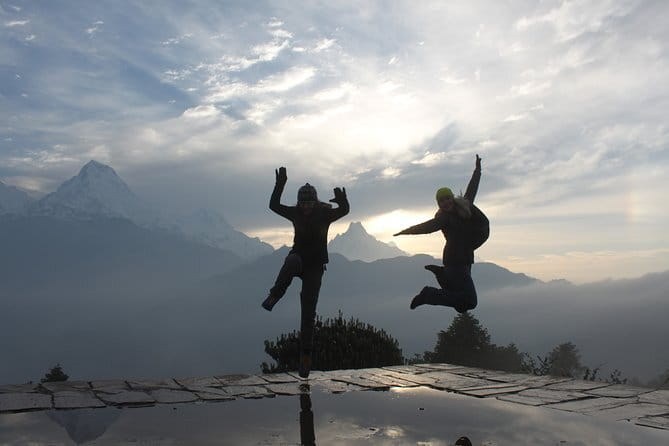
A 6 a.m. start can be worth it. The Annapurna Poon Hill trek is a short, practical way to chase big mountain views, especially the sunrise framed by the Annapurna range and the far-off peaks like Dhaulagiri. I like that the trip mixes clear logistics with an itinerary that steadily moves you upward without feeling like a grind.
What I like most is the way this package handles the hard-to-plan parts for you: airport transfers and ground transport (Kathmandu to Pokhara and back), plus meals and tea/coffee during the trek. Another strong point is the support setup, including an English-speaking guide and a porter plan (1 porter between 2 people on a basic setup).
The main drawback to consider is the weather-dependent sunrise at Poon Hill. This kind of trek runs on good visibility, and if conditions are poor, you should expect a change of date or a refund option.
In This Review
- Key Highlights You’ll Care About
- Poon Hill Sunrise: The Big-Mountain Payoff Without a Long Trek
- Price and What You Actually Get for $938
- Kathmandu to Pokhara: Getting to the Trailhead the Easy Way
- Day-by-Day Walkthrough: From Ulleri to Ghandruk
- Day 3: Nayapul to Ulleri (around 2,010 m)
- Day 4: Ulleri to Ghorepani (around 2,874 m)
- Day 5: Poon Hill early sunrise, then Ghorepani to Tadapani (around 2,630 m)
- Day 6: Tadapani to Ghandruk (around 1,940 m)
- Day 7: Ghandruk to Nayapul, then Pokhara (and back to 820 m)
- Day 8: Pokhara to Kathmandu (around 1,336 m)
- Day 9: Departure
- Tea Houses, Food, and the Comfort Level You Should Expect
- Transfers, Permits, and the Support System That Keeps It Smooth
- Timing and Weather: The One Thing You Can’t Control
- Who This Trek Suits Best
- Should You Book This Annapurna Poon Hill Trek?
- FAQ
- What time does the trek start, and where do we meet?
- How long is the Annapurna Poon Hill trek?
- What’s included in the trek price?
- Are airport transfers and ground transportation included?
- Do you get accommodation in Kathmandu and Pokhara too?
- Is hot water or a hot shower guaranteed?
- What if weather is bad for Poon Hill sunrise?
Key Highlights You’ll Care About
- Sunrise planning at 6:00 a.m. meeting time: you’re set up early to reach Poon Hill at the right hour.
- Permits covered for the Annapurna Conservation Area: TIMS card and entry permit are included.
- Full trekking meals covered: breakfast, lunch, and dinner during the trek, plus three cups of tea or coffee daily.
- Tea-house stays built into the price: comfortable-enough lodging each night while you hike.
- Support that scales with group size: guide plus a porter plan (1 porter between 2 people basic).
- Known guide experience, including Bimal: attention to details and calm pacing show up in past trips.
More trails out of Kathmandu, boots ready
- Everest Base Camp Trek – 14 Days★ 5.0 · 1,499 reviews
- Everest Base Camp Trek★ 5.0 · 842 reviews
- Everest Base Camp Trekking★ 5.0 · 485 reviews
- Nagarkot Sunrise View and Day Hiking from Kathmandu★ 5.0 · 471 reviews
Poon Hill Sunrise: The Big-Mountain Payoff Without a Long Trek
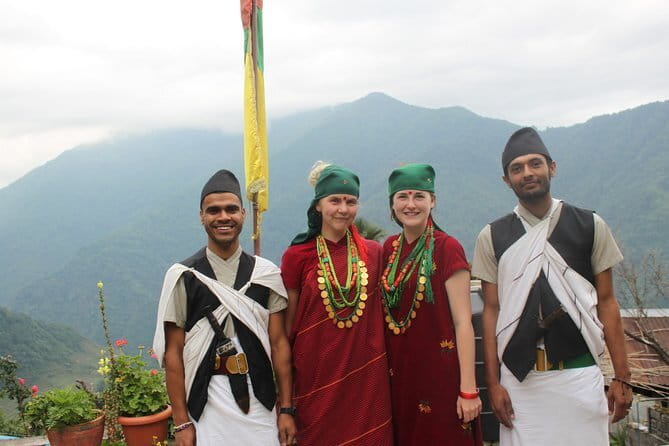
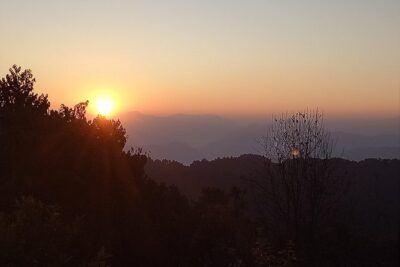
This is one of Nepal’s best “short-but-memorable” treks. The goal is simple: get to Poon Hill early enough for sunrise, then soak in the layered views—Annapurna peaks up close, and distant giants on clear mornings. Even though you don’t spend weeks at high altitude, you still get that sense of being in the middle of a Himalayan story.
I also like how the route gives you altitude in a controlled way. You start low, then climb step-by-step through villages and ridgelines, so you’re not jumping from city-level air to thin mountain air in one go. The payoff is a trek that feels achievable, yet still delivers those “how is this real?” mountain moments at Poon Hill.
Price and What You Actually Get for $938
At $938 per person, this is not a bargain trek, but it’s also not trying to be luxury. For the price, you’re buying reliability: transfers, permits, guide time, porter support, and the day-to-day food problem solved.
Here’s what you should expect your money to cover:
- Two nights in Kathmandu + two nights in Pokhara with breakfast
- Ground transportation: Kathmandu–Pokhara by tourist bus, plus Pokhara–Nayapul and back by private transport
- Trekking logistics: TIMS card, Annapurna Conservation Area entry permit, and a medical kit
- During-trek meals: breakfasts, lunches, and dinners, plus three cups of tea or coffee per day
- Accommodation while trekking: tea-house style lodging
- Crew basics: salary/insurance/medicine coverage for staff, plus a company duffel bag and t-shirt
What’s not included matters too. You’ll pay for Nepal entry visa fee, travel medical insurance (and possible emergency evacuation), and your personal costs like water, battery charging, and hot shower fees if they’re extra. Tips for guide and porter are also expected.
My take: if you want a smooth first trek in Nepal—without negotiating buses, tracking permits, or worrying about where your next meal comes from—this price makes sense. If you’re the type who already loves doing logistics yourself, you might find cheaper versions. But that usually means more moving parts on your end.
Kathmandu to Pokhara: Getting to the Trailhead the Easy Way
The trip starts with arrival and preparation in Kathmandu. You’ll transfer to a hotel, get ready for trekking, and sleep in the city for one night before moving on. Then you head to Pokhara by tourist bus and spend the night there as well, at about 820 meters.
Why this helps: Po-khara is the practical jumping-off point for the trek, and an extra night lets you settle, buy or confirm gear, and rest before the first hiking day. That matters on a trek where early starts and long walks are part of the deal.
On the next move, you transfer from Pokhara to Nayapul by private transport (about 1.5 hours). From Nayapul, the trek begins with walking into the Ulleri area. Starting with a first-day climb helps set your rhythm quickly, but it’s still gradual enough for most people who are comfortable hiking.
Day-by-Day Walkthrough: From Ulleri to Ghandruk
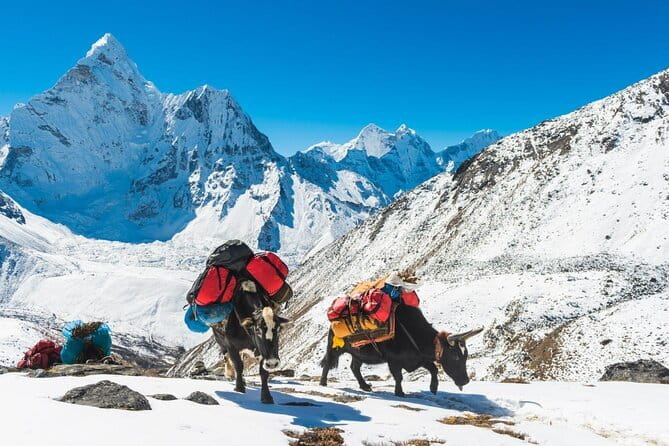
Below is how the route “feels” as it climbs and changes scenery. Even without fancy stops, the progression is the point.
Day 3: Nayapul to Ulleri (around 2,010 m)
You transfer to Nayapul and start trekking toward Ulleri. Expect a climb that wakes up your legs right away, in village-and-path terrain. This day is about transition—going from transport mode to mountain-walk mode.
What to watch for: pace. Ulleri is at height enough that you’ll notice effort, but not so high that you should feel wrecked.
Day 4: Ulleri to Ghorepani (around 2,874 m)
This is your move deeper into the trek’s core area. Ghorepani is where the route really becomes famous for views and sunrise access. You’re gaining elevation steadily, so your breathing and energy will change from earlier days.
Why this stop matters: Ghorepani is the staging point. Staying here sets you up to start early for Poon Hill and then move onward the next morning.
Day 5: Poon Hill early sunrise, then Ghorepani to Tadapani (around 2,630 m)
This is the headline day.
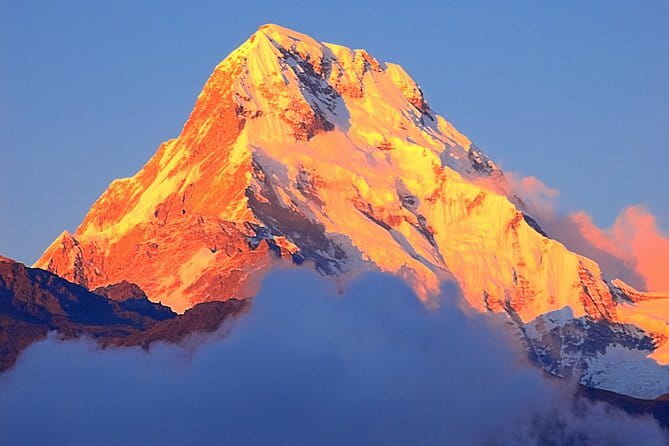
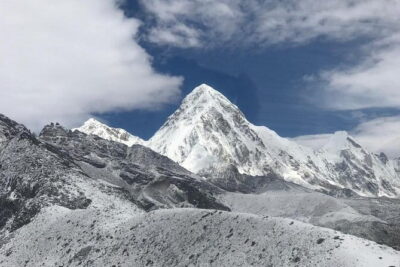
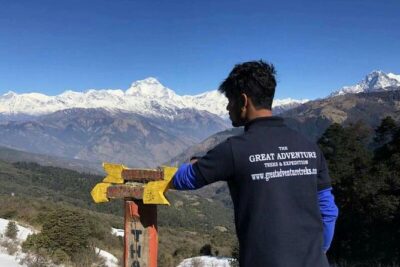
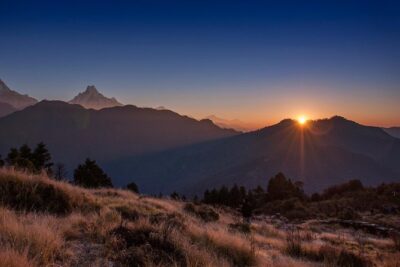
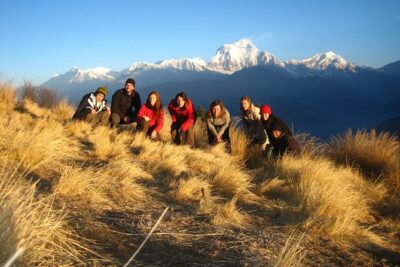
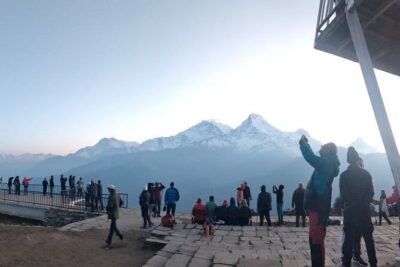
You hike uphill early to reach Poon Hill for sunrise, aiming for the Annapurna Himalayan range views in the background. The view can include Dhaulagiri (8,167 m) as a distant standout, along with Annapurna peaks and Macchapuchhre (6,993 m) adding character to the skyline.
After enjoying the sunrise moment, the day turns into descent and then continued walking toward Tadapani. You also get breakfast after the view. The pattern is classic for Poon Hill trekking: early climb, big payoff, then settle back into a normal hiking day.
Possible drawback to consider: sunrise means you’ll likely walk in colder morning air and limited visibility. Bring layers and plan for the fact that clouds can change what you see.
Day 6: Tadapani to Ghandruk (around 1,940 m)
This day drops in elevation compared to your earlier high point. That can feel like a relief after the Poon Hill altitude. Ghandruk is a well-known trekking village area, and it’s often chosen because it offers a memorable sense of place—stone houses, village lanes, and views that still feel mountain-close.
Why it works: by the time you reach Ghandruk, you’ve had the major sunrise moment already. Now you get a smoother hiking rhythm and the chance to enjoy the village atmosphere.
Day 7: Ghandruk to Nayapul, then Pokhara (and back to 820 m)
You trek from Ghandruk down to Nayapul, and then you return to Pokhara by private transport. This is a “finish strong” day: downhill walking plus transfer time.
When you get back to Pokhara, you’ll feel the shift from trekking to recovery. It’s a smart plan, especially if you plan to explore a bit before heading back to Kathmandu.
Day 8: Pokhara to Kathmandu (around 1,336 m)
The schedule brings you to Kathmandu again by tourist bus. You’ll sleep in Kathmandu and have a buffer day before your departure.
Day 9: Departure
Departure time depends on your flight schedule. If you have extra days, it’s practical to use Kathmandu for sightseeing and shopping—just keep in mind you’ll still be recovering from walking days.
Tea Houses, Food, and the Comfort Level You Should Expect
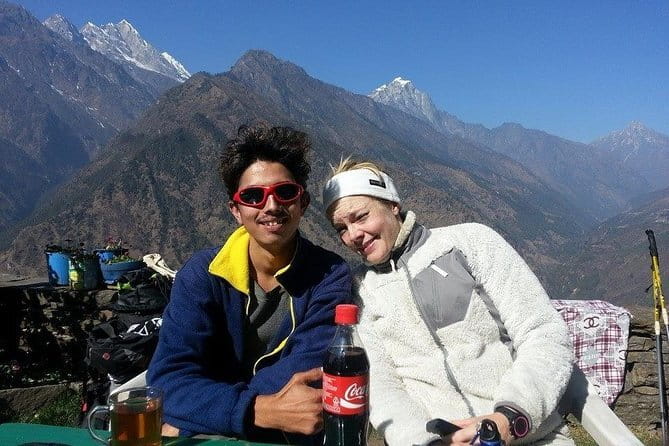
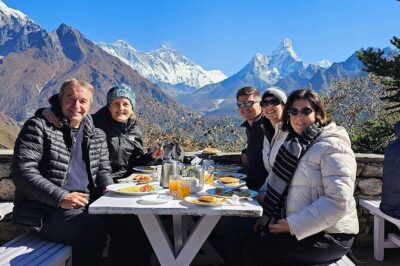
This trek uses tea-house accommodation during the walking days. Tea houses are simple lodges along the trail: warm enough, clean enough, and designed for hikers. The bigger deal than luxury is predictability. You know where you’ll sleep and what meals you’ll get.
You also get standard meals while trekking:
- Breakfast, lunch, dinner covered during the trek
- Three cups of tea or coffee per day included
- A typical routine where you stop for meals at village lodges rather than hunting for restaurants
One practical comfort point from past experiences: hot showers are available at most places, though not at every location. So if hot water is a must for you, set expectations. You can still manage with wash options and good layers.
What about altitude comfort? On this trek, you’ll still feel fatigue and cold at higher points, especially mornings. But because the elevation profile is moderate for a Himalayan trek, it tends to be manageable for many people with decent walking fitness.
Transfers, Permits, and the Support System That Keeps It Smooth
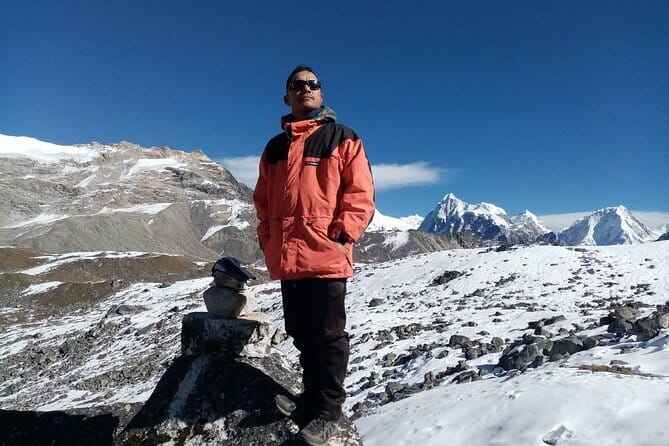
This trip includes the administrative stuff that usually eats time and patience.
You get:
- TIMS card (Trekkers Information Management System)
- Annapurna conservation area trekking entry permit
- A medical kit
- An English-speaking guide
- Porter service on a shared setup (1 porter between 2 people basic)
Here’s why I think that matters for your enjoyment: when you’re hiking, your brain already has enough to process—steps, breath, weather, timing. If permits and planning are handled, you can focus on the walk and the views.
Also, you’re not guessing at the start. The meeting point is Happyland Treks, Paknajol Marg in Kathmandu, and the start time is 6:00 a.m. That matters on Poon Hill day, where being late can mean missing the best light.
If you care about consistent communication, the guide piece is key. Past trip experiences highlighted guides like Bimal, specifically noted for attention to details and helping the trip feel well-paced and organized.
Timing and Weather: The One Thing You Can’t Control
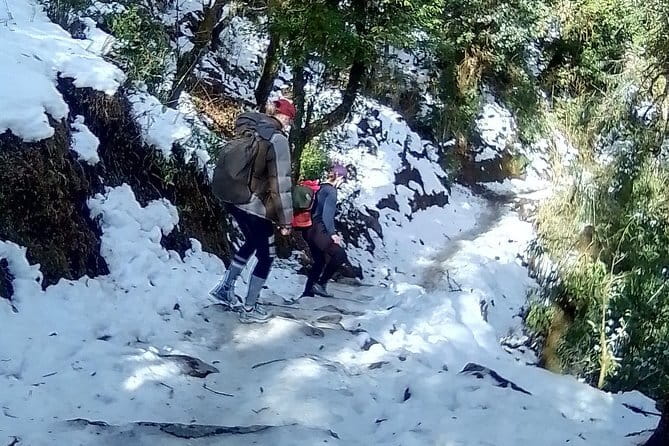
Poon Hill is a sunrise target. Sunrise treks are always a weather gamble. If skies are clear, you get that layered mountain drama. If clouds roll in, you might see less than you hoped.
The good news is the operator’s policy if weather prevents the experience: you’ll be offered another date or a full refund. That reduces the stress of committing to a specific sunrise day.
What you can control:
- Start early without cutting it close
- Pack layers for morning cold
- Keep expectations flexible for visibility
And one more practical note: because this is a short trek, your fitness needs are “real,” but not extreme. You don’t need to be an athlete, but you should be ready for hours of walking, including early uphill stretches.
Who This Trek Suits Best
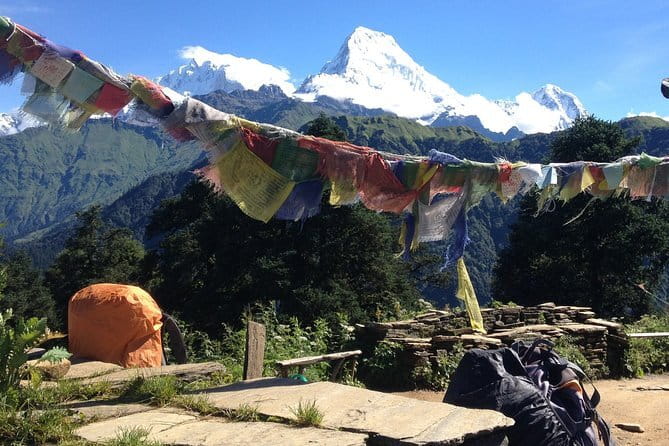
This Annapurna Poon Hill trek is ideal if:
- You want big Himalayan views in a short time
- You’re new to Nepal trekking and want logistics handled
- You prefer tea-house comfort over camping
- You like a guided route with permit support and organized meals
It’s also a great fit for groups that want to stay efficient: the tour is private, so it’s only your group on the activity, not a chaotic mix of strangers.
If you’re very experienced and want total freedom, you might prefer a self-guided trek. But if your main goal is sunrise views with minimal friction, this setup hits a sweet spot.
Should You Book This Annapurna Poon Hill Trek?
If you want the straightforward path to Poon Hill sunrise, I’d lean yes—especially because so many key parts are included: permits, guide, tea-house stays, and trekking meals. The $938 price can feel high if you compare it to DIY trekking, but once you price in organization, transfers, and day-to-day meals, you’re buying peace of mind.
I’d only pause if sunrise visibility is your one non-negotiable goal and you’re traveling at a time when weather is unpredictable for you. With a plan to shift dates when conditions are poor, that risk is smaller than it sounds.
In short: book this if you want a well-run, achievable trek where the main reward is right on schedule at Poon Hill.
FAQ
What time does the trek start, and where do we meet?
The meeting point start time is 6:00 a.m. at Happyland Treks, Paknajol Marg, Kathmandu 44600, Nepal.
How long is the Annapurna Poon Hill trek?
The duration is listed as 9 days (approx.).
What’s included in the trek price?
Included items cover airport pickup and drop, TIMS card, Annapurna conservation area entry permit, standard trekking meals (breakfast/lunch/dinner), three cups of tea or coffee daily, tea house accommodation, an English-speaking guide, and porter service (1 porter between 2 people basic), among other staff-related costs.
Are airport transfers and ground transportation included?
Yes. You get airport pickup and drop, Kathmandu–Pokhara by tourist bus, and Pokhara–Nayapul (and back) by private transport.
Do you get accommodation in Kathmandu and Pokhara too?
Yes. The package includes two night accommodation in Kathmandu with breakfast and two night accommodation in Pokhara with breakfast.
Is hot water or a hot shower guaranteed?
Not guaranteed at every lodge. Hot showers are available at most tea-house locations, but not all.
What if weather is bad for Poon Hill sunrise?
This experience requires good weather. If it’s canceled due to poor weather, you’ll be offered a different date or a full refund.
More Trekking Out of Kathmandu

More Tour Reviews in Kathmandu
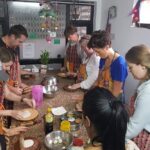
Just Reviewed in Kathmandu
- Mountain Bike Tour
★ 5.0 · 3 reviews - Annapurna Panaroma
★ 5.0 · 3 reviews - Mount Everest Scenic Flight 50 Minutes
★ 5.0 · 3 reviews - Kathmandu : Swambhunath & Durbar Square Guided Half Day Tour
★ 3.3 · 3 reviews - Chandragiri Cable Car & Monkey Temple Tour – Private/Group
★ 5.0 · 3 reviews - Kathmandu: Shivapuri National Park Hiking Day Trip
★ 3.3 · 3 reviews
Poon Hill & Ghorepani Treks, compared.
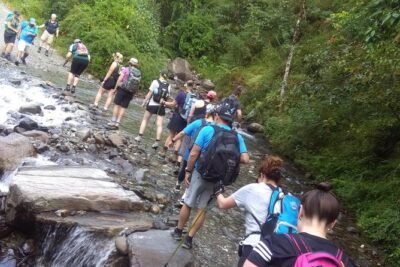
 ★ 5.04 Days Poon Hill TrekFrom $40594 reviews
 ★ 5.0Ghorepani(Poonhill Trek)From $60081 reviews
 ★ 5.04-day Poon Hill TrekFrom $40074 reviews
 ★ 5.0Ghorepani Poon Hill TrekFrom $39961 reviews
★ 5.0Ghorepani Poon Hill TrekFrom $70046 reviews
★ 5.0Ghorepani Poon Hill TrekFrom $39961 reviews
★ 5.0Ghorepani Poon Hill TrekFrom $70046 reviews
 ★ 5.0Poon Hill TrekFrom $1,17242 reviews
 ★ 5.0Poonhill TrekFrom $60033 reviews
 ★ 5.0Poon Hill Trek packageFrom $40527 reviews
Browse the lists this tour appears in