
Review · EVEREST BASE CAMP TREKS
Everest Base Camp Trek with Helicopter Flight Back
The first time you see the route above Lukla, you get it. This Everest Base Camp experience blends the classic Khumbu trek with a helicopter flight back that cuts your return time to Kathmandu. You’ll still hike high, still earn the views, and still move through Sherpa country at a steady, guided pace.
I like the way this trip is set up for less hassle on the logistics side—domestic flights, pickup, and a proper briefing on Day 1 mean you’re not scrambling after you land. The included trekking gear (like a sleeping bag, down jacket, and trekking poles) also takes the stress out of cold-weather packing.
One thing to double-check: the itinerary expects a helicopter return, but the listed inclusions say helicopter flight from Gorak Shep to Kathmandu isn’t included. Also, like any Everest trek, conditions can force changes, so build patience into your plan.
In This Review
- Key things that make this Everest trek worth your attention
- Kathmandu kickoff: pickup, briefing, and what Day 1 really sets up
- The Lukla flight: fast entry to Everest country, but weather calls the shots
- Phakding to Namche Bazaar: suspension bridges, Sherpa villages, and pacing
- Everest View Hotel day: culture + high-impact views without climbing to exhaustion
- Tyangboche: church bells, big mountain silhouettes, and a lunch stop that matters
- Dingboche and the acclimatization advantage: why preparation day is gold
- To Lobuche and onward: passes, memorials, and the feeling of being close
- Everest Base Camp and Gorak Shep: the day you’ll remember
- Kala Patthar at sunrise + helicopter return: saving your legs while still hitting the icon
- Price and logistics reality check: $446.50 and what that buys
- Who this trek is best for (and who should think twice)
- Guide and team support: why “who carries you” matters
- Practical tips so you feel good at 5,000+ meters
- Should you book Bold Himalaya’s Everest Base Camp with helicopter return?
- FAQ
- How long is the Everest Base Camp trek with helicopter flight back?
- Where does the trip start in Nepal?
- What domestic flight is included?
- Is the helicopter flight back included?
- What gear is included for trekking?
- What entrance fees are included?
- What’s included for meals?
- What level of fitness is expected?
Key things that make this Everest trek worth your attention
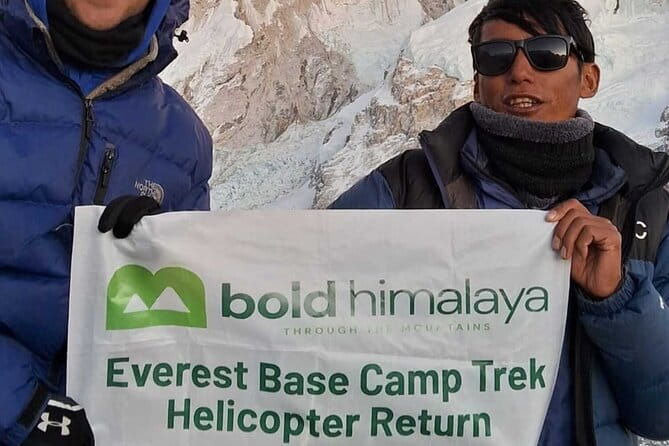
- Time-saving helicopter return after Kala Patthar, so you don’t trek the full way back
- Acclimatization built in with a preparation day around Dingboche and a climb toward Nagarjun Peak
- Well-known high-value stops: Namche, Everest View Hotel, Tyangboche, Lobuche, Gorak Shep, Everest Base Camp
- Included park and route fees (Sagarmatha National Park, TIMS, and local entrance fees)
- Altitude-friendly support with an experienced guide plus provided cold-weather gear
- Kathmandu comfort on arrival with a booked hotel night and a cultural show/dinner program
More trails out of Kathmandu, boots ready
- Everest Base Camp Trek – 14 Days★ 5.0 · 1,499 reviews
- Everest Base Camp Trek★ 5.0 · 842 reviews
- Everest Base Camp Trekking★ 5.0 · 485 reviews
- Nagarkot Sunrise View and Day Hiking from Kathmandu★ 5.0 · 471 reviews
Kathmandu kickoff: pickup, briefing, and what Day 1 really sets up
Your trip starts in Kathmandu, with a pickup and transfer to a hotel for a first night. You’ll also get a briefing in the evening, which matters more than most people think. On Everest routes, small details—timing, gear, paperwork, and pacing—can prevent big problems later.
That first-night base is Hotel Thrive (or similar), twin sharing with breakfast. It’s a helpful buffer day: you’ll be able to sort layers, check your duffle, and make sure you’re comfortable before the altitude work begins.
One nice touch is the inclusion of a cultural show and dinner program in Kathmandu. It’s not the main event, but it does help you burn off jet lag while getting a sense of local life before you head toward the mountains.
The Lukla flight: fast entry to Everest country, but weather calls the shots
Day 2 is your transition day: fly from Kathmandu to Lukla (with routing via Ramechap to Lukla as an option). This shortcut is a big part of the appeal—rather than days of slow road travel, you launch straight into the Khumbu rhythm.
From Lukla you start trekking downhill toward Phakding, passing through alpine forest terrain. Even at the start, expect the air to feel different: you’ll notice the altitude creeping in, even before you hit the highest zones.
Practical reality: domestic flights here can be sensitive to conditions. The fact that some trekkers noted the need for changes due to unexpected circumstances is a good reminder to keep your schedule flexible and your mood calm.
Phakding to Namche Bazaar: suspension bridges, Sherpa villages, and pacing
Day 3 pushes you onward to Namche Bazaar. The route includes a crossing over the Dudhkoshi River via suspension bridges, with big views if the sky cooperates. This is the kind of day where you’re moving steadily, but also taking little pauses that feel like mini rewards.
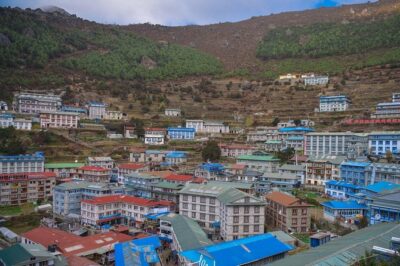
Namche is where the trekking world really forms. You’ll see Sherpa villages and get a sense of the culture that has shaped this region for generations. It’s also a place to manage your body: eat well, drink enough, and don’t race.
What I like about the way this trek is structured is that it doesn’t cram too much intensity too early. You’ll be hiking six hours today, but it’s spread across terrain and village stops that give you time to adjust.
Everest View Hotel day: culture + high-impact views without climbing to exhaustion
Day 4 includes an easy rest-and-explore feel in Namche before you head toward the Everest View Hotel area. The highlight is the afternoon hike for panoramic views—this is the day you often start understanding how the Everest region stacks layers of mountains.
You’ll also have time to visit the Sherpa Museum, which adds context beyond the scenery. It’s a smart break from “just hiking,” and it helps you notice details: how people live here, how trekking and mountaineering culture developed, and why certain places look the way they do.
The tradeoff is time: this is still a trekking day, and you’ll want to pace yourself so your legs feel ready for Tyangboche tomorrow. If you tend to move fast when you feel good, you’ll want to resist that urge.
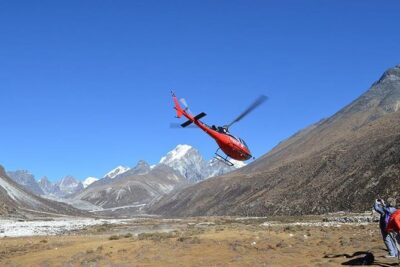
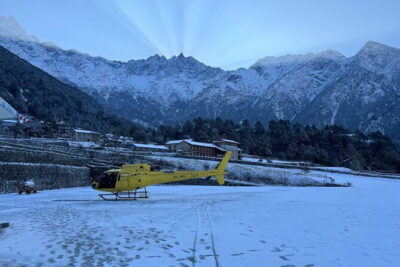
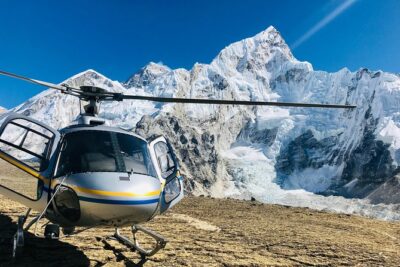
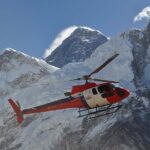
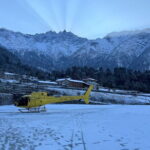
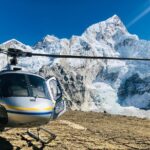
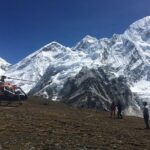
More of the range from the air

Tyangboche: church bells, big mountain silhouettes, and a lunch stop that matters
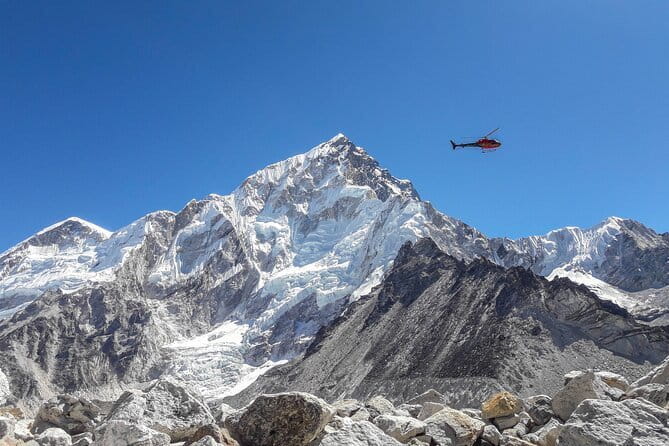
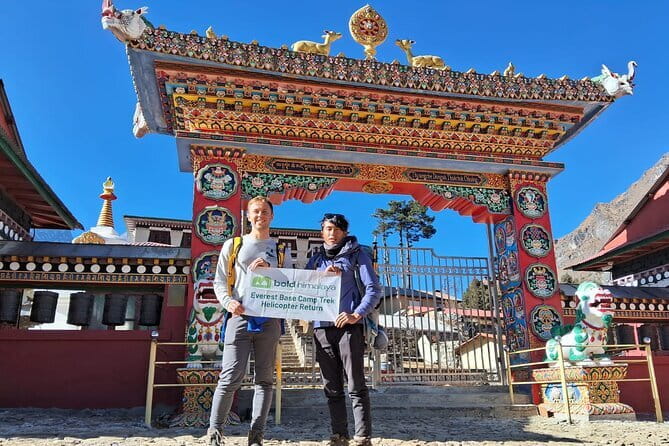
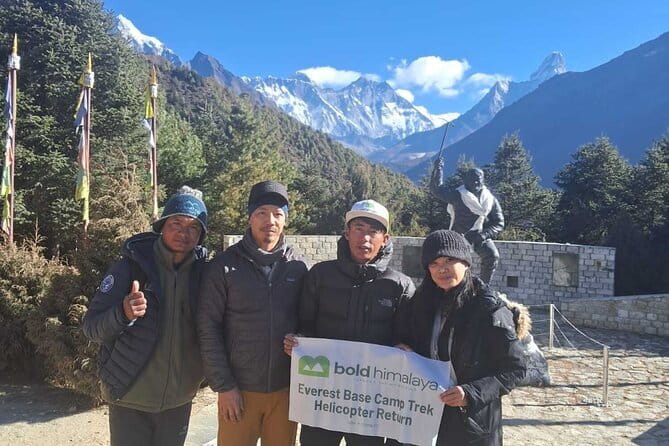
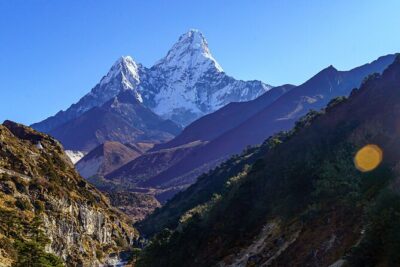
Day 5 takes you to Tyangboche, with views of Everest, Lhotse, and surrounding peaks along the way. There’s a lunch stop mentioned at Phungi Thanga, then you continue to Tyangboche.
Tyangboche is often where the trip shifts from scenic trekking to emotional trekking. The views are the obvious part, but the day also gives you a chance to slow down and notice the meaning of this route for the people who live along it.
If you’re someone who gets cold easily, this is where your provided gear can become a lifesaver. A down jacket and sleeping bag are included, and trekking poles help you handle uneven stone paths and stairs without grinding your knees.
Dingboche and the acclimatization advantage: why preparation day is gold
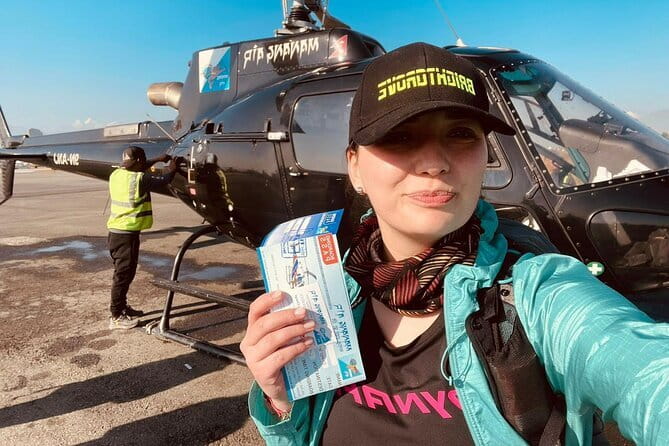
Day 6 continues on to Dingboche, crossing a suspension bridge over the Imja Khola along the way. The route includes rhododendron forests and village areas like Pangboche and Somare, before reaching Dingboche.
Day 7 is your preparation day for higher altitude, including a hike toward Nagarjun Peak. This kind of climb is about acclimatization more than speed. The reward is altitude experience without spending the whole day pushing higher and higher.
This is one of the most valuable parts of the whole trek. Everest success isn’t about bravery; it’s about timing and body management. You’ll be above 4,000 meters for multiple days here, and this day helps you give your body a chance to adapt.
To Lobuche and onward: passes, memorials, and the feeling of being close
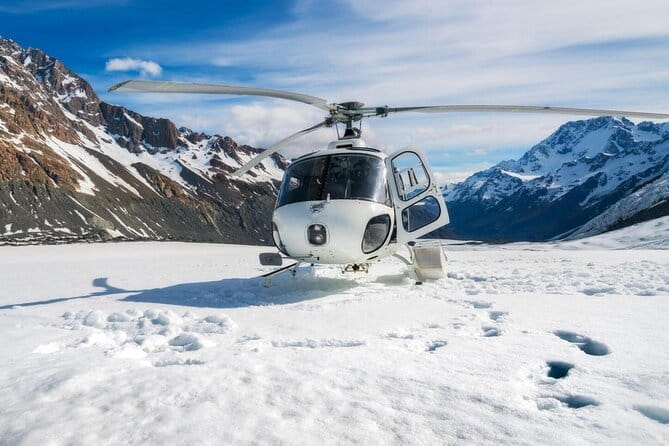
Day 8 heads to Lobuche at about 4,940 meters, passing Thukla Pass. You’ll see memorials to climbers, which adds a heavy but important reminder: this is a world built on effort and sacrifice.
The day also includes close-up views of surrounding glaciers, and you overnight in the Lobuche area. Walking in this zone feels different. The air can be harsher, and the terrain starts to look more stripped-down and dramatic.
Where gear matters: cold nights at these altitudes can be rough, even if daytime feels manageable. The included sleeping bag and down jacket are there for a reason. If you’re tempted to pack only light layers, this is where you should reconsider.
Everest Base Camp and Gorak Shep: the day you’ll remember
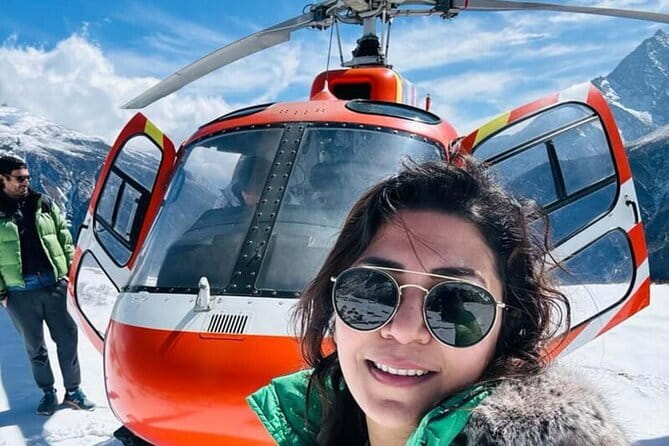
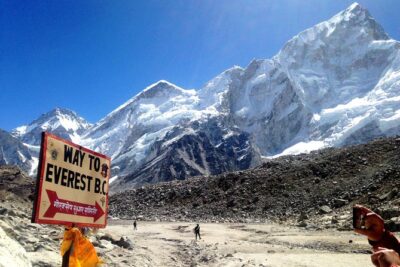
Day 9 is the big one: trek to Everest Base Camp (about 5,364 meters) and then overnight in Gorak Shep (around 5,170 meters). The route includes the Khumbu Icefall views along the way, and that’s one of the most famous visual moments on the whole trek.
This is also the day where you’ll likely feel the altitude in your breathing and in how fast your legs fatigue. It’s worth keeping your effort controlled. If you try to “win the day,” you can end up regretting it at high altitude.
A practical benefit here: you’ll leave your gear in Gorak Shep. That makes the push to Base Camp feel lighter, and it’s also a smart way to keep energy for the return walk to camp for the night.
Kala Patthar at sunrise + helicopter return: saving your legs while still hitting the icon
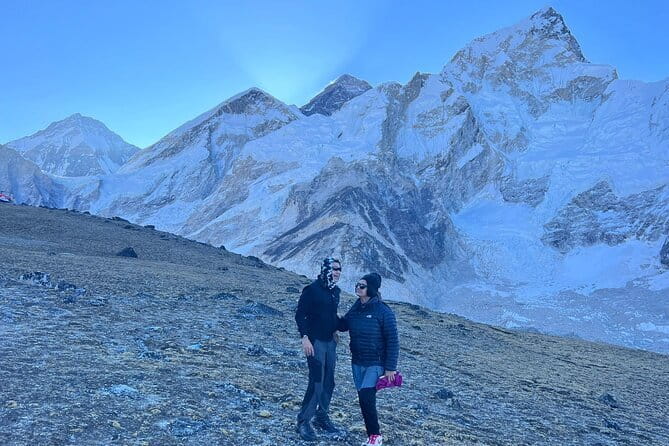
Day 10 starts early with a hike to Kala Patthar (about 5,550 meters) for sunrise. This is a big deal because sunrise can turn Everest and neighboring peaks into a glowing, sharp-edged view. Even if clouds show up, you’ll still be in the right place at the right time for the best chance.
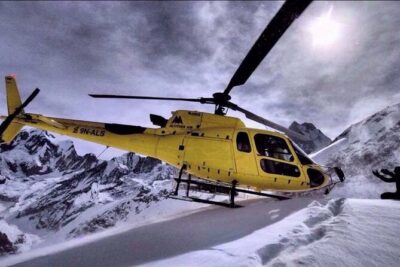
After that, you return to Gorak Shep and board a helicopter to Kathmandu (the experience summary frames it this way). Two important practical notes:
- You should confirm whether the helicopter flight is actually included in what you pay. The inclusions list says helicopter flight from Gorak Shep to Kathmandu is not included.
- Weather affects aviation here too. Even with a booked plan, your safest assumption is that the route needs good conditions to run cleanly.
Once you’re back, you’ll be transferred in Kathmandu. The overall payoff is clear: you get the Everest region’s high points without spending days trekking back downhill.
Price and logistics reality check: $446.50 and what that buys
At $446.50 per person, the headline price is attractive—especially for an Everest Base Camp trek with domestic flights, guide support, fees, and cold-weather gear included. But value in Nepal trek pricing often depends on what’s inside the total.
Here’s what you can count on being included based on the provided package details:
- Guide support (with salary and insurance noted) plus food and accommodation for the guide team
- Domestic flight Kathmandu to Lukla (or Ramechap to Lukla)
- A Kathmandu hotel night (Hotel Thrive or similar)
- Sagarmatha National Park and related fees plus TIMS
- Trekkers’ cold-weather and walking gear: sleeping bag, down jacket, trekking poles, plus items like a duffle bag and cap
- Some seasonal fruit and dry nuts on the trek
- Meals while on trek: breakfasts, lunches, and dinners are listed in counts
What you may need to pay separately, or at least confirm:
- International flights and travel insurance (not included)
- Tips for trekking crew members (not included)
- Porters (not included)
- And notably, helicopter flight from Gorak Shep to Kathmandu is listed as not included in the details provided.
So my advice is simple: ask the operator to quote the all-in total for the helicopter segment in writing. If the helicopter is included in your final payment, great—you’re getting a rare mix of classic trekking and a fast exit. If it’s not included, budget for it before you fall in love with the idea.
Who this trek is best for (and who should think twice)
This plan is aimed at people with moderate physical fitness who want a guided Everest experience without turning it into a weeks-long battle. You’ll be hiking multiple days with durations around five to seven hours, plus higher-altitude segments and a sunrise hike.
You’ll likely love it if you:
- Want Everest Base Camp plus Kala Patthar views
- Prefer to avoid the full backtrack down to Kathmandu
- Like having gear provided so you travel lighter and safer
- Want a private group setup, not a huge mixed crowd
You might reconsider if you:
- Have trouble walking steep, rocky steps at altitude
- Are prone to altitude sickness and can’t follow acclimatization guidance
- Need fully predictable aviation in all weather (no Everest trek offers that)
Guide and team support: why “who carries you” matters
Good trekking isn’t just about the route. It’s about the people managing pace, safety, and decision-making when the weather shifts.
In the stories tied to this operator, trekkers highlighted an experienced guide named Surendra and a porter named Uncle Doma Ghale for keeping them safe. You’ll also see praise for Sobit, the manager, for being attentive from first email questions onward. That’s the kind of service signal worth paying attention to when you’re choosing a tour.
Because porters are listed as not included, you should ask directly how porter arrangements work for your group size and comfort level. If you’re carrying your own pack, make sure you’re honest with yourself about what you can handle at high altitude.
Practical tips so you feel good at 5,000+ meters
- Pack around layers, not around one heavy coat. You’ll use warm protection during early starts and during windier ridgelines.
- Trust the acclimatization day. The climb toward Nagarjun Peak is there to help your body.
- Take hydration seriously even when you feel like you’re not drinking much. Dry air can trick you.
- Keep your pace steady on Base Camp day. Slow effort usually beats heroic effort here.
- Bring a mindset for changes. Some groups have faced shifts due to unexpected conditions, and Everest logistics can require flexibility.
Should you book Bold Himalaya’s Everest Base Camp with helicopter return?
If you want a classic Everest trek with less time spent returning on foot, this is a strong pick. The combination of Everest Base Camp, Kala Patthar sunrise, and a helicopter exit is exactly what many people dream about—without forcing you to do the full long slog back.
My one hesitation is the helicopter inclusion mismatch in the provided details. Before you click pay, confirm the helicopter flight from Gorak Shep to Kathmandu is included in your package total, and ask what happens if weather affects the helicopter schedule.
If the final quote matches your expectations—and you’re ready for altitude and daily walking—then yes, book it. This is the kind of trip where the views feel earned, and the return plan respects your time and your legs.
FAQ
How long is the Everest Base Camp trek with helicopter flight back?
It’s listed as 10 days approximately.
Where does the trip start in Nepal?
The meeting point is Tribhuvan Airport in Kathmandu, Nepal.
What domestic flight is included?
The package includes a domestic flight according to the itinerary from Kathmandu to Lukla, or from Ramechap to Lukla.
Is the helicopter flight back included?
The itinerary describes a helicopter flight back to Kathmandu, but the details provided also list helicopter flight from Gorakshep to Kathmandu as not included. You should confirm what is included in your final price.
What gear is included for trekking?
Included trekking gear includes a sleeping bag, down jacket, and trekking poles (and items like a duffle bag, cap, and trip certificate).
What entrance fees are included?
Included fees include Sagarmatha National Park entrance, Pasang Lhamu Rural Municipality entrance fee, and TIMS.
What’s included for meals?
Meals are listed as breakfast (9), lunch (8), and dinner (8) during the trek.
What level of fitness is expected?
The tour information says travelers should have a moderate physical fitness level.
More of Nepal from the Air

More Trekking Out of Kathmandu






More Tour Reviews in Kathmandu



Just Reviewed in Kathmandu
- Mountain Bike Tour
★ 5.0 · 3 reviews - Annapurna Panaroma
★ 5.0 · 3 reviews - Mount Everest Scenic Flight 50 Minutes
★ 5.0 · 3 reviews - Kathmandu : Swambhunath & Durbar Square Guided Half Day Tour
★ 3.3 · 3 reviews - Chandragiri Cable Car & Monkey Temple Tour – Private/Group
★ 5.0 · 3 reviews - Kathmandu: Shivapuri National Park Hiking Day Trip
★ 3.3 · 3 reviews
Everest Base Camp Treks, compared.
 ★ 5.0Everest Base Camp Trek – 14 DaysFrom $1,8001,499 reviews
 ★ 5.0Everest Base Camp TrekFrom $1,790842 reviews
 ★ 5.0Everest Base Camp TrekkingFrom $1,350485 reviews
 ★ 5.0Everest Base Camp Trekking – 13 DayFrom $1,399365 reviews
★ 5.0Everest Base Camp TrekFrom $1,445350 reviews
★ 5.0Everest Base Camp Trek -14 DaysFrom $1,420321 reviews
 ★ 5.012 Days Everest Base Camp TrekFrom $1,099289 reviews
 ★ 5.0Everest Base Camp Trekking – 2025/2026From $1,339199 reviews
Browse the lists this tour appears in