
Review · EVEREST BASE CAMP TREKS
Everest Base Camp Trek with Helicopter Return – 10 Days
Everest Base Camp without the hike back. That’s the appeal here: you get the classic Khumbu climb up, but you’re not forced to repeat the same descent route. I like that the itinerary is set up as a small group trek (max 15) with everything pre-arranged, and that the headline is a helicopter return once you’ve done the big viewpoint day.
Two things I really appreciate are the practical “you’re taken care of” approach and the gear support. You’ll stay in tea houses/guest houses during the trek, and you’ll also have trekking essentials provided like a down jacket, sleeping bag, and walking pole—so you’re not scrambling to rent gear in Kathmandu. The one drawback to think about is weather: since you’re relying on flights and helicopter timing, poor conditions can shift plans.
In This Review
- Key Highlights You’ll Feel on the Ground
- First Day in Kathmandu: Getting Oriented Before the Climb
- Flying to Lukla and Trekking into the Dudh Koshi Valley (Day 2)
- Phakding to Namche Bazaar: Suspension Bridges, Pine Forest, and Sherpa Culture (Day 3)
- Namche Acclimatization Day: Everest View Hotel Beats Guesswork (Day 4)
- Tengboche: Monastery Views and the Mid-Trek Reset (Day 5)
- Dingboche (and the Routine of Higher Ground) (Day 6)
- Chola Lake, Duglha, and Pushing Toward the Glacier Zone (Day 7)
- Everest Base Camp Day: What “EBC” Feels Like When You Finally Reach It (Day 8)
- Kala Patthar: 360-Degree Views and the Helicopter That Ends the Backtrack (Day 9)
- Kathmandu on Day 10: Clean Exit and Time to Reset
- Price and Value: Why This Option Can Make Sense at $3,400
- What a Small Group Really Changes on This Route
- Gear Provided: The Practical Benefit (and the Trade-Off)
- Who This Trek Fits Best (and Who Might Want Another Option)
- Should You Book This Everest Base Camp Trek With Helicopter Return?
- FAQ
- How long is the Everest Base Camp trek with helicopter return?
- Where does the trip start in Nepal?
- What is the big highlight of this tour?
- Are tea house accommodations and trek meals included?
- Does the price include flights to and from Lukla?
- Do I need permits and a TIMS card?
- What gear is provided for trekking?
- What about the Nepal entry visa?
- What is the cancellation policy?
- What fitness level do I need?
Key Highlights You’ll Feel on the Ground
- Helicopter return after Kalapathar so you skip the backtrack to Lukla
- Small-group pacing (max 15) that keeps days manageable and support close
- All trek logistics handled: flights to Lukla, guides, porters, permits, airport transfers
- Gear provided (down jacket, sleeping bag, walking pole) which can save money and stress
- Acclimatization built in with a dedicated Namche day plus a rest-and-climb routine
- Everest links with other giants along the way—Everest region passes through the approach to multiple peaks
More trails out of Kathmandu, boots ready
- Everest Base Camp Trek – 14 Days★ 5.0 · 1,499 reviews
- Everest Base Camp Trek★ 5.0 · 842 reviews
- Everest Base Camp Trekking★ 5.0 · 485 reviews
- Nagarkot Sunrise View and Day Hiking from Kathmandu★ 5.0 · 471 reviews
First Day in Kathmandu: Getting Oriented Before the Climb
Your trip starts with an airport meet-and-transfer to your Kathmandu hotel. Day 1 is intentionally low-pressure: after you arrive, you can rest or roam a bit—use it to reset your sleep and get comfortable with Nepal time.
One practical note: your trek start time is early (meeting at 6:15 am is listed), so Kathmandu Day 1 is where you should handle anything you forgot—phone plans, a final snack run, or just a quiet dinner.
Flying to Lukla and Trekking into the Dudh Koshi Valley (Day 2)
Day 2 is basically two parts: a domestic flight to Lukla, then your first trekking day down the trail to Phakding. Lukla is the launch point for the Everest region, so this is where the “travel day” energy turns into real trail walking.
You’ll follow a route rich with greenery and river scenery, plus classic suspension-bridge vibes. Expect a day that feels long on the clock, but also a day that builds confidence: you’re walking into the rhythm of step, pause, breathe, repeat.
Phakding to Namche Bazaar: Suspension Bridges, Pine Forest, and Sherpa Culture (Day 3)
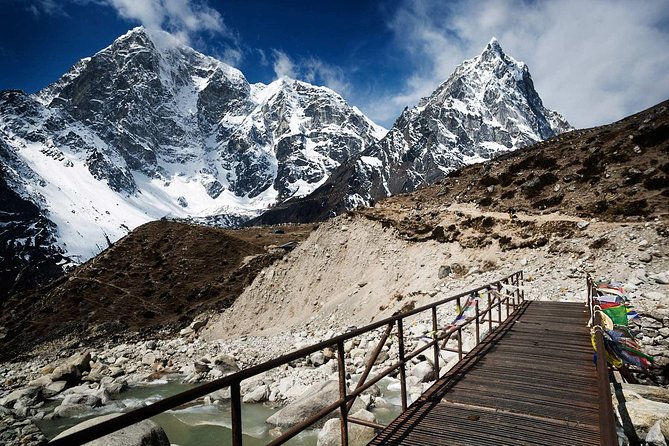
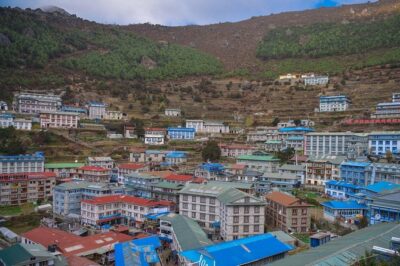
Day 3 is where the Everest-region identity really shows up. You’ll trek through pine forest alongside the Dudh Koshi River and cross the Hillary suspension bridge, then you’ll move toward Namche Bazaar, the gateway and Sherpa hub.
This is also the day you’ll deal with protected-area formalities as you enter Sagarmatha National Park, a UNESCO World Heritage Site. It’s a small thing on paper, but it matters because it confirms you’re in the real managed heart of the park—not just hiking in the general area.
Namche is also where culture enters your day, not as a museum stop, but as part of the town’s routine. You may stop at the Sherpa Museum for a quick look at Sherpa culture and traditions, and this can be a nice change of pace after long views.
Namche Acclimatization Day: Everest View Hotel Beats Guesswork (Day 4)
Acclimatization is built into this route with a dedicated Namche day. You’ll hike up toward Everest View Hotel to sharpen your senses for what you’re aiming for—especially the big Everest outlook.
This day is smart because it reduces the “hope for the best” factor. When you take an extra day to adjust, you’re more likely to enjoy the next climbs rather than fight them.
The trade-off is that this is still a hike day. If you’re someone who hates slow days, you’ll want to treat this one as training, not vacation.
More of the range from the air
Tengboche: Monastery Views and the Mid-Trek Reset (Day 5)
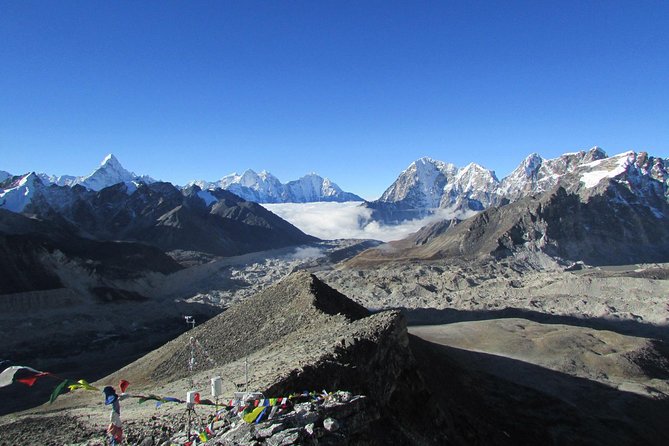
On Day 5 you move toward Tengboche, a classic checkpoint en route to Everest Base Camp and home to the largest monastery in the Khumbu region. Even if you’re not a religious-sights person, monastery towns like this tend to feel like they hold the energy of the mountains—quiet, focused, and human-scaled against giant peaks.
The trail pattern follows the valley-to-ridge style you’ll keep seeing in this region: smooth stretches, ups and downs, then a few tougher climbs. Along the way you pass areas like Kayangjuma and Sanasa and cross the Dudh Koshi bridge again, which helps break up the day.
Practical tip for Tengboche day: plan to spend a bit of time looking around after you arrive. This is the kind of spot where stopping for a moment feels worth it, not like wasted time.
Dingboche (and the Routine of Higher Ground) (Day 6)
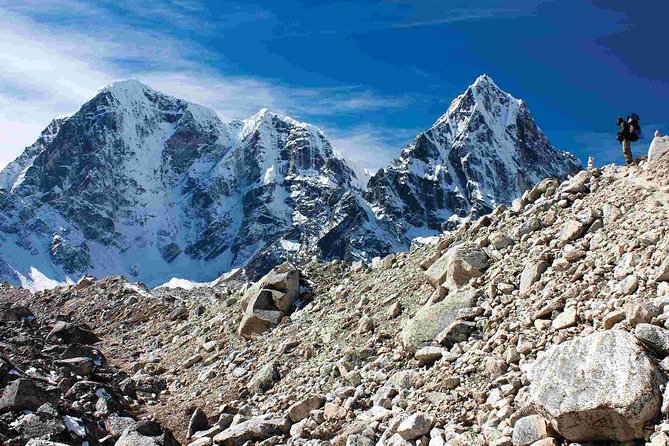
Day 6 shifts you into a more “high-altitude travel routine.” You’ll walk along an upper trail with chortens and mani walls, cross the Imja Khola, and pass through Pangboche (listed at 3900m). Then you enter the Imja Valley and descend to Dingboche.
Dingboche is a small village with a stop for acclimatization, which tells you everything: this is the “steady the body” phase before bigger efforts. If you keep your pace gentle and your breathing calm, you’ll find this day sets you up for success later.
The downside? Dingboche is still a trek day. You’re moving altitude upward through a sequence of climbs and short descents, so you don’t get a full rest day. Think of it as controlled effort.
Chola Lake, Duglha, and Pushing Toward the Glacier Zone (Day 7)
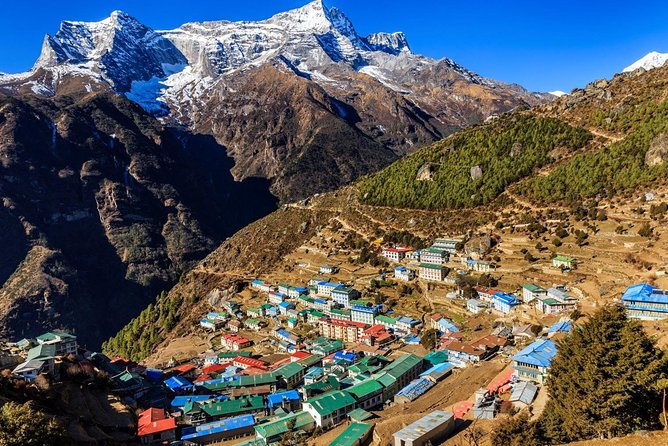
Day 7 is a longer-feeling climb day with a big scenery payoff. You’ll head toward Duglha through the Khumbu Khola Valley, pass Dusa and Phulung Karpo, then reach Chola Lake. From there, you cross a small bridge and keep ascending to Duglha.
This is also where you start thinking more about the glacier zone in your head. The route area connects you to perspectives of the Khumbu glaciers and the Everest approach terrain, not just mountain-towns.
You’ll see mention of Lobuche as well, including the idea that Lobuche peak has two peaks (east and west). Even if you don’t get a close-up moment on the spot, the point is that the region is turning into the hard, icy-looking part of Everest trekking.
Everest Base Camp Day: What “EBC” Feels Like When You Finally Reach It (Day 8)
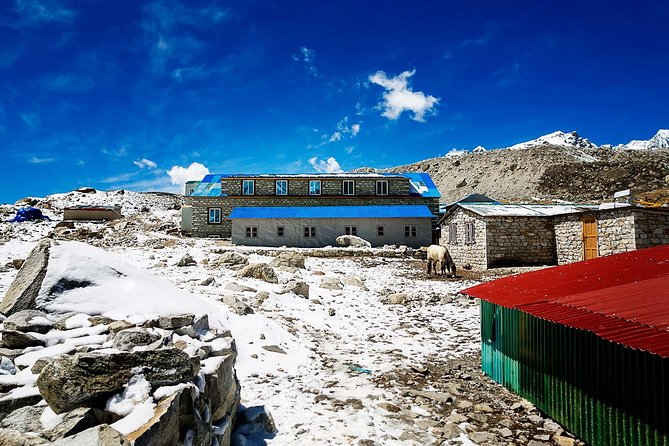
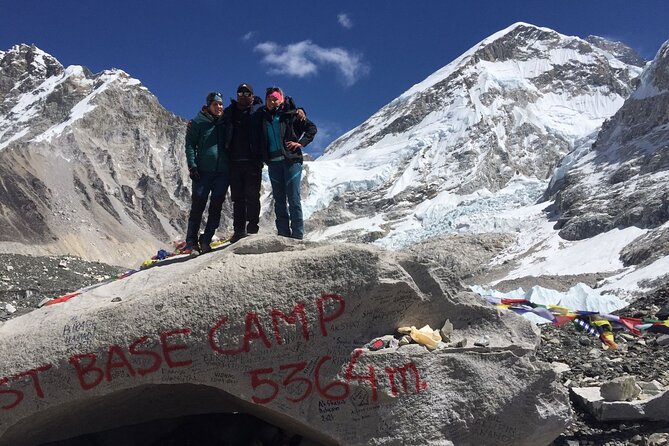
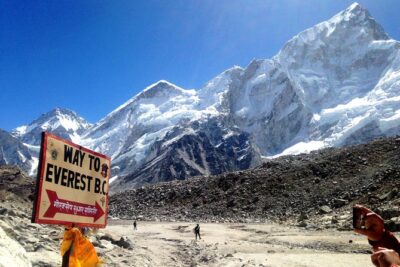
Day 8 is your Everest Base Camp day, and it’s set up with a key rhythm: hike up to EBC, then return to Gorakshep. You’ll see the Khumbu Glacier and the icefall area from the base-camp perspective.
This is the day that’s hardest to describe until you do it, but it usually comes down to one thing: the moment you reach Base Camp, the “once on a lifetime” feeling comes from scale. You’re standing in a place that climbers dream about, even if you’re not trying to summit.
You’ll spend time at Mount Everest / Everest Base Camp (your itinerary includes a short visit time), then you’ll continue on to Gorakshep. If you’re the kind of person who wants photos and quiet reflection, this is your day to do both.
Kala Patthar: 360-Degree Views and the Helicopter That Ends the Backtrack (Day 9)
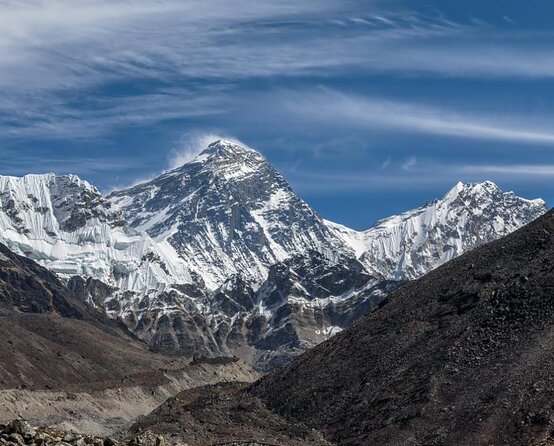
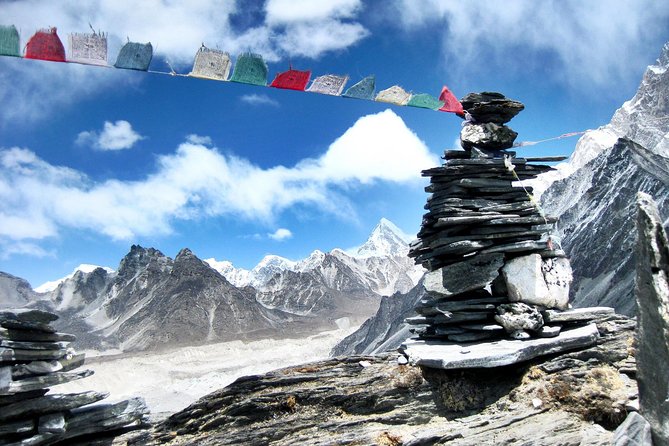
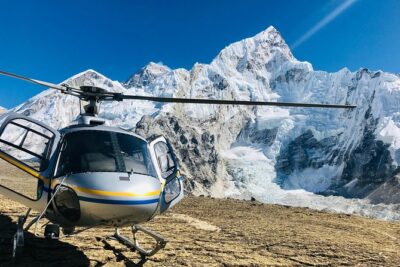
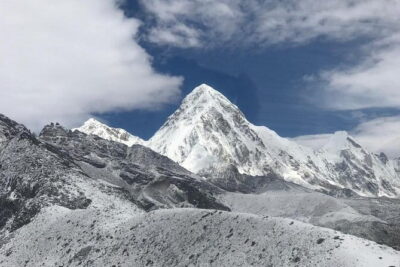
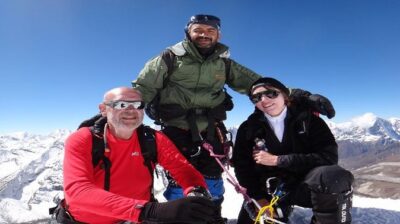
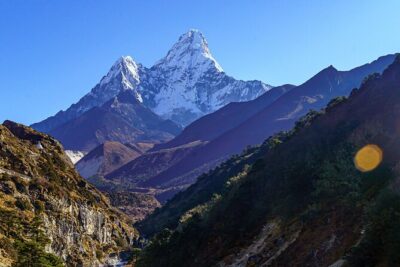
Day 9 is your viewpoint-and-finish day. You’ll hike to Kala Patthar, famous for 360-degree panoramic views of the Khumbu mountains including Everest. This is the moment a lot of people come for, because it gives you the widest, most dramatic mountain map.
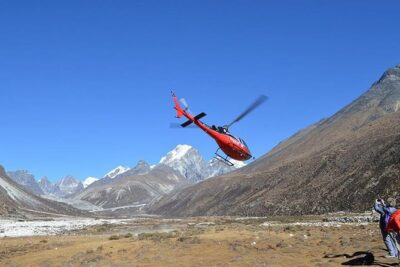
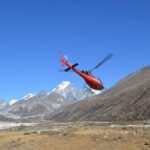
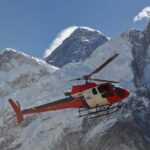
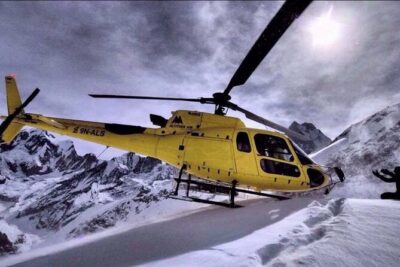
After Kalapathar, you’ll fly back to Kathmandu by group sharing helicopter. This is the headline advantage over standard EBC treks that force you to return the same way you came. Instead, the trek becomes a one-way ascent up to the viewpoint, then a fast exit back to city life.
Just remember: flights and helicopter service depend on weather, and the tour notes that good weather is required. So while the plan is clear, the exact timing can hinge on conditions.
Kathmandu on Day 10: Clean Exit and Time to Reset
Day 10 is straightforward: after breakfast, you’re transferred to the international airport for your flight home or onward travel.
This is the best kind of ending—no last-minute logistics scramble. You’ll land back with your body still tired but your mind clear, because you’re not stuck walking out after the hardest day.
Price and Value: Why This Option Can Make Sense at $3,400
At $3,400 per person for about 10 days, this is not a budget trek. But it also isn’t just “a standard Everest hike with a price tag.” A big chunk of the cost is buying time and coordination.
Here’s where your money is going, based on what’s included:
- Flights Kathmandu to Lukla and the helicopter return to Kathmandu (group sharing)
- Tea house/guest house lodging during the trek
- Meals during the trek (breakfast, lunch, dinner)
- Experienced English-speaking guide plus porters (listed as 1 porter for 2 trekkers)
- Everest Trek permit and TIMS
- Gear provided: duffle bag, down jacket, sleeping bag, walking pole
- Airport transfers by private vehicle
- A trekking map and a trip achievement certificate
What I like about this value setup is the “friction reduction.” If you’ve ever tried to plan altitude trekking, you know how much energy gets wasted on logistics: permits, gear rentals, local transport, and back-and-forth emails. This style of package buys you a smoother trip.
Where costs can still pop up:
- Lunch and dinner in Kathmandu aren’t included
- Nepal entry visa fee isn’t included (you’ll be asked to bring accurate USD cash and two passport photographs)
- Drinks, bottled water, and personal expenses are listed as extra
- Tips for guide and porters are expected but noted as not mandatory
So yes, it’s pricey. But you’re also paying for your helicopter exit, your guide/porter team, and the gear kit.
What a Small Group Really Changes on This Route
This tour caps at 15 travelers, which matters more than people think. On Everest-region treks, small-group size can mean:
- easier pacing adjustments when someone needs a break
- fewer traffic jams in busy spots like viewpoint areas
- more “your guide can manage the details” energy rather than chaos
It also pairs well with the helicopter plan. When you have a fixed-return day, organization becomes a big deal. A small group tends to make that easier to run.
Gear Provided: The Practical Benefit (and the Trade-Off)
Getting a down jacket, sleeping bag, and walking pole included can be a real win. It cuts down on packing weight and rental costs, and it reduces the risk of arriving with gear that doesn’t match the conditions you’ll face.
The trade-off is that your personal fit might not be perfect. With provided gear, you’ll still want to check how it works for you on day-to-day comfort—especially walking poles length and how your layering feels.
Also remember the personal expense list includes hot shower items and other add-ons, so don’t count on everything being included once you’re on the trail.
Who This Trek Fits Best (and Who Might Want Another Option)
This trip is listed as requiring moderate physical fitness. That’s the sweet spot for many travelers: you don’t need to be a hardcore athlete, but you do need to be ready for multi-hour hiking days at altitude in mountain terrain.
You’ll likely love it if you:
- want the Everest Base Camp goal without spending extra days repeating the backtrack
- prefer a guided, organized trip over full DIY planning
- like the idea of pairing mountain achievement with a clean, fast helicopter finish
You might think twice if you:
- get stressed by weather-dependent flight plans
- need very flexible pacing every day (the itinerary is structured)
- want a fully budget-style trek without helicopter costs
Should You Book This Everest Base Camp Trek With Helicopter Return?
If you can handle the price, I think this is a smart booking for the right reason: it preserves the epic part of Everest trekking—Base Camp and Kala Patthar—then removes one of the most tiring parts, the repeated trek back. The helicopter return turns “we made it” into “we’re done” on a schedule that gets you back to Kathmandu quickly.
Book it if your priority is the final big moments: Everest Base Camp on Day 8 and the Kala Patthar panorama on Day 9, plus the relief of a helicopter exit. Just make sure you’re comfortable with the reality that weather affects mountain transport. Plan for that mindset, and you’ll get the best version of this trek.
FAQ
How long is the Everest Base Camp trek with helicopter return?
It’s listed as 10 days (approx.).
Where does the trip start in Nepal?
You start in Kathmandu, with an airport meet and a hotel transfer on Day 1.
What is the big highlight of this tour?
The standout feature is skipping the backtrack by taking a group sharing helicopter return to Kathmandu after hiking to Kala Patthar.
Are tea house accommodations and trek meals included?
Yes. Tea house/guest house lodging during the trek is included, along with meals during the trek (breakfast, lunch, and dinner). Lunch and dinner in Kathmandu are not included.
Does the price include flights to and from Lukla?
Yes. Flights from Kathmandu to Lukla are included, and the return to Kathmandu is included by helicopter in group sharing basis.
Do I need permits and a TIMS card?
Yes—Everest Trek permit and TIMS card are included.
What gear is provided for trekking?
The tour includes a duffle bag, down jacket, sleeping bag, and walking pole.
What about the Nepal entry visa?
The Nepal entry visa fee is not included. You’ll be asked to bring accurate USD cash and two passport photographs for faster service.
What is the cancellation policy?
Free cancellation is offered up to 24 hours in advance for a full refund. If you cancel less than 24 hours before the experience’s start time, the amount paid is not refunded. Weather can also affect whether dates are offered or refunded.
What fitness level do I need?
The tour notes you should have a moderate physical fitness level.
More of Nepal from the Air
More Trekking Out of Kathmandu
More Tour Reviews in Kathmandu
Just Reviewed in Kathmandu
- Mountain Bike Tour
★ 5.0 · 3 reviews - Annapurna Panaroma
★ 5.0 · 3 reviews - Mount Everest Scenic Flight 50 Minutes
★ 5.0 · 3 reviews - Kathmandu : Swambhunath & Durbar Square Guided Half Day Tour
★ 3.3 · 3 reviews - Chandragiri Cable Car & Monkey Temple Tour – Private/Group
★ 5.0 · 3 reviews - Kathmandu: Shivapuri National Park Hiking Day Trip
★ 3.3 · 3 reviews
Everest Base Camp Treks, compared.
 ★ 5.0Everest Base Camp Trek – 14 DaysFrom $1,8001,499 reviews
 ★ 5.0Everest Base Camp TrekFrom $1,790842 reviews
 ★ 5.0Everest Base Camp TrekkingFrom $1,350485 reviews
 ★ 5.0Everest Base Camp Trekking – 13 DayFrom $1,399365 reviews
★ 5.0Everest Base Camp TrekFrom $1,445350 reviews
★ 5.0Everest Base Camp Trek -14 DaysFrom $1,420321 reviews
★ 5.0Everest Base Camp Trekking – 13 DayFrom $1,399365 reviews
★ 5.0Everest Base Camp TrekFrom $1,445350 reviews
★ 5.0Everest Base Camp Trek -14 DaysFrom $1,420321 reviews
 ★ 5.012 Days Everest Base Camp TrekFrom $1,099289 reviews
 ★ 5.0Everest Base Camp Trekking – 2025/2026From $1,339199 reviews
Browse the lists this tour appears in