
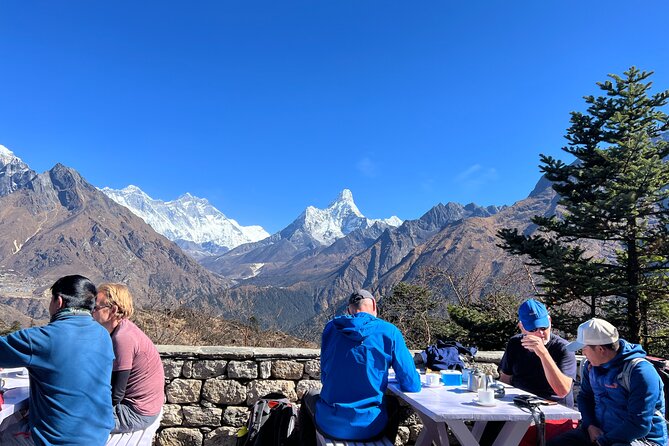
Review · EVEREST BASE CAMP TREKS
Everest Base Camp Trek with Helicopter Return -11 Days
Helicopter return changes the math. This 11-day Everest Base Camp trek compresses the usual slog by adding a fast, safety-minded rhythm and then letting you fly back after Kalapatthar. I love how the plan builds in acclimatization days (so you’re not just rushing upward), and I also love that the trip includes a helicopter return from Gorekshep plus a proper farewell dinner in Kathmandu. One thing to think about: both the Lukla flight and the helicopter depend on weather, so you need flexibility in your expectations.
You’ll sleep in Kathmandu for two nights at a 3 hotel with breakfast, then spend the trek in simple lodge/teahouse rooms. Expect mostly uphill days, steep moments (especially between Tengboche and Dingboche), and a realistic pace for a moderate fitness level.
In This Review
- Quick hits before you commit
- Entering Kathmandu: your base, your briefing, your sleep
- Lukla to Phakding: the first “real” altitude day
- Namche Bazaar acclimatization: Khumjung, views, and a smart reset
- Tengboche and Dingboche: forests, monasteries, and a steep grind
- Dingboche rest day and the move toward Lobuche
- Gorakshep and Everest Base Camp: thin air, big purpose
- Helicopter return from Gorekshep: comfort with a weather filter
- Hotels, lodges, meals, and what’s included (and what isn’t)
- Guides and porters: safety-first isn’t a slogan here
- Why the $3,500 price can make sense (if you price the alternatives)
- The cultural landing: farewell dinner with a real touch of Nepal
- Should you book this Everest Base Camp with helicopter return?
- FAQ
- Where does the trek start?
- What time does the experience start?
- How long is the experience?
- How do you get from Kathmandu to the trekking area?
- How do you return from the trek?
- What is included for accommodations?
- What meals are included during the trek?
- What permits and fees are included?
- What isn’t included?
- Can the trip be canceled and refunded?
Quick hits before you commit
- Heli back from Gorekshep so your legs get a rest after the highest viewpoints
- Built-in acclimatization with dedicated days in Namche Bazaar and Dingboche
- Altitude milestones you can plan around (Kalapatthar at 5,545m is a big target)
- Guide + porter support with a 1 porter for 2 clients ratio
- Practical inclusions: TIMS permit, Khumbu valley fees, lodge meals, and Kathmandu transfers
More trails out of Kathmandu, boots ready
- Everest Base Camp Trek – 14 Days★ 5.0 · 1,499 reviews
- Everest Base Camp Trek★ 5.0 · 842 reviews
- Everest Base Camp Trekking★ 5.0 · 485 reviews
- Nagarkot Sunrise View and Day Hiking from Kathmandu★ 5.0 · 471 reviews
Entering Kathmandu: your base, your briefing, your sleep
Day 1 starts with arrival at Tribhuvan Airport and a private vehicle pickup into Kathmandu, where you get two nights in a 3 hotel with breakfast. For a trek like this, those two hotel nights matter more than you think. You’ll be dealing with jet lag, Kathmandu traffic stress, and the emotional whiplash of going from city noise to thin air.
On Day 2, you’ll be set up for the flight to Lukla (and when needed, it can route via Ramachap to Lukla). You’re also carrying a schedule that’s tighter than the classic 14–15 day version, so that first day in Kathmandu is where you want to get organized and recharge.
Lukla to Phakding: the first “real” altitude day
Day 2 flies you to Lukla at 2,860m, then you trek to Phakding around 2,610m for about 3–4 hours. Even though you’re slightly dropping in altitude, this is still your first real test of body rhythm—walking steadily, managing breath, and getting used to the trekking pace.
Phakding is where the Everest region starts to feel real. You’ll find a string of lodge stops and everyday life built around tea houses, porter routes, and people moving between villages. If you’re prone to going out too fast, this is the day to resist. Slow and steady wins you more energy for Namche later.
What I like here is that the day isn’t too long. It gives you a clean on-ramp into the trek without pretending you’re already acclimatized.
Namche Bazaar acclimatization: Khumjung, views, and a smart reset
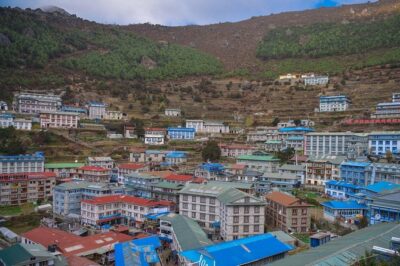
Day 3 is the long climb: Phakding to Namche Bazaar (about 3446m) for roughly 6–7 hours. This is one of the key days in the whole itinerary because Namche isn’t just a stop—it’s a high-altitude work zone. Your lungs start paying attention here, and your walking pace becomes important.
Then Day 4 is the acclimatization day, built around a smart idea: you don’t just rest, you move a bit and learn the rhythm. You’ll visit Khumjung Village and the Hotel Everest View at around 3,880m, plus you’ll have a full day to adjust before continuing upward.
This part matters because the trek isn’t leisurely. You’re aiming for Everest Base Camp and Kalapatthar while compressing the overall timeline, so that acclimatization day is what keeps the plan from feeling like a constant scramble.
Tengboche and Dingboche: forests, monasteries, and a steep grind
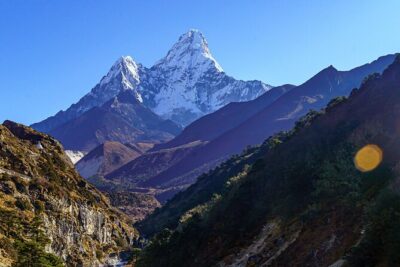
Day 5 takes you from Namche to Tengboche (around 3,860m) in about 5–6 hours. Tengboche is known for its monastery, and this is one of the moments when the trail turns into more than elevation. You’re walking through the cultural center of the Khumbu region, not just stacking meters.
On Day 6 you go from Tengboche to Dingboche (about 4,360m) for another 5–6 hours. This segment is described as relatively steep, but it also passes through rhododendron and juniper forests. That combination is a real gift. The plants can break up the monotony and give you occasional shade and cooler pockets—small things that help when you’re working hard.
You’ll feel it, though. Dingboche sits higher, and your body will start noticing the difference quickly.
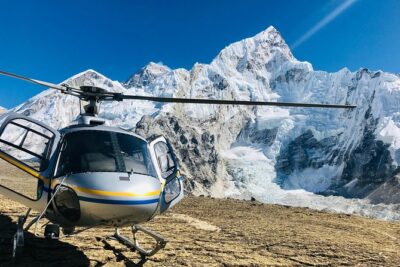
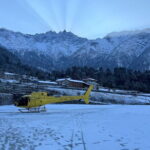
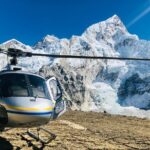
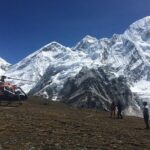
More of the range from the air
Dingboche rest day and the move toward Lobuche
Day 7 is another acclimatization day in Dingboche at roughly 4,360m. This is where I’m grateful the trip doesn’t pretend you can skip recovery. Instead of jumping onward immediately, you give your body time to settle and your muscles time to adapt.
Day 8 shifts gears: Dingboche to Lobuche (around 4,910m), about 5–6 hours. This is higher-country trekking, and it changes the “feel” of the walk. You’ll likely spend more time focusing on breathing and foot placement than scenery, but the payoff later makes this kind of grind worth it.
If you’re the type who gets restless on rest days, consider using them for a slow village walk and extra hydration. You’re not doing it to be efficient—you’re doing it to help tomorrow hurt less.
Gorakshep and Everest Base Camp: thin air, big purpose
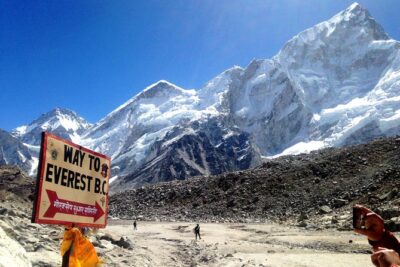
Day 9 is the long one in altitude terms. You trek from Lobuche to Everest Base Camp (around 5,360m) and onward to Gorakshep (about 5,160m) for roughly 6–7 hours. This is when the Everest Base Camp dream turns into a real physical effort.
A key thing to understand: Gorakshep comes before Kalapatthar. That means Day 9 is your entrance into the high zone, and it can feel like the day keeps going even after you reach base camp. The walk to Gorakshep is still part of the bigger target chain, not just an overnight stop.
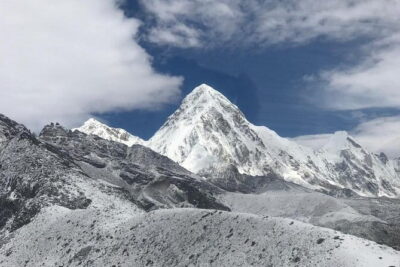
Day 10 then becomes your high-altitude finale: Gorakshep to Kalapatthar (about 5,545m) in 3–4 hours for the famous viewpoint. Kalapatthar is often treated as the big signature moment because the views of Mount Everest and other peaks are the main event. After that, you return to Kathmandu by helicopter the same day (sharing the helicopter with other passengers).
I love how this structure works for people who want the iconic Everest moments but don’t want a full extra week of walking. It’s still a serious trek—but the return plan avoids making you “pay” for it with another brutal descent.
Helicopter return from Gorekshep: comfort with a weather filter
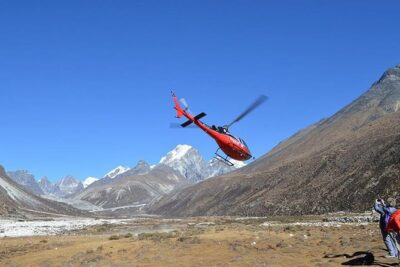
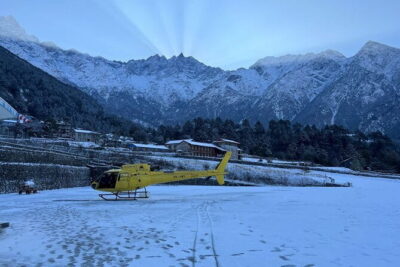
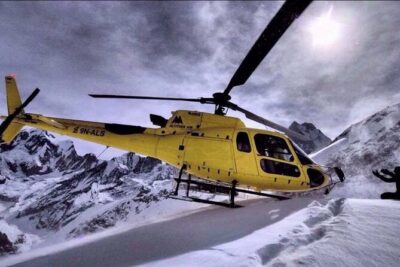
The helicopter segment is one of the biggest reasons this plan can fit into 11 days. After reaching the viewpoint at Kalapatthar, you’re flying back from Gorekshep to Kathmandu rather than spending days walking down through every altitude step again. That’s a huge value for your knees, your sleep, and your overall enjoyment of the trip’s ending.
But here’s the practical caution: the experience requires good weather. That’s not just a footnote—it’s a core part of how you should plan your expectations. If weather doesn’t cooperate, you may be offered a different date or a full refund. Either way, your trip hinges on conditions out in the mountains.
Also remember the helicopter is listed as sharing. Translation: expect to wait a bit and follow crew instructions even if you’re itching to get back to Kathmandu comfort.
Hotels, lodges, meals, and what’s included (and what isn’t)
In Kathmandu, you get a private vehicle transfer and two nights at a 3 hotel with breakfast. During the trek, you’ll stay in lodges/tea houses, and the meals included are listed as lunch, dinner, and breakfast. That matters because food is one of the silent budget killers on treks. If your menu choices add up, your total cost climbs fast.
What’s not included is also clear: bottled water and coffee/tea are not part of the package. Personal costs like phone calls, laundry, bar bills, battery recharges, and hot showers are extra. And you should plan to budget for tips for your guide and porter—those aren’t included either.
One more practical inclusion: you get a duffle bag that’s returned after the trek. For a trek with minimal walking time left near the end, that helps keep your packing sane.
Guides and porters: safety-first isn’t a slogan here
This trek is built around an experienced, helpful, friendly guide and porter support. The included ratio is 1 porter for 2 clients, which is a big deal when you’re trying to keep your own energy for steep sections and high-altitude days.
The names that show up repeatedly in the company’s orbit include Prakash Adhikari as a lead guide and Dikpal as another guide option. I also saw mention of Madan as a porter who was carrying in a super steady way. The consistent theme is clear: safety is a priority, and the team focuses on the details that prevent small problems from turning into big ones.
One detail that I think you’ll appreciate if you’ve trekked before: planning support. The owner and operator, Bhagwat Simkhada, is mentioned as helping people plan over many months and answering questions promptly. On a trek with flights into Lukla and a helicopter return, that kind of back-and-forth matters.
Why the $3,500 price can make sense (if you price the alternatives)
At $3,500 per person, this isn’t a cheap vacation. The value comes from the specific big-ticket items that many travelers end up paying separately:
- Kathmandu–Lukla flight (and the potential route via Ramachap to Lukla)
- Helicopter return from Gorekshep to Kathmandu
- Lodge accommodations during the trek
- Meals (lunch, dinner, breakfast across trek days)
- Permits and fees (TIMS permit and Khumbu valley fees)
- Guide and porter support plus travel and rescue arrangements
- Transfers and a Kathmandu hotel
If you were to book a similar level of guide/porter help and add helicopter return on your own, you’d likely spend more piecing it together. The package also reduces the guesswork, especially with paperwork and the permit side, which can be a headache in Nepal if you’re trying to handle everything last-minute.
The extra costs you should expect are the predictable ones: bottled water, coffee/tea, tips, personal expenses, and travel/rescue insurance (not included). So the real question isn’t just the sticker price. It’s whether you want to remove stress and keep logistics handled for you.
The cultural landing: farewell dinner with a real touch of Nepal
On the final night in Kathmandu, you’ll have a farewell dinner at an authentic Nepalese restaurant with cultural performance. After days of trekking food and mountain routine, this is a satisfying reset. It’s also a nice way to close the loop on why this region is more than just a checklist of altitudes and viewpoints.
If you enjoy simple celebrations and local music/dance, this part is worth showing up for with an appetite. Your body will appreciate the calories, and your brain will appreciate the normalcy of city life again.
Should you book this Everest Base Camp with helicopter return?
Book it if you want the classic Everest sequence—Namche acclimatization, Tengboche, Dingboche, Base Camp, Kalapatthar—but you also want to protect your time and reduce end-of-trek fatigue with a helicopter return from Gorekshep. I think it’s a strong fit for people with moderate fitness who want a guided plan that handles permits, flights, and rescue arrangements without making you piece it together yourself.
Don’t book it if you hate uncertainty. Weather can affect flights and helicopter operations, and the experience requires good conditions to run smoothly. Also, if you need a very slow pace to feel comfortable at altitude, the 11-day compression might feel demanding even with acclimatization days built in.
If you can travel with flexibility and you value practical support, this is one of the more efficient ways to reach Everest Base Camp and still end your trip feeling human.
FAQ
Where does the trek start?
The trek starts at Tribhuvan Airport in Kathmandu, Nepal.
What time does the experience start?
Start time is 6:00 am.
How long is the experience?
The duration is 11 days approximately.
How do you get from Kathmandu to the trekking area?
You fly from Kathmandu to Lukla (and it may route via Ramachap to Lukla) as part of the included flights.
How do you return from the trek?
You return to Kathmandu by helicopter from Gorekshep (sharing the helicopter).
What is included for accommodations?
You get two nights in a 3 hotel in Kathmandu with breakfast, plus lodge/tea house accommodations during the trek.
What meals are included during the trek?
Lunch, dinner, and breakfast are included during trekking days.
What permits and fees are included?
The package includes the TIMS permit and Khumbu valley fees, plus the necessary paper work.
What isn’t included?
Bottled water is not included, and coffee and/or tea aren’t included either. Travel and rescue insurance, personal expenses (phone calls, laundry, bar bills, battery recharge, extra porters, bottle, hot shower), and tips for the guide and porter are also not included.
Can the trip be canceled and refunded?
Yes. You can cancel up to 24 hours in advance for a full refund. The experience requires good weather, and if it’s canceled due to poor weather, you’ll be offered a different date or a full refund.
More of Nepal from the Air
More Trekking Out of Kathmandu
More Tour Reviews in Kathmandu
Just Reviewed in Kathmandu
- Mountain Bike Tour
★ 5.0 · 3 reviews - Annapurna Panaroma
★ 5.0 · 3 reviews - Mount Everest Scenic Flight 50 Minutes
★ 5.0 · 3 reviews - Kathmandu : Swambhunath & Durbar Square Guided Half Day Tour
★ 3.3 · 3 reviews - Chandragiri Cable Car & Monkey Temple Tour – Private/Group
★ 5.0 · 3 reviews - Kathmandu: Shivapuri National Park Hiking Day Trip
★ 3.3 · 3 reviews
Everest Base Camp Treks, compared.
 ★ 5.0Everest Base Camp Trek – 14 DaysFrom $1,8001,499 reviews
 ★ 5.0Everest Base Camp TrekFrom $1,790842 reviews
 ★ 5.0Everest Base Camp TrekkingFrom $1,350485 reviews
 ★ 5.0Everest Base Camp Trekking – 13 DayFrom $1,399365 reviews
★ 5.0Everest Base Camp TrekFrom $1,445350 reviews
★ 5.0Everest Base Camp Trek -14 DaysFrom $1,420321 reviews
★ 5.0Everest Base Camp Trekking – 13 DayFrom $1,399365 reviews
★ 5.0Everest Base Camp TrekFrom $1,445350 reviews
★ 5.0Everest Base Camp Trek -14 DaysFrom $1,420321 reviews
 ★ 5.012 Days Everest Base Camp TrekFrom $1,099289 reviews
 ★ 5.0Everest Base Camp Trekking – 2025/2026From $1,339199 reviews
Browse the lists this tour appears in