
Review · EVEREST BASE CAMP TREKS
Everest Base Camp trek with Helicopter return 9 days
This trek respects your time. In nine days, you reach Everest Base Camp territory and still get the famous sunrises around Kala Patthar, then fly back by helicopter instead of hiking the whole way down. It’s a practical way to do Everest without spending weeks in the Khumbu.
I love how the itinerary mixes walking with altitude management, especially that Namche Bazaar acclimatization day and the high-country checkpoint stops. I also love the built-in safety rhythm: an expert mountain guide, plus an oximeter used to check pulse and oxygen saturation twice a day. One thing to consider: the steep, more remote feel above Dingboche means you’ll want solid moderate fitness, and the overall price is not cheap for a 9-day trek.
In This Review
- Key highlights to look for
- Everest Helicopter Return: When Short Really Means Smarter
- Day 1 in Kathmandu: Setup Beats Stress
- Kathmandu to Lukla Flight: The Real Start, Fast
- Phakding to Namche Bazaar: Rhododendron, Bridges, and Your First Big Feeling
- Namche Bazaar Acclimatization Day: Rest, Then Reposition
- Kyangjuma: The Uphill Days That Build Confidence
- Tengboche: Sunrise, Rhododendron, and Quiet Mountain Life
- Dingboche to the Khumbu Glacier: Where the Route Gets Serious
- Gorak Shep: Big Day, Rocky Footing, and the Approach to High Peaks
- Kala Patthar and the Helicopter Exit: Payoff Plus Relief
- Guides, Safety Tools, and Porter Support That Actually Matter
- Included Meals and What Your Budget Should Expect
- Price and Value: Is $3,888 Reasonable for 9 Days?
- Your Fitness Check: Moderate Doesn’t Mean Easy
- Weather and the Helicopter Advantage
- Should You Book This Everest Helicopter Return Trek?
- FAQ
- How long is the Everest Base Camp trek with helicopter return?
- What parts of the trip include trekking?
- Where does the helicopter return fly from?
- What are the highest places you visit?
- Is the trek difficult?
- What transportation is included?
- Does the package include permits and official costs?
- Is any medical equipment included?
- What meals are included?
- Do I need travel insurance?
Key highlights to look for
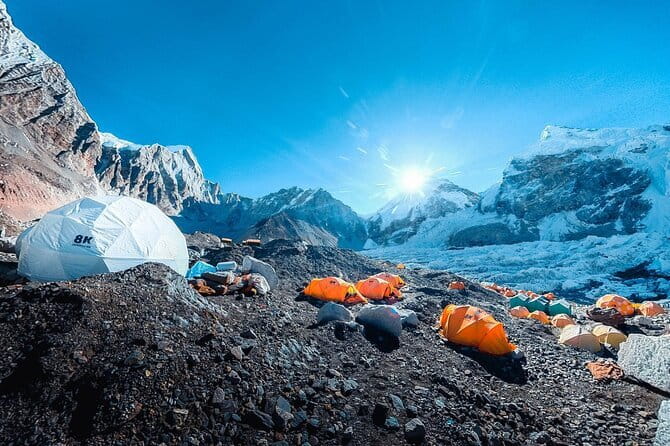
- Helicopter return from Gorakshep: you trade long downhill hours for a faster finish.
- Kala Patthar timing: an early start for the best mountain light.
- Altitude checks built in: oximeter monitoring twice daily on the trek.
- Rest day in Namche Bazaar: acclimatization before you push higher.
- Guided, guided, guided: expert mountain guidance throughout the route.
- Porter support: one porter for two people keeps your load realistic.
More trails out of Kathmandu, boots ready
- Everest Base Camp Trek – 14 Days★ 5.0 · 1,499 reviews
- Everest Base Camp Trek★ 5.0 · 842 reviews
- Everest Base Camp Trekking★ 5.0 · 485 reviews
- Nagarkot Sunrise View and Day Hiking from Kathmandu★ 5.0 · 471 reviews
Everest Helicopter Return: When Short Really Means Smarter
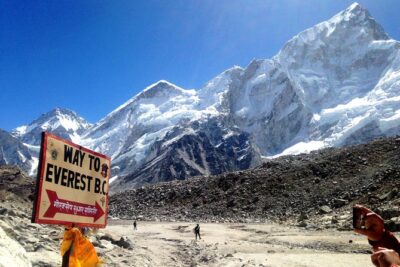
Everest Base Camp is the goal, but the biggest challenge is usually time plus altitude. This is one of the more efficient ways to handle both.
The trekking portion is about seven full days in the mountains, and the last day is focused on Kala Patthar before you fly back. That structure matters. You still get the classic days up toward the Everest region, but you reduce the number of days where you’d be tired, chilled, and moving at altitude.
Difficulty is described as moderate. That usually means: you’re not doing technical climbing, but you are climbing at elevation. Above Dingboche (4,410 m), the trail becomes steeper and more remote, so your legs and breathing need to be ready for that tougher feel late in the trek.
Day 1 in Kathmandu: Setup Beats Stress
Your first job in Kathmandu is simple: show up, meet the team, and get oriented. Pickup is included, and a private car handles getting you to your hotel and dealing with the start-day logistics.
Why this is valuable: on Everest trips, the hardest part of the trip is often after you leave town. Getting the airport transfer handled makes your day calmer and reduces the little problems that snowball later (wrong SIM, missing paperwork, confused meeting point).
Kathmandu to Lukla Flight: The Real Start, Fast
The trek’s first big milestone is the flight from Kathmandu to Lukla (Tenzing Hillary Airport). It’s short, and the reward is immediate: mountain views right away.
This matters more than people expect. When you fly in early, you’re not dragging jet lag through days of walking before altitude even starts. You arrive closer to the start trail and can settle into the Khumbu pace.
Phakding to Namche Bazaar: Rhododendron, Bridges, and Your First Big Feeling
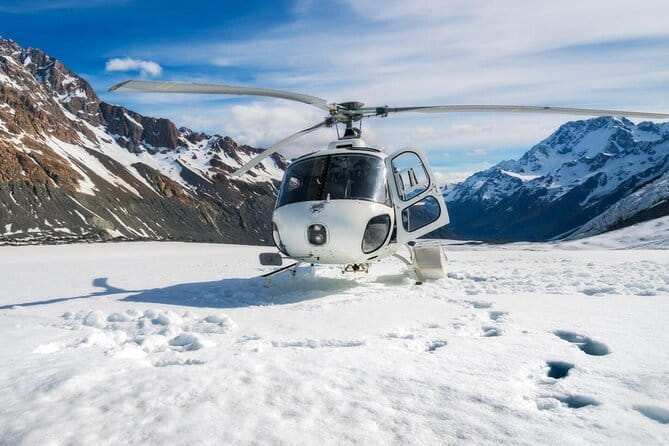
After landing, you start the trek toward Namche Bazaar. A common early route passes through forests like rhododendron and magnolia country, plus smaller villages and bridges before you reach Monjo and then continue onward.
You’ll spend about a half-day to a full day on the first approach, with a focus on movement rather than intensity. Expect some uphill walking, but the goal is to start building rhythm.
Two practical tips for this phase:
- Keep your effort smooth. Fast footsteps at altitude will make tomorrow harder.
- Use the bridge crossings and village sections as breathing check-ins, not as chances to race.
Namche Bazaar is more than a town. It’s where the Everest region starts to feel real: more travelers, more views, and more daily altitude reminders.
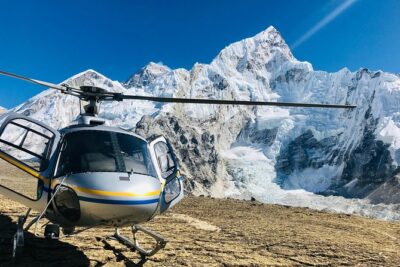
More of the range from the air
Namche Bazaar Acclimatization Day: Rest, Then Reposition
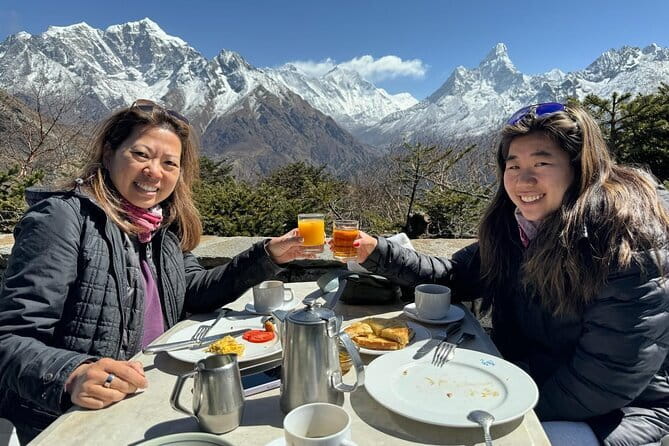
On day four, you get a rest day in Namche Bazaar. That’s not filler. A rest day at altitude helps your body absorb the climb rather than paying interest later.
Then there’s an extra touch: you go up via the Syangboche Airstrip to the Everest View Hotel. This gives you a high-altitude vantage without forcing you into a long, brutal hike.
If you like practical altitude strategy, this day is one of the best parts of the trek. You get the sense of going higher, while still giving your body time to adjust.
Kyangjuma: The Uphill Days That Build Confidence
After Namche, you continue along the route toward Kyangjuma at around 3,550 m. The day’s described as an ascent through green foothills and mountain views, with a trail that winds uphill and eventually drops to the next stop area.
This is where the trek shifts from getting started to building endurance. Kyangjuma’s value is that it helps you chain days together without everything feeling like a single endless grind.
Keep your pace steady. Your goal here is to arrive feeling like you still have energy, because the “steeper and more remote” feeling shows up more strongly later.
Tengboche: Sunrise, Rhododendron, and Quiet Mountain Life
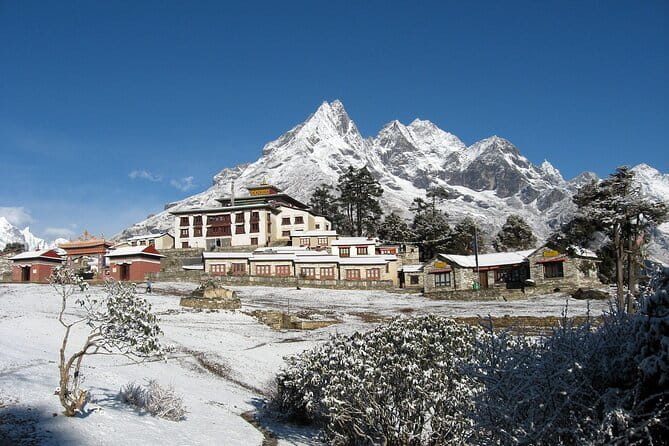
Tengboche is one of those classic Everest-region stops because the day starts early for sunrise viewing. After breakfast, you continue downhill through lush rhododendron forest.
The practical payoff is big. The sunrise effort usually means colder air and earlier wake-up, but the reward is the mountain light on the day you’re moving through some of the most iconic sections.
There’s also a good chance of wildlife sightings, like musk deer and blue sheep, depending on conditions. Even if you don’t see animals, Tengboche has that calm, reverent mountain vibe people talk about because it’s quiet and close to big views.
Dingboche to the Khumbu Glacier: Where the Route Gets Serious
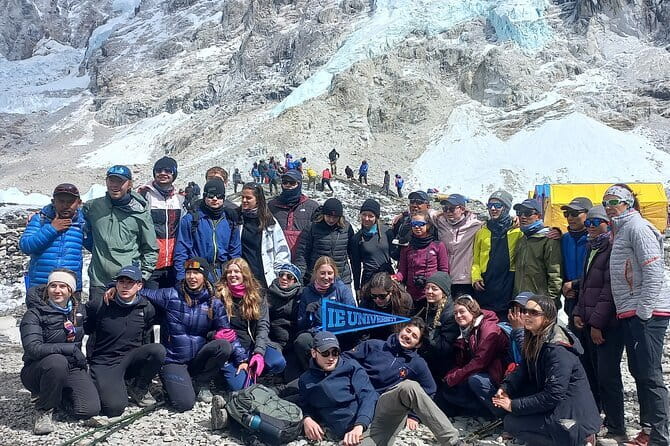
Once you’re past Dingboche (4,410 m), the trail is described as more remote and steeper. This is the part of the trek where you’ll feel the altitude most clearly.
On this day, you move toward and along the Khumbu Glacier. The walking route climbs through a ridge area as you leave Dingboche, then continues upward in sections.
You can also expect dramatic scenery in the form of peaks like Cholatse and Tawache when conditions are clear. That matters because the trek isn’t just effort; it’s also payback. When you’re feeling tired, it helps to have a strong visual reason to keep moving.
Gorak Shep: Big Day, Rocky Footing, and the Approach to High Peaks
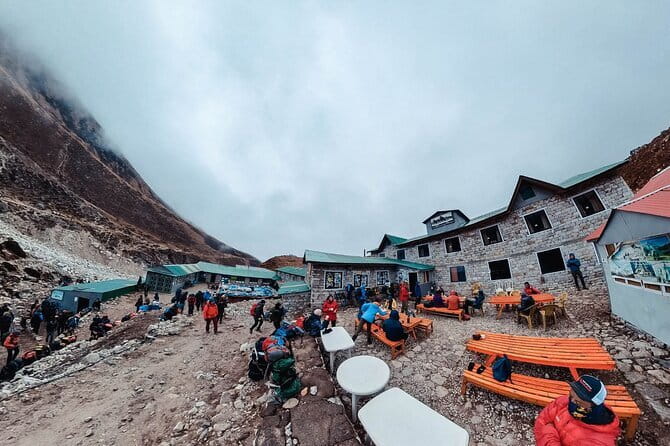
Day eight is described as a big day. You leave Lobuche, follow the wide valley up, and then climb a rocky path toward Gorak Shep.
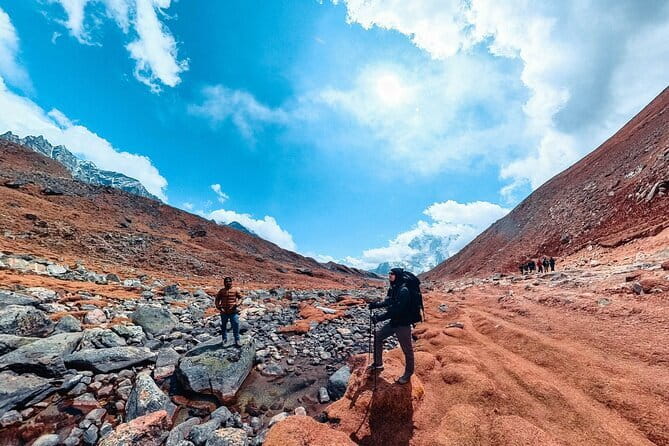
This is where it starts to feel more technical, even though you aren’t using ropes or climbing gear. Rocky footing means slower steps. Slower steps means you’ll conserve breathing. And conserving breathing is the real altitude skill on Everest.
Also, Gorak Shep is the launchpad for Kala Patthar. If you’re tempted to cram extra activities here, don’t. Protect energy for the next morning.
Kala Patthar and the Helicopter Exit: Payoff Plus Relief
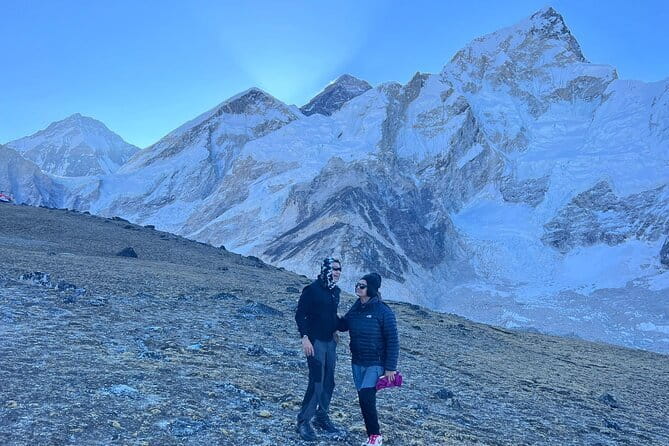
Kala Patthar is where the Everest trek finally cashes in. You can’t leave the Everest area until you see the mountain views from here.
The trail to Kala Patthar is described as well-used and easy to follow, starting above Gorakshep. That’s helpful because in high altitude terrain, route confusion is your enemy. Knowing you’ll have clear trail guidance reduces stress.
You’ll go early for sunrise and golden light on the mountains. That early timing is the reason the views are so sought after.
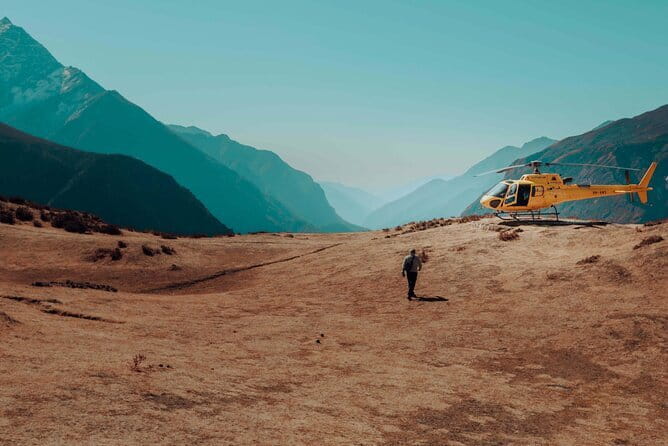
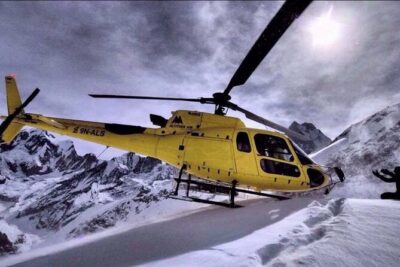
Then comes the helicopter return: the package includes a helicopter flight from Gorakshep to Lukla. That’s the difference-maker for a 9-day plan. Instead of spending extra days descending at altitude and in fatigue, you use an air route to shorten the end of the journey.
Guides, Safety Tools, and Porter Support That Actually Matter
This trek is guided by expert mountain guides, with safety support baked into the daily routine.
What’s specifically included:
- First aid kit and an oximeter to check pulse, oxygen saturation, and heart rate twice a day
- A guide with salary, food, drinks, lodging, transportation, and insurance covered
- One porter for two people
Why you should care:
- The oximeter checks twice daily are not just paperwork. They’re a practical way to spot trouble early.
- Porter support means you can keep your pack reasonable. On steep, cold days, that can be the line between enjoying the trek and suffering through it.
- Guided routes reduce decision fatigue, especially when conditions get remote.
Included Meals and What Your Budget Should Expect
Food during the trekking days is largely handled: breakfast (8), lunch (8), and dinner (8) are included.
What is not included:
- Lunch and dinner in Kathmandu
- Tea house costs like hot showers and charging your phone (about $2 to $5 mentioned)
- Alcoholic and non-alcoholic cold/hot drinks on the trek
- Desserts and other extras like chocolate, cake, pie, and pudding
You’ll also want to remember tips are expected for the guide, porter, and driver.
Bottom line: plan for the essentials covered, plus extra spending on comfort and convenience items. If you’re someone who loves frequent hot drinks, phone charging, or showers, set a small daily buffer.
Price and Value: Is $3,888 Reasonable for 9 Days?
At $3,888 per person, this is a premium-priced Everest option. That sticker shock is real.
Here’s the value math that makes it make sense for the right traveler:
- You’re buying speed. The helicopter return from Gorakshep replaces multiple hiking days.
- Logistics are handled end-to-end: private car transfers, Kathmandu–Lukla flights, helicopter segment, plus official permits and taxes.
- Medical monitoring is included on the trek through an oximeter and first aid kit.
If you’d be paying for a guide, permits, meals, and an independent plan with similar support, the package structure can start to look more reasonable. It’s still expensive. But it’s not just a flight add-on. It’s a full operations bundle designed to get you to the key viewpoints in a tight timeline.
Your Fitness Check: Moderate Doesn’t Mean Easy
The trek is listed as moderate with a recommendation for moderate physical fitness.
The reality:
- You’ll be walking multiple days at altitude.
- Above Dingboche, the trail gets steeper and more remote.
- Kala Patthar is a serious early-day effort even if the route is easy to follow.
If you can handle long days of hiking at a steady pace and you’re comfortable with uphill breathing, you’re in the right zone. If you struggle with steep climbs or you don’t handle altitude well, this route might feel too intense late in the trek.
Weather and the Helicopter Advantage
Everest weather can be stubborn. This trek’s biggest practical advantage is that the helicopter return gives you a different safety net than a pure hike-out plan.
You still do your walking to Kala Patthar and Gorakshep the normal way. But if conditions turn, having the air option can reduce the risk of your trip turning into a slower, less predictable timeline.
Should You Book This Everest Helicopter Return Trek?
I’d book it if:
- You have limited time but still want the Everest Base Camp experience plus the classic high-view day at Kala Patthar.
- You prefer guided structure and want altitude checks built into the daily plan.
- You’re willing to pay for the helicopter return to avoid extra days of descending at high altitude.
I’d think twice if:
- You want the cheapest Everest option. This isn’t it.
- You’re unsure about your ability to handle steep, remote trail sections above Dingboche.
- You dislike early mornings. Sunrise viewing is part of the deal, not a bonus.
FAQ
How long is the Everest Base Camp trek with helicopter return?
It’s about 9 days.
What parts of the trip include trekking?
You spend about 7 full days in the mountains, with the final day focused on Kala Patthar before the return flight.
Where does the helicopter return fly from?
The helicopter flight is from Gorakshep to Lukla.
What are the highest places you visit?
The route climbs up to Kala Patthar, listed at 5,644 m. Dingboche is listed at 4,410 m.
Is the trek difficult?
The difficulty is listed as moderate, with a recommendation for moderate physical fitness.
What transportation is included?
A private car handles all ground travel to and from the airport, and flights are included between Kathmandu and Lukla. A helicopter segment is included from Gorakshep to Lukla.
Does the package include permits and official costs?
Yes. Fees for permits and taxes/official costs paid to the government are included.
Is any medical equipment included?
Yes. The trip includes a first aid kit and an oximeter used to check pulse, oxygen saturation, and heart rate twice a day.
What meals are included?
Breakfast, lunch, and dinner are included for the trekking days (8 of each). Meals in Kathmandu are not included for lunch and dinner.
Do I need travel insurance?
Your personal travel and medical insurance is not included, so you’ll need to arrange your own. Tips to the guide, porter, and driver are also expected.
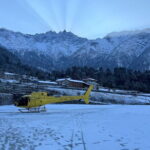
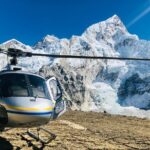
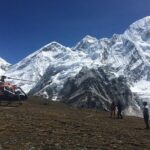
More of Nepal from the Air
More Trekking Out of Kathmandu
More Tour Reviews in Kathmandu
Just Reviewed in Kathmandu
- Mountain Bike Tour
★ 5.0 · 3 reviews - Annapurna Panaroma
★ 5.0 · 3 reviews - Mount Everest Scenic Flight 50 Minutes
★ 5.0 · 3 reviews - Kathmandu : Swambhunath & Durbar Square Guided Half Day Tour
★ 3.3 · 3 reviews - Chandragiri Cable Car & Monkey Temple Tour – Private/Group
★ 5.0 · 3 reviews - Kathmandu: Shivapuri National Park Hiking Day Trip
★ 3.3 · 3 reviews
Everest Base Camp Treks, compared.
 ★ 5.0Everest Base Camp Trek – 14 DaysFrom $1,8001,499 reviews
 ★ 5.0Everest Base Camp TrekFrom $1,790842 reviews
 ★ 5.0Everest Base Camp TrekkingFrom $1,350485 reviews
 ★ 5.0Everest Base Camp Trekking – 13 DayFrom $1,399365 reviews
★ 5.0Everest Base Camp TrekFrom $1,445350 reviews
★ 5.0Everest Base Camp Trek -14 DaysFrom $1,420321 reviews
★ 5.0Everest Base Camp Trekking – 13 DayFrom $1,399365 reviews
★ 5.0Everest Base Camp TrekFrom $1,445350 reviews
★ 5.0Everest Base Camp Trek -14 DaysFrom $1,420321 reviews
 ★ 5.012 Days Everest Base Camp TrekFrom $1,099289 reviews
 ★ 5.0Everest Base Camp Trekking – 2025/2026From $1,339199 reviews
Browse the lists this tour appears in