
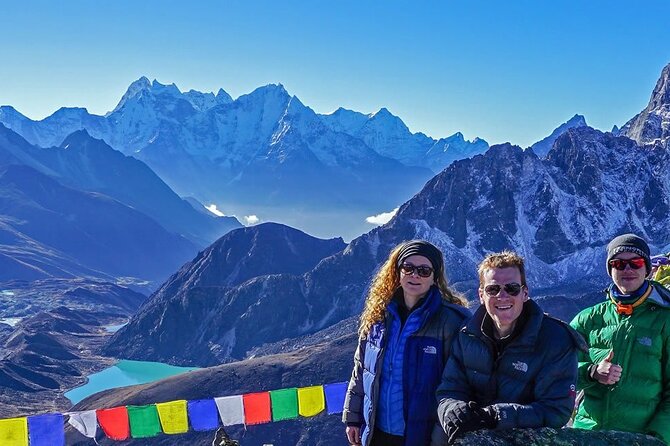
Review · EVEREST BASE CAMP TREKS
Everest Base Camp Trek with Helicopter Return to Lukla – 10 Days
Everest Base Camp, minus the grueling exit. This trek pairs classic high-altitude trails with a helicopter return from Gorakshep to Lukla. I like the guesthouse route (less logistics stress than camping), and I like that permits and key planning items are handled. One drawback to keep in mind: the whole plan depends on weather, especially for flights.
In Kathmandu, you get a 3-star hotel with breakfast plus private transfers, and you end with a proper Kathmandu farewell dinner and cultural show. I also like the small-group setup (max 15), because it tends to make it easier for your guide to manage pace and attention on the trail. The itinerary also includes domestic flights (Kathmandu/Manthali to Lukla round-trip), so you’re not hunting for transportation surprises.
Plan your budget and expectations carefully. Meals are not fully included (no lunch & dinner in Kathmandu, and no meals during the trek), and you must bring insurance that covers medical and high-altitude evacuation. Also, porters are optional, so if you want a lighter pack, decide that early.
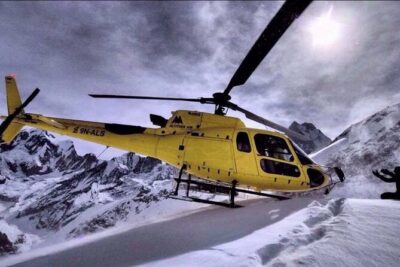
Helicopter return from Gorakshep to Lukla means you hike to the key points, then fly out instead of descending the hard way.
Standard guesthouses all along the route keep you moving without the complexity of camping.
Permits handled for Sagarmatha National Park, TIMS, and Pasang Lhamu Entry so you can focus on altitude and timing.
Licensed English-speaking guide support is a big part of why this trek feels manageable in the real world.
Gear and first-aid kit are included, including a sleeping bag and duffel bag—helpful for smart packing.
In This Review
- How the Helicopter Return Changes Everest Base Camp
- Kathmandu Pre-Trek: Hotel Comfort, Transfers, and a Clear Start
- Domestic Flight to Lukla: Small Plane, Big Start
- The Trail Through Sherpa Villages and the Dudh Koshi
- Tengboche to Namche Bazaar: Monastery Stops and Breathing Room
- Dingboche Acclimatization: Where Pace Becomes Your Superpower
- Everest Base Camp and Kala Patthar Sunrise: The Payoff Moment
- Gorakshep to Lukla by Helicopter: Your Trek Gets a Clean Ending
- Price and Value: What $799 Really Buys You
- Comfort vs Challenge: Who This Trek Fits Best
- What to Watch Before You Book (So You Don’t Regret It Later)
- Should You Book This Everest Base Camp Trek with Helicopter Return?
- FAQ
- Where does the trek start, and what time do I meet?
- How long is the experience?
- Are flights included, and where do they fly?
- Is the helicopter ride included, and when do I take it?
- What permits are included for the trek?
- What kind of lodging do you get?
- Are meals included?
- Do I need travel insurance?
- Is a porter included?
- What happens if weather prevents the trek or flights?
How the Helicopter Return Changes Everest Base Camp
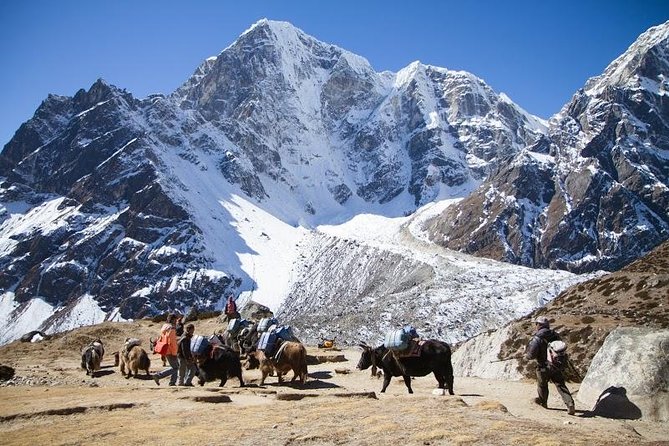
Most Everest Base Camp treks are all about the long, physical descent at the end. Here, you still earn the big moments—Everest Base Camp and Kala Patthar—but then you trade the last hike down for a helicopter ride from Gorakshep to Lukla.
That shift matters more than it sounds. After days at altitude, saving energy is not a luxury; it’s part of how you finish feeling proud instead of wrecked. And because the helicopter gives you an aerial view of Everest and the trek route, you get a different kind of closure—like stepping back and finally seeing how far you went.
Still, keep one reality in your head: helicopter and flight operations depend on conditions. If weather is poor, your operator may offer another date or a full refund, so it’s smart to build flexibility into your travel window.
More trails out of Kathmandu, boots ready
- Everest Base Camp Trek – 14 Days★ 5.0 · 1,499 reviews
- Everest Base Camp Trek★ 5.0 · 842 reviews
- Everest Base Camp Trekking★ 5.0 · 485 reviews
- Nagarkot Sunrise View and Day Hiking from Kathmandu★ 5.0 · 471 reviews
Kathmandu Pre-Trek: Hotel Comfort, Transfers, and a Clear Start
Your tour begins with private vehicle arrival and departure transfers, and it starts at Tribhuvan Airport in Kathmandu at 9:00 am. There’s also mention of pickup, plus a mobile ticket, which is the kind of small detail that reduces day-one confusion.
You’ll stay in a 3-star hotel with breakfast in Kathmandu. That’s a practical upgrade after an international flight, because you can eat normally, get a good shower, and pack down without rushing. Kathmandu can also be a helpful buffer city: you can settle before your domestic flight to Lukla.
The finish in Kathmandu is fun and intentional: a farewell dinner with Nepali cuisine plus traditional dance. After the quiet drama of mountains, it’s a lively reminder that you’re in Nepal, not just passing through.
Domestic Flight to Lukla: Small Plane, Big Start
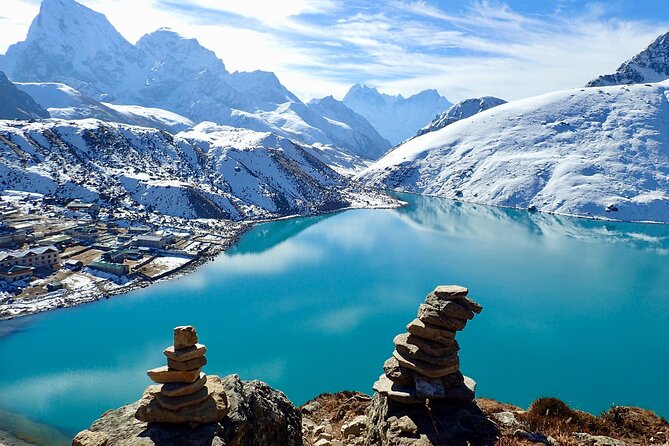
This trek includes domestic flights from Kathmandu/Manthali to Lukla round-trip. That matters because Lukla is the gateway to the entire Everest trekking circuit, and it’s not something you want to wing with last-minute booking.
Be prepared for the feeling of flying into the mountains. Even when everything goes fine, the flight can feel tense in a small plane setting. The good news: you’re not doing this portion alone. Your guide and logistics are part of the package, so the handoff from plane to trail is planned.
Also, remember the altitude game begins before you even start walking. The quicker you get moving, the more your body needs a smooth transition. A good guide will help you stick to a pace that doesn’t spike your breath too early.
The Trail Through Sherpa Villages and the Dudh Koshi
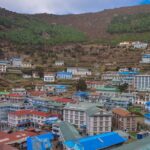
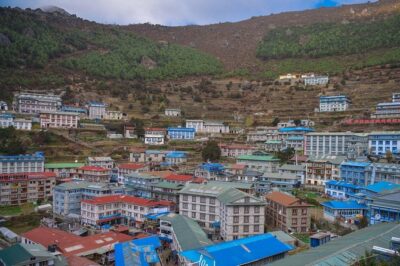
Once you’re on the trek, you’ll pass through Sherpa villages, lush forests, and stretches along the Dudh Koshi River. This part is why Everest treks work as more than a checklist. You’re not just walking toward a single point—you’re moving through living communities and changing terrain as the altitude rises.
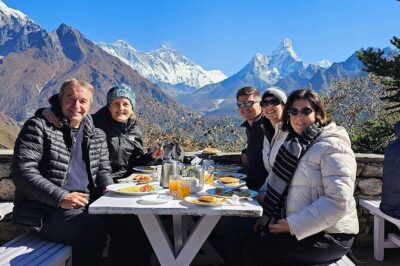
The guesthouses are “standard,” which usually means you’ll have basic comforts and a consistent rhythm each night. In practice, that’s a huge value: you don’t have to manage campground setup, and you get a reliable place to eat, rest, and plan the next day.
One thing I appreciate about this style of trekking is that your days are structured. You can focus on acclimatization and your own rhythm instead of trying to solve route logistics.
Tengboche to Namche Bazaar: Monastery Stops and Breathing Room
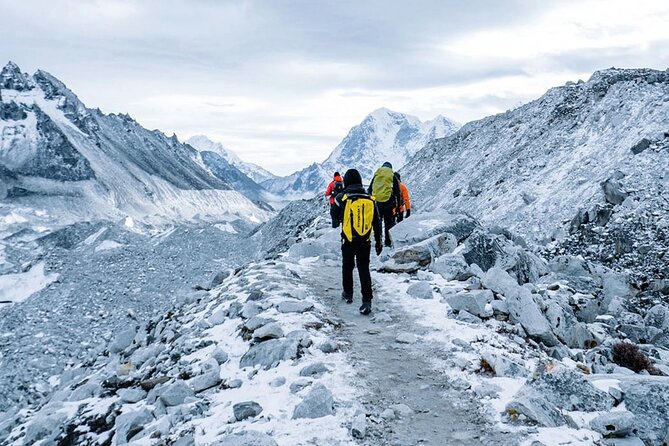
Expect major waypoints that feel both spiritual and scenic. You’ll pause at monasteries in Tengboche, visit Namche Bazaar, and then continue upward.
Tengboche monasteries are a highlight because the trail gives you a break from pure “effort mode.” Even if you’re focused on the route, this kind of stop helps you reset mentally. It also adds cultural depth in a place that would otherwise feel like a series of checkpoints.
Namche Bazaar is another key moment. It’s not just a place to pass through; it’s a reality check. The altitude starts to matter more, and the village feel makes you slow down and adapt. A competent guide helps you do that without turning your schedule into a stress festival.
More of the range from the air
Dingboche Acclimatization: Where Pace Becomes Your Superpower
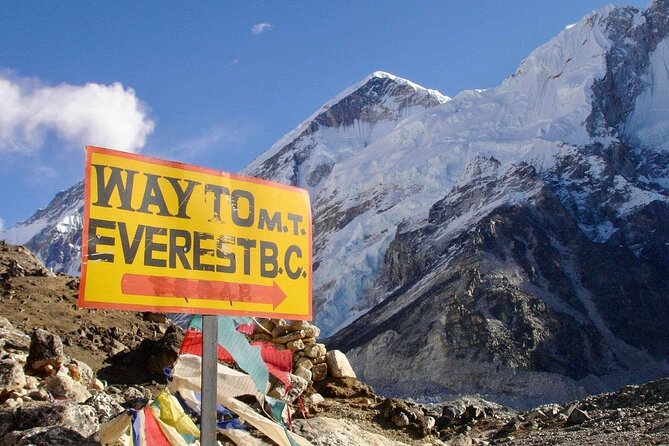
You’ll reach Dingboche for acclimatization before pushing higher. This is where the trek turns into training. At this stage, the goal isn’t speed. It’s staying comfortable enough to keep moving and to recover well.
In the reviews connected with this operator, the guide theme shows up again and again: patience, attention to group condition, and the ability to keep spirits up when the pace gets tough. On an Everest route, that kind of support is not just nice—it can be the difference between having a controlled experience and spiraling into panic or overexertion.
If you’re traveling with mixed fitness levels, this is also where a guide’s ability to adjust pace really matters. The whole trek is physically demanding, but it’s not all-or-nothing. You can do it with a smarter plan for effort.
Everest Base Camp and Kala Patthar Sunrise: The Payoff Moment
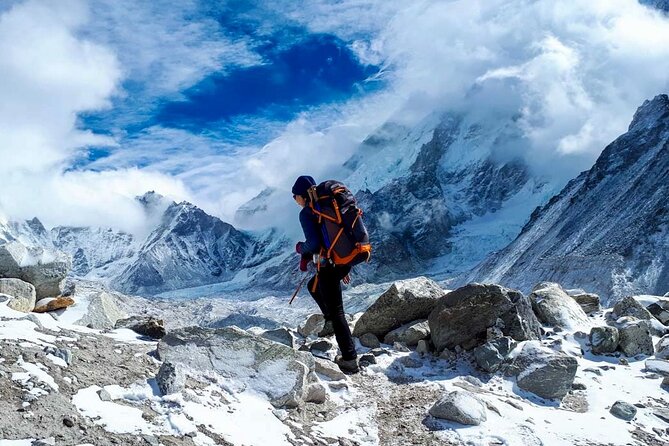
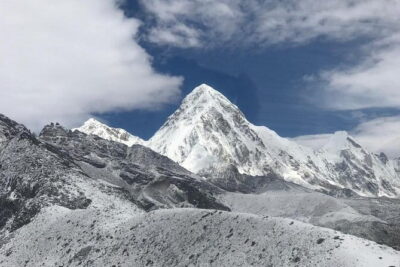
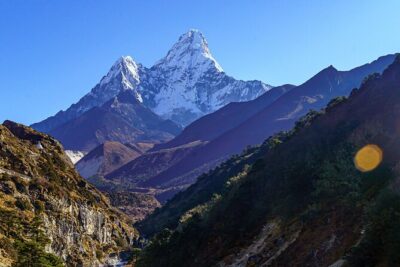
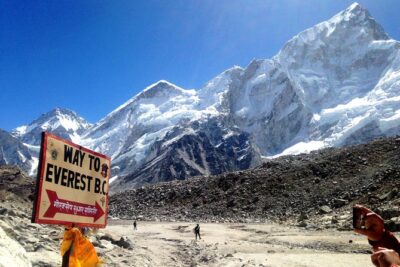
Reaching Everest Base Camp is the emotional peak of the trek. This is the moment you’ve been hiking toward: a close, unforgettable look at the Everest region and the sheer scale of the mountain.
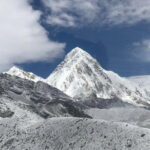
But don’t miss Kala Patthar. The big reason people talk about it is the sunrise angle—your chance for dramatic light over the Himalayas. Sunrise hikes also tend to be cold and early, so you’ll want to rely on your guide’s timing and your own layers plan.
Here’s what I’d tell you to watch for: weather. Your views can swing a lot depending on sky conditions. When the clouds cooperate, you get the “how is this real?” effect. When they don’t, you still earn the day, but the skyline can be less sharp.
Gorakshep to Lukla by Helicopter: Your Trek Gets a Clean Ending
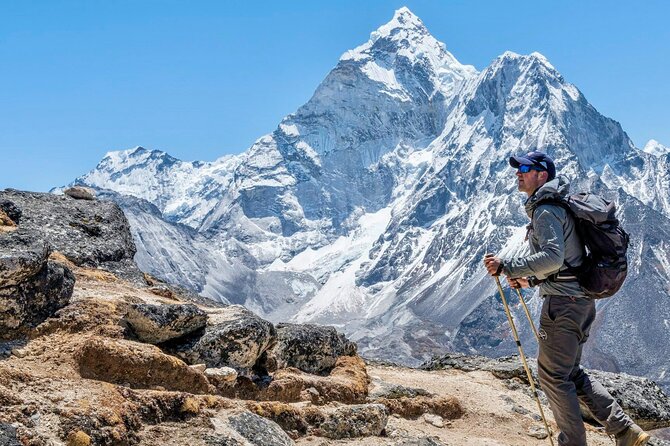
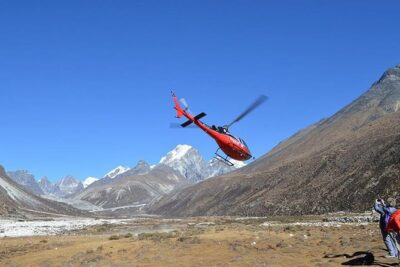
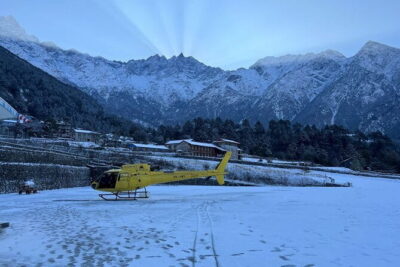
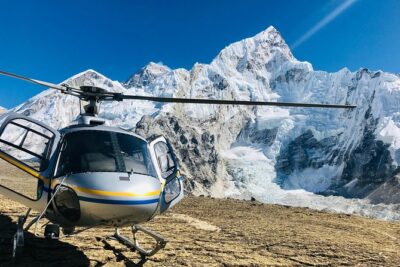
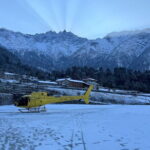
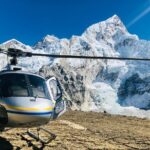
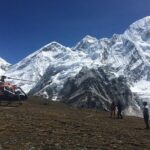
After Kala Patthar and time near Gorakshep, you board the helicopter for the ride back to Lukla. This is where your trip stops feeling like a grind and starts feeling like a victory lap.
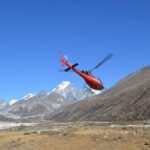
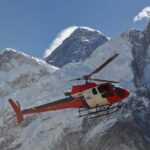
I like the way the helicopter changes your relationship to the route. On foot, you experience it as steps and effort. From the air, you see the big picture: ridgelines, the path you walked, and the terrain you earned.
The same weather reality applies here. If conditions prevent flying, you may need to accept a different plan date. If you’re the type who schedules your life tightly, build in buffer time around this day.
Price and Value: What $799 Really Buys You
This trek costs $799 per person for 10 days. On paper, that number can look “reasonable” for Everest, but the real question is what’s included. Here, a lot of the expensive, hard-to-arrange items are part of the deal.
Included costs you should value highly:
- Domestic flights Kathmandu/Manthali ↔ Lukla round-trip
- Helicopter ride Gorakshep → Lukla
- Permits for Sagarmatha National Park, TIMS, and Pasang Lhamu Entry
- Licensed English-speaking guide
- Standard guesthouse lodging
- Kathmandu hotel: 3-star with breakfast
- Transfers by private vehicle
- Trek gear support: duffel bag, sleeping bag, T-shirt, and map
- Medical kit for first aid
- Farewell dinner with Nepali cuisine and cultural show
- Taxes and official fees
What isn’t included (and can surprise you):
- International flights to/from Kathmandu
- Nepal visa (arrive and get it)
- Meals: no lunch & dinner in Kathmandu, and no meals during the trek
- Insurance (required to cover medical and high-altitude evacuation)
- Personal expenses like snacks, drinks, laundry, and tips
- Porter service (optional; recommendation is one porter for two trekkers)
So is $799 a good value? For many people, yes—because the helicopter plus domestic flights and permits are major cost drivers. Your biggest “extra budget” items to plan for are meals on the trek and the insurance/evacuation coverage.
Comfort vs Challenge: Who This Trek Fits Best
This is a high-altitude trek with a “luxury-style” twist: you stay in guesthouses and you fly out by helicopter. That makes it a good choice if you want the Everest experience without turning the trip into total logistics chaos.
It’s also a great pick if you’re traveling with a group vibe—max 15 travelers—because it offers enough structure without feeling like you’re lost in a crowd. That matters when pace and acclimatization need to be managed carefully.
That said, this is still not easy. You should have moderate physical fitness and you should expect days that push your breath and your endurance. If you’re hoping to stroll without strain, you’ll likely be disappointed.
What to Watch Before You Book (So You Don’t Regret It Later)
If you’re seriously considering this Everest Base Camp trek with helicopter return, here’s what I’d lock down before paying:
1) Confirm what your insurance must cover
Your policy needs medical and high-altitude evacuation coverage. This is not optional “nice to have.”
2) Plan your daily meal budget on the trek
Meals during the trek are not included, so pack money accordingly and keep it simple.
3) Ask how weather changes are handled
The experience requires good weather. Your plan should be flexible enough to handle rescheduling if needed.
4) Decide early if you want a porter
Porter service is optional, with a recommendation of one porter for two trekkers. If you’re carrying more than you want, decide before you reach Lukla.
5) Be realistic about the helicopter timing
You’ll hike to key points, then you fly out. If you’re the kind of person who needs guaranteed timings, you’ll want to understand the weather dependence clearly.
Should You Book This Everest Base Camp Trek with Helicopter Return?
Book it if you want Everest Base Camp and Kala Patthar, but you don’t want the classic “everything is on your legs at the end” feeling. You’ll get a strong mix of mountain effort, Sherpa-culture trail days, and a helicopter finish that feels like a reward.
Skip it (or at least rethink it) if meals not included during the trek will strain your budget, if you don’t have insurance ready, or if you cannot tolerate weather-driven changes. Everest is famous for unpredictability, and the helicopter plan doesn’t change that—it just changes how you leave.
If you want a trip that treats the trail seriously while also respecting your time and energy, this one is a very practical way to do it.
FAQ
Where does the trek start, and what time do I meet?
You meet at Tribhuvan Airport in Kathmandu, Nepal, with a start time of 9:00 am.
How long is the experience?
The duration is 10 days (approx.).
Are flights included, and where do they fly?
Yes. Domestic flights are included for Kathmandu/Manthali to Lukla round-trip. The package also includes a helicopter ride from Gorakshep to Lukla.
Is the helicopter ride included, and when do I take it?
Yes. The helicopter ride is included from Gorakshep to Lukla and is used as your return.
What permits are included for the trek?
Permits included are Sagarmatha National Park, TIMS, and Pasang Lhamu Entry.
What kind of lodging do you get?
In Kathmandu you get a 3-star hotel with breakfast. On the trek you stay in standard guesthouses.
Are meals included?
Meals are not included for lunch and dinner in Kathmandu, and all meals during the trek are also not included.
Do I need travel insurance?
Yes. Insurance is required and must cover medical and high-altitude evacuation.
Is a porter included?
Porter service is not included. It’s optional, and the recommendation is one porter for two trekkers.
What happens if weather prevents the trek or flights?
This experience requires good weather. If it’s canceled due to poor weather, you’ll be offered a different date or a full refund.
More of Nepal from the Air
More Trekking Out of Kathmandu
More Tour Reviews in Kathmandu
Just Reviewed in Kathmandu
- Mountain Bike Tour
★ 5.0 · 3 reviews - Annapurna Panaroma
★ 5.0 · 3 reviews - Mount Everest Scenic Flight 50 Minutes
★ 5.0 · 3 reviews - Kathmandu : Swambhunath & Durbar Square Guided Half Day Tour
★ 3.3 · 3 reviews - Chandragiri Cable Car & Monkey Temple Tour – Private/Group
★ 5.0 · 3 reviews - Kathmandu: Shivapuri National Park Hiking Day Trip
★ 3.3 · 3 reviews
Everest Base Camp Treks, compared.
 ★ 5.0Everest Base Camp Trek – 14 DaysFrom $1,8001,499 reviews
 ★ 5.0Everest Base Camp TrekFrom $1,790842 reviews
 ★ 5.0Everest Base Camp TrekkingFrom $1,350485 reviews
 ★ 5.0Everest Base Camp Trekking – 13 DayFrom $1,399365 reviews
★ 5.0Everest Base Camp TrekFrom $1,445350 reviews
★ 5.0Everest Base Camp Trek -14 DaysFrom $1,420321 reviews
★ 5.0Everest Base Camp Trekking – 13 DayFrom $1,399365 reviews
★ 5.0Everest Base Camp TrekFrom $1,445350 reviews
★ 5.0Everest Base Camp Trek -14 DaysFrom $1,420321 reviews
 ★ 5.012 Days Everest Base Camp TrekFrom $1,099289 reviews
 ★ 5.0Everest Base Camp Trekking – 2025/2026From $1,339199 reviews
Browse the lists this tour appears in