
Review · GOKYO LAKES & EVEREST HIGH PASSES
Everest Chola Pass Trek-17 Days
That first day of flying feels like a movie. This Everest Chola Pass trek strings together Gokyo Ri plus the Chola Pass crossing, then finishes with the big-Everest payoff at Everest Base Camp and Kala Patthar.
I love how this route mixes classic Everest sights with quieter detours like Gokyo Valley and the trek into the Khumbu Glacier area. I also like the practical support: airport pickup, Kathmandu hotel, lodge stays on twin sharing, and a guide/porter setup (one porter for two clients), plus meals during the trek.
One thing to consider: this is not a casual stroll. You’re walking at high altitude for many days, with a serious pass day, and bad weather can delay flights—so you should be comfortable with rugged conditions and flexible timing.
In This Review
- Key highlights you’ll feel on the trail
- Why Chola Pass plus Gokyo feels like the smarter Everest plan
- Price and value: what $2,100 really covers (and what you must plan for)
- Day-by-day: from Tribhuvan Airport to Lukla and into Namche
- Namche to Gokyo Valley: Dhole, Machherma, Gokyo Lake, and the mountain mirror
- Thagnag to Chola Pass to Dzongla: the hardest day in the middle
- Everest Base Camp from Lobuche/Gorakshep: when the dream becomes a place
- The long walk back: Pangboche to Namche to Lukla
- Support that makes or breaks a tough trek: guides, porters, paperwork
- Fitness, altitude, and the pacing habits that keep you comfortable
- Should you book the Everest Chola Pass Trek-17 Days?
- FAQ
- Where does this trek start and end?
- Are airport transfers included in Kathmandu?
- What flights are included?
- What meals are included during the trek?
- Is there a vegetarian option?
- How do cancellations work for a full refund?
Key highlights you’ll feel on the trail
- Chola Pass crossing at 5,368m, with nonstop big-mountain views once you’re there
- Gokyo Ri at 5,360m for broad views over Everest, Cho Oyu, Makalu, and more
- Everest Base Camp visit from Gorakshep plus the classic “we’re really here” feeling
- Kala Patthar for close-up perspectives that often beat what you see earlier in the trek
- Support that actually matters: guide help, porter ratio (1:2), permits/fees included, rescue arrangements, first-aid kit
More trails out of Kathmandu, boots ready
- Everest Base Camp Trek – 14 Days★ 5.0 · 1,499 reviews
- Everest Base Camp Trek★ 5.0 · 842 reviews
- Everest Base Camp Trekking★ 5.0 · 485 reviews
- Nagarkot Sunrise View and Day Hiking from Kathmandu★ 5.0 · 471 reviews
Why Chola Pass plus Gokyo feels like the smarter Everest plan
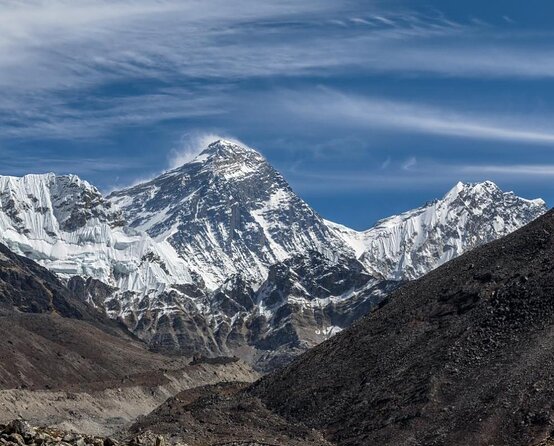
Most Everest treks funnel you through the same rhythm: Lukla, Namche, Everest Base Camp, back down. This route keeps the Everest goal but changes the approach in a way you’ll feel immediately—you spend time in Gokyo Valley and climb to Gokyo Ri before the pass day. That means you’re not just stacking altitude with crowds in one corridor. You’re seeing a different side of the Khumbu’s glacial world.
The Chola Pass part is the reason this trek gets talked about. At 5,368m, it’s a long day with cold air and thinner breathing, but it also gives you the kind of viewpoints that stay with you for years. And after that, you still land on the classic Everest Base Camp experience and finish with Kala Patthar, which is the moment you came for if you love dramatic mountain angles.
If you want big views but also want the route to feel like more than a checklist, this itinerary makes a lot of sense.
Price and value: what $2,100 really covers (and what you must plan for)
At $2,100 per person, you’re paying for a lot of moving parts that would be a pain to assemble yourself. The package includes:
- Kathmandu to Lukla flights and return (with the possibility of Kathmandu/Ramachap routing on the flight legs)
- Two nights in a 3* hotel in Kathmandu with breakfast
- Meals during trekking (lunch/dinner/breakfast across the trek days as listed)
- TIMS permit and Khumbu Valley fees
- Lodge/tea house accommodations on twin sharing during the trek
- Guide and porter (one porter for two clients)
- Duffle bag (returned after trek) and a company T-shirt
- Travel and rescue arrangements and a first-aid kit
What’s not included matters too:
- Nepal visa fee (you arrange it in Kathmandu)
- International airfare
- Travel/rescue insurance
- Extra Kathmandu nights if your schedule changes for any reason
- Any additional costs if you’re stuck in the mountains due to bad weather delay
- Personal spending (phone, laundry, hot showers, bottled/boiled water if you choose, battery charging)
- Tips for guide and porter
For value, the key question is simple: do you want someone else to handle permits, flights, daily logistics, lodge booking, and staffing? If yes, this price is easier to justify. If you’re trying to do this trek as a DIY project, the admin burden and altitude risk planning can wipe out the savings fast.
Also, since this is a private tour/activity, the guide time is focused on your group only, not mixed with random strangers. That can make a big difference on a trek this demanding.
Day-by-day: from Tribhuvan Airport to Lukla and into Namche
Day 1: Kathmandu arrival and hotel reset.
You land at Tribhuvan International Airport, meet a representative, and get transferred by private vehicle to your hotel. The evening is for meeting your trek members and getting your bearings. This is a good start because it buys you time to sort gear and paperwork before you jump into the flight and trekking rhythm.
Day 2: Kathmandu to Lukla, then a gentle start to Phakding.
You take a short scenic flight (under 40 minutes) and then walk about 3–4 hours to Phakding. The trail follows the natural corridors that hug the valley—mountain scenery, forests, and river views. It’s long enough to wake up your legs, but not so long that you’re cooked before your altitude build.
Day 3: Phakding to Namche via Monjo and Sagarmatha National Park.
This day runs alongside the Dudh Koshi River and passes through forests of pine, oak, and rhododendron. You reach Monjo, the entrance area to Sagarmatha National Park. Expect a sense of the place shifting here: less casual hiking, more “you’re inside the protected Everest world.”
Day 4: Acclimatization in Namche, plus the Hotel Everest View hike.
This is where the trek shows good judgment. You don’t rush higher immediately. You acclimatize, then go for a hike to Hotel Everest View for panoramic Khumbu views, using the climb to help your body adapt. You also get time to walk the local community and see everyday Sherpa life.
What I like about an acclimatization day like this: it gives you a breathing buffer and reduces the odds of you spending the rest of the trek “behind” your altitude.
Namche to Gokyo Valley: Dhole, Machherma, Gokyo Lake, and the mountain mirror
Day 5: Namche to Dhole.
You follow the main trail for a trek day and reach Dhole. The text suggests giant mountains feel close here. The practical value is that Dhole acts like a stepping stone before the higher Gokyo push.
Day 6: Dhole to Machherma, ascending into higher terrain.
This day climbs up toward around 4,470m. You’ll see mountain scenes and glaciated areas, and you sleep in Machherma. The plus: you’re building altitude gradually. The possible drawback: colder nights can make you feel stiff, so plan for an early bedtime and keep your core warm.
Day 7: Machherma to Gokyo Lake (about 4,470m).
You trek to the lake along a rocky ascent. When you reach Gokyo Lake, the payoff is clear: crystal-clear water and mountain reflections that can stop you mid-step. This kind of view makes the hard walking feel worth it.
Day 8: Full day at Gokyo Ri (5,360m) and surrounding areas.
This is your big “wow” day before the pass. You climb to Gokyo Ri for wide views that include Mt. Everest, Makalu, Cho Oyu, and many other peaks. Then you spend the night around Gokyo lakeside.
This matters for one reason: doing this before Chola helps you mentally, not just physically. You’re seeing the mountain drama early, not only after the pass day.




Thagnag to Chola Pass to Dzongla: the hardest day in the middle
Day 9: Gokyo Valley to Thagnag.
You move toward Thagnag across snowfields and strong mountain views. The description hints at some challenges. In practice, these days tend to be where footing and cold get real—so take your time, keep your steps short, and don’t chase speed.
Day 10: Thagnag through the climb over Chola Pass (5,368m), down to Dzongla.
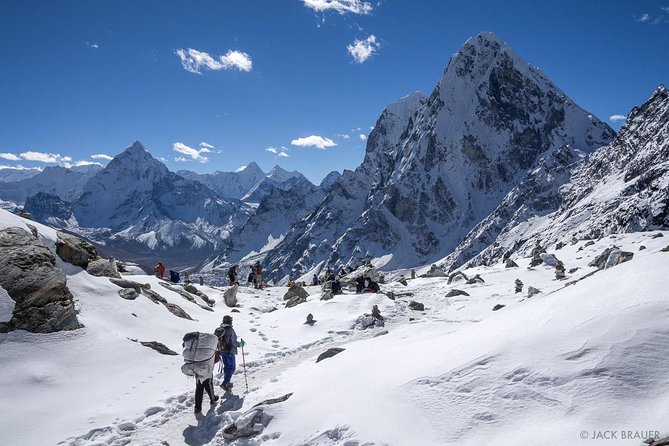
This is the heart of the trek. You climb to Chola Pass, then descend to Dzongla. The pass day is known for big viewing from the top, including Everest, Ama Dablam, Cho Oyu, Lhotse, Nuptse, Makalu, and several other named peaks. Even if weather clouds roll in, you still usually get some window to see the terrain shape.
A practical warning: high passes can feel like a double tax—cold lungs plus cold hands. You’ll want gloves you trust, layers you can adjust quickly, and the habit of sipping water even when you don’t feel thirsty.
Day 11: Dzongla to Khumbu Glacier area (Lobuche) via a tough cold stretch.
You continue climbing from Dzongla and trek to the Khumbu Glacier area. The view descriptions call out Tawache and Cholaste, and you’ll feel the altitude more strongly with extreme cold in Lobuche. This day isn’t just scenic; it’s your body preparing for Everest Base Camp territory.
Everest Base Camp from Lobuche/Gorakshep: when the dream becomes a place
Day 12: to Gorakshep, then Everest Base Camp, then back to Gorakshep.
You trek from Lobuche to Gorakshep, then visit Everest Base Camp. This is described as the mountaineers’ summiting point—the real foothill of the world’s highest mountain. You then return to Gorakshep for overnight.
I’ll be honest: “Everest Base Camp” sounds like a generic phrase until you’re there with the scale around you. The ground feels different underfoot, the air feels sharper, and you start understanding why people return year after year.
Possible drawback: by this stage, tiredness is normal. If you’ve been pacing well earlier, you’ll handle it better. If you rushed acclimatization, you might pay for it here.
Day 13: Gorakshep/Kala Patthar day, then down to Pangboche.
You go to Kalapatthar for gigantic views of mountains and glaciers, plus close-up perspectives of Mt. Everest, Ama Dablam, and Pumori. Then you continue trekking to a small settlement of Pangboche and spend time in the village.
This day is the “camera moment” for many people because Kala Patthar often gives sharper sightlines than you expect from lower elevations. If you’ve got fog or clouds, it can be a patience game—so bring your best layers and keep your attitude flexible.
The long walk back: Pangboche to Namche to Lukla
Day 14: Pangboche to Namche Bazaar.
You trek back to Namche Bazaar. There’s a note about the distance of the mountains making you feel like they’re watching you all the time. You also get Wi‑Fi available in Namche now, so it’s a good moment to check in with loved ones and share a few photos while your legs still feel steady.
Day 15: Namche to Lukla, sandy path and the final push.
The trail is described as sandy and strenuous. You reach Lukla Bazaar, where you can shop local items. The day also includes a sense of celebration with special drinks, and evening time to explore the surrounding area before overnight in Lukla.
This is one of those days where you should stop thinking about distance and just manage the effort. Your goal is to get down safely, not to set a personal record.
Day 16: Lukla flight to Kathmandu and farewell dinner.
You fly to Kathmandu in the morning and are transferred to the hotel. The day includes leisure time, shopping, and a farewell dinner at an authentic Nepalese restaurant with cultural performance. After 17 days of mountain living, this dinner feels like a reset button.
One thing to keep in mind: flights can depend on conditions. Build in patience and don’t plan anything critical right after landing.
Day 17: final airport transfer back to the meeting point.
A representative takes you to the airport about 3 hours before your scheduled flight, so you’re not stressed at the end. Then you fly home with plenty of time to plan your next trip in Nepal.
Support that makes or breaks a tough trek: guides, porters, paperwork
Here’s what I think is quietly strong about this company model, based on what’s shared in the experiences: you’re not just buying trail days. You’re buying the smooth stuff around the trail—paperwork, punctual airport pickups, and guidance that keeps you moving safely.
In reviews tied to this trekking provider, a guide named Ang Pemba gets high praise for being nice and helpful. Another review mentions the founder Bhagwat Simkhada being involved since early visits, with support that covers paperwork and even everyday “how does this work” questions. The theme is consistent: the people running the show tend to stay on top of details.
And you’ll feel that on the ground through:
- An experienced, helpful and friendly guide
- A porter system (one porter for two clients) so your load is manageable
- Travel and rescue arrangements and a first-aid kit
- Included permits/fees so you’re not hunting admin at altitude
Is it perfect? No company can control weather. But having support that shows up for pickup and handles the big logistics tends to reduce the stress you don’t need while your body is working hard.
Fitness, altitude, and the pacing habits that keep you comfortable
This trek requires a strong physical fitness level, and the route spends time at high elevations, including passes around 5,360m to 5,368m, plus Everest Base Camp territory via Gorakshep.
A few practical habits you’ll thank yourself for:
- Move steadily, not quickly. On pass days, slow steps save lungs.
- Dress in layers. Nights get cold, and daytime sun can still hit hard.
- Drink and eat even when you don’t feel like it. Cold and thin air reduce your appetite, but your body still needs fuel.
- Sleep early when possible. It’s not glamorous, but it works.
Also remember: accommodation is in lodges/tea houses on twin sharing during trekking. That’s part of the charm, but it also means comfort levels can vary more than a hotel. Plan for simple rooms and focus on warmth and sleep.
Should you book the Everest Chola Pass Trek-17 Days?
Book it if you want:
- A route that combines Everest goals with Gokyo lakes and Gokyo Ri
- The big challenge of Chola Pass plus the classic Everest Base Camp and Kala Patthar payoff
- A guided setup with permits/fees included, plus the kind of logistics help that keeps you from thinking about admin every day
Skip it (or consider a different route) if:
- You’re not comfortable with long high-altitude days and cold nights
- You’re only looking for an easier, lower-stress trek
- You hate the idea of weather delays affecting flight timing
For the right kind of person—someone who loves scenery, can handle hard walking, and wants the Everest region to feel varied—this trek is a strong value. You’re not just ticking Everest off a list. You’re doing it in a way that gives you real mountain perspective from multiple angles.
FAQ
Where does this trek start and end?
The activity starts at Tribhuvan Airport in Kathmandu, Nepal, with the start time listed as 6:00 am. It ends back at the meeting point.
Are airport transfers included in Kathmandu?
Yes. The package includes pickup from the airport and transfer to your Kathmandu hotel by private vehicle, and you also get a transfer to the airport at the end.
What flights are included?
You get flight service between Kathmandu and Lukla, and also Kathmandu or Ramachap routing to/from Lukla as listed. The trek includes the morning flight back to Kathmandu on the final trekking day.
What meals are included during the trek?
Lunch, dinner, and breakfast are included during the trek days as listed in the inclusions. Meals in Kathmandu are not included.
Is there a vegetarian option?
Yes. Vegetarian option is available, and you should advise the team at booking.
How do cancellations work for a full refund?
You can cancel up to 24 hours in advance of the experience for a full refund. If you cancel less than 24 hours before the start time, the amount you paid will not be refunded.
More Trekking Out of Kathmandu






More Tour Reviews in Kathmandu




Just Reviewed in Kathmandu
- Mountain Bike Tour
★ 5.0 · 3 reviews - Annapurna Panaroma
★ 5.0 · 3 reviews - Mount Everest Scenic Flight 50 Minutes
★ 5.0 · 3 reviews - Kathmandu : Swambhunath & Durbar Square Guided Half Day Tour
★ 3.3 · 3 reviews - Chandragiri Cable Car & Monkey Temple Tour – Private/Group
★ 5.0 · 3 reviews - Kathmandu: Shivapuri National Park Hiking Day Trip
★ 3.3 · 3 reviews
Gokyo Lakes & Everest High Passes, compared.
 ★ 5.0Gokyo to Everest Base Camp TrekFrom $2,200113 reviews
 ★ 5.0Everest Base Camp – Cho La Pass – Gokyo TrekFrom $1,39465 reviews
 ★ 5.012 Days Everest Base Camp Kala Patthar TrekFrom $1,79961 reviews
 ★ 5.0Guaranteed Landing at Everest Base Camp Kalapathar by HelicopterFrom $3,50038 reviews
 ★ 5.0Everest Gokyo Valley Trek – 12 daysFrom $1,39927 reviews
 ★ 4.214-Day Everest Base Camp with Kala Patthar TrekFrom $1,29621 reviews
 ★ 5.0Landing Private Helicopter at Everest base camp & Gokyo for photoFrom $4,39920 reviews
 ★ 5.0Gokyo Valley TrekFrom $1,51419 reviews
Browse the lists this tour appears in