
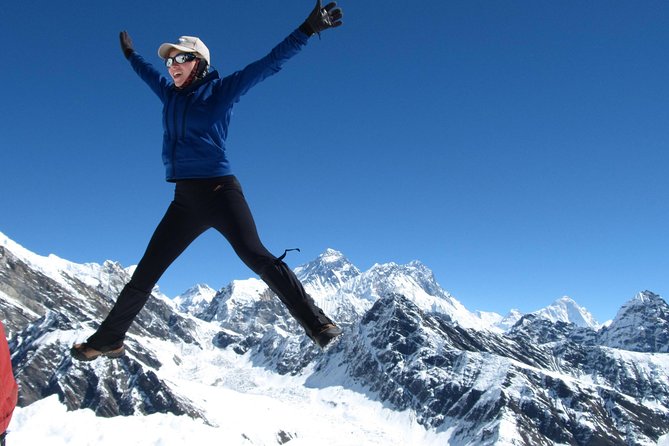
Review · GOKYO LAKES & EVEREST HIGH PASSES
Everest Three (High) Passes Trekking
Three passes, serious altitude, big Everest payoff. This trek is built for people who want the Everest region, but with real hiking days and high-pass crossing instead of a quick sight-seeing loop. I love the high-pass adventure and the way the route threads through Sherpa villages for culture as well as views. The only catch is that you’re signing up for altitude and long days, so you need strong fitness and patience with slower pacing.
You’ll start at Tribhuvan International Airport at 6:15 am, and the trip is private, with pickup offered to help you get moving without stress. The operator behind Three Jewels Adventures also emphasizes safe, satisfying treks and a long local guiding background, which matters a lot when you’re planning a challenging route in big-mountain weather.
In This Review
- Key Highlights You’ll Feel From Day One
- What Makes Everest Three High Passes Different From a Typical Everest Trek
- Starting in Kathmandu: 6:15 am, Tribhuvan Airport, and a Plan That Gets You Moving
- The Short Flight That Changes Everything
- Sherpa Culture in the Khumbu: More Than Scenic Stops
- Gokyo Ri and Renjo La Pass: The Big Feeling Moments
- Crossing High Passes Without Technical Climbing: What That Really Means
- Pacing, Training, and Altitude Reality (So You Don’t Pay for It Later)
- The Guide Team: Names You Might Meet and Why Their Style Matters
- Value and Price: Is $2,500 per Person Fair?
- Weather, Safety, and When the Mountains Call the Shots
- Who Should Book This Trek (and Who Should Think Twice)
- FAQ
- What is the duration of the Everest Three (High) Passes Trekking?
- Where does the trek start?
- What time does the trek begin?
- Is pickup offered?
- Is this a private tour?
- Do I need technical climbing skills?
- What kind of physical fitness level do I need?
- How much does it cost?
- What happens if the trek is canceled due to poor weather?
Key Highlights You’ll Feel From Day One
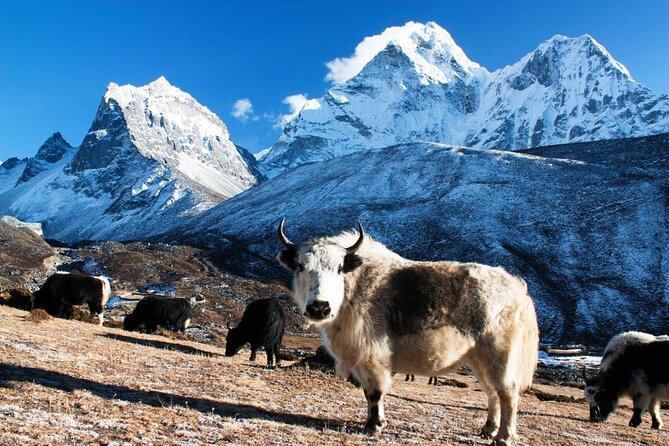
- Three high passes on foot, with no technical climbing skills required
- Mt. Everest views plus big Khumbu Himalayan scenery
- Stops tied to Sherpa culture, not just photo stops
- Route includes Gokyo Ri and a Renjo La Pass segment as major moments
- A guide team that adjusts the hike based on conditions, so you’re not forced into a one-size plan
More trails out of Kathmandu, boots ready
- Everest Base Camp Trek – 14 Days★ 5.0 · 1,499 reviews
- Everest Base Camp Trek★ 5.0 · 842 reviews
- Everest Base Camp Trekking★ 5.0 · 485 reviews
- Nagarkot Sunrise View and Day Hiking from Kathmandu★ 5.0 · 471 reviews
What Makes Everest Three High Passes Different From a Typical Everest Trek
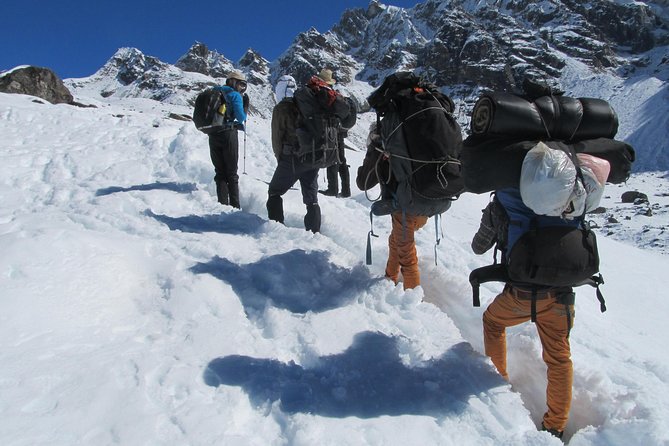
If your goal is to see Mt. Everest, this trek goes past the basic “reach a viewpoint and head back” formula. It’s designed to feel adventurous, with multiple days of hiking and then the main event: crossing high passes.
That matters because the Everest region isn’t just about one peak in the distance. It’s about the rhythm of moving through changing altitude, weather, and terrain. You’ll get that slow, real sense of being in the Khumbu—more walking, more time outdoors, more chances for those quiet moments where the mountains look almost unreal.
I also like the emphasis on being adventurous without being technical. The tour description is clear: you don’t need technical climbing knowledge. In other words, you can focus on stamina, footing, and decision-making in cold thin air, not on rope work or scrambling skills.
Starting in Kathmandu: 6:15 am, Tribhuvan Airport, and a Plan That Gets You Moving
The tour starts at Tribhuvan International Airport (Ring Rd, Kathmandu), and the start time is 6:15 am. For many people, that early timing is the first real “Nepal logistics” reality check: you’ll want a good night’s sleep, and you’ll want your gear ready before you go to bed.
Because pickup is offered and the tour is private, you’re not trying to coordinate a group of strangers while half-awake. You also get a mobile ticket, which is the kind of small convenience that helps in places where plans can change quickly.
This is the day where I’d advise you to keep things simple: eat a normal breakfast if your body is used to it, double-check your trekking clothes, and make sure you know where your passport and cash are. On a high-altitude trek, you don’t want to waste energy hunting for essentials.
The Short Flight That Changes Everything
One of the big items in the plan is a short flight, followed by days of hiking and trekking. Even if you’ve been hiking for years, a flight in the Everest region is a shift: you jump from city life to mountain conditions fast.
What you should take from this: your body won’t ease in gradually the way it would on a long drive. That’s why the rest of the trek has to be paced for altitude. Your guide team’s job is to manage that pacing so you can keep moving without burning yourself out.
Practical tip: pack layers for fast temperature swings. Mountain air can feel surprisingly sharp even when the day starts mild. And after a flight day, it’s easy to overestimate energy—then you’re stuck feeling behind the next morning.
Sherpa Culture in the Khumbu: More Than Scenic Stops
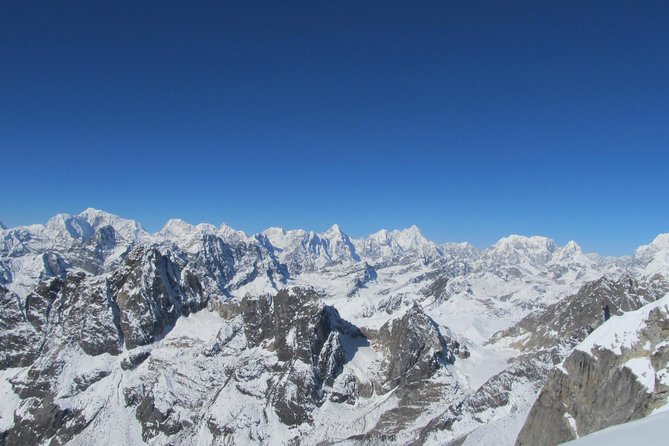
This trek promises more than Everest views. It’s built to include the cultural experience of ethnic Sherpa people and the wider Khumbu Himalayan region.
In practical terms, that usually means your route passes through villages where you’ll see everyday life tied to mountaineering culture—local hospitality, different styles of trekking support, and the kind of community context that makes the mountains feel close to people, not just geography.
I like that this is part of the “why,” not a side note. When the trek crosses big passes, your brain is working hard. Culture stops can be the kind of reset you need: warm tea, a conversation, a chance to slow down and remember you’re moving through a living region.




Gokyo Ri and Renjo La Pass: The Big Feeling Moments
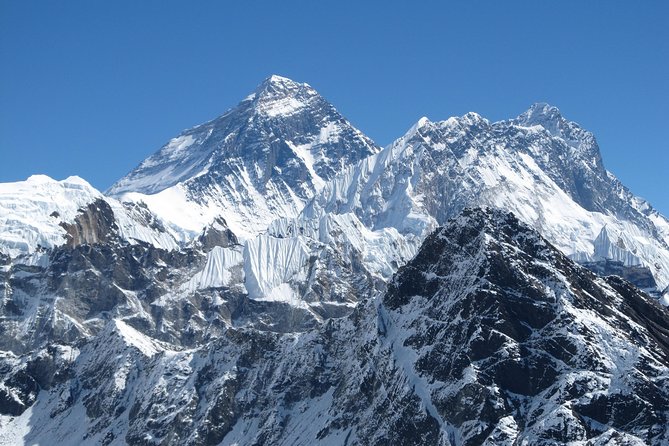
Two names stand out from the experience descriptions people shared: Gokyo Ri and Renjo La Pass. Those aren’t random add-ons. They’re the kinds of high-effort moments that turn a trek into a memory.
Gokyo Ri is often a major viewpoint day, and the reason it’s so meaningful is simple: when you reach that height and the weather cooperates, the payoff can be jaw-dropping. Even if you’re not chasing “the perfect shot,” you’ll still feel the scale of the Himalaya.
Then there’s Renjo La Pass, which brings the “high passes” theme into focus. Think of it as a day where you work for the views and you earn your breath in cold air. It’s not technical climbing, but it is still hard: you’ll be managing your pace, managing your footing, and managing your mood when the air gets thin.
If you’re the kind of hiker who gets nervous about steep terrain, this is where trust in your guide matters. A good guide doesn’t just push you forward; they help you move in a way that keeps you safe and still gets you where you need to be.
Crossing High Passes Without Technical Climbing: What That Really Means
The trek description is clear that you don’t need technical climbing knowledge. That’s good news, because “high passes” can sound like scary rope-and-crampon territory.
But high-altitude passes are still serious. You’ll likely deal with a mix of steep sections, uneven ground, and weather changes that can turn a normal day into a cold slow slog. “Non-technical” just means you shouldn’t need rock-climbing skills. It doesn’t mean the trail is easy.
What you should prepare for:
- Cold conditions and wind exposure on exposed ridgelines
- Slower movement because of altitude, not just because you’re tired
- Careful footwork on loose or uneven sections
- A weather-dependent feel to the schedule, since the region requires good conditions
If you keep those realities in mind, the trek feels like a clear challenge instead of a mystery. And if you follow your guide’s pacing, high passes become one of those “I can’t believe I did it” days instead of a stressful grind.
Pacing, Training, and Altitude Reality (So You Don’t Pay for It Later)
A serious trek with extended time at high altitude is part of the deal here. People have described altitude hitting hard even when they trained hard. That tells me this trek rewards smart effort, not just athletic effort.
So what should you do before you go?
- Train your cardio so you can keep a steady pace for long days
- Practice walking with a loaded daypack, so your body isn’t guessing on Day 3
- Focus on leg endurance and breathing control, because altitude changes the equation
- Expect that some days will feel slower than your brain wants
On a trek like this, “pace” is safety. When you go too fast, altitude punishes you. When you go too slow, you risk fatigue and cold. A good local guide team helps you find the sweet spot.
Also, pack smart. The trek is physically demanding, so every extra pound you carry becomes part of your high-pass equation.
The Guide Team: Names You Might Meet and Why Their Style Matters
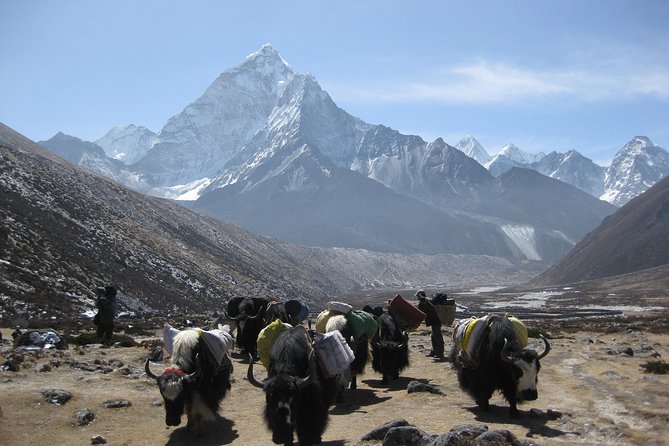
Three Jewels Adventures works with a professional local Nepali guide staff. That’s not a vague promise when you look at the names that come up: Amber, Lok, Suman, and Sashi.
Here’s why those names matter to you as a traveler: a trek this challenging is about people skills as much as route knowledge. You want a guide who can keep morale steady, who understands how to adjust the plan when conditions shift, and who can support you through tough stretches.
Some trekkers also noted that their guide was flexible and helped adjust the hike based on circumstances. That flexibility is crucial in the Everest region. Weather and trail conditions can change the math of altitude and comfort fast.
If you’re choosing this trek, look for a guide mindset like this: practical, calm, and focused on getting you to the right place safely—without turning every day into a fight.
Value and Price: Is $2,500 per Person Fair?
Let’s talk money with eyes open. The price is $2,500.00 per person for the trek (about 17 days).
That’s not cheap, but on a high-altitude trek in the Everest region, you’re paying for more than a walking route. You’re paying for:
- Professional local guiding through complex terrain and altitude
- A private group setup, which often means more attention and better pacing control
- Support around the start-to-finish flow from Kathmandu and back
- The planning work behind getting you safely through challenging days and passes
When you compare this to cheaper multi-day trips, the difference usually comes down to guide quality, safety support, and how much flexibility you have when conditions change. With high passes, those factors aren’t “nice to have.” They affect your actual experience.
So I’d call it good value if you want a serious trek with strong human support—especially if you’d rather pay for quality than gamble on a lighter setup.
Weather, Safety, and When the Mountains Call the Shots
This experience requires good weather. That’s important because high passes are not the place to “tough it out” blindly.
The operator notes that if the trek is canceled due to poor weather, you’ll be offered a different date or a full refund. I appreciate how this frames weather as a real decision factor rather than a problem you have to fight.
What you should do on your end:
- Be mentally ready for schedule changes
- Pack for cold and wind even if forecasts seem friendly
- Keep your hydration and nutrition steady, because cold can mess with appetite
- Don’t try to out-stubborn the trail on pass days
In mountain trekking, weather isn’t just about comfort. It’s about visibility, footing, and safety. Treat that seriously and you’ll enjoy the trek more.
Who Should Book This Trek (and Who Should Think Twice)
Book this if you want an Everest-region trek that feels adventurous and includes high passes without requiring technical climbing skills. If you like long days outside, you value Sherpa culture along the way, and you’re excited by viewpoint moments like Gokyo Ri, this fits your style.
This is also a good choice if you want strong guide support and flexibility. A guide who can adjust the hike based on circumstances can make the difference between a rough trip and a memorable one.
Think twice if:
- You have trouble with altitude or can’t commit to fitness training before you go
- You want a relaxed pace with minimal physical strain
- You dislike cold exposure and early mornings
A trek like this is not about checking a box. It’s about earning the views through effort and smart pacing.
FAQ
What is the duration of the Everest Three (High) Passes Trekking?
The trek lasts about 17 days (approx.).
Where does the trek start?
It starts at Tribhuvan International Airport, Ring Rd, Kathmandu, Nepal.
What time does the trek begin?
The start time is 6:15 am.
Is pickup offered?
Yes, pickup is offered.
Is this a private tour?
Yes. It’s a private tour/activity, and only your group will participate.
Do I need technical climbing skills?
No. The trek is described as not requiring technical climbing knowledge.
What kind of physical fitness level do I need?
You should have a strong physical fitness level.
How much does it cost?
The price is $2,500.00 per person.
What happens if the trek is canceled due to poor weather?
If it’s canceled due to poor weather, you’ll be offered a different date or a full refund.
More Trekking Out of Kathmandu






More Tour Reviews in Kathmandu




Just Reviewed in Kathmandu
- Mountain Bike Tour
★ 5.0 · 3 reviews - Annapurna Panaroma
★ 5.0 · 3 reviews - Mount Everest Scenic Flight 50 Minutes
★ 5.0 · 3 reviews - Kathmandu : Swambhunath & Durbar Square Guided Half Day Tour
★ 3.3 · 3 reviews - Chandragiri Cable Car & Monkey Temple Tour – Private/Group
★ 5.0 · 3 reviews - Kathmandu: Shivapuri National Park Hiking Day Trip
★ 3.3 · 3 reviews
Gokyo Lakes & Everest High Passes, compared.
 ★ 5.0Gokyo to Everest Base Camp TrekFrom $2,200113 reviews
 ★ 5.0Everest Base Camp – Cho La Pass – Gokyo TrekFrom $1,39465 reviews
 ★ 5.012 Days Everest Base Camp Kala Patthar TrekFrom $1,79961 reviews
 ★ 5.0Guaranteed Landing at Everest Base Camp Kalapathar by HelicopterFrom $3,50038 reviews
 ★ 5.0Everest Gokyo Valley Trek – 12 daysFrom $1,39927 reviews
 ★ 4.214-Day Everest Base Camp with Kala Patthar TrekFrom $1,29621 reviews
 ★ 5.0Landing Private Helicopter at Everest base camp & Gokyo for photoFrom $4,39920 reviews
 ★ 5.0Gokyo Valley TrekFrom $1,51419 reviews
Browse the lists this tour appears in