
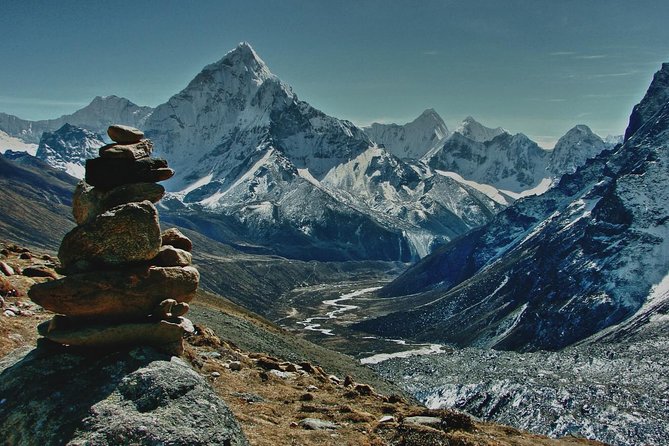
Review · GOKYO LAKES & EVEREST HIGH PASSES
Everest Three Pass Trek
Three high passes demand respect. This Everest Three Pass Trek is interesting because it routes you over Khongma La (5555 m) and Cho La (5330 m) plus Renjo La (5345 m) in the Khumbu region over about 17 days. I like that you’re not doing it solo: you travel with a licensed, English-speaking guide and get full-board meals with twin-share lodge stays.
Big warning: this is not a casual walk. You’ll want strong fitness for snow-covered passes above 5,000 m, and you must arrange your own travel and rescue insurance since it isn’t included.
In This Review
- Key highlights that matter in real life
- Everest Three Pass Trek: why these passes change the game
- Kathmandu start: flights, hotel nights, and getting set up right
- Lodge trekking with full-board meals: comfort you can actually use
- The three passes: what each one asks of your body and your mindset
- Khongma La (5555 m): the highest test in the set
- Cho La (5330 m): a snowy crossing you earn slowly
- Renjo La (5345 m): the finishing pass that still demands respect
- Guides and language support: more than just translation
- What’s included vs what costs extra: do the value math
- Gear and altitude readiness: what to plan for before you go
- How the private format affects your experience
- Price, privacy, and real-world risk: a balanced look
- Should you book the Everest Three Pass Trek?
- FAQ
- How long is the Everest Three Pass Trek?
- Which passes are included in the Everest Three Pass Trek?
- What’s included in the tour price?
- What’s not included?
- Is airport pickup included in Kathmandu?
- What is the cancellation window for a full refund?
Key highlights that matter in real life
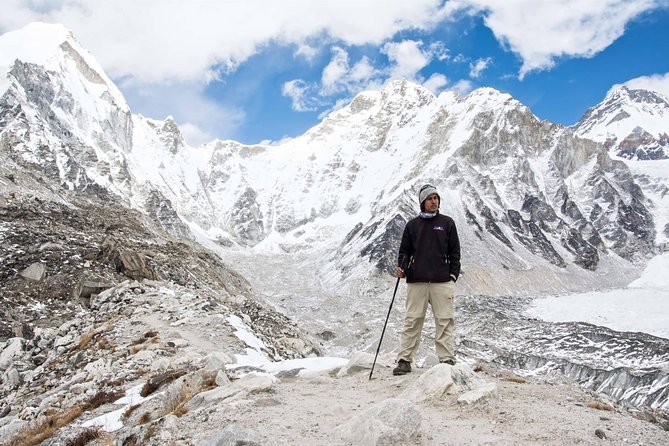
- Three snow-covered passes over 5,000 m: Khongma La, Cho La, and Renjo La are the whole point of this trek.
- Guides with strong communication skills: support has included English-language help and even Japanese-speaking guidance from guides such as Jiban, Raman, Rabin, Raj, and Raji.
- Lukla flights plus Kathmandu hotel nights: you get airfare Kathmandu–Lukla–Kathmandu and two nights in Kathmandu with breakfast.
- Your core trekking logistics are pre-planned: private-vehicle ground transport in Kathmandu and lodge accommodation on trek.
- Food is handled: breakfast, lunch, and dinner during the trek helps you focus on moving safely.
- Value is tied to what’s included, not just the price: permits/TIMS, park fees, down jacket/sleeping bag if needed are included, while visa, insurance, and tips are not.
More trails out of Kathmandu, boots ready
- Everest Base Camp Trek – 14 Days★ 5.0 · 1,499 reviews
- Everest Base Camp Trek★ 5.0 · 842 reviews
- Everest Base Camp Trekking★ 5.0 · 485 reviews
- Nagarkot Sunrise View and Day Hiking from Kathmandu★ 5.0 · 471 reviews
Everest Three Pass Trek: why these passes change the game
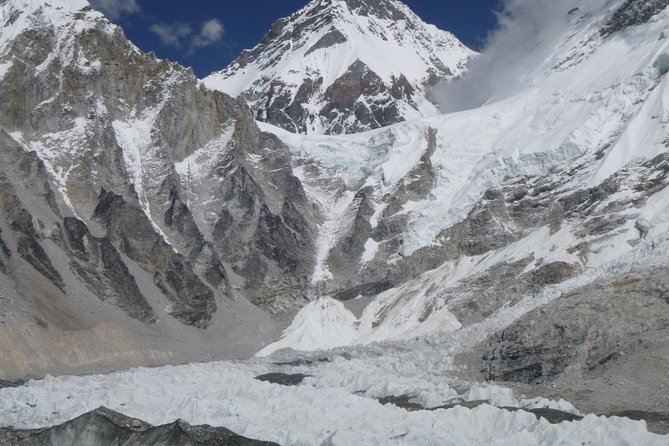
The Everest region is famous for icons, but this trek is built around a specific kind of challenge: three high passes that force you to manage cold, altitude, and route changes day after day. If you’re choosing between a standard Everest foothills experience and something more demanding, the Three Pass route is the “earned bragging rights” option.
What I like most is how the trip’s structure supports you. You’re not left piecing things together: you get a licensed guide, permits (including Sagarmatha National Park fees and TIMS), and full-board meals during the trek. That matters because on high-altitude routes, small planning gaps can turn into big stress.
A second big draw is the genuine variety in difficulty. Each pass has its own altitude exposure and conditions, so you’re not just repeating the same day in, day out. You cross Khongma La (5555 m), Cho La (5330 m), and Renjo La (5345 m), all while staying in lodge-style accommodations and keeping your energy managed by planned meals.
Kathmandu start: flights, hotel nights, and getting set up right
Your trip begins in Kathmandu, and that first phase is more important than people think. You get two nights in a standard hotel with breakfast, plus airport pick up/drop and ground transport in a private vehicle. For a trek this strenuous, having those basics handled makes the whole experience feel more organized and less chaotic.
Then comes the flight segment: Kathmandu to Lukla and back is included. That’s not a small deal. Lukla flights can be a make-or-break moment for timing, and having them in the package helps you avoid extra planning headaches.
One more practical point: the trek includes a mobile ticket. That’s the kind of detail that saves time on travel days, especially if you’re juggling altitude prep, local paperwork, and packing checks.
Lodge trekking with full-board meals: comfort you can actually use
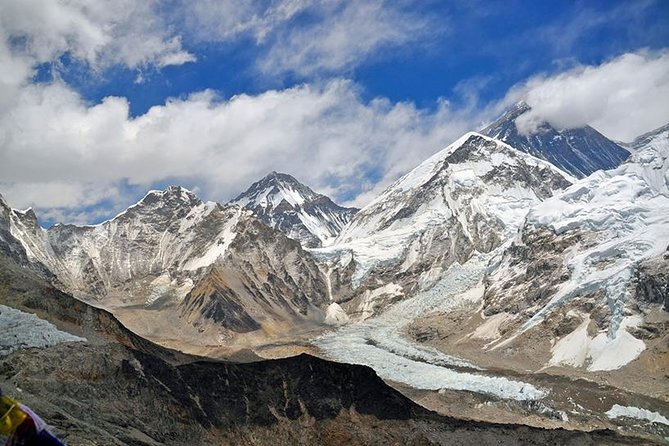
During the trek, you’ll stay in twin sharing lodge accommodation and eat breakfast, lunch, and dinner. This matters because it keeps your daily routine consistent. When you’re at altitude, predictable meals and a known place to sleep make it easier to manage sleep, hydration, and pacing.
Lodges in the Everest region typically mean shared spaces and basic comfort levels, but your trip is set up so you’re not constantly thinking about food or logistics. Instead of hunting for what’s open or wondering if you missed something, you can focus on the basics: go slow, conserve energy, and keep warm.
Also, this trip includes a first aid medical kit. It doesn’t replace your own common sense, but having medical supplies available on the trek is a comfort factor.
The three passes: what each one asks of your body and your mindset
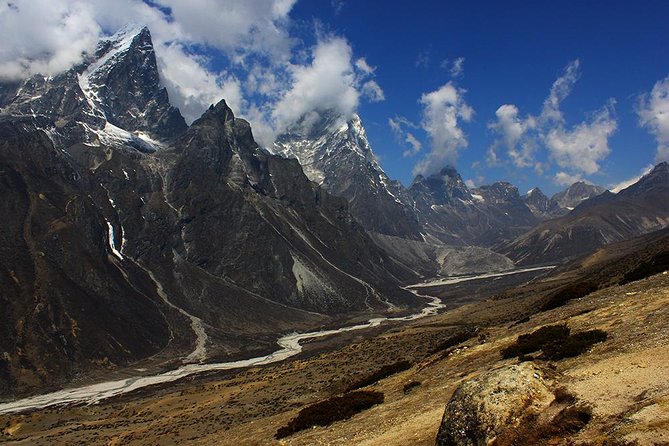
This trek lives or dies on how you handle altitude and timing. The passes are all above 5,000 m, and they’re described as snow-covered, which means you should treat cold management and careful footwork as part of the plan, not an afterthought.




Khongma La (5555 m): the highest test in the set
Khongma La at 5555 m is the biggest number on your route. Higher altitude generally means thinner air and less margin for mistakes. You’ll want to keep your breathing steady, move with patience, and follow your guide’s pace rather than forcing speed.
Even with lodge comforts and full meals, high-altitude passes can drain energy fast. The upside is that this is also where the trek’s “big ticket” moment happens: if you’re signing up for the Three Pass challenge, Khongma La is the pass you’ll remember.
Cho La (5330 m): a snowy crossing you earn slowly
Cho La at 5330 m keeps you in serious altitude territory. The key here is that it’s not just about reaching the top; it’s about getting there while staying controlled. That often looks like shorter steps, consistent pacing, and taking small rests without letting yourself cool down too much.
Because you’re on a multi-pass trek, Cho La also tests recovery. You’ve already climbed and descended earlier, and your body has been working. This is where a good guide helps you keep the day realistic: enough effort to move forward, not so much that you crash later.
Renjo La (5345 m): the finishing pass that still demands respect
Renjo La at 5345 m is the final major pass, and that can be mentally tough. By now, you’ve learned the routine, but fatigue can make even a familiar altitude feel harder. If you pace well earlier and protect your rest, Renjo La becomes a strong finish. If you rush earlier days, it can feel like the longest day of the trek.
A nice thing about having three passes in one organized package is that you’re already committed to an elevated challenge—so your schedule, meals, and lodge stops are built around keeping you moving through that sequence.
Guides and language support: more than just translation
This is one of the strongest reasons people value this trek. Your guide is highly experienced, licensed, and English speaking, and the operator’s guide roster has included people who can support non-English speakers—especially Japanese travelers—such as Jiban, Raman, Rabin, Raj, and Raji.
That kind of support shows up in real ways. On a trek with big altitude days, communication isn’t just about conversation. It’s about understanding pace instructions, safety rules, and what to do if weather changes. It’s also about reassurance if you’re handling questions about gear, daily effort, or just how the route will feel.
One review theme you can take seriously is that guides can be a big part of your confidence. If you’re going solo, being able to ask detailed questions and get clear, caring answers can help you stop guessing and start trekking.
What’s included vs what costs extra: do the value math
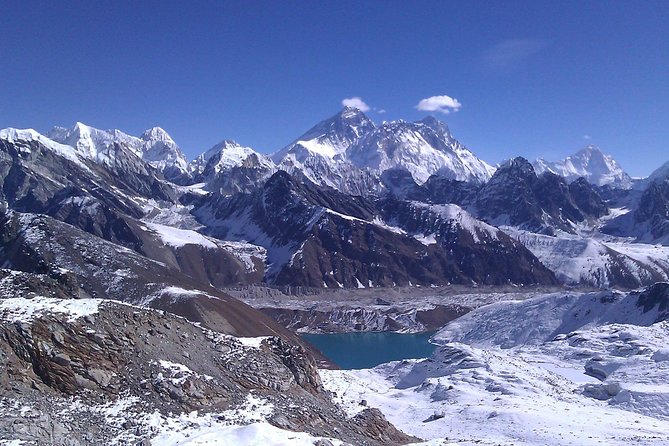
At $2,200 per person, you’re paying for more than the view. The included list covers the expensive, hard-to-source pieces:
Included in the price:
- Airport pick up/drop and all ground transports in private vehicle
- 2 nights standard hotel in Kathmandu (with breakfast)
- Airfare Kathmandu–Lukla–Kathmandu
- Twin sharing lodge accommodation during the trek
- Full-board meals (breakfast, lunch, dinner)
- Licensed English-speaking guide
- Sagarmatha National Park fees and TIMS card
- Local government tourism fees
- Down jacket and sleeping bag if needed
- First aid medical kit
- Government taxes and office service charge
Not included:
- Travel and rescue insurance (compulsory)
- Nepal entry visa fee
- Personal expenses (Wi‑Fi, laundry, bar bills, battery charge, hot showers, etc.)
- Tips for guides and porters expected
My take: the value is strongest if you would otherwise have to assemble everything yourself—flights, permits, guide, meals, and key gear support. The weak spot is the usual one for Nepal treks: insurance, visa, and personal spending still land on you, so don’t build your budget only around the trek price.
Gear and altitude readiness: what to plan for before you go
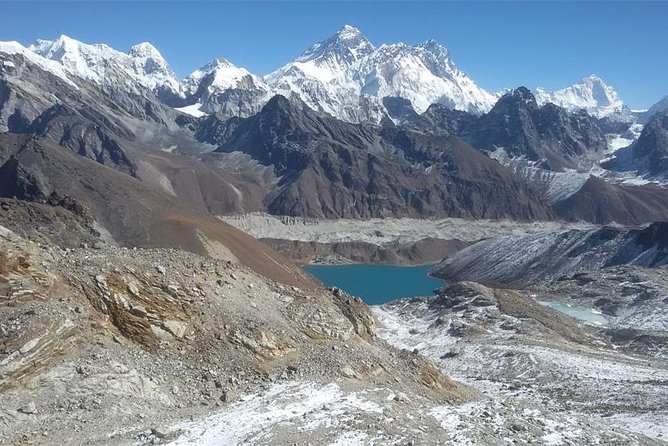
You may think you’re ready until you remember snow-covered passes above 5,000 m. This trek helps with two big items: a down jacket and sleeping bag (if needed) are included. That can save you money and hassle, especially if you’re traveling internationally and don’t want to pack bulky gear.
Still, you should be realistic. This trek is explicitly aimed at people with strong physical fitness. You’re crossing three passes at high altitude, so you’ll want training that supports endurance and uphill steadiness, not just general sightseeing stamina.
If you’re the type who likes checklists, make one now:
- Confirm what you’ll carry vs what the trek provides (down jacket/sleeping bag if needed)
- Plan for cold management day after day
- Expect the altitude to slow you down, and let your guide’s pace set the rhythm
How the private format affects your experience
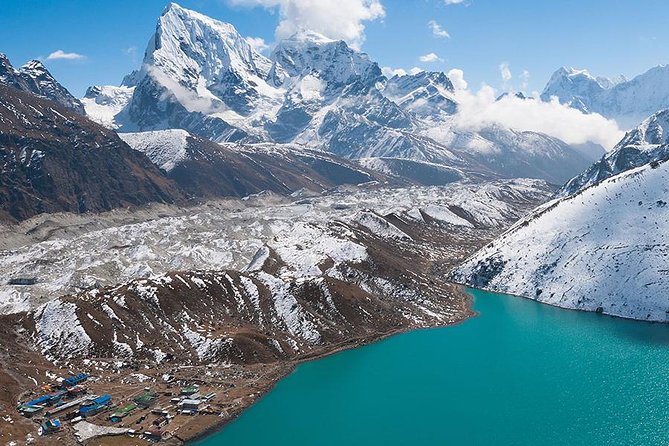
This is a private tour/activity, meaning it’s for your group only. That can be a real advantage on a demanding trek, because you aren’t negotiating your day around strangers’ pace swings. In practical terms, it can mean more consistent pacing and easier communication of expectations.
The trip also includes pickup and ground transport in Kathmandu. That reduces the “start-day scramble” factor, which is helpful when you’re trying to stay calm and focused before flying to Lukla.
Price, privacy, and real-world risk: a balanced look
Nothing about high-altitude trekking is risk-free. This trek includes permits, meals, guide support, and a first aid kit, which is a solid base. But altitude, weather, and your own fitness still matter most.
That’s why the insurance requirement is emphasized. If you want full confidence, don’t treat rescue insurance as a checkbox. On a route like the Three Pass trek, it’s part of making the overall plan responsible.
The good news is that the trip is built around structure: lodging, full meals, licensed guiding, and the core permitting costs handled. For many people, that structure turns an intense challenge into an experience they feel ready for.
Should you book the Everest Three Pass Trek?
Book it if:
- You’re specifically chasing a Three Pass challenge in the Khumbu region
- You can handle long, high-altitude trekking and want a route that’s demanding from start to finish
- You want a guided, permission-and-meals-included setup that reduces planning stress
- You’re open to lodge-style accommodations and careful cold management
Skip it (or consider a less demanding option) if:
- You’re not confident in your fitness for snow-covered passes above 5,000 m
- You’d struggle to arrange travel and rescue insurance on your own
- You prefer a trek where daily effort is more moderate and less altitude-heavy
Finally, don’t underestimate the “support factor.” The operator’s guide teams have included people praised for patient, professional help, plus language support for Japanese speakers. If you’re heading to Nepal for the first time or trekking solo, that kind of guidance can make the difference between feeling tense and feeling steady.
FAQ
How long is the Everest Three Pass Trek?
It’s approximately 17 days.
Which passes are included in the Everest Three Pass Trek?
The trek crosses three high passes in the Khumbu region: Khongma La (5555 m), Cho La (5330 m), and Renjo La (5345 m).
What’s included in the tour price?
The price includes Kathmandu airport pickup/drop and all ground transports in private vehicle, two nights of hotel in Kathmandu with breakfast, airfare Kathmandu–Lukla–Kathmandu, twin-share lodge accommodation on the trek, full-board meals during the trek, a licensed English-speaking guide, Sagarmatha National Park fees and a TIMS card, local government tourism fees, and a down jacket and sleeping bag if needed. It also includes a first aid medical kit and government taxes/office service charge.
What’s not included?
Not included are your Nepal entry visa fee, travel and rescue insurance (compulsory), and personal expenses like Wi‑Fi, laundry, bar bills, battery charging, and hot showers. Tips for guides and porters are expected.
Is airport pickup included in Kathmandu?
Yes. You get airport pick up/drop and ground transport in a private vehicle.
What is the cancellation window for a full refund?
You can cancel up to 24 hours in advance of the experience’s start time for a full refund.
More Trekking Out of Kathmandu






More Tour Reviews in Kathmandu




Just Reviewed in Kathmandu
- Mountain Bike Tour
★ 5.0 · 3 reviews - Annapurna Panaroma
★ 5.0 · 3 reviews - Mount Everest Scenic Flight 50 Minutes
★ 5.0 · 3 reviews - Kathmandu : Swambhunath & Durbar Square Guided Half Day Tour
★ 3.3 · 3 reviews - Chandragiri Cable Car & Monkey Temple Tour – Private/Group
★ 5.0 · 3 reviews - Kathmandu: Shivapuri National Park Hiking Day Trip
★ 3.3 · 3 reviews
Gokyo Lakes & Everest High Passes, compared.
 ★ 5.0Gokyo to Everest Base Camp TrekFrom $2,200113 reviews
 ★ 5.0Everest Base Camp – Cho La Pass – Gokyo TrekFrom $1,39465 reviews
 ★ 5.012 Days Everest Base Camp Kala Patthar TrekFrom $1,79961 reviews
 ★ 5.0Guaranteed Landing at Everest Base Camp Kalapathar by HelicopterFrom $3,50038 reviews
 ★ 5.0Everest Gokyo Valley Trek – 12 daysFrom $1,39927 reviews
 ★ 4.214-Day Everest Base Camp with Kala Patthar TrekFrom $1,29621 reviews
 ★ 5.0Landing Private Helicopter at Everest base camp & Gokyo for photoFrom $4,39920 reviews
 ★ 5.0Gokyo Valley TrekFrom $1,51419 reviews
Browse the lists this tour appears in