
Review · GOKYO LAKES & EVEREST HIGH PASSES
Everest Three Pass Trek
Three passes. One unforgettable Khumbu circuit. You’ll fly into Lukla, hike the Dudh Koshi valley, and then cross Kongma La, Cho La, and Renjo La for that rare feeling of seeing Everest-region icons from multiple angles. I love the sheer variety built into the route: Sherpa towns, prayer-flag bridges, and then high, snowy passes where the air gets thin fast. The tradeoff is simple: this is not a casual trek. You need strong fitness for steep climbs, rough footing, and at least some ice-covered sections.
I also like how the logistics are handled end-to-end. Base Camp Adventure Pvt. Ltd. organizes a licensed English-speaking guide, porters for your luggage, guesthouse stays, and the domestic flights Kathmandu–Lukla–Kathmandu—so you can focus on walking and adjusting. In the crews’ past work, guide names like Shiva and Jwala show up often, with Sherpa support mentioned like Bhim and Ram.
Finally, I like the pacing choices that help you do the hard parts safely. You get acclimatization time (Namche and Gokyo Ri) and you’re routed in a way that avoids one extra long slog before a key crossing. The possible drawback: the trek requires good weather, and you should be comfortable with the idea that your plan can shift for mountain reality.
In This Review
- Key highlights you’ll care about
- Everest Three Pass Trek: why this route feels different
- Price and logistics: what $1,800 covers (and what it doesn’t)
- Day 1–2: flying into Lukla and settling into the Dudh Koshi rhythm
- Day 3–4: Namche acclimatization and the way to Tengboche
- Day 5–6: Dingboche views and the decision to position for Kongma La
- Day 7–9: Kongma La, Gorakshep, and sunrise from Kala Patthar
- Day 10–11: Cho La to Gokyo Lakes and the Gokyo Ri payoff
- Day 12–13: Renjo La, then the easier walk back toward Namche
- Day 14–15: Lukla again, then back to Kathmandu
- Guides, porters, permits, and provided gear you’ll actually use
- Fitness and mental prep for ice, altitude, and rough footing
- Weather reality: why early starts can matter
- Should you book the Everest Three Pass Trek?
- FAQ
- How long is the Everest Three Pass Trek?
- Where does the trek start and end?
- What time does the experience start?
- Is pickup offered?
- Which high passes are included?
- Are meals included in the price?
- What permits are included?
- What gear is provided?
- Is international airfare included?
Key highlights you’ll care about
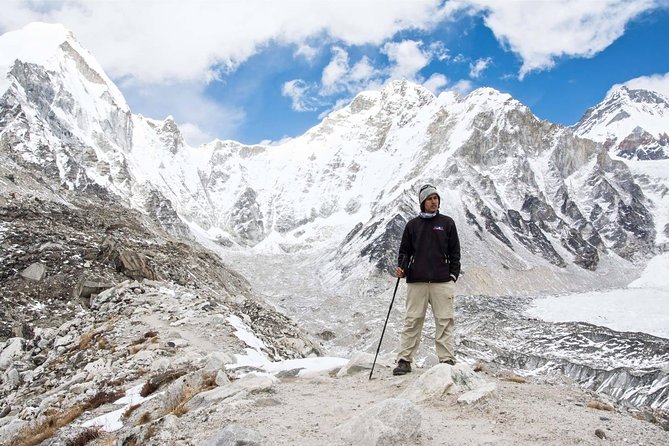
- Three snow passes, three different viewpoints: Kongma La, Cho La, and Renjo La each bring big Mahalangur-range panoramas.
- Kala Patthar at sunrise: you hike early for first light over Everest and the surrounding valleys.
- Gokyo Lakes + Gokyo Ri: a rest day that’s not really resting—more like earning those wide lake views.
- Guide + porters + permits included: the package covers TIMS, national park entry, meals, and the staff support system.
- Provided cold-weather gear: a down jacket and sleeping bag are included (you return them after).
- Private group format: your group participates only with your tour party.
More trails out of Kathmandu, boots ready
- Everest Base Camp Trek – 14 Days★ 5.0 · 1,499 reviews
- Everest Base Camp Trek★ 5.0 · 842 reviews
- Everest Base Camp Trekking★ 5.0 · 485 reviews
- Nagarkot Sunrise View and Day Hiking from Kathmandu★ 5.0 · 471 reviews
Everest Three Pass Trek: why this route feels different
The Everest Three Pass Trek is the kind of itinerary that makes you stop thinking about distance and start thinking about effort. Most treks in the Everest region give you one big “main event.” This one layers them: start in the Lukla traffic of the Khumbu, build altitude gradually, then stack three high passes into the same journey.
What makes it interesting is the way the scenery changes as you move through the valleys. You begin alongside the Dudh Koshi River, where suspension bridges cross and re-cross the water like a rhythm you learn to trust. Then you move through Sherpa communities—Namche and Tengboche among them—where the monasteries and views give you a breather before the higher, more exposed days.
And after all that, you’re not just trekking above a single destination. You’re trading views like a card game: glaciers near the high camps, sunrise views from Kala Patthar, Gokyo’s lake country, then Renjo La’s wide panoramas. You end up with a fuller picture of the Khumbu and Mahalangur Himalayan range than many classic routes.
Price and logistics: what $1,800 covers (and what it doesn’t)
At $1,800 per person, the headline price matters—but what matters more is what’s inside it. This trek includes the heavy stuff that often surprises people: the required permits, the licensed English-speaking guide, porters for your luggage, and the domestic airfare Kathmandu–Lukla–Kathmandu. It also includes guesthouse stays and your meals for the trek: 14 breakfasts, 14 lunches, and 14 dinners.
It’s also value-rich in the gear department. You’re provided a down jacket and sleeping bag, plus a duffel/kit bag that you return after the trek. If you’ve ever rented gear at the last minute and paid extra, you’ll appreciate that this one is handled for you.
Two things are not included. International airfare and departure airport taxes are on you, and so are personal trekking equipment and tips for trekking staff. Drinks, laundry, and hot showers also aren’t included. The “hidden” cost to think about isn’t money—it’s fitness, because you’ll be paying in sweat no matter what.
Day 1–2: flying into Lukla and settling into the Dudh Koshi rhythm
Your trek starts early in Kathmandu, with a 6:15 am start time at the tour company office on Tridevi Sadak (Base Camp Adventure Pvt. Ltd.). From there, you head to Lukla by domestic flight. The flight itself is part of the experience: you see lush hills and snow-capped peaks from above before you land at Tenzing-Hillary Airport in Lukla.
Once you start walking, the mood turns into motion. The first hiking days follow the Dudh Koshi River valley. Expect repeated crossings over suspension bridges with prayer flags fluttering overhead. That looping river pattern becomes familiar quickly, and it’s a good way to ease your body into trekking mode before altitude ramps up.
On Day 2 you also enter Sagarmatha National Park. That matters practically because it’s part of why permits are included in your package—you get the proper entry without needing to figure it out yourself.
Day 3–4: Namche acclimatization and the way to Tengboche
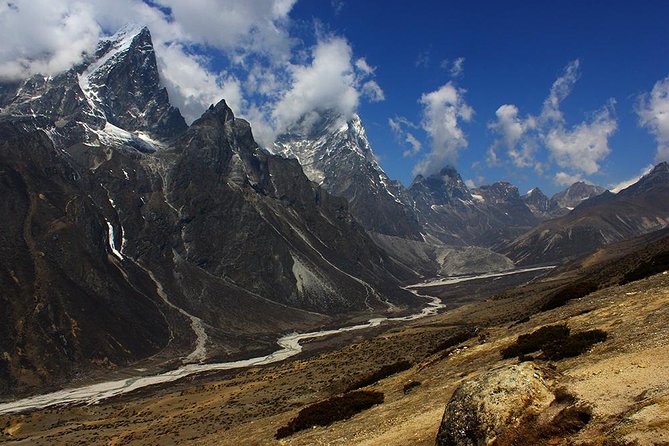
Day 3 is your acclimatization and rest day in Namche. This is where your body learns the routine: rest, explore a bit, and take in the views from a higher point like the Everest View Hotel area. Namche is more than a waypoint—it’s a Sherpa town with a strong sense of place, and it helps you understand how people live and work in this region during the trekking season.
Then Day 4 shifts back into hiking mode. You continue upstream along the Dudh Koshi River, passing prayer wheels and moving toward Tengboche. This is one of those days where the trek feels scenic but still purposeful: you’re gaining elevation, learning your pace, and setting up for higher country soon.
A drawback to consider here is mental. If you arrive tired from the flight and long travel day, Namche still asks you to stay alert enough to explore and adjust. The good news is that you’re not doing this after a brutal pass—you’re doing it early enough to recover.
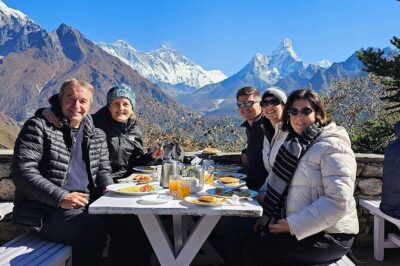
Day 5–6: Dingboche views and the decision to position for Kongma La
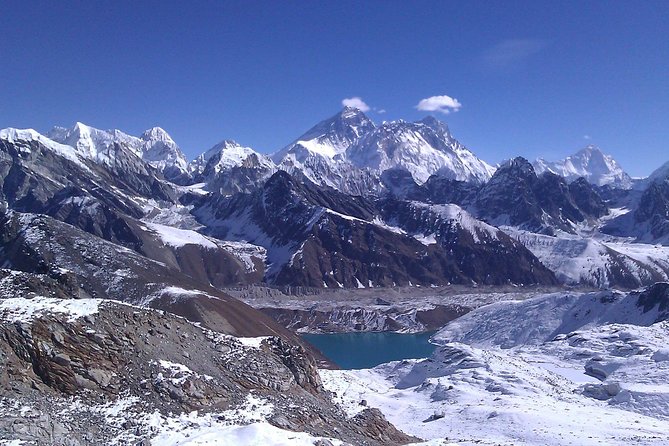
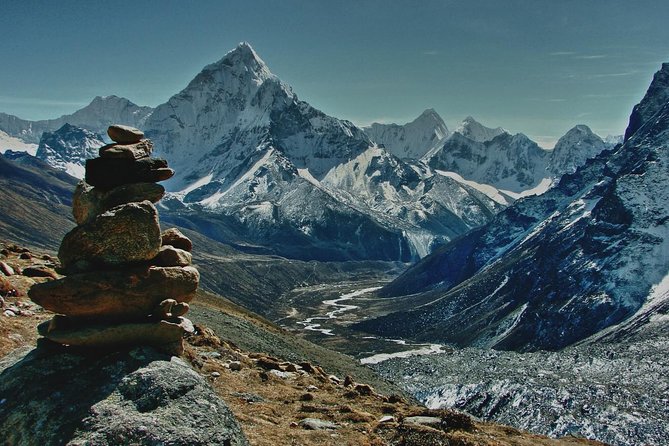
Day 5 climbs to Dingboche and brings major mountain presence into your day. You pass through rhododendron forest and around Pangboche village, and the views you get from this section include Ama Dablam and Lhotse, plus Everest in the mix on clear days.
What I like about this stage is the way it supports the bigger goal: you’re not just ticking boxes; you’re building to the pass crossing with better positioning. Day 6 is a good example. Instead of staying an extra day in Dingboche, you head to Chhukung. The practical reason is to avoid a longer walk the next day while you’re approaching Kongma La.
This is one of those “small scheduling” choices that can make a huge difference on your legs. The trek still remains challenging on Day 7, but you’re going into it with less fatigue than you otherwise would have.
Day 7–9: Kongma La, Gorakshep, and sunrise from Kala Patthar
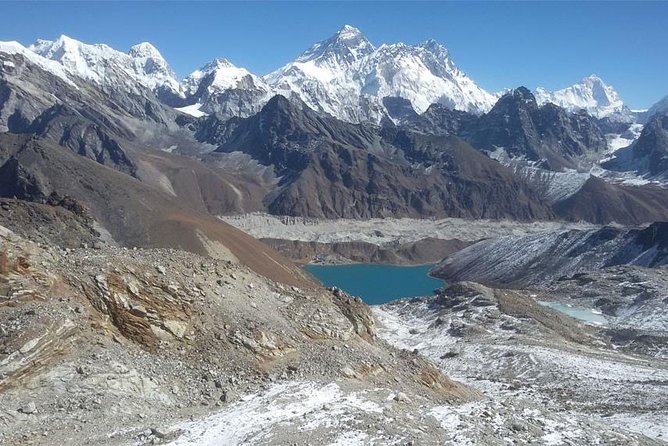
Day 7 is your first of the three passes: Kongma La at 5,535m. It’s described as steep uphill with difficulties. That’s the right way to think about it—this isn’t a gentle ridge walk. You’re pushing your body on uneven ground and you’ll feel the altitude in your breathing even if you’re pacing well.
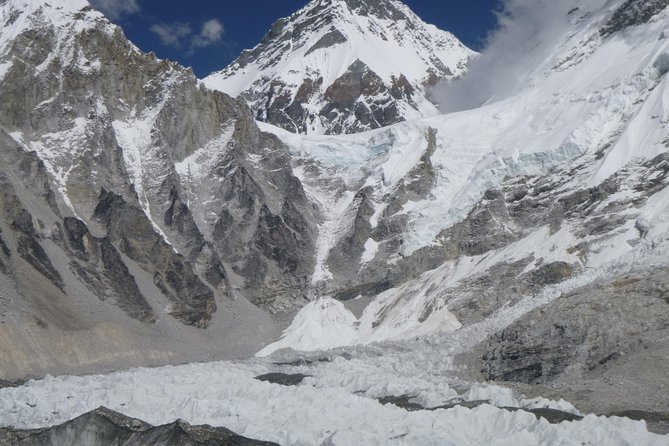
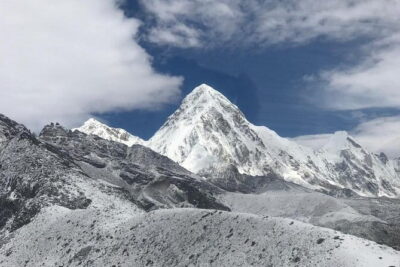
After the pass comes a tougher-feeling change of terrain and a shift toward the high-camp area. Day 8 takes you on to Gorakshep. This walk is stony, and it rewards you with glacier-and-peak views as you settle into the Everest base-camp-zone atmosphere. Even if you don’t go to Base Camp itself on this trek, you still get that classic high country feel.
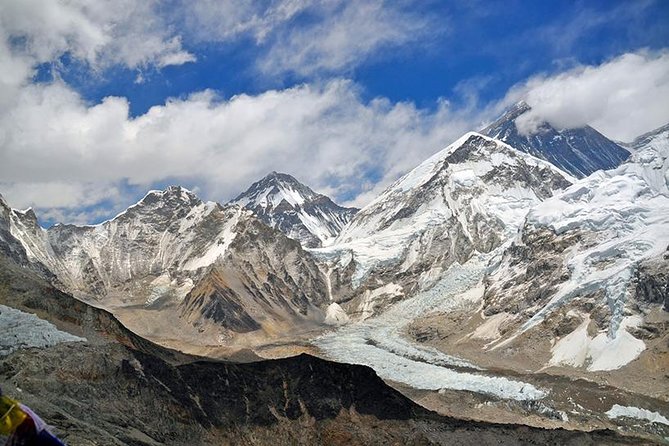
Then Day 9 starts early for Kala Patthar (5,550m). You hike up for sunrise, and from the top you get first rays over Everest, with valleys and mountains spread out below. If you’re the type who lives for early starts and clear skies, this is the day that makes you forget the hours before it. If you’re not, be honest with yourself: this one is physically early and mentally intense.
Day 10–11: Cho La to Gokyo Lakes and the Gokyo Ri payoff
Day 10 crosses the second pass: Cho La at 5,420m. This day is tough not only because it’s high, but because the route includes an ice-covered trail segment. Expect a steep uphill climb to the pass top.
That matters for planning your mindset. You can’t win the day with speed. You win with steady footing, good temperature management, and careful movement on icy sections.
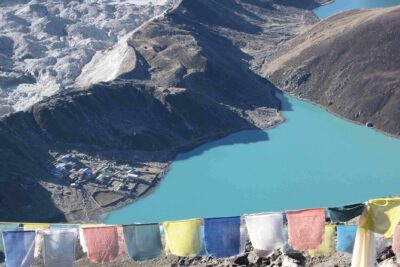
From Cho La you move toward the Gokyo Lakes area, which changes the visual mood. On Day 11 you get a rest day in Gokyo—then you hike up to Gokyo Ri (5,360m) in the morning. That morning climb is short compared to a pass day, but it’s still a workout. The reward is views of the entire Gokyo valley and its lakes, plus the surrounding peaks from a high vantage point.
One thing I like about this design is that it gives you a structured recovery. It’s not sitting around all day; it’s controlled exertion where you can still enjoy the region without burning out before the final pass.
Day 12–13: Renjo La, then the easier walk back toward Namche
Day 12 brings the third and last pass: Renjo La at 5,360m. The trail is described as gradually hiking on a snow-filled path, and from the top you get enthralling views of Cho La and the surrounding country.
This is where many trekkers feel a mental shift. Kongma La and Cho La are big obstacles. Renjo La is both a challenge and a closure. If your decision-making has been steady so far—resting when you should, not pushing when the air is thin—you’ll likely feel more confident on this final climb.
Day 13 continues after breakfast on a relatively easier trail as you hike toward Namche. You cross villages, move through forest, and enjoy the mountain views from a distance rather than only from pass tops. It’s a welcome change: you’re still trekking, but the day gives your legs a break from the steepest grade.
Day 14–15: Lukla again, then back to Kathmandu
On Day 14 you make your way from Namche back down to Lukla. You cross suspension bridges over rivers, pass through forests and villages, and reach Lukla for rest. In the evening you can explore the market area.
Day 15 ends the trip with an early flight back to Kathmandu from Lukla. The flight gives you one last look at snow-capped mountains and green hills as you descend into the Kathmandu valley.
The practical takeaway here: even though Day 14 is “easier,” it still feels long. Don’t plan demanding side trips in Kathmandu immediately after landing on Day 15 unless your body is telling you it can handle it.
Guides, porters, permits, and provided gear you’ll actually use
This trek includes a local government licensed English-speaking guide, plus the required number of staff and porters to carry your luggage. That’s a big deal on a three-pass trek. Your time and energy should go into walking, not hauling. With porters doing the heavy carrying, you can keep your daypack light enough to manage layers and essentials without feeling overloaded.
The staff setup also shows in the way guides get mentioned in past experiences. Names like Shiva, Jwala, Nabracht, and Sherpas like Bhim and Ram come up alongside the idea that the crew handles organization smoothly. You shouldn’t expect perfection in the mountains, but you can expect competence in how the trip is run.
Gear is part of the included value too. You receive a down jacket and a sleeping bag, and the duffel/kit bag is provided as well (returned after). First aid medical kits are included for the trek team. TIMS and national park entry permits are included, which matters because you don’t want to spend time or money figuring out paperwork mid-journey.
Fitness and mental prep for ice, altitude, and rough footing
The trek is explicitly for people with strong physical fitness. That’s not just marketing language. Kongma La includes steep uphill difficulties. Cho La includes an ice-covered trail segment. Renjo La includes snow-filled hiking. You’re also moving across rough terrain much of the time.
So your best prep is practical: train for uphill walking, practice pacing (not sprinting), and get used to hiking with a pack. Also plan to be mentally flexible. The trek runs on mountain weather, and it needs good conditions.
One more fitness consideration: the trek includes both acclimatization days (Namche and Gokyo Ri) and multiple hard days. Your goal is to use those rest windows well. If you treat them like free time to exhaust yourself, the next pass day will punish you.
Weather reality: why early starts can matter
The experience requires good weather, and if it’s canceled due to poor weather you’ll be offered a different date or a full refund. That’s the practical reality of flying into and out of Lukla and working high passes in the Himalaya.
In terms of day-to-day comfort, at least one past trip noted that starting early helped them avoid rain during late monsoon conditions. I’d take that as a hint: be ready to move early when the plan calls for it, especially on sunrise days like Kala Patthar.
Also, don’t assume “cloud cover” means “no views.” Even with partial visibility, trekking on the route is still the point. The pass crossings and valleys are still there, even if the sky is stingy.
Should you book the Everest Three Pass Trek?
If you want a real Everest-region challenge—three high passes, Kala Patthar sunrise, Gokyo Lakes views, and a route that mixes Sherpa towns with snowy high-country days—this is a strong pick. The price-to-inclusions ratio is especially good because you’re getting guide services, porters, meals, guesthouses, permits, and domestic flights inside the package.
You should think twice if you’re not comfortable with steep uphill hiking and at least one ice-covered pass approach. This is also not the trek to treat as a casual “I’ll see how I feel” adventure.
If you’re fit, patient, and ready to respect weather and timing, I’d say you’ll get exactly what you came for: a full Khumbu circuit with three unforgettable pass days.
FAQ
How long is the Everest Three Pass Trek?
The trek is scheduled for about 15 days.
Where does the trek start and end?
It starts in Kathmandu and ends back at the same meeting point in Kathmandu.
What time does the experience start?
The start time listed is 6:15 am.
Is pickup offered?
Yes, pickup is offered.
Which high passes are included?
The trek crosses Kongma La (5,535m), Cho La (5,420m), and Renjo La (5,360m).
Are meals included in the price?
Yes. Breakfast (14), lunch (14), and dinner (14) are included.
What permits are included?
The package includes a national park entry permit and a TIMS permit.
What gear is provided?
You receive a down jacket and a sleeping bag, along with a duffel/kit bag that must be returned after the trek. Personal trekking equipment is not included.
Is international airfare included?
No. International airfare and airport departure tax are not included.
More Trekking Out of Kathmandu
More Tour Reviews in Kathmandu
Just Reviewed in Kathmandu
- Mountain Bike Tour
★ 5.0 · 3 reviews - Annapurna Panaroma
★ 5.0 · 3 reviews - Mount Everest Scenic Flight 50 Minutes
★ 5.0 · 3 reviews - Kathmandu : Swambhunath & Durbar Square Guided Half Day Tour
★ 3.3 · 3 reviews - Chandragiri Cable Car & Monkey Temple Tour – Private/Group
★ 5.0 · 3 reviews - Kathmandu: Shivapuri National Park Hiking Day Trip
★ 3.3 · 3 reviews
Gokyo Lakes & Everest High Passes, compared.
 ★ 5.0Gokyo to Everest Base Camp TrekFrom $2,200113 reviews
 ★ 5.0Everest Base Camp – Cho La Pass – Gokyo TrekFrom $1,39465 reviews
 ★ 5.012 Days Everest Base Camp Kala Patthar TrekFrom $1,79961 reviews
 ★ 5.0Guaranteed Landing at Everest Base Camp Kalapathar by HelicopterFrom $3,50038 reviews
 ★ 5.0Everest Gokyo Valley Trek – 12 daysFrom $1,39927 reviews
 ★ 4.214-Day Everest Base Camp with Kala Patthar TrekFrom $1,29621 reviews
 ★ 5.0Landing Private Helicopter at Everest base camp & Gokyo for photoFrom $4,39920 reviews
 ★ 5.0Gokyo Valley TrekFrom $1,51419 reviews
Browse the lists this tour appears in