
Review · LANGTANG VALLEY TREKS
Explore The Beauty Of Langtang Valley In 8-Days Trek
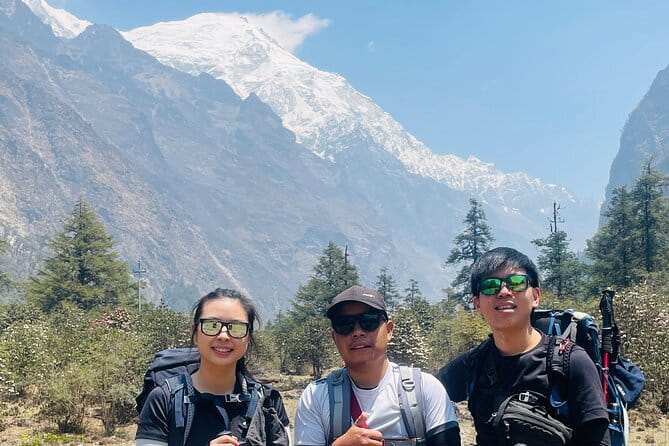
Langtang hits you with big mountain drama fast. This 8-day trek in Nepal mixes scenic valley walking with a plan that’s built for different fitness levels, from slow-and-steady beginners to experienced hikers. I especially like the small-group feel (a licensed trekking guide for up to 5 trekkers) and the fact that you get real cultural guidance alongside the views.
Two other things I like: the route has natural photo breaks and rest stops so you’re not just grinding uphill, and the operator handles Kathmandu pickup/drop-off plus a cultural show and farewell dinner. One consideration: the optional extra hike to Tserko Ri is at high altitude (4,984m), so you’ll want to pace yourself seriously and be honest about how you feel.
In This Review
- Quick hits I think you’ll care about
- Langtang Valley: why this trek feels so “just right”
- Getting to Syabrubesi: the “warming up” ride day
- Day 2: Syabrubesi to Lama Hotel, and why suspension bridges matter
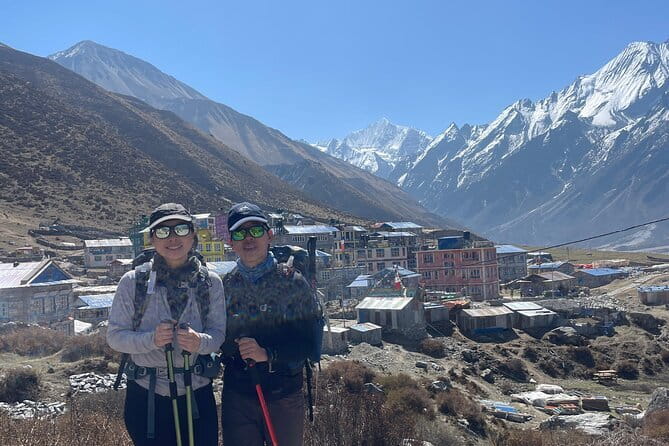
- Day 3: Lama Hotel to Langtang Village, where the valley starts to feel alive
- Day 4: Langtang Village to Kyanjin Gompa, plus the payoff viewpoint
- Day 5: Kyanjin Gompa exploration and the optional Tserko Ri push
- Day 6: back down to Lama Hotel, and why “retrace days” can be smart
- Day 7: Lama Hotel to Syabrubesi, green forests and rolling hills
- Day 8: return to Kathmandu, plus the cultural send-off
- Guide support and teahouse comfort (what’s actually included)
- Price and value: what $270 buys you (and what it doesn’t)
- Altitude reality check: pace beats pressure
- Who this trek is best for
- Should you book this Langtang Valley 8-day trek?
- FAQ
- Where does the trek start?
- How long is the Langtang Valley trek?
- What is included in the tour price?
- What meals are provided during the trek?
- Is there an option for a higher hike?
- What are the main places you’ll visit on the route?
- Is the trekking guide English-speaking?
- Is this suitable for beginners?
- What extra costs should I plan for?
- Is free cancellation available?
Quick hits I think you’ll care about
- Small-group trekking with a licensed English guide responsible for up to 5 trekkers
- Teahouse comfort included along the trek route, with breakfast/lunch/dinner covered
- Photo-friendly pacing with regular breaks and refreshments during the walk
- Kyanjin Gompa base for dramatic Langtang Lirung views and a choice to push higher
- Optional Tserko Ri hike for a rare 360-degree style viewpoint from 4,984m
- Operator support beyond trekking, including customizing trips when things go sideways
More trails out of Kathmandu, boots ready
- Everest Base Camp Trek – 14 Days★ 5.0 · 1,499 reviews
- Everest Base Camp Trek★ 5.0 · 842 reviews
- Everest Base Camp Trekking★ 5.0 · 485 reviews
- Nagarkot Sunrise View and Day Hiking from Kathmandu★ 5.0 · 471 reviews
Langtang Valley: why this trek feels so “just right”
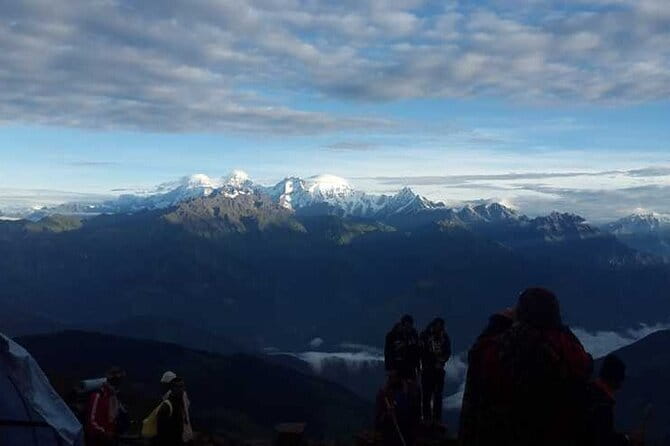
Langtang Valley is popular for a reason. You don’t just walk from point A to point B—you move through changing scenery, from river valleys and villages to forests, then up toward the classic high-mountain feel around Kyanjin Gompa. The best part is that this trek gives you time to actually enjoy it. You’ll have built-in breaks, and the plan is flexible enough that you can slow down when you need to.
What makes this specific trek stand out to me is the balance between structure and freedom. You still get a guided route with meals and teahouse stays lined up. But you’re also not locked into one rigid pace. That matters a lot in the Himalaya, where altitude and fatigue can swing day to day.
The second big reason I’d consider it is the people side. Bold Himalaya Treks and Travels Pvt Ltd includes an in-person English trekking guide and supports the guide with lodging, meals, insurance, and salary. And in past experiences shared with this operator, you can see that care in action. One solo traveler highlighted how the guide (Garap) was supportive during a first high-altitude trek. Another person described how Sorbit/Sobit met them even when luggage missed the flight and helped them with shopping around Thamel—small detail, big comfort when you land stressed.
Getting to Syabrubesi: the “warming up” ride day
You’ll start in Kathmandu, with pickup offered and a transfer to Syabrubesi by shared jeep (about 6 hours). This isn’t a sightseeing detour—it’s part of the trek rhythm. The drive passes mountain valleys, villages, rivers, and waterfalls, so you’re already watching the terrain change before your boots ever hit the trail.
Shared jeeps usually mean a little waiting and some road time you can’t fully control, but the route is straightforward and it gets you into trekking position without extra planning. If you’re the kind of traveler who likes to get oriented early, this first day does that for you: by the time you reach Syabrubesi, you’re not thinking What do I do now? You’re thinking Tomorrow we walk.
Practical note: this trip lists a start point near Tribhuvan International Airport on the Ring Rd in Kathmandu. If you’re arriving with jet lag, get your phone SIM sorted after you land, just like the operator suggests. It helps you keep comms simple for meeting times and last-minute changes.
Day 2: Syabrubesi to Lama Hotel, and why suspension bridges matter
After breakfast, you start trekking from Syabrubesi up to Lama Hotel (around 2,380m) in about 5.5 hours. This segment is a classic “get your legs working” day, climbing steadily without being a surprise endurance test.
Along the way you cross suspension bridges over the Bhote Koshi and Langtang rivers. Those crossings do two things. One, they break up the hike visually—there’s always something to look at. Two, they remind you you’re traveling through a real valley system, not just hiking in a vacuum.
Even if you’re not a nervous bridge person, suspension bridges can be bouncy. Keep your pace calm, hold onto the rail if you prefer, and focus on steady breathing rather than fight-your-legs power hiking. The plan includes regular breaks and refreshments, so you shouldn’t feel rushed.
Day 3: Lama Hotel to Langtang Village, where the valley starts to feel alive
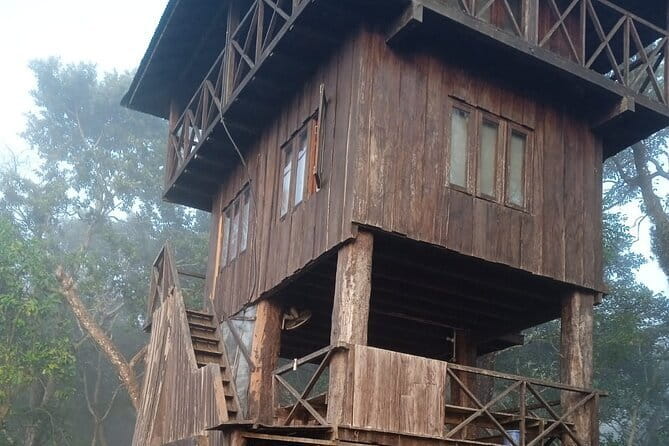
This is the day you begin moving from mid-altitude trail into the more atmospheric Langtang zone. From Lama Hotel to Langtang Village (about 3,430m) takes roughly 6 hours. Expect forests and meadows along the way. The trail is described as ascending, and that tracks with what most hikers feel here: you’re working, but you’re not slogging in constant steepness.
I like that the route gives you the day’s focus without overcomplicating it. You’ll gain altitude, yes—but you’re also getting “stops worth making.” The operator describes flexible additional breaks so you can catch photos and enjoy breakfast along the way at your own rhythm. That flexibility is not just comfort; it helps you adjust if your body is slow to warm up at altitude.
If you’re a beginner, the guidance is simple: walk at your own pace so you acclimate better. On this kind of climb, trying to match a faster group pace is how people end up feeling wiped out too early.




Day 4: Langtang Village to Kyanjin Gompa, plus the payoff viewpoint
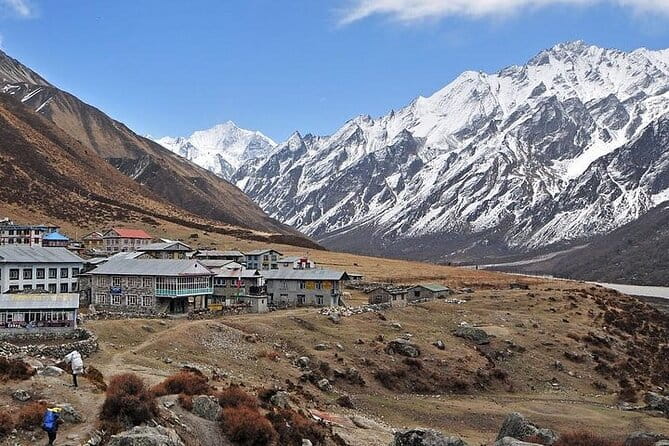
From Langtang Village to Kyanjin Gompa (about 3,870m) takes around 4.5 hours. This is shorter than the day before, and that’s on purpose. You’re still gaining height, but the hike is designed to reach a high-mountain destination where the views reward the effort.
Kyanjin Gompa is described as starting with breathtaking mountain views, and it’s also a place that feels like a base for your Langtang experience. You’ll be in the higher Himalayan mood now: thinner air, stronger light, and the sense that the valley walls are watching you back.
A consideration here: because the day is shorter, people sometimes push speed. Don’t. The altitudes are real, and the trek overall has a 360-degree style peak option later. Saving energy is smart.
Day 5: Kyanjin Gompa exploration and the optional Tserko Ri push
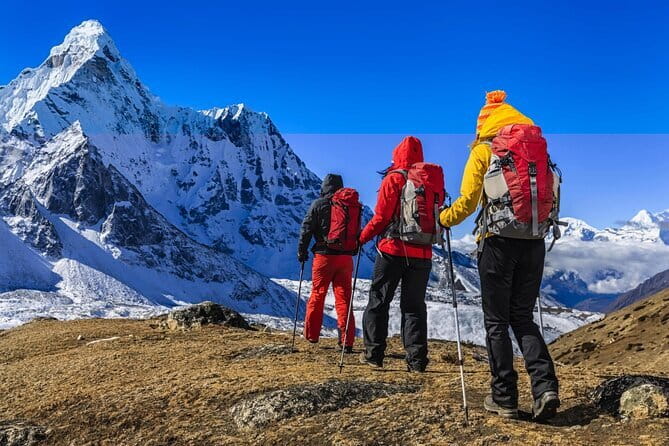
Day 5 is built around two choices. You can explore Kyanjin Gompa and then, for the adventurous, hike to Tserko Ri (about 4,984m). The optional hike is described as taking around 7 hours.
This is the highest altitude explicitly mentioned in the plan. If you do Tserko Ri, you’re trading comfort for a big reward: a stunning 360-degree view of the Himalayas. That type of viewpoint is exactly why people plan Langtang Valley in the first place.
But here’s the practical side I’d emphasize: treat the optional hike as a decision based on how you acclimated, not based on willpower. If you feel off, choose the easier day plan at Gompa. You’ll still get mountain scenery without turning the trek into a struggle story.
Day 6: back down to Lama Hotel, and why “retrace days” can be smart
From Kyanjin Gompa you head back to Lama Hotel (about 2,380m) in roughly 6 hours, retracing much of the valley route. This kind of reverse day sounds boring until you actually do it, because the valley looks different from the other direction—and you’re usually moving more comfortably since you’re descending.
This is also where you reset for the final days. After a day near 3,800m, dropping down helps your body recover. You can also use the time to soak in details you might’ve missed going up—river bends, forest textures, village life, and that slow shift from high-mountain stillness to valley movement.
The plan includes breaks and refreshments again, which matters when your knees start asking questions.
Day 7: Lama Hotel to Syabrubesi, green forests and rolling hills
Trek back to Syabrubesi takes about 5 hours. The walk is described as passing through lush green forests and rolling hills, with the soothing sounds of rivers. That shift is real: once you’re descending far enough, the mental load drops because the hike feels more like walking through a valley than climbing into thin air.
Day 7 is a good day for rhythm. If you’ve been conserving energy for the optional peak earlier, this is where it pays off—you’ll still feel fresh enough to enjoy the last trekking day rather than just survive it.
If you’re traveling as a solo hiker, small-group treks like this can also feel easier because you’re never fully on your own. The guide is with you, and the plan is private for your group (only your group participates), which keeps things friendly without feeling crowded.
Day 8: return to Kathmandu, plus the cultural send-off
On the final day, you drive back to Kathmandu (about 6 hours). The journey includes scenic views of mountains and charming towns along the way. This is one of those endings that doesn’t feel rushed. Even after weeks of walking in the mountains (or even just 8 intense days), you’re still absorbing the region from the road.
You also get a special cultural show and farewell dinner program included. That’s not just entertainment—it’s a chance to shift gears. After tea houses and trail snacks, you’ll get a more grounded sense of Nepalese culture at ground level, in a setting designed for guests to enjoy.
Guide support and teahouse comfort (what’s actually included)
This trek includes accommodation in “best teahouses along the trek route.” In practical terms, that means you’re not searching for lodging or negotiating meals each night. It’s set up so you can focus on hiking and enjoying the days.
Meals are also covered: breakfast (7), lunch (8), and dinner (7), with some seasonal fruits during the trek. That matters because in the Himalaya your energy and hydration are your whole plan. You don’t want decision fatigue around where to eat after a long walk.
Then there’s the guide. You’ll have an English in-person guide, and the trek uses a licensed trekking guide for up to 5 trekkers. The guide’s salary, accommodation, meals, and insurance are included. That level of support is also where the human side shows up in real-world stories. One traveler noted that Sorbit/Sobit made them feel at home right away. Another described Garap as outstanding and patient during a first high-altitude trek.
Price and value: what $270 buys you (and what it doesn’t)
The price is listed as $270 per person for the 8 days. I can’t judge which dollar amounts feel fair in your home currency, but I can tell you how that price is structured in this plan.
What you’re getting includes:
- teahouse accommodation on the trek route
- lunches, dinners, and most breakfasts
- an English guide plus licensed support
- pickup and drop-off
- a cultural show and farewell dinner
What you should budget extra for:
- bar bills
- personal expenses
Two value notes. First, the cost isn’t only “the trek.” It covers the practical machine behind it: meals, lodging arrangement, and guide coverage. Second, if you decide to upgrade Kathmandu hotel comfort to something like 3-star to 5-star, the plan notes that Kathmandu accommodation upgrades are available for an extra cost. So your final all-in budget depends on how comfortable you want Kathmandu to be.
Altitude reality check: pace beats pressure
This is not an extreme-height expedition on paper, but it’s still high altitude. You’ll sleep and hike across points like Lama Hotel (2,380m), Langtang Village (3,430m), Kyanjin Gompa (3,870m), and the optional Tserko Ri peak at 4,984m.
The trek itself suggests a smart approach for beginners: walk at your own pace. That’s the best advice in the Himalaya because altitude doesn’t reward macho pacing. It rewards steady breathing and patience.
Also, don’t underestimate the value of those regular breaks and refreshments mentioned throughout the trek. They’re not just niceties; they help you keep your energy consistent, which affects how safely you manage altitude.
Who this trek is best for
I’d see this as a strong match if you:
- want a guided trek but still like a flexible pace
- are okay with teahouses instead of boutique hotels
- want an option to do an extra peak hike (Tserko Ri)
- care about cultural context, not only mountain photos
It’s also a good choice for first-time high-altitude trekkers if you take the guidance seriously and pace yourself. A solo traveler’s experience with support on a first high-altitude trek gives you a clue about what the guide role can feel like in practice.
If you’re an ultra-fast hiker who hates downtime, you might wish for more trail speed. But if you want the trek to feel human—walk, rest, eat, look around—this fits.
Should you book this Langtang Valley 8-day trek?
Book it if you want a well-paced guided trek with teahouse comfort handled for you, strong English guidance, and a small-group setup. The included meals, cultural show, and farewell dinner add real value beyond the walking itself.
Consider a different option if you’re looking for a purely independent experience with no guide planning, or if you know you won’t handle the optional high-altitude push and would rather avoid that decision entirely.
If you do book, go in with one mindset: choose the pace that keeps you feeling good day after day. Langtang will reward you for that.
FAQ
Where does the trek start?
The start point is Tribhuvan International Airport in Kathmandu (Ring Rd, काठमाडौँ 44600, Nepal).
How long is the Langtang Valley trek?
It’s listed as 8 days approximately.
What is included in the tour price?
Included are teahouse accommodation along the trek route, an English licensed trekking guide, pickup and drop-off, meals (breakfast, lunch, dinner), and a special cultural show with a farewell dinner.
What meals are provided during the trek?
Breakfast is included for 7 days, lunch for 8 days, and dinner for 7 days, plus some seasonal fruits during the trek.
Is there an option for a higher hike?
Yes. There is an optional hike to Tserko Ri (4,984m) from the Kyanjin Gompa area.
What are the main places you’ll visit on the route?
Key stops include Syabrubesi, Lama Hotel, Langtang Village, Kyanjin Gompa, and the return trek through Syafru back to Syabrubesi, then driving back to Kathmandu.
Is the trekking guide English-speaking?
Yes. The guide provided is English in-person.
Is this suitable for beginners?
Most travelers can participate. If you’re a beginner, the guidance is to walk at your own pace to acclimate more effectively.
What extra costs should I plan for?
Bar bills and personal expenses are not included.
Is free cancellation available?
Yes. You can cancel for a full refund up to 24 hours in advance of the experience start time. After that, refunds aren’t available.
More Trekking Out of Kathmandu






More Tour Reviews in Kathmandu




Just Reviewed in Kathmandu
- Mountain Bike Tour
★ 5.0 · 3 reviews - Annapurna Panaroma
★ 5.0 · 3 reviews - Mount Everest Scenic Flight 50 Minutes
★ 5.0 · 3 reviews - Kathmandu : Swambhunath & Durbar Square Guided Half Day Tour
★ 3.3 · 3 reviews - Chandragiri Cable Car & Monkey Temple Tour – Private/Group
★ 5.0 · 3 reviews - Kathmandu: Shivapuri National Park Hiking Day Trip
★ 3.3 · 3 reviews
Langtang Valley Treks, compared.
 ★ 5.0Langtang Valley TrekFrom $555140 reviews
★ 5.0Langtang Valley TrekFrom $83061 reviews
Langtang Valley TrekFrom $70050 reviews
 ★ 5.08 Days Tour in Langtang Valley TrekFrom $69845 reviews
 ★ 5.0Private 8 – Day Langtang TrekkingFrom $58429 reviews
★ 5.0Langtang Valley TrekFrom $1,00023 reviews
 ★ 5.06-Day Limitless Langtang TrekFrom $18121 reviews
★ 5.0Langtang valley trekFrom $61820 reviews
Browse the lists this tour appears in