
Review · LANGTANG VALLEY TREKS
Langtang Valley Trek
Seven days in Langtang feels refreshingly doable. Langtang Valley Trek strings together river walks, dense forest trails, and a big destination day at Kyanjin Gompa. It’s a moderate week that still feels like a real Himalayan trek, without pushing you into extreme altitude.
I love how this route stays beginner-friendly: gradual terrain, a steady walking rhythm, and lower altitudes than many other Himalayan treks. I also like the built-in support—a government-licensed mountain guide, permits (Langtang National Park + TIMS), and six nights of private accommodation during the trek.
One thing to think about is added spending beyond the base fare. The $555 price is strong value, but tips for trekking crews aren’t included, and there’s an optional porter/private jeep add-on (listed at $190 per booking).
In This Review
- Key things I’d actually plan around
- Langtang Valley Trek: why this week feels doable
- Price and logistics: what $555 covers (and what can cost extra)
- Day 1: Kathmandu morning to Syabrubesi bus ride
- Day 2: Syabrubesi into Langtang National Park forest trails
- Day 3: Lama Hotel up to Langtang village
- Day 4: Kyanjin Gompa day (the big destination)
- Day 5: Langtang Valley time, then back down to Lama Hotel
- Day 6: Lama Hotel back to Syabrubesi
- Day 7: return drive to Kathmandu
- Guides and the pacing magic: why it matters on Langtang
- Included comforts that make a difference on day four and beyond
- What you should pack (so the trek feels moderate, not miserable)
- Should you book the Langtang Valley Trek?
- FAQ
- What is the duration of the Langtang Valley Trek?
- What time does the trek start?
- What permits are included?
- Is pickup offered?
- What’s included for meals and drinks?
- Are there additional costs not included in the price?
Key things I’d actually plan around
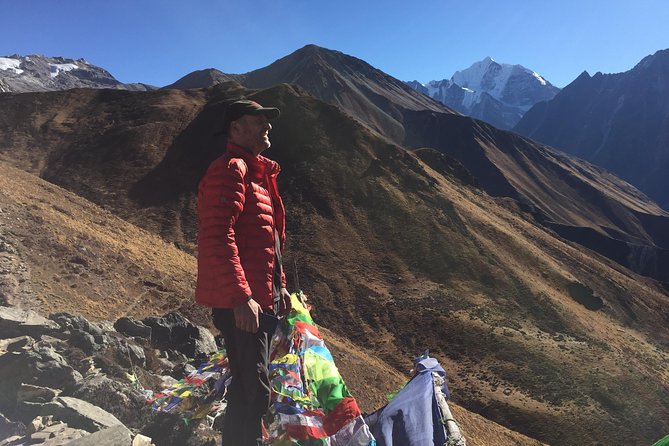
- Beginner-leaning pace: moderate difficulty with gradual terrain and lower altitudes than higher treks.
- All the paperwork handled: Langtang National Park permit + TIMS card included.
- Food and hot drinks daily: breakfast, lunch, dinner for all seven days plus 3 hot beverage cups per trekking day.
- Comfort during the week: six nights of private accommodation on the trek route.
- Your “make it or break it” factor is the guide: I noticed repeat praise for guides like Buddhi, Laku, Nabin, and Pawan.
- A real mountain day trip inside a short itinerary: Kyanjin Gompa is the main focus, with a turnaround back toward Lama Hotel.
More trails out of Kathmandu, boots ready
- Everest Base Camp Trek – 14 Days★ 5.0 · 1,499 reviews
- Everest Base Camp Trek★ 5.0 · 842 reviews
- Everest Base Camp Trekking★ 5.0 · 485 reviews
- Nagarkot Sunrise View and Day Hiking from Kathmandu★ 5.0 · 471 reviews
Langtang Valley Trek: why this week feels doable
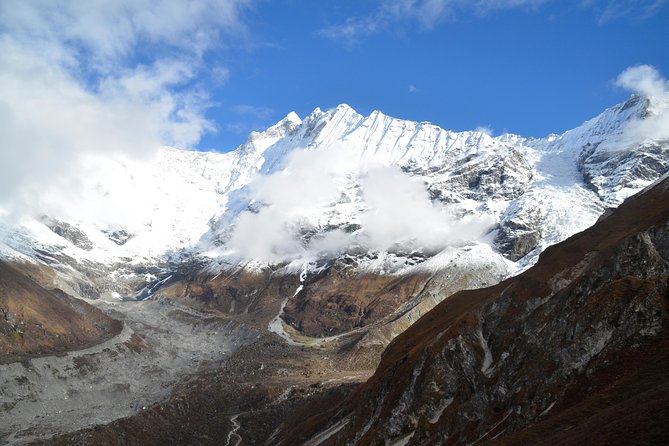
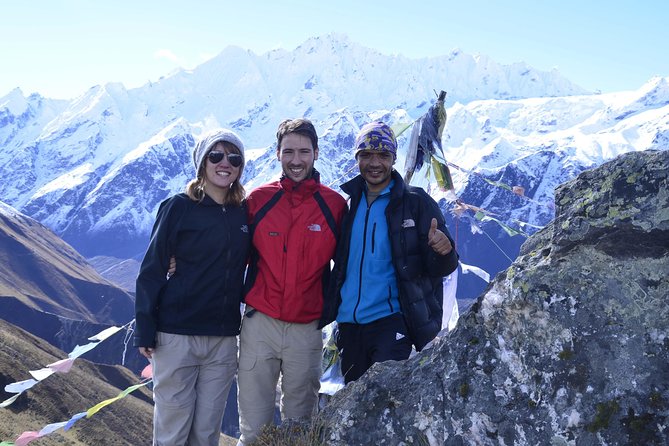
The Langtang Valley Trek has a smart sweet spot. You get the mountains, the Himalayan village life, and the forest-and-river rhythm, all in about a week. It’s not trying to turn you into an endurance athlete. It’s designed as a manageable introduction, especially if you’re new to trekking in Nepal or you just want fewer complications.
The terrain matters here. The route is described as moderate, with gradual progression and lower altitudes compared to some other treks. That combination is what helps first-timers keep their breathing steady and their legs happy. You can slow down when you need to, drink water, and enjoy the scenery instead of white-knuckling the next steep pitch.
You’ll also notice the trek isn’t only about one big viewpoint. It’s about the whole valley experience: walking through forests, moving past farm areas, and arriving at places with their own mountain character. That’s why Kyanjin Gompa feels meaningful at the end of the climbing days, instead of being the only highlight.
Price and logistics: what $555 covers (and what can cost extra)
At $555 per person, the value is mainly in the “support machine” you’re buying. This isn’t just a map and a zip file of instructions. The plan includes:
- Licensed guide for 7 days
- Langtang National Park permit + TIMS card
- Round-trip local sharing jeep transport
- Meals for all seven days (breakfast, lunch, dinner)
- 6 nights private accommodation during the trek
- Medical kit bag
- 3 hot beverage cups per day during trekking days
- Seasonal fruits during the trek
That’s a lot of cost that many self-arranged treks end up paying separately. You’re also spared the hassle of chasing permits right before you leave Kathmandu.
Where your wallet might flex is extras. Tips for trekking crews aren’t included. And there’s an optional package listed as porter cost and private jeep option at $190 per booking. If you want extra hauling help or you’d rather avoid sharing a jeep, that option matters.
Also note the trip is private in the sense that only your group participates. That’s a comfort factor for people who don’t want a crowded-feeling group dynamic. Start time is 6:45 am, so plan for an early morning.
Day 1: Kathmandu morning to Syabrubesi bus ride
Day one starts early, with pickup and an overland drive heading north around the Langtang Himal. The ride is long (the day lists about 12 hours total, including driving), and it’s paced as an “arrival day,” not a “leg day.” You’re traveling toward the trekking base, watching for snow-capped peaks as you go.
The Syabrubensi stop is practical. It’s where the trek’s story begins in earnest. You’re transitioning from city rhythm to mountain rhythm. Even if you don’t feel tired yet, the early start is your reminder to stay hydrated and eat a real meal the moment you can.
Practical tip: on this kind of first travel day, I like to treat it like a warm-up. Bring a light jacket for the ride and plan to keep your layers on hand. If you get chilly on the jeep, it’s better to fix it early than to fight cold later.
Day 2: Syabrubesi into Langtang National Park forest trails
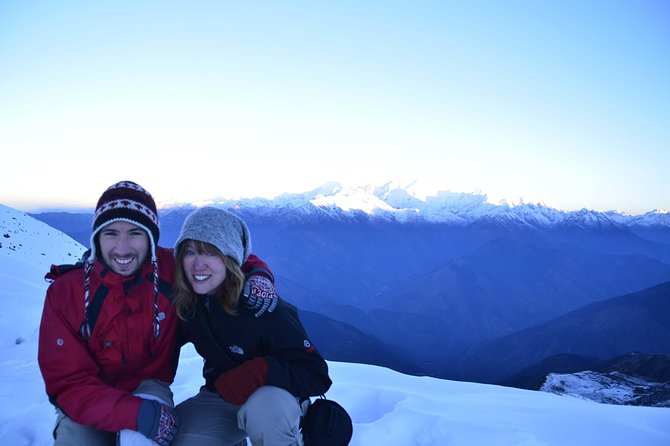
Today you begin walking from Syabrubesi. The route has a classic Langtang feel: you cross a bridge over the Langtang River, then work into farm areas and up toward a dense forest zone. That shift—river edge to working farms to deeper woods—is one of the reasons people love this trek. It’s visually varied without being technical.
The national park part is more than scenery. Because the Langtang National Park permit and TIMS card are included, you can focus on the walk instead of chasing paperwork at the last minute. Also, the trek is described as starting with uphill climb into greenery, which tends to make the day feel like steady progress rather than sudden suffering.
What to expect: more shade than you get on open ridgelines, cooler air under the trees, and a trail that asks for steady footing. This is a day where trekking poles (if you use them) can help you keep balance on uneven ground.
Day 3: Lama Hotel up to Langtang village
From Lama Hotel, the trail follows the river upstream through deep forest and a gorge section. Then you move into a cooler area past Ghodetabla and continue toward Langtang village, where you overnight.
This day is about “mountain logic.” You’ll feel how the valley is shaped by water, rock, and forest. River-adjacent walking can be soothing—until you realize it’s still going uphill. The reward is that the trek keeps changing shape as you go: tighter gorge moments, then wider walking sections that help your pace settle.
If you’re new to trekking, this is one of the days that teaches good habits. Take short steps. Drink regularly. Don’t wait until you’re thirsty. By the end of the day, you’ll understand why the trek is labeled moderate rather than hardcore.
Day 4: Kyanjin Gompa day (the big destination)
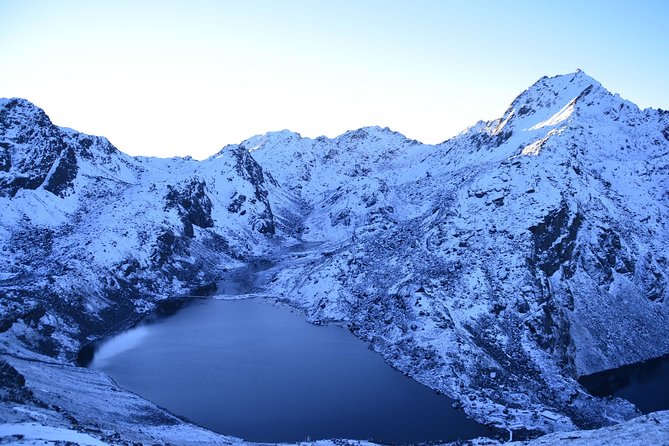
Day four is where the trek turns from “valley trek” into “mountain destination.” You push toward Kyanjin Gompa after a climb that leaves the forested area and reaches a ridge. From there, the trail leads into the final stretch of the day, with Kyanjin Gompa as the major endpoint for the journey.
This is the day most people remember because it’s the clearest payoff: you’re walking upward to a specific place tied to the region’s spiritual and cultural life. And it comes after the earlier days trained your legs to handle sustained walking.
A balanced note: even on moderate treks, this is often the steepest feeling day of the week. Go slower than you think you need to, and don’t let the group pace bully you. Private group trekking helps here, because you can keep a pace that feels sustainable.
Day 5: Langtang Valley time, then back down to Lama Hotel
After reaching Kyanjin, the itinerary shifts into a downhill return toward Lama Hotel, with an overnight stop. This is not a throwaway day. The day still includes time around the beautiful Langtang Valley area, but you get to experience it from the other side—less climbing, more living in the view.
Downhill can be tricky. Your legs might feel okay at first, then your knees start complaining if you rush. That’s why trekking technique matters: short steps, light footfalls, and occasional stretching breaks.
This is also a day where you’ll appreciate the included meals and hot drinks again. After a long trek day (and especially after steep walking earlier), a warm drink and a planned meal help your body recover without you having to negotiate food options.
Day 6: Lama Hotel back to Syabrubesi
Today is trekking back toward Syabrubesi. The route heads downhill through forest and includes a bridge crossing before you reach your last overnight halt around the Langtang Himal region.
It’s a satisfying wrap: you see the path again, and it becomes clearer how the valley trail connects. For first-time trekkers, it’s also a confidence builder. You’re walking the route you already survived upward, and now it feels more “understood.”
Practical reminder: packing out for day six matters. Keep your small essentials easy to access—headlamp (if you use one), water bottle, lip balm, and your warm layer. Mountain weather can change fast, and you’ll be outdoors long enough for a chill to set in.
Day 7: return drive to Kathmandu
The final day is mostly travel. You take a morning overland drive back to Kathmandu after completing the trekking segment and stopping around Syabrubesi for the last time.
This day is about recovery. It’s also your reality check that you packed enough. If you’ve been layering well and drinking water, you’ll likely feel human again by the time you hit Kathmandu.
On a trek like this, the return drive can feel longer than expected. Bring something to occupy your mind, but also watch the passing scenery—snowy peaks, villages, and river valleys can keep the “I’m still on the mountain” mood going.
Guides and the pacing magic: why it matters on Langtang
On this trek, the guide is a bigger deal than it sounds. A good guide keeps the group on a sensible pace, handles permit and timing details, and helps you adjust when conditions shift.
In the guide experience, names that come up include Nabin (paired with a porter named Tenjin), plus guides like Buddhi, Laku, and Pawan. Across those stories, the common theme is how smoothly things run: guides who are friendly, organized, and attentive, with a real focus on getting the plan right day to day.
That matters especially on a first trek. A smooth plan reduces decision fatigue. Instead of worrying about where you’ll sleep and whether you’re doing the right thing, you can focus on the walk. You also get a more confident rhythm, which helps you enjoy the valley instead of obsessing over logistics.
Included comforts that make a difference on day four and beyond
It’s easy to underestimate how much small comforts help on multi-day treks. Here, the included items are the difference between “I survived” and “I felt good.”
You get:
- Breakfast, lunch, dinner for all seven days
- Six nights private accommodation during the trek
- 3 cups of hot beverage per day during the trek
- Seasonal fruits
- A medical kit bag
That “hot beverage” detail is more meaningful than it looks. A warm drink can shift your energy after a cold or wet trail segment. And private accommodation helps you actually rest. After day four to Kyanjin Gompa and the return on day five, sleep quality matters.
What you should pack (so the trek feels moderate, not miserable)
The trek is moderate, but mountains still do mountain things. Pack for layers, not for one perfect outfit.
Bring:
- Warm layer for mornings and evenings (fleece or similar)
- Rain shell or poncho (weather can change quickly)
- Trekking shoes with solid grip
- Trekking poles if they help your knees
- Small daypack for water and snacks
- Sunscreen and lip balm (altitude sun can surprise you)
Also, since the trek includes hot drinks, don’t overpack “special” snacks unless you know you’ll want them. Stick to what you’ll actually eat and keep your main energy coming from the included meals.
Should you book the Langtang Valley Trek?
If you want a Himalayan trekking intro that still feels real—this is a strong choice. It’s structured, guided, and built for moderate effort. The permits, meals, and overnight accommodation being handled takes a lot of risk out of the experience. I’d especially point people toward it if you like the idea of mixing forest trails, river crossings, village days, and a main destination at Kyanjin Gompa.
I’d think twice if you’re the type who hates early mornings or you’re very sensitive to extra spending on top of the base price. Tips aren’t included, and the optional porter/private jeep add-on is listed at $190 per booking.
One more practical note: this tour lists free cancellation up to 24 hours in advance for a full refund. That can be helpful if your schedule is still shifting.
If your goal is to walk in the Langtang Valley with solid support, a manageable pace, and a guide crew that people remember for kindness and professionalism, booking makes sense.
FAQ
What is the duration of the Langtang Valley Trek?
The trek is listed as 7 days (approx.).
What time does the trek start?
The start time is 6:45 am.
What permits are included?
The tour includes Langtang National Park Permit & TIMS Card.
Is pickup offered?
Yes, pickup is offered.
What’s included for meals and drinks?
The tour includes breakfast, lunch, and dinner for 7 days, plus 3 cups of hot beverage per day during the trek and seasonal fruits.
Are there additional costs not included in the price?
Yes. Travel insurance is not included, tips for trekking crews are not included, and there’s an optional porter cost and private jeep (option) for $190 per booking.
More Trekking Out of Kathmandu
More Tour Reviews in Kathmandu
Just Reviewed in Kathmandu
- Mountain Bike Tour
★ 5.0 · 3 reviews - Annapurna Panaroma
★ 5.0 · 3 reviews - Mount Everest Scenic Flight 50 Minutes
★ 5.0 · 3 reviews - Kathmandu : Swambhunath & Durbar Square Guided Half Day Tour
★ 3.3 · 3 reviews - Chandragiri Cable Car & Monkey Temple Tour – Private/Group
★ 5.0 · 3 reviews - Kathmandu: Shivapuri National Park Hiking Day Trip
★ 3.3 · 3 reviews
Langtang Valley Treks, compared.
 ★ 5.0Langtang Valley TrekFrom $83061 reviews
Langtang Valley TrekFrom $70050 reviews
★ 5.0Langtang Valley TrekFrom $83061 reviews
Langtang Valley TrekFrom $70050 reviews
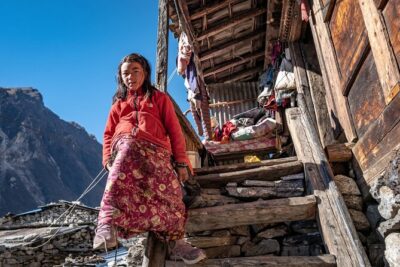 ★ 5.08 Days Tour in Langtang Valley TrekFrom $69845 reviews
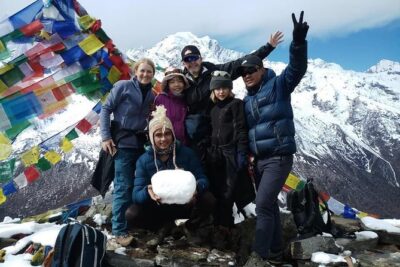 ★ 5.0Private 8 – Day Langtang TrekkingFrom $58429 reviews
★ 5.0Langtang Valley TrekFrom $1,00023 reviews
★ 5.0Private 8 – Day Langtang TrekkingFrom $58429 reviews
★ 5.0Langtang Valley TrekFrom $1,00023 reviews
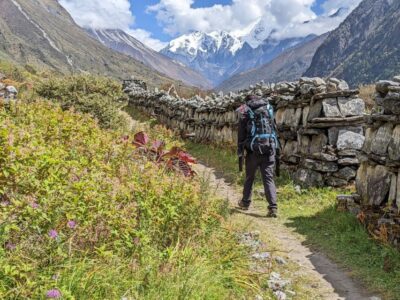 ★ 5.06-Day Limitless Langtang TrekFrom $18121 reviews
★ 5.0Langtang Valley TrekFrom $56020 reviews
★ 5.0Langtang valley trekFrom $61820 reviews
★ 5.06-Day Limitless Langtang TrekFrom $18121 reviews
★ 5.0Langtang Valley TrekFrom $56020 reviews
★ 5.0Langtang valley trekFrom $61820 reviews
Browse the lists this tour appears in