
A calmer Himalayan trek starts close to Kathmandu. This 8-day Langtang Valley Trek keeps things practical with a small group (max 15), a short drive to the trail, and an altitude profile that stays relatively moderate for Nepal standards. I like that it’s built around personal attention with a licensed English-speaking guide and porters, and I also like that you get the full Langtang range vibe without needing a super-high-altitude trek plan.
The main thing to think about is comfort level: you’re on basic teahouse accommodation for 7 nights, and you’ll hike about 6–7 hours a day. If you expect a hotel bed and zero discomfort, this route may feel like too much work.
That said, the payoff is real: you’ll spend your days moving through valleys, meeting Tamang culture and high-mountain life, and spotting yaks grazing in Himalayan meadows. And if you’re lucky with your team, it can feel genuinely caring—guides like Ram Krisna have been described as cheerful and attentive, with porters who help you feel safe and steady.
In This Review
- Quick take: why this Langtang trek works
- A trailhead that’s quick from Kathmandu
- Kathmandu to Syabrubesi: the journey that sets the pace
- Teahouses for 7 nights: what to expect on the ground
- Walking days: 6–7 hours, culture stops, and steady effort
- Your guide and porters: support that can make or break the trek
- Langtang Valley views, but with a culture layer
- Borrowed gear: down jacket and sleeping bag (on request)
- Meals and daily recovery: included fuel matters
- Price and logistics: is $700 good value?
- Who should choose this Langtang Valley Trek?
- Final call: should you book with Incredible Treks?
- FAQ
- How long is the Langtang Valley Trek?
- Where does the trek start and how do you get there?
- What’s included during the trekking portion?
- Are down jackets and sleeping bags provided?
- How many hours do you hike each day?
- What is the group size?
- Is accommodation in Kathmandu included?
Quick take: why this Langtang trek works
- Small-group feel (max 15): more time with your guide, less waiting around.
- Moderate altitude by Nepal standards: a strong choice if you’re short on time or altitude-stressed.
- 7 teahouse nights + most meals: you’re not constantly planning logistics day to day.
- Guide/porter support: 2 trekkers share 1 porter, with a licensed English-speaking guide.
- Cold-weather gear on request: down jacket, sleeping bag, and even a duffel bag can be provided.
- Tamang and Tibetan cultural sights: day-to-day life, not just views.
More trails out of Kathmandu, boots ready
- Everest Base Camp Trek – 14 Days★ 5.0 · 1,499 reviews
- Everest Base Camp Trek★ 5.0 · 842 reviews
- Everest Base Camp Trekking★ 5.0 · 485 reviews
- Nagarkot Sunrise View and Day Hiking from Kathmandu★ 5.0 · 471 reviews
A trailhead that’s quick from Kathmandu
One reason this trek feels doable is that the trail starts with a short drive from Kathmandu, then transitions into the walk. You’re not spending days just getting to a remote staging area. That matters if you’re trying to see the Himalaya without burning your entire trip on transport.
The hiking rhythm is also straightforward. You’ll walk about 6–7 hours per day, moving through valleys and stopping at mountain lodges for the night. The route is designed for active travelers—steady effort, not a technical climb.
If you’re planning your expectations, think “long walk with culture and scenery,” not “summit expedition.” The info about the trek highlights that it doesn’t go too high in altitude compared to some other Nepal treks, which is why it often suits people with limited vacation time.
Kathmandu to Syabrubesi: the journey that sets the pace
Your plan includes Kathmandu ↔ Syabrubesi ↔ Kathmandu using local bus. That’s a useful detail because it shapes your first and last day: you’ll be traveling, not trekking, so pace is slower at the start and finish.
Pick-up is offered, which helps if you don’t want to wrestle with the city on day one. You’re also given a mobile ticket, which can make day-of coordination simpler.
One more practical point: Kathmandu lodging is not included. So you’ll want to plan at least one night in the city on your own before and/or after the trek (depending on your schedule). This matters because it changes the real “all-in” cost compared with the headline trek price.
Teahouses for 7 nights: what to expect on the ground
This trek includes 7 nights of teahouse accommodation during the walking portion. Teahouses are basic by design. Rooms are simple, and life is centered on the communal areas where you eat and rest.
The upside is that you’re never carrying everything for nights on end. The downside is that you should mentally switch from hotel mode to trek mode. Bring the right attitude: you’re there to walk, look, and connect with mountain life, not to demand luxury.
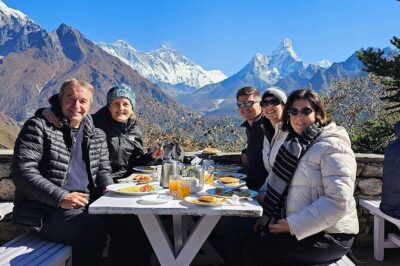
You’ll also be eating inside this teahouse system: breakfasts and then lunch and dinner as per the trek schedule during the trekking days. Since meals are included during the trekking portion, you spend less time searching for food and more time recovering between hiking days.
Walking days: 6–7 hours, culture stops, and steady effort
Each day is built around movement and exploration. The plan describes 6–7 hours of hiking, where you’ll pass through areas tied to Tibetan culture, high mountains, and local lifestyles. That means the trek is doing two jobs at once: covering distance and giving you daily cultural context.
This is where a good group and guiding team matter. You’ll want someone to help you pace correctly and make sense of what you’re seeing—especially when weather shifts or paths feel longer than expected.
Also keep in mind that “relatively easy” in Nepal can still mean tired legs. If you like hiking, this route should feel satisfying. If you haven’t been hiking much lately, you’ll still do fine if you walk smart (slow and steady) and listen to your guide.
Your guide and porters: support that can make or break the trek
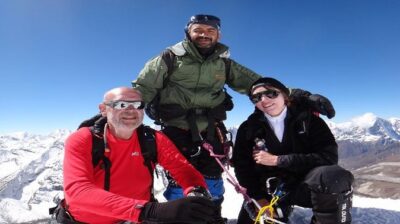
The tour uses licensed English-speaking trekking guides and porters, with related expenses included. The staffing ratio is described as 2 trekkers : 1 porter, which helps a lot when you’re carrying your day-to-day gear but not your heavy load.
The practical value here is energy. When your porter is handling bulkier items, you can focus on footing and breathing. And when the guide knows the route and health considerations, you can move with less stress.
There are also real examples from prior trek teams. If you get a guide like Ram Krisna, expect the kind of attention that makes you feel comfortable, especially if you’re trekking with someone who’s a bit younger. Another guide named Lochan Gurung has been praised as superb, with porters John and Nabin called out for caring support and keeping the group feeling looked after.
Your exact guide can vary, but the structure is consistent: you’re not going in solo. You’re walking with a team that’s meant to keep you safe, warm, and moving.
Langtang Valley views, but with a culture layer
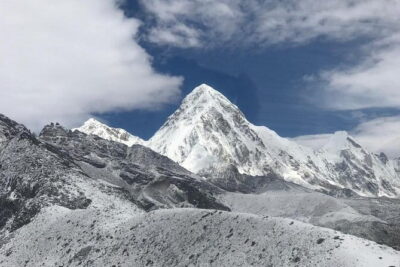
You’re signing up for one of Nepal’s classic “views plus life” experiences. The trek is designed to show you Langtang range scenery, while also learning about Tamang culture and daily mountain-world routines.
The highlights mention yaks grazing in Himalayan meadows, and that kind of moment is usually where the trek shifts from “workout” into “memory.” The guide support helps, too—your day is richer when you understand what you’re passing and why it matters to local communities.
One more element from the tour description: you’ll be exposed to Tibetan cultural influences along the way. In practice, that often shows up in how villages are organized, how people live in valley settings, and the everyday rhythm of mountain life rather than just big monuments.
Borrowed gear: down jacket and sleeping bag (on request)
A smart feature here is cold-weather gear you can borrow. The trek offers down jackets and sleeping bags available for request, plus a duffel bag provided (also on request). You’ll need to return these items after the trek.
This is a value win if you’re traveling from overseas. Buying a down jacket and sleeping bag for one short trek can be expensive and then it just sits in your closet after. Borrowing reduces gear hassle and usually makes packing lighter.
What to do practically: bring clothing suitable for hiking, and plan for layers. Even if the trek avoids extreme altitude, the mountains can still feel cold—especially with early starts and changing weather.
Also remember that personal trek equipment is not included. So you’ll still need your own basics (think clothing, footwear, and any personal items you rely on). The borrowed gear helps with warmth, but it doesn’t replace your entire kit.
Meals and daily recovery: included fuel matters
During the trekking portion, you get breakfast, lunch, and dinner as per the itinerary. That’s not a small detail. When meals are built in, you can keep your pace and recovery consistent. You’re not stuck making last-minute decisions about food options at the end of a hiking day.
In Kathmandu, though, meals are not included. Lunch and dinner in Kathmandu are listed as not included, so plan a budget for at least some city meals. It’s also a reminder that your trek portion has a different system than your travel portion.
One more small but important practical note: personal nature expenses are not included. That typically means drinks, snacks, and extras along the trail aren’t covered. Plan for water and small purchases based on what you actually use.
Price and logistics: is $700 good value?
At $700 per person for an 8-day trek, the real question is what you’re getting for that number. Here’s what’s clearly included:
- 7 nights teahouse accommodation
- Most meals during trekking (breakfast/lunch/dinner)
- Licensed English-speaking guide plus porters (2 trekkers per porter)
- Kathmandu ↔ Syabrubesi ↔ Kathmandu by local bus
- National Park fees and TIMS fees
- Taxes, fees, and handling charges
- Down jacket and sleeping bag (and duffel bag) on request
What’s not included also matters:
- Kathmandu accommodation
- Lunch and dinner in Kathmandu
- Medical, accidental, or rescue insurance (including helicopter-type expenses)
- Emergency evacuation costs if anything goes wrong
- Personal trek equipment
- Tipping to field staff
- Personal drinks, bottled water, laundry, and other personal costs
So is it good value? For many hikers, yes—because the big cost drivers (guide/porter time, trekking lodging, and official fees) are handled. The budget risks are mostly on the edges: Kathmandu hotel nights, your own gear, and especially your insurance.
If you already own hiking gear and you’re comfortable adding insurance, the trek price looks more like a well-packaged service. If you’d have to buy everything new, the all-in cost can creep up quickly.
Who should choose this Langtang Valley Trek?
This trek is aimed at people with moderate physical fitness who want a manageable Himalayan experience. The hiking time is described as about 6–7 hours a day, so it works best if you’re comfortable with long walking days.
It’s also a good match if you want:
- A small-group feel (max 15)
- Local guide + porters for support
- A route that’s not designed to push very high altitude
- A short drive start from Kathmandu so you don’t lose days just traveling
You should be more cautious if you hate basic lodging. Teahouses are part of the deal for 7 nights. If you’re sensitive to cold or tiredness, bring the right layer system and don’t try to “tough it out” without pacing.
This tour also has some group rules: a minimum of 2 people per booking is required, and it’s max 15 people. Children can go, but they must be accompanied by an adult.
Final call: should you book with Incredible Treks?
If you want an 8-day Langtang Valley Trek that feels organized, socially easy, and supportive—this is a strong option. The mix of teahouse nights, included park/TIMS fees, a licensed English-speaking guide, and porter support is exactly the kind of structure that makes a first Himalayan trek feel less chaotic.
I’d book if your priorities are:
- moderate altitude and a doable daily walk
- learning about Tamang culture and mountain life
- minimizing gear purchases thanks to borrowed down jacket and sleeping bag
I’d think twice if you need hotel-level comfort every night or if you haven’t done much long-distance walking. And regardless of comfort level, don’t skip insurance—medical and rescue costs aren’t covered by the tour.
If your schedule is still flexible, you’ll also have peace of mind with free cancellation up to 24 hours before the experience starts.
FAQ
How long is the Langtang Valley Trek?
It’s listed as 8 days (approx.).
Where does the trek start and how do you get there?
The route includes Kathmandu → Syaprubesi → Kathmandu by local bus, and a trailhead short drive from Kathmandu is part of the experience.
What’s included during the trekking portion?
You get 7 nights’ teahouse accommodation and breakfast, lunch, and dinner during the trekking days, plus a licensed English-speaking trekking guide and porter support.
Are down jackets and sleeping bags provided?
Yes. Down jackets and sleeping bags can be borrowed during the trek (and a duffel bag is also provided upon request). You must return the borrowed items after the trek.
How many hours do you hike each day?
The plan describes hiking about 6–7 hours per day.
What is the group size?
The group maximum is 15 travelers per booking (small-group tour).
Is accommodation in Kathmandu included?
No. Accommodation in Kathmandu is not included, and lunch and dinner in Kathmandu are also not included.
More Trekking Out of Kathmandu
More Tour Reviews in Kathmandu
Just Reviewed in Kathmandu
- Mountain Bike Tour
★ 5.0 · 3 reviews - Annapurna Panaroma
★ 5.0 · 3 reviews - Mount Everest Scenic Flight 50 Minutes
★ 5.0 · 3 reviews - Kathmandu : Swambhunath & Durbar Square Guided Half Day Tour
★ 3.3 · 3 reviews - Chandragiri Cable Car & Monkey Temple Tour – Private/Group
★ 5.0 · 3 reviews - Kathmandu: Shivapuri National Park Hiking Day Trip
★ 3.3 · 3 reviews
Langtang Valley Treks, compared.
 ★ 5.0Langtang Valley TrekFrom $555140 reviews
★ 5.0Langtang Valley TrekFrom $83061 reviews
★ 5.0Langtang Valley TrekFrom $555140 reviews
★ 5.0Langtang Valley TrekFrom $83061 reviews
 ★ 5.08 Days Tour in Langtang Valley TrekFrom $69845 reviews
 ★ 5.0Private 8 – Day Langtang TrekkingFrom $58429 reviews
★ 5.0Langtang Valley TrekFrom $1,00023 reviews
★ 5.0Private 8 – Day Langtang TrekkingFrom $58429 reviews
★ 5.0Langtang Valley TrekFrom $1,00023 reviews
 ★ 5.06-Day Limitless Langtang TrekFrom $18121 reviews
★ 5.0Langtang Valley TrekFrom $56020 reviews
★ 5.0Langtang valley trekFrom $61820 reviews
★ 5.06-Day Limitless Langtang TrekFrom $18121 reviews
★ 5.0Langtang Valley TrekFrom $56020 reviews
★ 5.0Langtang valley trekFrom $61820 reviews
Browse the lists this tour appears in