
Review · LANGTANG VALLEY TREKS
Langtang Valley Trek
The glaciers of Langtang feel close.
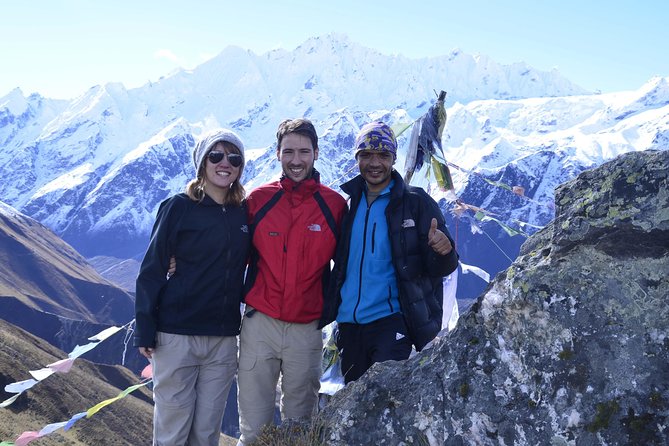
This trek runs north of Kathmandu into a glacier-shaped valley where Langtang Lirung dominates the views, and the trail keeps switching moods from pine forest to snow-capped peaks to Buddhist monasteries. I like that you’re not just hiking scenery—you’re also moving through a living Himalayan culture, guided by people who slow down long enough to explain what you’re seeing.
What I love most is how much is handled for you. With accommodation, meals (B/L/D), and a hotel pickup and drop included, you spend less time figuring out logistics and more time actually walking and taking in the “valley of glaciers” feel.
One consideration: you need moderate physical fitness, and the meeting time is early (7:15 am), so build your trip around a steady pace and an early start mindset.
In This Review
- Key things that make this Langtang trek worth your time
- Langtang Valley: why this “valley of glaciers” hits so hard
- Pickup, private group, and that early 7:15 am start
- Value check: what $1,000 buys you (and what it doesn’t)
- The guides: how names like Sujan, Pabitra, Ram Dahal, and Akas change the trip
- What you actually walk through: pine forest, streams, rocks, meadows, and monastery calm
- Pace, rest, and the comfort of meals and lodging handled for you
- What to plan for in the real world: fitness, drinks, and a few smart prep moves
- Who this Langtang Valley Trek is best for
- Should you book Langtang Valley Trek with Pariwar Holidays Pvt. Ltd.?
- FAQ
- Where does the Langtang Valley Trek start?
- How long is the Langtang Valley Trek?
- What is the price per person?
- Is the tour private?
- What’s included in the trek package?
- What is not included?
- Do I need to be physically fit?
- Can children join?
Key things that make this Langtang trek worth your time
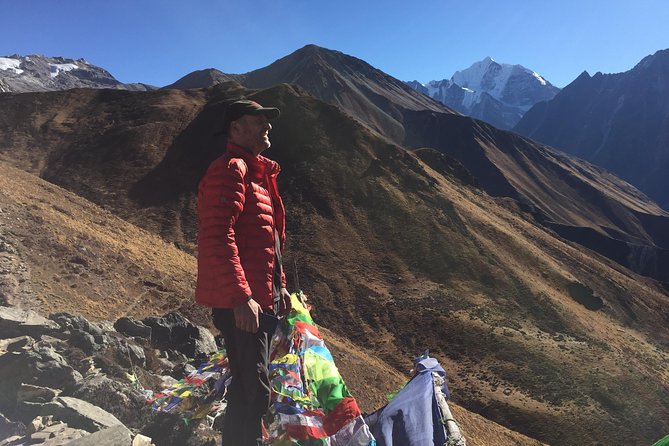
- Glacier valley atmosphere: you’ll be in a region shaped by ice flowing around the valley, with views that feel big and close.
- Big scenery, small moments: pine forests, mountain streams, rugged rock sections, grassy meadows, and ancient Buddhist monasteries.
- A guide who adds context: names that come up often include Sujan, Pabitra, Dinesh Ban, Ram Dahal, Sunil Tamang, Akas, and Subodh Pandey.
- Private setup: it’s a private activity, so your schedule and pace are less likely to get steamrolled by a random group.
- Logistics taken care of: lodging, meals, and pickup/drop are included, so you can focus on the trek.
More trails out of Kathmandu, boots ready
- Everest Base Camp Trek – 14 Days★ 5.0 · 1,499 reviews
- Everest Base Camp Trek★ 5.0 · 842 reviews
- Everest Base Camp Trekking★ 5.0 · 485 reviews
- Nagarkot Sunrise View and Day Hiking from Kathmandu★ 5.0 · 471 reviews
Langtang Valley: why this “valley of glaciers” hits so hard
Langtang sits about 19 miles north of Kathmandu, but it doesn’t feel like a quick getaway. The whole area is shaped by glaciers flowing around the valley, which is why the mountains here look powerful even when you’re just stepping along the trail.
The star is Langtang Lirung (7246). When it’s in view, you get this sense that the landscape is doing the talking. And because the route passes through pine forest, streams, rocks, and then open grassy stretches, your eyes don’t get bored. You’re constantly switching between shade and sun, rushing water and steep rock, enclosed forest and wide mountain views.
One of the best parts of this trek is how faith and hiking overlap. As you move along the trail, you’ll encounter ancient Buddhist monasteries. Even if you’re not an expert on Buddhism, you’ll feel the calm. It’s a useful break from the grind of walking—like a pause button where your brain stops calculating steps for a minute.
Finally, this is also a Langtang National Park area, which gives the trek an added layer of “I’m walking through something protected” energy. That matters when you’re choosing where to put your time in Nepal.
Pickup, private group, and that early 7:15 am start
This trek includes hotel pickup and drop, and the start time is listed as 7:15 am. That’s a small detail, but it changes the day. Early starts mean you should plan to sleep well the night before, and you’ll want to be ready to move quickly once you’re collected.
It’s also a private tour/activity, meaning only your group participates. In real life, that tends to help with pace and comfort—especially on days where the trail gets uneven or the weather shifts.
You’ll receive a mobile ticket, and the meeting point is described as being near public transportation. If you’re the type who likes having options (or you’re traveling solo and want less stress getting to the initial pickup), that’s a good sign.
The main practical takeaway: treat the first morning like the start of a proper trek, not a casual sightseeing half-day. Set your expectations accordingly, and the whole trip feels smoother.
Value check: what $1,000 buys you (and what it doesn’t)
The price listed is $1,000 per person for a trek described as about 6 days. Here’s the value math that matters:
Included:
- Accommodation as per itinerary
- Meals as per itinerary (breakfast, lunch, dinner)
- Professional guide
- All taxes, fees and handling charges
- Hotel pickup and drop
Not included:
- Alcoholic drinks (available to purchase)
- Drinks
- DVD (available to purchase)
- Souvenir photos (available to purchase)
So you’re paying for the basics that usually eat up time and brainpower on a mountain trip. When lodging and meals are handled, you’re not running around trying to confirm places to eat or where to sleep while you’re tired and sore.
The one financial reality to plan for is that drinks are not included. Tea, water, soft drinks—whatever you typically grab—add up when you’re trekking. Also, extra add-ons like souvenir photos and a DVD can be tempting if you’re hoping for a “captured memories” package.
If you want a simple trip with fewer decisions—and you value having a guide doing the heavy lifting—that’s where the price starts to make sense. If you like controlling every detail yourself, you might find a different style of trip cheaper. But if you want your days to feel organized from Kathmandu to the trail, this package is built for that.
The guides: how names like Sujan, Pabitra, Ram Dahal, and Akas change the trip
On a trek like this, the guide isn’t just a person holding a clipboard. The guide shapes your whole experience: when you pause, what you notice, and how you handle the small problems that always show up in mountains.
The strongest theme across the guidance you’ll see offered here is culture and context. People mention guides like Sujan, Pabitra, and Dinesh Ban as being excellent at explaining Nepali culture and customs, and at adding small stories along the way that make each stop feel less random.
Another theme is care and patience. Names like Ram Dahal, Sunil Tamang, and Akas come up with an emphasis on being patient, kind, and genuinely invested in making the trek go well. That matters because trekking is rarely just about fitness. It’s also about staying calm when the body gets tired and the weather acts unpredictable.
You’ll also see references to guides who handle more than just walking. Some experiences include talk of the team organizing key trip components like paperwork, and that’s the hidden value most people don’t notice until they’re already in the country. When your guide and operator are switched-on, you spend less time worrying and more time hiking.
Bottom line: if you care about understanding what you’re seeing—not just collecting photos—this is the part that will pay off the most.
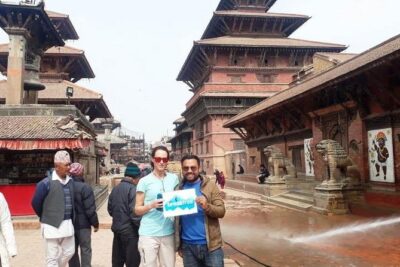
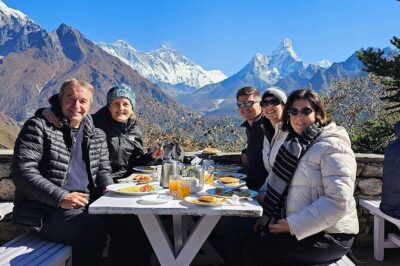
What you actually walk through: pine forest, streams, rocks, meadows, and monastery calm
Even without a written day-by-day schedule in front of you, the trail character is clear from the description:
- Pine forest: You’re starting in a wooded world, which usually means cooler walking and a different feel underfoot. It’s also a good zone to settle into your pace.
- Swift mountain streams: Water moving fast usually means dramatic sound. You’ll hear it more than you expect, and it adds that constant “we’re really in the mountains” signal.
- Rugged rocks: Expect sections where the footing demands attention. This is where good pacing helps—don’t race the rough parts. Move like you’ve got all day.
- Snow-capped peaks: The views don’t stay one-note. You go from close trail detail to wider mountain scenes, and the changing sightlines help your legs stay distracted.
- Grassy meadows: Meadows are your reset button. They often feel like a reward after the rockier stretches, and they’re the kind of places where you slow down just to stand still and breathe.
- Ancient Buddhist monasteries: These stops are more than photo ops. They’re a mental break mid-trek, especially when you’ve been walking for hours and want a moment that feels quiet and purposeful.
And then there’s the big-picture theme: the valley is known as the valley of glaciers, which ties the whole trek together. Even when you’re focused on footing, the glacier-shaped reality of the mountains shows up in the scale of the slopes and the way the valley holds the ice story in the background.
Pace, rest, and the comfort of meals and lodging handled for you
This trek is set up with accommodation as per itinerary and meals (B/L/D). That matters because food and sleep are not small details on a multi-day trek. They’re the fuel that keeps you from turning the last day into a struggle.
Practically, it means:
- You’ll know when you’ll eat, so you can match your walking hours to energy.
- You won’t waste time hunting for meals in the middle of hiking fatigue.
- You can focus on hydration and protecting your body between walking sessions.
The biggest “value” of included lodging and meals is not comfort in the luxury sense. It’s that you remove decision fatigue. After a day of moving through forests, rocks, and altitude exposure (again, depending on your exact route), you want your evening to feel simple.
Also, because this is a private activity, you’re more likely to have a guide who can help keep the pace realistic for your group’s needs, instead of rushing you to match strangers.
What to plan for in the real world: fitness, drinks, and a few smart prep moves
A few items are explicitly stated and worth treating as non-negotiables:
- Moderate physical fitness is required. If you’re coming from a sedentary routine, start with stairs and longer walks well before your trip date.
- Children must be accompanied by an adult. If you’re traveling with family, make sure adults are clearly assigned responsibility.
- Expect early morning starts (7:15 am).
- Drinks are not included, though they’re available to purchase. Budget for that, and keep a little extra cash if you prefer that buffer.
- Alcoholic drinks are available to purchase, but they’re not part of the included meal package.
A practical note: trekking trips often include plenty of time for breaks, but the mountains still make the rules. Wear footwear you trust, bring layers for temperature swings, and don’t plan anything ambitious after a long hiking day except eating and sleeping.
If you’re the kind of person who gets restless without a plan, this package helps because a lot of the structure is already set: pickup/drop, meals, lodging, and a professional guide.
Who this Langtang Valley Trek is best for
I’d steer you toward this trek if:
- You want big glacier-valley views without trying to design every logistics step yourself.
- You care about culture and monastery stops, not just summit-photo chasing.
- You like having a professional guide who can explain what you’re seeing and keep things organized.
- You prefer a private group experience where pace and timing don’t feel chaotic.
I’d think twice if:
- You’re hoping for minimal walking or a mostly flat route.
- You want all drinks and extras included. Alcohol and drinks are not included, and photos/DVD are add-ons.
Should you book Langtang Valley Trek with Pariwar Holidays Pvt. Ltd.?
Based on what’s included and how the experience is framed, I think this is a strong choice if you want a straightforward, well-supported trek in a place that feels genuinely Himalayan—glacier valley scenery, monastery culture, and mountain walking that keeps changing from one kind of terrain to the next.
Book it if you value:
- Included meals and lodging
- Hotel pickup/drop
- A guide known for culture explanations and day-to-day support, with names like Sujan, Pabitra, Dinesh Ban, Ram Dahal, Sunil Tamang, Akas, and Subodh Pandey showing up again and again in offered guidance.
Don’t book it if you’re expecting drinks to be included or you need a trek that’s physically easy on day one. This is for people who can handle a steady pace and an early start.
If that sounds like you, you’ll likely come away feeling like Langtang gave you more than just a pretty hike.
FAQ
Where does the Langtang Valley Trek start?
The trek is based in Kathmandu, Nepal, and the meeting time is listed as 7:15 am. Hotel pickup and drop are included.
How long is the Langtang Valley Trek?
It’s listed as 6 days approximately.
What is the price per person?
The price is $1,000.00 per person.
Is the tour private?
Yes. It’s a private tour/activity, and only your group will participate.
What’s included in the trek package?
Included items are accommodation as per itinerary, meals as per itinerary (B/L/D), all taxes/fees/handling charges, a professional guide, and hotel pickup and drop.
What is not included?
Alcoholic drinks (available to purchase), drinks, DVD (available to purchase), and souvenir photos (available to purchase) are not included.
Do I need to be physically fit?
You should have a moderate physical fitness level.
Can children join?
Children must be accompanied by an adult.
More Trekking Out of Kathmandu
More Tour Reviews in Kathmandu
Just Reviewed in Kathmandu
- Mountain Bike Tour
★ 5.0 · 3 reviews - Annapurna Panaroma
★ 5.0 · 3 reviews - Mount Everest Scenic Flight 50 Minutes
★ 5.0 · 3 reviews - Kathmandu : Swambhunath & Durbar Square Guided Half Day Tour
★ 3.3 · 3 reviews - Chandragiri Cable Car & Monkey Temple Tour – Private/Group
★ 5.0 · 3 reviews - Kathmandu: Shivapuri National Park Hiking Day Trip
★ 3.3 · 3 reviews
Langtang Valley Treks, compared.
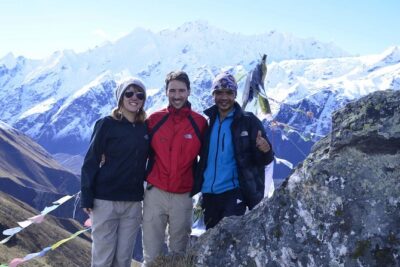 ★ 5.0Langtang Valley TrekFrom $555140 reviews
★ 5.0Langtang Valley TrekFrom $83061 reviews
Langtang Valley TrekFrom $70050 reviews
★ 5.0Langtang Valley TrekFrom $555140 reviews
★ 5.0Langtang Valley TrekFrom $83061 reviews
Langtang Valley TrekFrom $70050 reviews
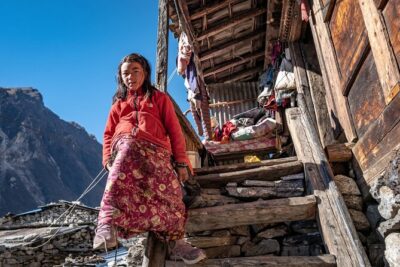 ★ 5.08 Days Tour in Langtang Valley TrekFrom $69845 reviews
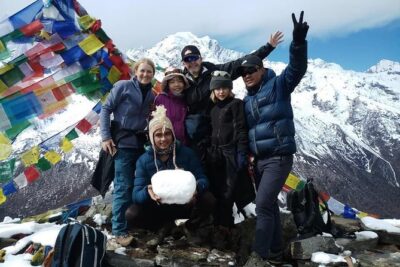 ★ 5.0Private 8 – Day Langtang TrekkingFrom $58429 reviews
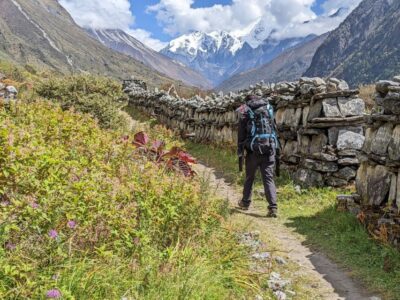 ★ 5.06-Day Limitless Langtang TrekFrom $18121 reviews
★ 5.0Langtang Valley TrekFrom $56020 reviews
★ 5.0Langtang valley trekFrom $61820 reviews
★ 5.06-Day Limitless Langtang TrekFrom $18121 reviews
★ 5.0Langtang Valley TrekFrom $56020 reviews
★ 5.0Langtang valley trekFrom $61820 reviews
Browse the lists this tour appears in