
Review · LANGTANG VALLEY TREKS
Langtang valley trek
Trek into Langtang feels like a quieter Nepal. This Langtang Valley + Gosainkunda Lake + Helambu route threads together high passes, yak-trek history, and Buddhist village life, all backed by solid logistics from Kathmandu. I love that the trip includes national park permits, an English-speaking guide, and the porter setup (so you’re not alone with a heavy pack and zero help). I also like the built-in pace: several lodge nights and proper meal coverage reduce decision stress after long walking days.
The one thing to consider: the trekking lodges are basic (and no attached bathrooms during trekking days), and you’ll still pay extra for items like drinks, battery charging, laundry, and showers.
If you want a classic Himalayan trek without the chaos, this is a very good bet.
In This Review
- Key highlights worth caring about
- Why Langtang, Gosainkunda, and Helambu is a smarter trek than you’d expect
- The route’s big moments: from Tserkuri (4,900m) to Gosainkunda lakes
- Tserkuri Peak (4,900m): where the effort starts to pay off
- Suryakunda lakes: a scenic detour that still feels like trekking
- Gosainkunda: the pilgrimage day that gives the scenery extra weight
- The high pass (15,187 ft): the tough-feeling day
- Helambu villages: Buddhism on the ground, not in a guidebook
- The day-by-day feel, without the false precision
- 1) Kathmandu to Syabrubensi by bus
- 2) Langtang Valley trekking with lodge nights
- 3) High-point movement: Tserkuri and then onward
- 4) Gosainkunda and Suryakunda lake area
- 5) The high pass at 15,187 ft
- 6) Helambu villages and the slow landing back toward Kathmandu
- Lodges, food, and what comfort really means on this trek
- Guides and porters: the human part that makes the trek smooth
- Price and value: what $618.75 really buys you (and what it doesn’t)
- Altitude and pacing: how to think about 4,900m and 15,187 ft
- Who should book this trek—and who should tweak the plan
- Should you book this Langtang Valley trek with Gokyo Treks?
- FAQ
- FAQ
- What’s included in the Langtang Valley trek package?
- Do the mountain lodges have attached bathrooms?
- What’s the price and duration for this trek?
- Is pickup offered in Kathmandu?
- Do I need a visa for Nepal?
- What are the main things not included?
- Is a guide provided, and what language do they speak?
- How is porter support handled?
- What permits are included?
- Can I cancel for a full refund?
- Is this a private trek?
Key highlights worth caring about
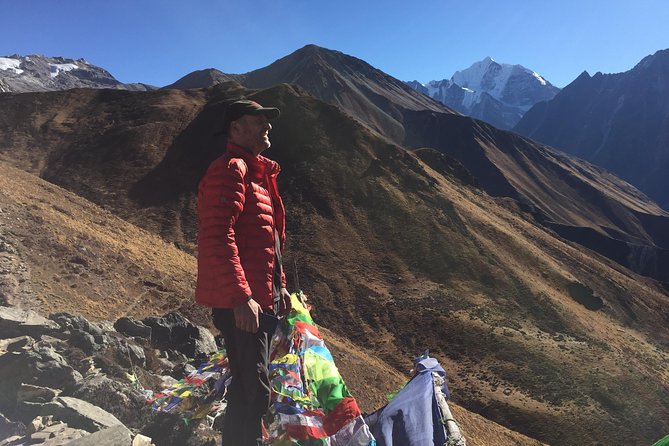
- Langtang Lirung and the high-mountain scenery: the region is dominated by peaks like Langtang Lirung (7,227m) and Xisapangma (8,103m).
- Tserkuri Peak pass (4,900m): a meaningful high point early enough to make the views and effort feel earned.
- Gosainkunda pilgrimage focus: Gosainkunda is treated as an important spiritual stop for visitors.
- Suryakunda lakes and a high pass (15,187 ft): big altitude days where you’ll want good pacing and steady rhythm.
- Helambu village culture: a chance to slow down and connect with Buddhist community life.
- Organization that shows up in the details: guide/porter ratios, English support, and consistent handoffs in a private group.
More trails out of Kathmandu, boots ready
- Everest Base Camp Trek – 14 Days★ 5.0 · 1,499 reviews
- Everest Base Camp Trek★ 5.0 · 842 reviews
- Everest Base Camp Trekking★ 5.0 · 485 reviews
- Nagarkot Sunrise View and Day Hiking from Kathmandu★ 5.0 · 471 reviews
Why Langtang, Gosainkunda, and Helambu is a smarter trek than you’d expect
Langtang sits in Nepal’s Himalayan heart, but it doesn’t feel like a headline trek. The walking connects three very different “moods” of the mountains: glacial valleys in Langtang, the sacred lakes of Gosainkunda, and then calmer village stretches in Helambu. The result is a trek that doesn’t just chase altitude—it changes the story as you go.
I also like the way the route is framed around real landmarks, not just “up and down.” You’re working around named high points and a clearly important pilgrimage area. Gosainkunda isn’t treated like a random lake view. It’s a destination with meaning, which matters because it changes how local life shows up along the path.
And the practical side is strong. You get lodge accommodation for 6 nights in the mountains, plus meal coverage that’s clearly planned (breakfast for 5 days, lunch for 6, dinner for 6). That’s the kind of structure that keeps you from burning time figuring out food logistics at the end of each day.
The route’s big moments: from Tserkuri (4,900m) to Gosainkunda lakes
Here are the highlights I’d circle on your trek planning sheet—because each one affects your day.
Tserkuri Peak (4,900m): where the effort starts to pay off
The trek includes going over Tserkuri peak at 4,900 meters. Even without a technical climbing feel, this kind of altitude day tends to define how you manage energy for the rest of the trek. You’ll want slow steps, regular breathing, and zero hero mode. The payoff is that you’re getting “almost to the edge” of the Langtang region’s dramatic mountain world. You also tend to feel the altitude more quickly in this kind of section, so it sets the tone.
Suryakunda lakes: a scenic detour that still feels like trekking
The route combines with the Suryakunda lakes. This is important because it’s not just a passing viewpoint—it’s part of the path logic. On a trek like this, lakes are often the places where you pause, reassess weather, and take photos without rushing. They also help break up long climbing sections.
Gosainkunda: the pilgrimage day that gives the scenery extra weight
The trek goes to Gosainkunda, described as an important pilgrimage destination. That matters for two reasons:
- You’re walking toward something locals treat as meaningful.
- Your “why” for the day becomes stronger than just distance and elevation.
The legendary backstory included here—about a lama following a runaway yak that led to the valley—also adds texture. Whether or not you track every detail of the story, it makes the place feel human, not just geographic.
The high pass (15,187 ft): the tough-feeling day
The itinerary includes a high pass at 15,187 ft. That’s one of the days where you should expect slower progress and a bigger need for hydration and steady pacing. This is exactly the type of terrain where good guidance helps, because you’re not just navigating—you’re managing your body.
Helambu villages: Buddhism on the ground, not in a guidebook
After the big mountain days, the trek includes Helambu village exploration. The route specifically frames Helambu as a good valley to discover Buddhism. This is where the trek becomes less about altitude and more about everyday rhythm: local hospitality, village culture, and a different pace of conversation.
The day-by-day feel, without the false precision
You weren’t given a strict printed itinerary here, so I’ll describe the flow in realistic “segments” based on the route components.
1) Kathmandu to Syabrubensi by bus
You start in Kathmandu and use a bus transfer to Syabrubensi, then later return by bus to Kathmandu. Syabrubensi is the common gateway area for Langtang-region trekking, and the practical value is time: you’re not spending the first day stuck in travel fatigue before your first uphill.
2) Langtang Valley trekking with lodge nights
From there, you trek into Langtang Valley with 6 nights lodge accommodation in the mountains. The lodges are described as comfortable, and the cuisines are run by local inhabitants. I like that this is not just a “beds only” setup. When food is handled locally and consistently, you can focus on walking rather than constantly hunting for acceptable meals.
The accommodation note matters: lodge stays on trekking days are without attached bathrooms. You’ll want to mentally switch expectations to “warm meals, clean enough, simple rooms,” not hotel standards.
3) High-point movement: Tserkuri and then onward
The route includes the 4,900m Tserkuri peak crossing as part of bringing you toward the edge of the Langtang mountain area. After that, you keep moving through high country toward the lake and pass sections.
4) Gosainkunda and Suryakunda lake area
Then the trek focuses on the Gosaikunda/Gosainkunda lakes area, including Suryakunda lakes. This is where your day can feel both scenic and purposeful. Even if clouds roll in, the route is built around reaching places with spiritual importance.
One weather note from the provided information: rain can happen. On the route, you may still get great views even with showers, but you’ll want proper layers and flexible expectations.
5) The high pass at 15,187 ft
The 15,187 ft pass is your headline “hard day” segment. Your guiding team will matter a lot here, not because it’s technical, but because a smart pace reduces strain. It’s also where being in a group setup with a guide helps you stay oriented and keep moving safely.
6) Helambu villages and the slow landing back toward Kathmandu
Finally, you explore Helambu villages—a big contrast in feel after high passes. Then the trek returns you to Kathmandu by bus.
Lodges, food, and what comfort really means on this trek
On paper, lodge treks can sound like “rough camping with better scenery.” This one is different because comfort is treated as part of the plan.
You get:
- Lodge accommodation for 6 nights
- Meal coverage: breakfast 5 times, lunch 6 times, dinner 6 times
- Trekking days with lodge rooms that don’t have attached bathrooms
What I like about this setup is that meals are consistent. When you don’t have to decide what to eat each day, you conserve energy for walking. I also like that the food is described as delicious cuisines run by local inhabitants. Even if a menu changes from lodge to lodge, local cooking usually means more options and better sense of what hikers need.
What’s not included is also useful to know:
- Battery charges and laundry cost extra.
- Phone calls, showers, drinks, and desserts are not included.
That means you should plan for small onboard expenses. If you bring a power bank, use it wisely. If you need to charge devices, treat it as a pay-as-you-go convenience, not a given.
Guides and porters: the human part that makes the trek smooth
This is where the reviews you provided feel consistent: organization and care come up again and again.
The tour includes:
- An English-speaking license holder trek guide
- Porter support on a shared workload setup: 1 porter for each 2 guests
- A private group arrangement (only your group participates)
In real life, that porter ratio can change how you hike. Even if you’re fit, carrying less lets you move more evenly and reduces the “bag fatigue” that can ruin your last couple of days.
The guide experience also shows up through names in the reviews. People praised guides like Rajesh for explaining mountains and looking after hikers, and Bishnu for keeping things responsible and enjoyable. There’s also mention of Prem being exceptionally kind and supportive, plus Kamal being treated like family by one solo hiker. You also see Ammar (owner) credited for help and communication—especially when plans change or when people are unsure what trek fits them.
I’ll translate that into practical advice for you: if you care about safety, pacing, and not getting left behind when conditions shift, you should choose this kind of operator that treats the guide as part of the product—not just a backpack escort.
Price and value: what $618.75 really buys you (and what it doesn’t)
$618.75 per person for about 6 days is not just a “low price.” It’s a price with clear inclusions, which is where the value shows.
Included costs you don’t want to negotiate yourself:
- Langtang National Park permits
- Bus transfer Kathmandu–Syabrubensi and back
- Guide + porter arrangement
- Lodge accommodation in the mountains
- Food plan with multiple lunches and dinners
- Nepali government taxes/VAT and company service charge
Not included costs you should budget for:
- Nepal entry visa (US$40 noted)
- Travel insurance (called mandatory in case of emergency)
- Drinks/desserts on trek days
- Battery charging, laundry, phone calls, showers
- Tips (not compulsory, but expected)
- Your own trekking gear and clothing
Here’s the honest way to judge value: this price is best when you want a “handled for you” trek. If you already plan to carry everything, cook your own meals, and manage permits on your own, you could theoretically save money. But most people don’t want that stress—especially at altitude. In that sense, the fee looks fair because it buys you structure: permits, people, meals, and transport.
Also, there’s mention of group discounts. If your travel party is flexible, that can make the price feel even better.
Altitude and pacing: how to think about 4,900m and 15,187 ft
Even if you’re not a fitness athlete, you can still do this trek if you pace it right. The key is that the route includes real elevation markers:
- Tserkuri Peak at 4,900m
- A high pass at 15,187 ft (about 4,630m)
Those numbers tell me this is not a “stroll and snack” itinerary. Expect long days, cooler nights, and breath that feels like it’s working harder than it did at home.
Practical approach I recommend:
- Plan for a steady pace, not fast starts.
- Keep your daypack light so you don’t slow down later.
- Use the guide’s advice when weather or trail conditions change.
- Treat hydration seriously on pass days.
If rain shows up (it can), you’ll want layers and waterproof protection. Not because you’re guaranteed storms, but because mountain weather is a roll of the dice.
Who should book this trek—and who should tweak the plan
This is a good fit if:
- You want comfortable lodge trekking rather than camping.
- You want a route that mixes high-mountain effort with cultural village time in Helambu.
- You prefer having an English-speaking guide and porter support.
- You like the idea of Gosainkunda as a pilgrimage stop, not just a scenic detour.
It may be less ideal if:
- You want attached bathrooms every night (trekking lodges are without them).
- You want all drinks and charging included (they’re not).
- You have no interest in altitude pacing and steady walking.
One more note: the experience is described as most travelers can participate, and it’s private. So if you’re traveling with friends or family and want a more tailored feel than a crowded public group, this checks the box.
Should you book this Langtang Valley trek with Gokyo Treks?
If you want an organized, culture-plus-views Himalayan trek that includes permits, guiding, porter support, transport, and a real meal plan, I’d say yes—this is worth considering. The strongest reasons to book are the practical inclusions (permits + people + meals) and the consistent praise for communication and guide care, including named guides like Rajesh, Bishnu, Prem, and Kamal.
My only “pause” comes from expectations: you’re in mountain lodges without attached bathrooms, and you’ll still budget for charging, drinks, showers, and other extras. If you’re okay with simple comfort and you want your trek days handled with a clear structure, this is a solid choice.
FAQ
FAQ
What’s included in the Langtang Valley trek package?
The package includes 6 nights lodge accommodation in the mountains, bus transfer Kathmandu–Syabrubensi and back to Kathmandu, an English-speaking licensed trek guide, a porter arrangement (1 porter for each 2 guests), Langtang National Park permits, food and accommodation for trekking staff, and most meals: breakfast (5), lunch (6), and dinner (6).
Do the mountain lodges have attached bathrooms?
No. The accommodation during trekking days is described as lodge accommodation without attached bathroom.
What’s the price and duration for this trek?
The price listed is $618.75 per person, and the duration is 6 days (approx.).
Is pickup offered in Kathmandu?
Yes, pickup is mentioned as being offered.
Do I need a visa for Nepal?
Yes. The Nepal entry visa fee is listed as US$40.
What are the main things not included?
Not included are the Nepal visa fee, lunches and dinners in Kathmandu, battery charges, laundry service, phone calls, showers, personal trekking equipment and clothing, travel insurance, donations/monument entrance fees, and tips (not compulsory but expected). Drinks and deserts while on trek days are also not included.
Is a guide provided, and what language do they speak?
Yes. The trek includes an English-speaking license holder trek guide.
How is porter support handled?
Porter support is included on a basis of each 2 guests 1 porter.
What permits are included?
Langtang National Park permits are included.
Can I cancel for a full refund?
Yes. Free cancellation is available up to 24 hours before the experience’s start time for a full refund. If you cancel less than 24 hours before, the amount paid is not refunded.
Is this a private trek?
Yes. It’s described as a private tour/activity, with only your group participating.
More Trekking Out of Kathmandu
More Tour Reviews in Kathmandu
Just Reviewed in Kathmandu
- Mountain Bike Tour
★ 5.0 · 3 reviews - Annapurna Panaroma
★ 5.0 · 3 reviews - Mount Everest Scenic Flight 50 Minutes
★ 5.0 · 3 reviews - Kathmandu : Swambhunath & Durbar Square Guided Half Day Tour
★ 3.3 · 3 reviews - Chandragiri Cable Car & Monkey Temple Tour – Private/Group
★ 5.0 · 3 reviews - Kathmandu: Shivapuri National Park Hiking Day Trip
★ 3.3 · 3 reviews
Langtang Valley Treks, compared.
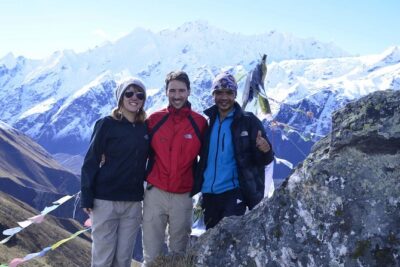 ★ 5.0Langtang Valley TrekFrom $555140 reviews
★ 5.0Langtang Valley TrekFrom $83061 reviews
Langtang Valley TrekFrom $70050 reviews
★ 5.0Langtang Valley TrekFrom $555140 reviews
★ 5.0Langtang Valley TrekFrom $83061 reviews
Langtang Valley TrekFrom $70050 reviews
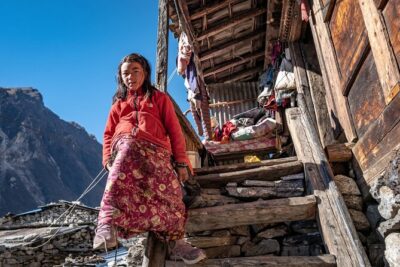 ★ 5.08 Days Tour in Langtang Valley TrekFrom $69845 reviews
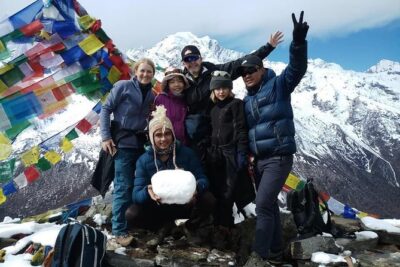 ★ 5.0Private 8 – Day Langtang TrekkingFrom $58429 reviews
★ 5.0Langtang Valley TrekFrom $1,00023 reviews
★ 5.0Private 8 – Day Langtang TrekkingFrom $58429 reviews
★ 5.0Langtang Valley TrekFrom $1,00023 reviews
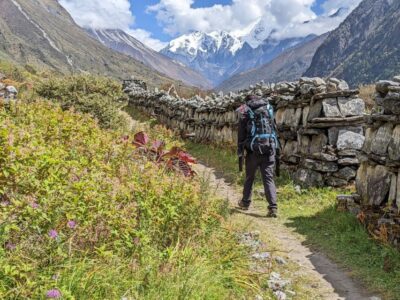 ★ 5.06-Day Limitless Langtang TrekFrom $18121 reviews
 ★ 5.0Langtang Valley TrekkingFrom $75020 reviews
Browse the lists this tour appears in