
Review · POON HILL & GHOREPANI TREKS
Ghorepani Poon Hill Sunrise Trek
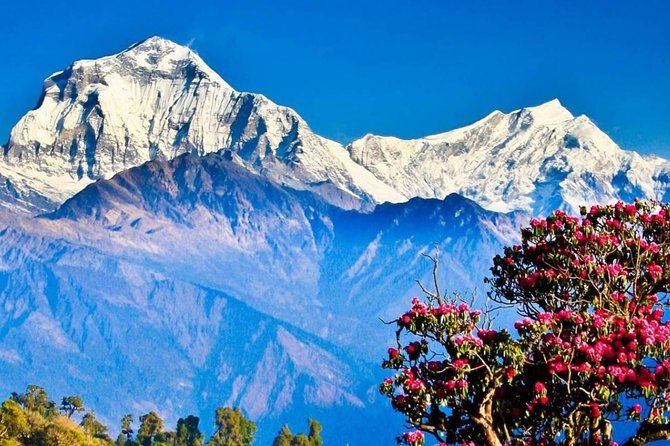
Poon Hill mornings are a different planet. This Ghorepani Poon Hill Sunrise Trek pairs a moderate country walk with big picture 360° mountain views and quiet rhododendron forests. The coolest part is also the most demanding: the schedule starts early, so cold pre-dawn hours are part of the deal.
I like how the trip handles the heavy logistics for you. You get airport-to-hotel support, a professional English-speaking government licensed guide, ACAP and TIMS permits, and day-by-day food on the trek days (B-L-D from Day 03 to Day 06), plus Kathmandu and Pokhara hotel stays on a bed-and-breakfast basis. The biggest consideration is budget planning: visa, international airfare, personal insurance, and meals in Kathmandu aren’t included, and you’ll also want to cover tips and drinks.
In This Review
- Key things that make this trek worth your time
- Poon Hill sunrise: why the dawn start is the main event
- Kathmandu to Pokhara: the valley intro you actually need
- Nayapul to Tirkhedhunga: terraces, village rhythm, and first altitude lessons
- Ghorepani climb: when rhododendron forests take over the air
- Poon Hill to Tadapani to Ghandruk: big views and traditional villages in one day
- Tadapani back to Nayapul and Pokhara: the recovery day you’ll appreciate
- Kathmandu again: welcome dinner, then an easier final stretch
- Price and logistics: what the $799 covers, and where you still need to plan
- The guide factor: names you might get, and what good guiding looks like
- Practical timing and packing for the temperature swing
- Should you book the Ghorepani Poon Hill Sunrise Trek?
- FAQ
- How long is the Ghorepani Poon Hill Sunrise Trek?
- Where do I meet the tour, and what time does it start?
- Is this trek private or will I share with other travelers?
- What fitness level do I need, and is there an age limit?
- Are trekking permits included?
- What’s included in the tour price, and what isn’t?
- What is the cancellation policy?
Key things that make this trek worth your time
- Poon Hill sunrise with wide-angle Himalayan views early in the day
- Rhododendron-pine-oak-fir corridors as temperatures cool with altitude
- Traditional Gurung / Poon-Magar villages and village-scale trekking
- Trans-Himalayan caravan route scenery along the way to passes and ridges
- Tea house/lodge nights on a short, doable circuit walk
- A real guide setup (English-speaking, licensed) plus permits handled for you
More trails out of Kathmandu, boots ready
- Everest Base Camp Trek – 14 Days★ 5.0 · 1,499 reviews
- Everest Base Camp Trek★ 5.0 · 842 reviews
- Everest Base Camp Trekking★ 5.0 · 485 reviews
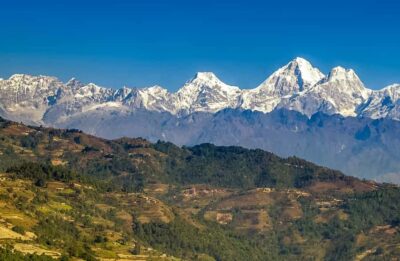
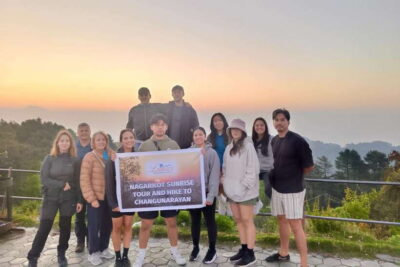
- Nagarkot Sunrise View and Day Hiking from Kathmandu★ 5.0 · 471 reviews
Poon Hill sunrise: why the dawn start is the main event
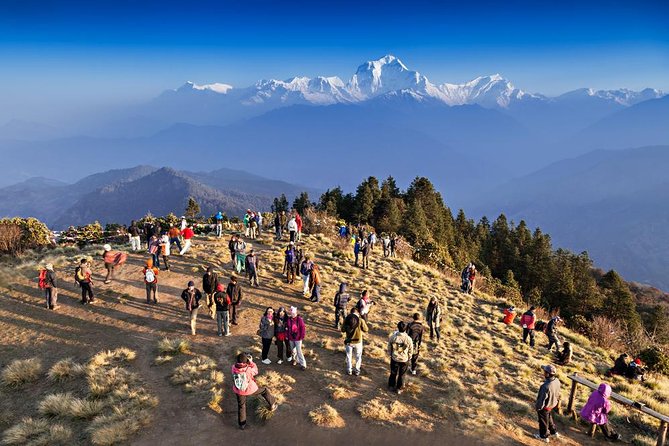
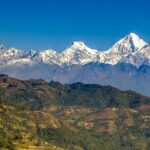
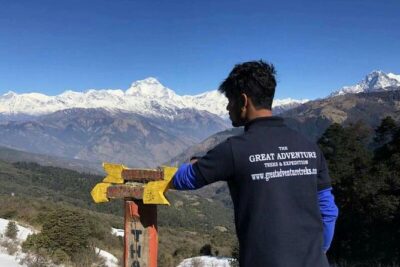
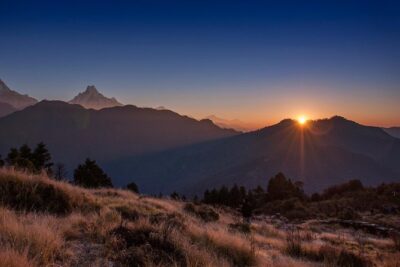
Poon Hill is built for one thing: a sunrise viewpoint that feels like you can see forever. The trek’s main payoff is the morning hike up for those dramatic first-light views over a chain of the world’s highest mountains. You’re not just looking at peaks from a distance either. The plan is set up for a wide view—think superb 360° perspectives, not a narrow photo spot.
This is also where your comfort game matters most. The route moves from lower, semi-tropical areas with paddy farmlands and terraces toward cool alpine zones, so mornings can start chilly. Expect that temperature swing to hit your body. If you tend to get cold easily, don’t treat layers as optional.
One more thing I appreciate: you’re not hiking all day before you get the view. The day is structured so sunrise comes first, then you keep trekking afterward—so you get both the magic moment and the walking day that builds the rest of the story.
Kathmandu to Pokhara: the valley intro you actually need
Most trekking plans fail before the first step if the travel between cities is a mess. Here, the setup is simple and clear: you land in Kathmandu, then you get transfers to your hotel. After that, you head to Pokhara—part flight and part drive—with the itinerary describing a short flight and a long drive.
Pokhara isn’t just a stopover. The plan frames it as a scenic valley base with Phewa and Begnas lakes, and that matters because you get a smoother mental transition from city life to trekking life. You also get hotel comfort in Pokhara before the first hike—use that time to rest your legs, eat well, and sort out your gear.
If you’re going in with any jitters, this pacing helps. You’re not thrown into the mountains immediately after arrival. You warm up first, then walk.
Nayapul to Tirkhedhunga: terraces, village rhythm, and first altitude lessons
Day 03 starts with a drive to Nayapul (from about 1,100m), then you begin walking toward Tirkhedhunga (about 1,450m) on the first trekking day. This section is the kind of start that lets you find your rhythm. You’re moving upward, but you’re not slammed with huge altitude pressure right away.
One of the best parts here is how quickly the scenery starts telling you where you are in the Annapurna story. The trek description calls out a walk that begins in lower, semi-tropical terrain—paddy farmlands and terraced areas—so you get that human, agricultural Nepal right at the start. Then, as the days progress, the vegetation shifts.
Potential drawback: if you’re coming in from sea level or you’re unused to hiking, the altitude still adds up. The good news is that the itinerary keeps the first day moderate enough to get your body working without rushing.
Ghorepani climb: when rhododendron forests take over the air
On Day 04, the walk goes from Tirkhedhunga to Ghorepani (around 2,874m), with about a 5-hour trek time. This is where the trip’s biggest environmental change becomes real. The route is described as moving from warm, agricultural hills toward cooler alpine zones.
That shift shows up in the forest mix. You’re moving through areas associated with rhododendron, pine, magnolia, oak, and fir tree lines. The practical effect for you: cooler air, different light, and a calmer feel under the canopy.
Ghorepani is also the place where the trek starts to feel like a proper base for the sunrise day. You’re not just passing through. You’re positioning yourself for the next morning’s climb and viewpoint time.
Comfort note: you’ll be in tea house/lodge accommodation on the trek. These places are practical and simple—plan to keep it low-fuss. You’ll enjoy them more if you treat them as part of the trekking rhythm, not as a hotel replacement.
Other early starts worth the alarm
Poon Hill to Tadapani to Ghandruk: big views and traditional villages in one day
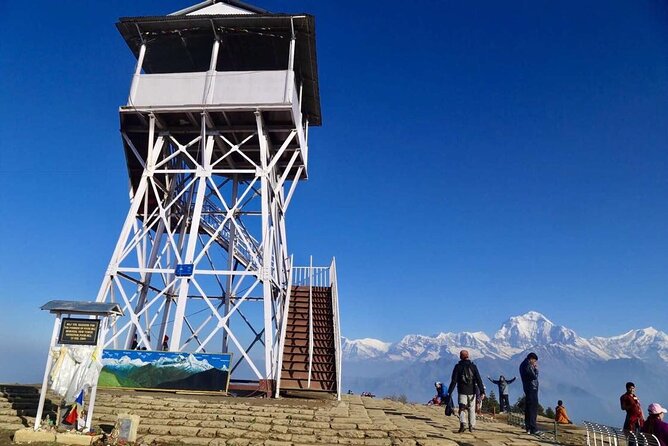
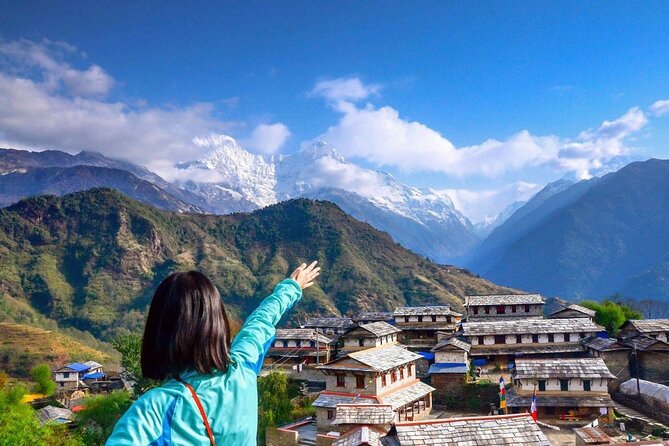
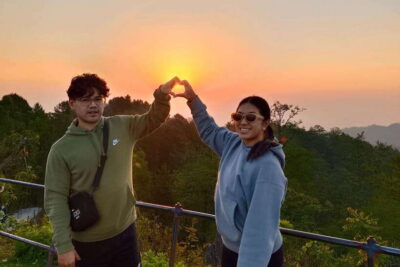
Day 05 is the day you’ll remember for two reasons: the sunrise hike to Poon Hill and the continuation trek afterward. You rise for the viewpoint, then you continue walking to Tadapani (about 2,721m). The plan then places you overnight at Ghandruk Village (about 1,750m).
Why this mix works:
- You get the early summit moment while you’re fresh.
- Then you get a full trekking day that doesn’t feel like a one-hit photo stop.
- You also move through areas tied to traditional Gurung and Poon-Magar village life.
There’s also a deeper layer mentioned in the trek description: you’ll see views connected to the ancient Trans-Himalayan Caravan route spanning Nepal and Tibet. That’s not a “museum stop.” It’s the kind of perspective you notice from ridges and valley lines—when the geography makes older trade routes feel believable.
The Ghandruk overnight is a smart landing. Dropping from Tadapani down toward Ghandruk means you’re coming out of the highest-feeling day and into a more village-centered evening. After a morning of cold air and early effort, that feels like a reset.
One consideration: if you’re sensitive to downhill fatigue, plan your pace. The day includes both climbing energy (for sunrise) and later descending movement (toward Ghandruk).
Tadapani back to Nayapul and Pokhara: the recovery day you’ll appreciate
Day 06 brings you back toward Nayapul, then drives you to Pokhara. In trek design, this is the kind of day that matters: you get a finishing walk, then you go back to proper beds in Pokhara.
This is also where you feel the whole route in reverse. The trek description highlights dramatic temperature and vegetation shifts, so returning to the valley means warmer air and a less alpine feel. It’s a psychological win too—you go from “everything is about trekking” back to “I can eat, rest, and breathe.”
If you like finishing strong, this day supports it. You’re not stuck hiking while already mentally checked out.
Kathmandu again: welcome dinner, then an easier final stretch
Day 07 is your return to Kathmandu with afternoon free time, followed by departure on Day 08. The day in-between is useful. You’re not trying to squeeze another big trek moment; you get time to enjoy Kathmandu at a comfortable pace and handle any last-minute needs.
One included highlight: the itinerary calls for a welcome or farewell dinner in Kathmandu at an authentic Nepalese restaurant with cultural programs. That kind of night can be a good way to switch gears from the mountains back to the city. It’s also where your guide’s stories often land—because trekking makes those cultural details feel closer.
Price and logistics: what the $799 covers, and where you still need to plan
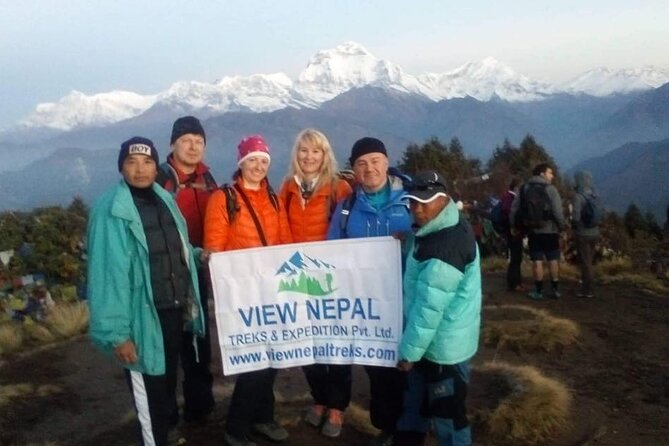
At $799 per person, this trek is priced like a fully guided, permit-handled package—not like a bare-bones hike. Here’s what that buys you in real life:
Included value you’ll feel
- Airport/hotel/airport transportation and transfers inside the plan
- Kathmandu hotel and Pokhara hotel on bed-and-breakfast basis
- A professional English-speaking government licensed guide
- Food in trekking on Day 03–Day 06 (B-L-D)
- Tea house/lodge accommodation on the trek
- ACAP permit (Annapurna Conservation Area Project) and TIMS
- Transport: deluxe tourist bus before/after the trek, plus private car for Pokhara–Nayapul–Pokhara
- Welcome or farewell Nepalese dinner with cultural program
- Guide support package: equipment service, daily wages, medical insurance, meals, and transportation allowance
What you must handle yourself
- Nepal visa and international airfare
- Your personal travel/medical insurance
- Meals in Kathmandu and personal expenses (plus tips/gratuities and soft drinks)
- Emergency evacuation costs (not included)
- Your own basic medical kit
What this means for your decision: if you want a guided trek with permits and meals managed, the price feels more reasonable. If you’re the kind of traveler who likes to build everything yourself, you might find cheaper options—but you’ll be doing more admin and taking on more risk around logistics.
Also, this is listed as a private tour/activity, meaning it’s only your group. That matters for value if you’re traveling as a couple or a small group and want a steadier pace.
The guide factor: names you might get, and what good guiding looks like
The trek is powered by the guide relationship. The plan includes an English-speaking government licensed guide, and the vibe from past trips is consistent: guides like Sonam, Kumar Adhikari, Narayan, Pemba Sherpa, Ram, and Bikash are described as friendly, patient, and helpful day-to-day.
What that should mean for you on the trail:
- You’re less likely to feel lost when schedules shift with weather.
- You can ask questions about what you’re walking through, not just where.
- Your pace can be managed without drama.
If you’re traveling solo, this can be a big deal because it turns a solo hike into a shared plan. One review-style takeaway I carry into my own recommendations is simple: a good guide makes the trek feel easier even when the climb is the same.
Practical timing and packing for the temperature swing
The meeting point is in Thamel, Kathmandu at View Nepal Treks & Expedition P. Ltd., Thamel Marg 24. The listed start time is 6:15am, which tells you the trek respects the sunrise game and isn’t waiting until the day warms up.
The itinerary also sets you up for a big temperature swing—from lower semi-tropical walking to cool alpine zones. So your packing should be built around that reality, not just around one climate. Bring layers you can adjust as you go higher, and plan for cold mornings during the early sunrise push.
Should you book the Ghorepani Poon Hill Sunrise Trek?
Book it if you want:
- a shorter, moderate trek that still delivers a true sunrise viewpoint at Poon Hill
- village walks through areas associated with Gurung and Poon-Magar culture
- permits and daily trekking logistics handled, including B-L-D during the main trek days
- a private-group experience with a licensed English-speaking guide
Consider another option if:
- you hate early starts and cold mornings
- you’re counting on your costs being only the trekking portion (Kathmandu meals, visa, insurance, and personal spending still need your attention)
- you want emergency evacuation covered inside the package (it isn’t)
FAQ
How long is the Ghorepani Poon Hill Sunrise Trek?
The trek is listed as 8 days (approx.).
Where do I meet the tour, and what time does it start?
The meeting point is View Nepal Treks & Expedition P. Ltd., Thamel Marg 24, Kathmandu. The listed start time is 6:15am.
Is this trek private or will I share with other travelers?
This is a private tour/activity, and only your group will participate.
What fitness level do I need, and is there an age limit?
The description asks for moderate physical fitness. The minimum age is 12 years.
Are trekking permits included?
Yes. The package includes the ACAP permit (Annapurna Conservation Area Project) and TIMS.
What’s included in the tour price, and what isn’t?
Included: airport/hotel transfers, Kathmandu and Pokhara hotel stays on bed-and-breakfast basis, a licensed English-speaking guide, trekking food (B-L-D) for Day 03 to Day 06, tea house/lodge accommodation, ACAP and TIMS, transport around the itinerary, and a welcome or farewell dinner with cultural programs. Not included: Nepal visa, international airfare, personal travel/medical insurance, meals in Kathmandu, tips, drinks, and emergency evacuation.
What is the cancellation policy?
Free cancellation is available if you cancel up to 24 hours in advance of the experience start time for a full refund. Changes within 24 hours aren’t accepted.
Worth the Early Alarm
More Trekking Out of Kathmandu
More Tour Reviews in Kathmandu
Just Reviewed in Kathmandu
- Mountain Bike Tour
★ 5.0 · 3 reviews - Annapurna Panaroma
★ 5.0 · 3 reviews - Mount Everest Scenic Flight 50 Minutes
★ 5.0 · 3 reviews - Kathmandu : Swambhunath & Durbar Square Guided Half Day Tour
★ 3.3 · 3 reviews - Chandragiri Cable Car & Monkey Temple Tour – Private/Group
★ 5.0 · 3 reviews - Kathmandu: Shivapuri National Park Hiking Day Trip
★ 3.3 · 3 reviews
Poon Hill & Ghorepani Treks, compared.
 ★ 5.04 Days Poon Hill TrekFrom $40594 reviews
 ★ 5.0Ghorepani(Poonhill Trek)From $60081 reviews
 ★ 5.04-day Poon Hill TrekFrom $40074 reviews
 ★ 5.0Ghorepani Poon Hill TrekFrom $39961 reviews
★ 5.0Ghorepani Poon Hill TrekFrom $70046 reviews
★ 5.0Ghorepani Poon Hill TrekFrom $39961 reviews
★ 5.0Ghorepani Poon Hill TrekFrom $70046 reviews
 ★ 5.0Poon Hill TrekFrom $1,17242 reviews
 ★ 5.0Poonhill TrekFrom $60033 reviews
 ★ 5.0Poon Hill Trek packageFrom $40527 reviews
Browse the lists this tour appears in