
Review · POON HILL & GHOREPANI TREKS
Ghorepani Poonhill Hiking Nepal
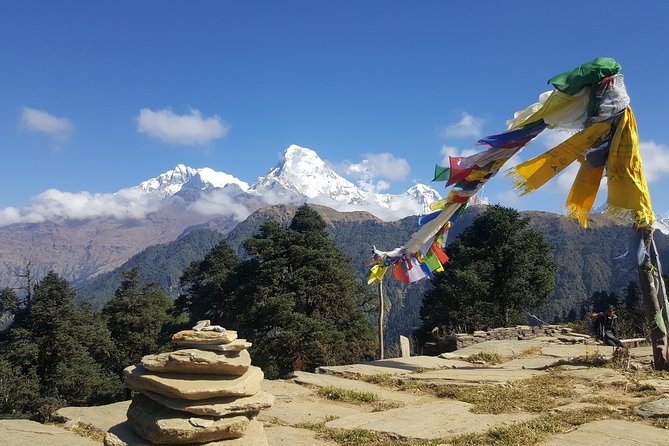
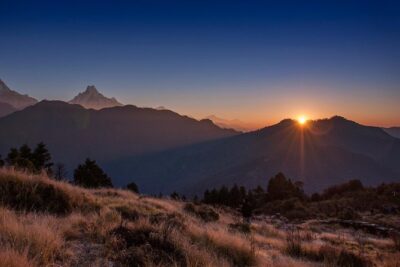
Dawn at Poon Hill is worth the early alarm. I love the sunrise payoff over the Annapurna peaks, and I like how the trek feels carefully managed by guides people name like Damu, Kamal, Prem, and Ambar. One thing to factor in: even with meals and lodging included, you’ll still pay extra for things like bottled water, coffee/tea, and city nights in Kathmandu and Pokhara, plus tips.
This is a Nepal classic built for people who want the mountains without signing up for a month-long expedition. You get the core experience: sweeping views, walkable days labeled as short and easy, and a chance to see Gurung and Magar culture up close in everyday village life. The main tradeoff is that “short and easy” can still mean steep steps and chilly early mornings, so you’ll want to walk smart and take your time.
If you’re looking for the best-value way to get real Himalaya views on a tight schedule, this Ghorepani Poonhill trip is a strong match. It also runs as a private activity, so your group stays together and your guide can pace things around you, not around a crowd.
In This Review
- Key Highlights You’ll Feel on This Trek
- Why Poon Hill’s Early Light Makes This 5-Day Trek Work
- The Himalayan View List You Came for (And How to Read It)
- Ghorepani, Villages, and Gurung and Magar Culture on the Trail
- Accommodation and Meals: Comfort That Lets You Enjoy the Trek
- Weather, Rhododendron Season, and When Routes Can Shift
- Getting From Kathmandu: Private Transport and a Smooth Start
- Guide Quality: Why People Keep Naming Damu, Kamal, Prem, and Ambar
- Price and Value: Does $600 Really Make Sense Here?
- What You Should Budget for Beyond the Package
- Who This Ghorepani Poonhill Trek Suits Best
- Should You Book This Ghorepani Poonhill Hiking Experience?
- FAQ
- Where does this Ghorepani Poonhill trek start and end?
- How long is the trek?
- What does the $600 price include?
- What is not included in the package price?
- Is pickup available?
- Is this tour private?
- When is the activity available?
- Do I need to worry about last-minute cancellation?
- Can most travelers join?
Key Highlights You’ll Feel on This Trek
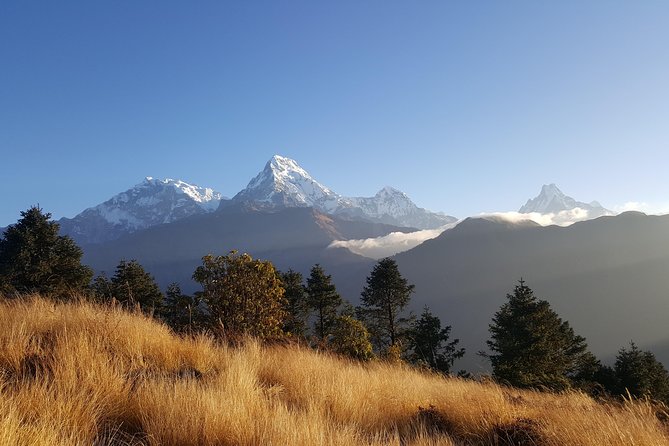
- Poon Hill sunrise and sunset: the big moment comes from early mountain light.
- Wide-ranging Himalayan views: Dhaulagiri, Annapurna, Himchuli, Machhpuche, Nilgiri, and more.
- Nature plus culture: Gurung and Magar communities along the way.
- Short and easy trekking style: built for people who want a taste, not a grind.
- Comfort-focused support: lodging and meals handled, so you spend energy on the trail.
- Guide attention matters: multiple guides are praised for being hands-on and checking in.
More trails out of Kathmandu, boots ready
- Everest Base Camp Trek – 14 Days★ 5.0 · 1,499 reviews
- Everest Base Camp Trek★ 5.0 · 842 reviews
- Everest Base Camp Trekking★ 5.0 · 485 reviews
- Nagarkot Sunrise View and Day Hiking from Kathmandu★ 5.0 · 471 reviews
Why Poon Hill’s Early Light Makes This 5-Day Trek Work
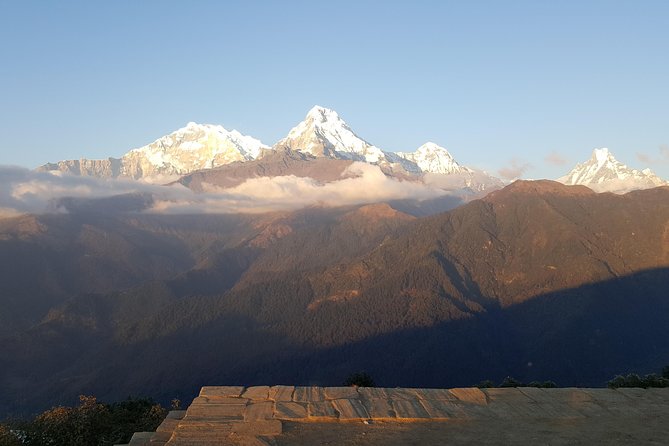
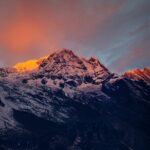
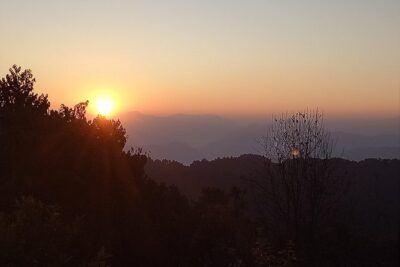
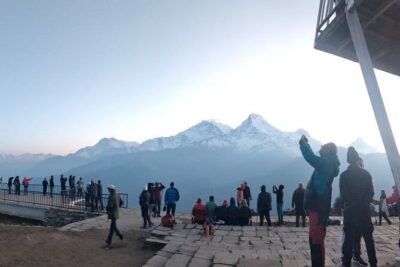
Poon Hill is the reason this trek exists. The whole plan is built around the dramatic shift from dark to gold as the mountains wake up. If you like travel moments that feel both simple and cinematic, this delivers fast.
The early start is part of the magic: you climb for the sunrise view, then later you may catch the return glow again around sunset. You’re not spending days chasing one remote peak. You’re doing a short trek where the payoff is concentrated in a few hours.
Another practical win: this is designed as a short and easy trek. That doesn’t mean it’s effortless, but it does mean you’re unlikely to be stuck doing long, draining walking marathons every day. It’s the kind of itinerary that lets you enjoy villages, scenery, and the slow rhythm of trekking instead of turning the whole trip into suffering math.
The Himalayan View List You Came for (And How to Read It)
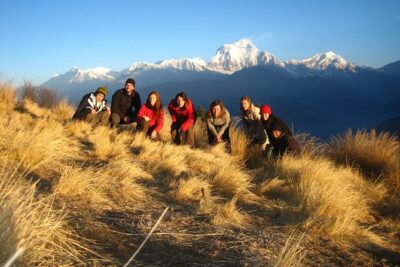
This trek advertises panoramic views across a wide set of Himalaya giants. The view list includes Dhaulagiri, Annapurna, Himchuli, Machhpuche, Nilgiri, and more. That matters because the Annapurna region can look different depending on the hour and weather, and this route is positioned to give you multiple chances to see something impressive.
Here’s how I’d think about it while you’re standing there: you’re not only looking for one perfect mountain. You’re scanning for layers. Some peaks show bright edges first, then the rest of the range follows. On clear mornings, it can feel like the whole skyline is lit from behind.
It also helps that your trekking days aren’t spent staring at one direction the entire time. The route is described as offering views through valleys and canyons too, so you get mountain drama even when you’re not on the viewpoint.
Ghorepani, Villages, and Gurung and Magar Culture on the Trail
The best part of a short trek is when the villages stop feeling like scenery and start feeling like real life. This trek mixes nature and culture: you’ll walk through ethnic towns and encounter Gurung and Magar traditions along the way.
Why that’s valuable: when you only do big-city touring, you often miss how people actually live in Nepal’s mountain foothills. Trekking slows you down in a good way. You notice how communities connect to the landscape—where homes sit, how routes channel movement, and how hospitality works at a human scale.
The cultural aspect also shows up in the way guides handle the walk. Several people praised their guides for being attentive and friendly, and for making the experience feel smooth from start to finish. That kind of guidance matters on cultural days, because you’ll have an easier time understanding what you’re seeing instead of just taking photos and moving on.
Accommodation and Meals: Comfort That Lets You Enjoy the Trek
One of the “quiet wins” here is that your basic logistics are taken care of. Your package includes breakfast, lunch, and dinner, plus accommodation on the trekking portion. It also includes permits and your guide, so you’re not juggling paperwork mid-walk.
What you should take from that: for a 5-day trek, energy spent on planning is energy stolen from enjoying views and villages. Having meals handled means you can keep walking without constantly thinking about where to eat or whether the food will match your preferences. It also helps you keep a steady rhythm—important when mornings are early.
There’s also a note about best accommodation available. It’s not a five-star resort promise, but the point is that the trek is organized with decent lodge stays in mind rather than random, bare-minimum stops.
Heads-up on what’s not included: bottled water and coffee/tea are listed as not included. Alcoholic beverages also aren’t included. If you like hot drinks during rest breaks, you’ll likely want to budget for that.
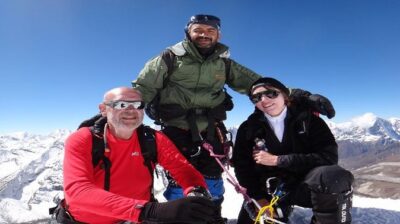
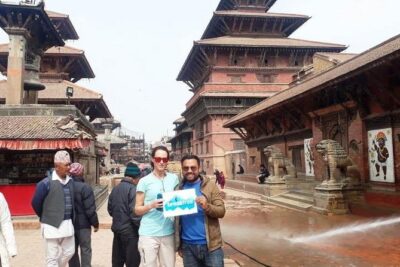
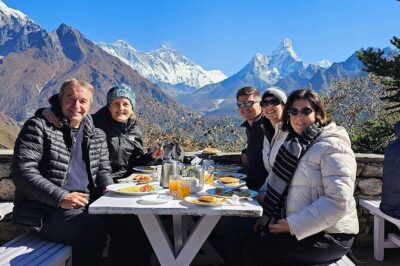
Weather, Rhododendron Season, and When Routes Can Shift
Nepal weather doesn’t care about your calendar, and the Annapurna region can bring surprises. One traveler specifically called out rhododendron forests in full bloom, with cool and pleasant temperatures. That’s a great reminder: even on a short trek, seasons can change what kind of walking day you get.
Rhododendron also affects mood. When those forests are blooming, the trail feels alive—colors, scent, and a softer sense of time. Even if you’re not chasing a “perfect” photo, it’s the kind of natural detail that makes a short trek feel complete.
Snow is the other reality check. A review mentions that when heavy snowfall affected the plan, the guide chose an appropriate route and prioritized safety. I can’t guarantee your dates will involve snow, but I can tell you this: for short treks, flexibility is a big deal. A good operator watches conditions and adjusts so you still get a meaningful trek rather than a stressful one.
Getting From Kathmandu: Private Transport and a Smooth Start
Your tour is based out of Kathmandu, with the meeting point at Tribhuvan International Airport, Ring Rd, Kathmandu 44600. Pickup is offered, and the activity is scheduled during a window that runs Monday through Sunday, 9:15 AM to 5:15 PM.
Since this is listed as a private tour/activity, it’s meant for your group only. That matters because it reduces waiting and reshuffling. For mountain logistics, “private” often means your guide can coordinate around your pace instead of timing everything to the slowest person in a shared group.
The package includes private transportation as well. In plain terms: you’re less likely to spend your first day figuring out rides, timetables, and the order of things. Reviews also hint that some setups include a domestic flight to Pokhara before the trekking begins, but the exact flow can vary by plan.
Also note the mobile ticket. That’s one less thing to print or lose in Kathmandu traffic.
Guide Quality: Why People Keep Naming Damu, Kamal, Prem, and Ambar
On a trek, the guide isn’t just a person holding a leash for group hikes. A strong guide manages pacing, weather awareness, and day-to-day comfort. That showed up repeatedly in the feedback tied to this operator.
People praised guides for being:
- hands-on and attentive
- helpful and friendly
- professional and safety-focused
- proactive about arranging practical needs like accommodation and transport connections in Kathmandu
Names that came up include Damu, Kamal, Prem, and Ambar. Porter support also got mentioned, including Naresh, with one review describing how he and the guide treated the trekker like family.
Even if you don’t need family-style care, attention helps with the real trek problems: timing viewpoints, managing cold mornings, and staying calm when conditions change.
Price and Value: Does $600 Really Make Sense Here?
At $600 per person for an approximately 5-day trekking experience, you’re paying for a package that includes real costs that add up fast in Nepal: meals, permits, guide support, accommodation on the trek, and private transportation.
Here’s how I’d judge the value, practically:
- If you tried to assemble this yourself, you’d likely spend more time and effort just coordinating permits, lodging, and daily food.
- Sunrise trekking requires early timing and reliable planning. That planning cost is part of what you’re paying for.
- Guide time matters more on short treks than long ones. With fewer hiking days, every hour counts. A guide who keeps things smooth helps you maximize your limited trek time.
Your main financial gaps are clearly listed: bottled water, coffee/tea, alcoholic beverages, city accommodation in Kathmandu and Pokhara, city expenses, and tips for the guide. If you budget for those from the start, the $600 price feels easier to justify.
What You Should Budget for Beyond the Package
Your inclusions cover a lot, but you’re not sailing through Nepal expenses-free. The tour does not include:
- bottled water
- alcoholic beverages
- coffee and/or tea
- accommodation in Kathmandu and Pokhara
- city expenses
- tips for the guide
So when you plan your trip, think of it like this: the trekking portion is packaged, but the city portion is still yours to manage. If you’re the type who drinks multiple cups of tea during a chilly morning, that’s exactly the sort of extra that can quietly change your trip budget.
Also, since tips aren’t included, decide in advance what feels fair for your group size and how you expect the guide to support you. The guides here were specifically praised for being very attentive, which often leads people to tip.
Who This Ghorepani Poonhill Trek Suits Best
This trek is built for most travelers, and it’s described as possible for people seeking a short and easy trekking experience. It also works well if you want:
- a high-impact viewpoint trip without long trekking time
- Himalayan views that span multiple major peaks
- a culture-and-nature mix rather than only scenery photography
- a private setup where your group stays together
If you’re doing your first trek, this style can be a confident start because it targets a clear goal: sunrise/sunset views from Poon Hill and a taste of Nepal village life.
If you already love long-distance trekking, you may still enjoy this for variety and comfort, but you’ll probably wish for more altitude time. This is about getting the highlight fast.
Should You Book This Ghorepani Poonhill Hiking Experience?
I’d book it if you want a short Nepal trek that centers the mountain views and doesn’t force you to figure out every detail yourself. The combination of included meals, organized lodging on the trek, and the repeated praise for attentive guides (with names like Damu, Kamal, Prem, and Ambar) makes it a practical choice.
Skip it or reconsider if you’re counting on the package to cover every daily comfort cost in Kathmandu and Pokhara, since those city nights and expenses are explicitly not included. Also, if you’re very sensitive to early mornings, the Poon Hill sunrise focus may be more intense than you want.
Overall, this is a straightforward, value-minded way to experience the Annapurna region without turning your vacation into logistics work.
FAQ
Where does this Ghorepani Poonhill trek start and end?
It starts at Tribhuvan International Airport (Ring Rd, Kathmandu 44600, Nepal) and ends back at the same meeting point.
How long is the trek?
The duration is listed as about 5 days.
What does the $600 price include?
It includes breakfast, lunch, and dinner, private transportation, permit, guide, and accommodation (along with meals on the trekking portion).
What is not included in the package price?
Not included are bottled water, alcoholic beverages, coffee and/or tea, accommodation in Kathmandu and Pokhara, all expenses during city, and tips for the guide.
Is pickup available?
Yes, pickup is offered.
Is this tour private?
Yes. It’s described as a private tour/activity, so only your group participates.
When is the activity available?
The listed hours are Monday to Sunday, 9:15 AM to 5:15 PM (for the overall date range shown).
Do I need to worry about last-minute cancellation?
There is free cancellation available up to 24 hours in advance of the experience start time for a full refund. If you cancel later than that, the amount paid is not refunded.
Can most travelers join?
The information says most travelers can participate.
If you tell me your travel month and fitness level, I can help you decide whether this 5-day version is the right fit, or whether you should aim for a longer trek for more time in the mountains.
More Trekking Out of Kathmandu
More Tour Reviews in Kathmandu
Just Reviewed in Kathmandu
- Mountain Bike Tour
★ 5.0 · 3 reviews - Annapurna Panaroma
★ 5.0 · 3 reviews - Mount Everest Scenic Flight 50 Minutes
★ 5.0 · 3 reviews - Kathmandu : Swambhunath & Durbar Square Guided Half Day Tour
★ 3.3 · 3 reviews - Chandragiri Cable Car & Monkey Temple Tour – Private/Group
★ 5.0 · 3 reviews - Kathmandu: Shivapuri National Park Hiking Day Trip
★ 3.3 · 3 reviews
Poon Hill & Ghorepani Treks, compared.
 ★ 5.04 Days Poon Hill TrekFrom $40594 reviews
 ★ 5.0Ghorepani(Poonhill Trek)From $60081 reviews
 ★ 5.04-day Poon Hill TrekFrom $40074 reviews
 ★ 5.0Ghorepani Poon Hill TrekFrom $39961 reviews
★ 5.0Ghorepani Poon Hill TrekFrom $70046 reviews
★ 5.0Ghorepani Poon Hill TrekFrom $39961 reviews
★ 5.0Ghorepani Poon Hill TrekFrom $70046 reviews
 ★ 5.0Poon Hill TrekFrom $1,17242 reviews
 ★ 5.0Poonhill TrekFrom $60033 reviews
 ★ 5.0Poon Hill Trek packageFrom $40527 reviews
Browse the lists this tour appears in