
Review · POON HILL & GHOREPANI TREKS
Ghorepani Poonhill Trek -8 Days
Some days you plan for months. Then dawn does the rest.
This Ghorepani Poonhill Trek mixes classic Annapurna views, a practical 8-day schedule, and a guided trip that covers both the trail and the Nepal culture side in Kathmandu. I like how the trek is paced for real humans (not just fit mountain racers), and I also like the support package: permits handled, a porter included, and a guide who can keep things smooth when the trail gets steep or confusing. One drawback to note: you’re still hiking at altitude, so you’ll want a calm pace, good footwear, and realistic expectations about early mornings.
For the money, this trip feels like solid value because you get two nights in Kathmandu and two nights in Pokhara plus your trekking logistics (lodges/tea houses, breakfasts/lunches/dinners, and travel/rescue arrangements). In the reviews, the biggest standout is the combination of great organization and the sunrise payoff at Poon Hill—plus guides like Badri and Prakash who were patient and helpful. The main consideration is that some items are not included, like your visa fee, tips, and travel/rescue insurance, so you’ll need to budget those separately.
In This Review
- Key Things That Make This Trek Worth Your Time
- Annapurna Foothills in 8 Days: What This Trip Feels Like
- Getting Oriented in Kathmandu and Pokhara (Before the Trail Even Starts)
- Kathmandu: UNESCO hits plus an easy start
- Pokhara: the valley views that calm you down
- Day 3: Nayapul to Birethanti—Starting the Annapurna Walk
- Day 4: Ulleri to Ghorepani—Rhododendron Forests and Altitude Gain
- Day 5: The Poon Hill Sunrise Day You Actually Came For
- Day 6: Ghorepani Down to Ghandruk—Easy Walking, Real Village Time
- Day 7: Scenic Return with Manakamana Cable Car Stop
- Day 8: Airport Transfer with Time to Breathe
- What You Get for $800: Value Breakdown That Actually Helps
- Guides and Support: The Human Part That Shows Up in the Details
- Lodge Life and Meals on the Trek: Simple, Filling, and Part of the Deal
- How I’d Approach This Trek (So You Enjoy It More)
- Should You Book the Ghorepani Poonhill Trek?
- FAQ
- How long is the Ghorepani Poonhill Trek?
- Where does the tour start and end?
- Does the tour include airport pickup?
- What permits are included?
- What kind of trekking support is provided?
- What about food during the trek?
- Are there options for vegetarians?
- Does it include lodging?
- Does the tour include any cultural activity beyond the trek?
- Can I cancel for a full refund?
Key Things That Make This Trek Worth Your Time
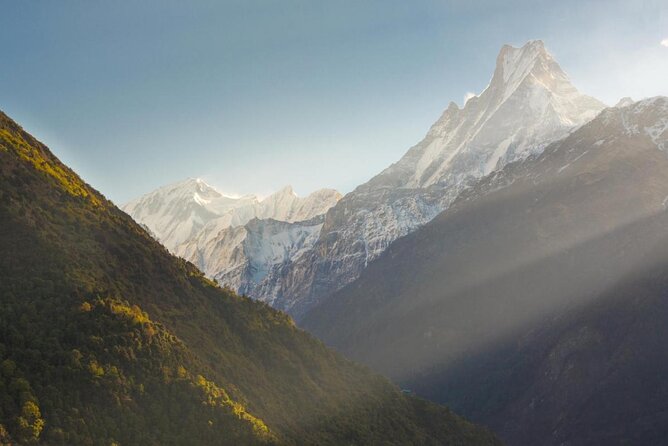
- Poon Hill sunrise timing with a pre-dawn hike to catch the Annapurna and Dhaulagiri ranges
- Rhododendron + oak + fir trail vibe on the way up and back down (cool shade, not just stairs)
- Ghandruk village time so the trek isn’t only hiking; you also get local culture on the ground
- Real planning support: TIMS and ACAP permits, paper work handled, and a porter for every two clients
- Kathmandu add-on that hits major UNESCO sites like Pashupatinath, Boudhanath, Swayambhunath, and Kathmandu Durbar Square
- Comfort included in the schedule: hotel nights in Kathmandu and Pokhara before you ever start climbing
More trails out of Kathmandu, boots ready
- Everest Base Camp Trek – 14 Days★ 5.0 · 1,499 reviews
- Everest Base Camp Trek★ 5.0 · 842 reviews
- Everest Base Camp Trekking★ 5.0 · 485 reviews
- Nagarkot Sunrise View and Day Hiking from Kathmandu★ 5.0 · 471 reviews
Annapurna Foothills in 8 Days: What This Trip Feels Like
This is the kind of trek that makes sense if you want big views without a huge time commitment. You’ll start with city setup in Kathmandu, then shift to Pokhara, then ease into the rhythm of trail days. The trekking portion is built around the famous Poon Hill sunrise viewpoint and classic villages in the southern Annapurna foothills.
The “easy trail” part matters. It doesn’t mean flat. It means you’re not forced into extreme altitude gains each day. The itinerary gives you a manageable mix of walking hours (often in the 4 to 7 range) and enough rest to actually enjoy the route—especially on the day you’re descending and then exploring Ghandruk.
Also, this route is popular for a reason: it’s scenic, it’s culturally grounded, and it’s not overly complicated to follow. You’ll hike through villages and forests, sleep in lodges/tea houses, and move with a guide who knows the pacing game.
Getting Oriented in Kathmandu and Pokhara (Before the Trail Even Starts)
Before you ever strap on your boots, you get the comfort of two nights in Kathmandu and two nights in Pokhara. That’s more than a luxury. It helps your body adjust and it prevents the whole trip from feeling like nonstop transport.
Kathmandu: UNESCO hits plus an easy start
Your Kathmandu time includes a day tour of major UNESCO sites: Pashupatinath, Boudhanath, Swayambhunath, and Kathmandu Durbar Square. Even if you’ve never been to Nepal, these stops give you context fast—temples, architecture, and the everyday cultural background that makes the rest of the country easier to understand.
Day 1 is arrival and private transfer to your hotel. If you’re jet-lagged, the best move is to keep your expectations low that first evening. The tour gives you the structure, but you still control your energy.
Pokhara: the valley views that calm you down
On Day 2, you drive from Kathmandu to Pokhara after breakfast. The itinerary notes a warming glimpse of Pokhara Valley as you go. That matters because Pokhara is where Nepal shifts from city energy to outdoor focus. It’s also a smart staging point for the trek: you’re already set up for the route before you start walking.
If you’re wondering whether two nights in Pokhara will feel like “extra,” trust the pacing logic: this is the buffer that makes the trek feel smoother rather than rushed.
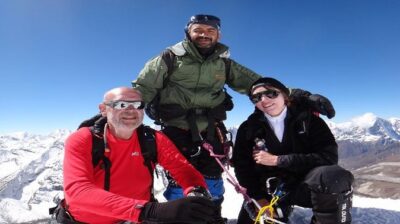
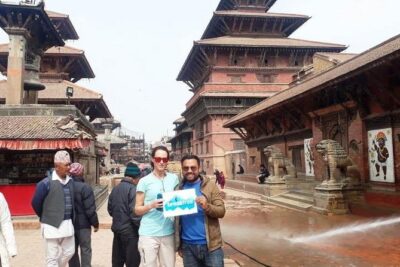
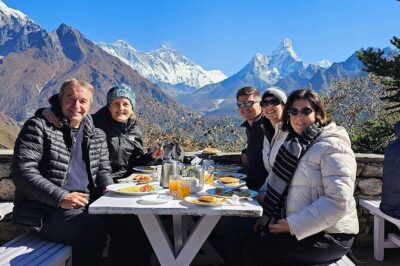
Day 3: Nayapul to Birethanti—Starting the Annapurna Walk
The trek officially begins with a 1.5-hour scenic drive from Pokhara to Nayapul (1050m). Right away, you get the Annapurna range and lush countryside views along the way, which is a nice psychological warm-up before the trail.
From Nayapul, you start trekking gently toward Birethanti (1025m). The itinerary gives a 4 to 5 hour window here, which is a good first walking day. If you’re new to trekking, this is where you’ll learn how your legs want to move: steady steps, breathable pace, short pauses before you feel winded.
Practical advice for this day: keep your first-day pace honest. It’s tempting to speed up because you feel fresh. Don’t. Save your energy for Poon Hill dawn, where you’ll do a pre-sunrise push.
Day 4: Ulleri to Ghorepani—Rhododendron Forests and Altitude Gain
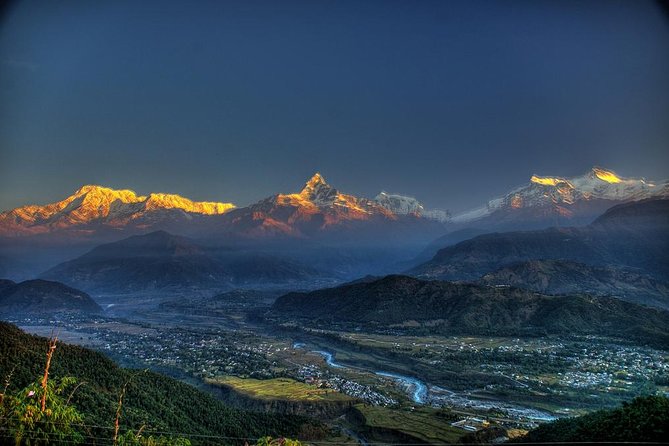
Today is where the route starts feeling more “trek.” You go from Ulleri (1827m) to Ghorepani (2860m) in about 5 to 6 hours, with roughly 1033m of elevation gain.
The trail passes through lush rhododendron forests and villages such as Banthanti and Nangethan on the way to Ghorepani. This is also a great day to notice your temperature changes: forests cool you down, and higher altitude tends to feel sharper even if the sky is clear.
One thing I like about this stage is that the itinerary doesn’t try to oversell it. You’re going up, yes, but you’re also walking through a section that feels like a living route—not just a line on a map.
Day 5: The Poon Hill Sunrise Day You Actually Came For
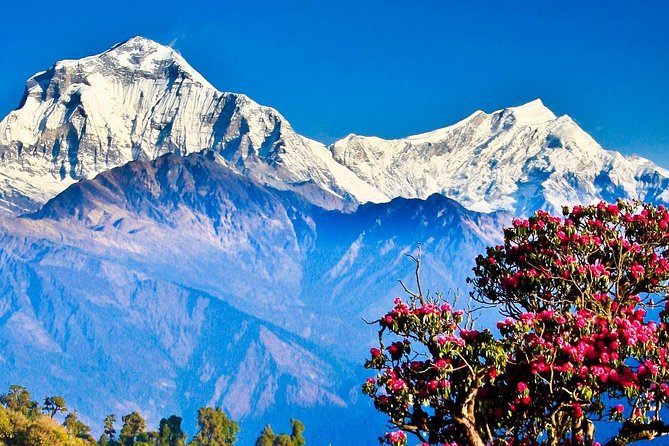
If you’re doing this trek for one moment, it’s this one.
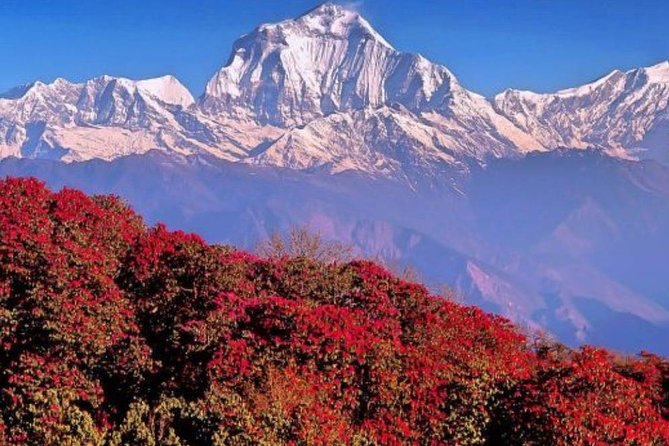
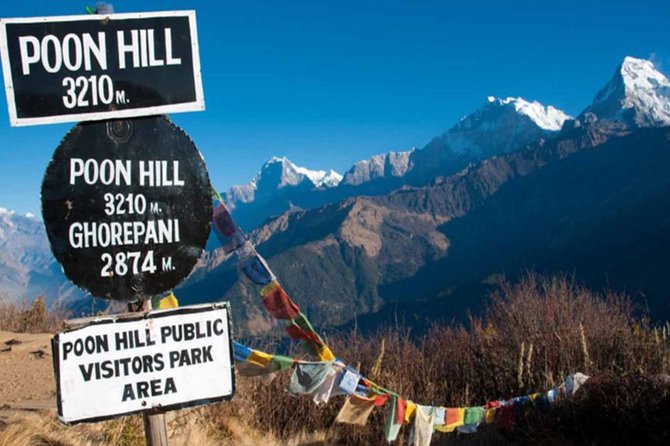
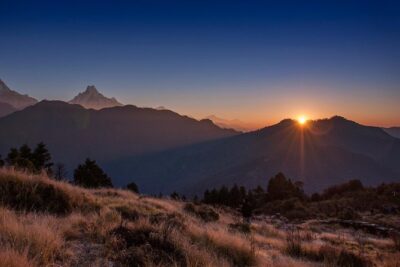
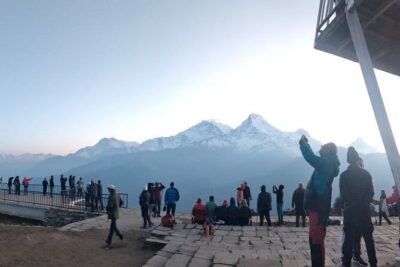
You’ll do an early morning hike to Poon Hill (3210m) to enjoy sunrise views over the Annapurna and Dhaulagiri ranges. The itinerary also calls out the high peaks visible from that area, including Machhapuchhre (6997m), Mardi Himal (5553m), and Lamjung Himal (7454m).
In the reviews, Poon Hill is the anchor. People rave about the sunrise payoff because it’s a clean reward for effort: you don’t need expert mountaineering skills. You just need to show up early, move steadily, and be ready for cold air and bright light.
A realistic consideration: pre-dawn mornings can feel uncomfortable at altitude. Dress in layers and expect chilly moments before sunrise. Bring a headlamp if you have one, and keep your pace slow—this hike is as much about rhythm as it is about speed.
Also, this is the kind of viewpoint where the weather matters. On clear days, the views are dramatic. On cloudy days, you may get less. That’s true for every sunrise viewpoint in the region, so keep your mindset flexible.
Day 6: Ghorepani Down to Ghandruk—Easy Walking, Real Village Time
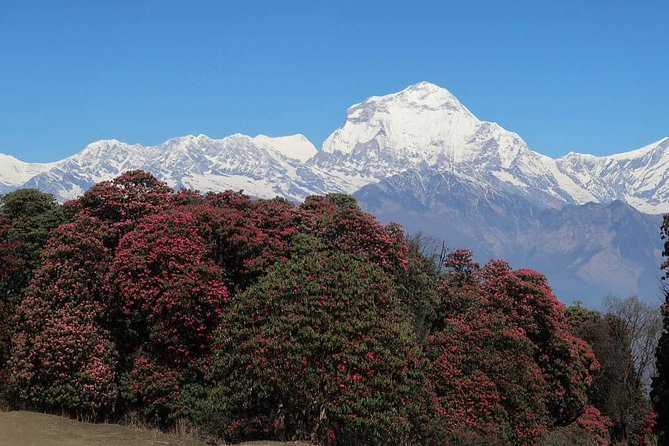
Day 6 is designed to be easier. The itinerary describes it as an easy descent through dense forest—oak, rhododendrons, and fir. That kind of walking is a gift after the Poon Hill effort. Your body gets to recover while you still get movement and scenery.
Then you get time to explore Ghandruk village during the day. This part is important because it turns the trek from a “views only” outing into something more human. Ghandruk is where you see how people live in the Annapurna foothills, not just where you pass through.
A note on expectations: lodge life is part of the experience. Tea houses are simple by design. Some meals and amenities are basic, and you’ll want to plan around that. If you keep it casual, it feels more authentic and less like you’re waiting for hotel standards.
Day 7: Scenic Return with Manakamana Cable Car Stop
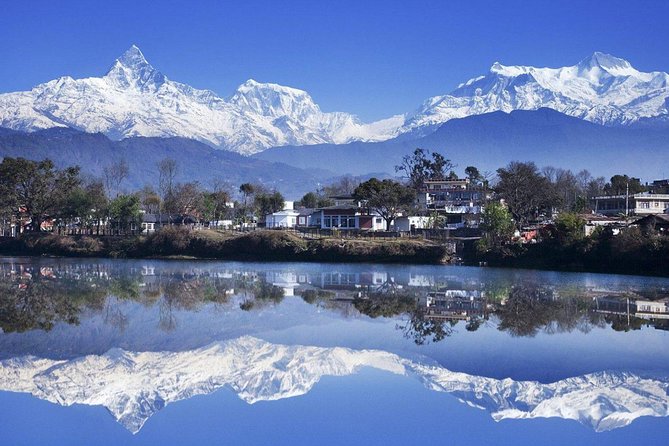
Instead of ending with a straight line back to Kathmandu, Day 7 gives you a change of pace. You head toward Damauli, Dumre, Muglin, and Kurintar, and then stop at Kurintar for Nepal’s first cable car to the Manakamana Temple.
You continue onward to Thankot, described as the gateway to the capital. From there, it’s back into Kathmandu rhythm for your final night and packing.
Why I like this day: it breaks up the trip. Trek days can make time feel kind of linear. This return route adds variety and gives you a last cultural stop before your flight day.
Day 8: Airport Transfer with Time to Breathe
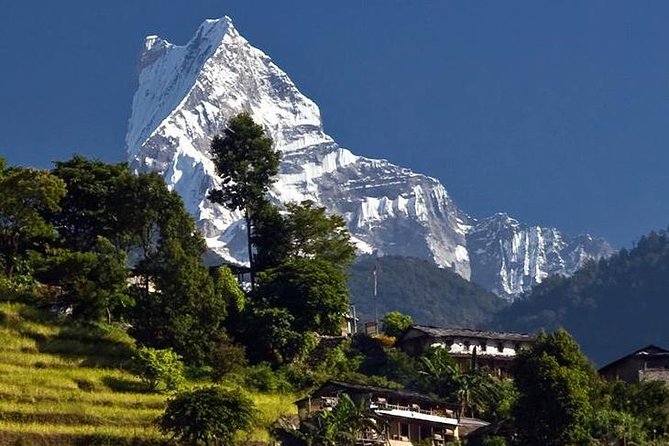
On Day 8, you get a representative transfer to the airport about 3 hours before your scheduled flight. That buffer is practical in Kathmandu, where traffic and lines can vary.
It’s a good final beat too: you’re not rushing straight from the last meal into stress. The tour structure gives you breathing room so you can stay calm and catch your transport with less risk.
What You Get for $800: Value Breakdown That Actually Helps
At $800 per person for about 8 days, the biggest question is: what’s included that would cost you extra if you booked everything separately?
Here’s the real value angle, based on what’s provided:
- Private airport pickup and hotel transfers by vehicle on arrival and departure
- Two nights 3-star hotel in Kathmandu with breakfast
- Two nights 3-star hotel in Pokhara with breakfast
- An experienced guide plus a porter (listed as 1 porter for 2 clients)
- Permits: TIMS and ACAP
- Lodging in lodges/tea houses during the trek
- Meals included across the trip: 7 breakfasts, 4 lunches, 4 dinners
- Travel and rescue arrangements plus medical supplies (first aid kit available)
- Farewell dinner with an authentic Nepalese restaurant and cultural performance
- A duffle bag return after the trek
What’s not included is equally important:
- Nepal visa fee (you can get it in Kathmandu)
- International airfare
- Travel/rescue insurance
- Personal expenses (phone calls, laundry, bar bills, battery recharge, hot shower costs if applicable, and so on)
- Tips for guide and porter
So, is it worth $800? For me, it’s worth it when you value having the permits, meals, and guide/porter taken care of—especially if you’re short on time or want a smoother first trekking experience. If you enjoy heavy DIY planning and already know the permit and lodge booking process well, you might save money by building your own itinerary. But most people don’t. They want the trip to run.
Guides and Support: The Human Part That Shows Up in the Details
The most praised part in the reviews is the human support. Names that came up include Badri and Prakash, plus Gomboo Sherpa. Across comments, the themes are consistent: patience, honesty, and being reachable when questions pop up.
That matters for your experience because trekking is not just about physical effort. It’s about decisions:
- how fast to go
- where to eat
- how to handle altitude discomfort
- what to do when conditions change
A good guide also helps you connect the route to Nepal beyond the scenery—village life, trails, and what you’re actually walking through. And a porter helps with load management. With the trek listing 1 porter for 2 clients, you’re sharing that support rather than paying for one-person full luggage haul.
If you want to pack light, do it. If you want the porter’s help, use it wisely. Keep your daily items in your daypack and put the rest in the duffle bag system when prompted by the crew.
Lodge Life and Meals on the Trek: Simple, Filling, and Part of the Deal
During the trek, accommodations are lodges/tea houses. These are the practical hubs for the day: somewhere warm-ish to sleep, eat, and reset. The tour includes breakfasts, lunches, and dinners, so you’re not stuck negotiating every meal while also climbing.
One review highlighted local food like momos as a standout. Even without going deep into a menu, the key is this: you’ll have plenty of chances to eat in places designed for hikers. That reduces decision fatigue.
Your job: stay flexible, follow the guide’s suggestions, and hydrate. Cold mornings and warm afternoons can trick you into under-drinking.
How I’d Approach This Trek (So You Enjoy It More)
If you want the Poon Hill magic without the stress, here’s the mindset I’d bring:
- Move steady, not fast. The route is designed for gradual effort. Don’t turn Day 4 into a race.
- Layer up for mornings and evenings. Pre-dawn at altitude feels sharp.
- Use the porter and duffle bag setup. Your body will thank you, especially on descent days.
- Plan for basic lodge comfort. Expect simple rooms and the kind of facilities common on trekking routes.
- Go easy on your day-5 expectations. Sunrise is the goal, but weather can shift. You’ll still be in a breathtaking mountain zone.
This trek is a good match if you’re:
- short on time but want the Annapurna experience
- a first-time trekker who wants a guided plan
- interested in culture through Kathmandu and village stops like Ghandruk
It might not fit if you want a long, remote expedition vibe where the days stretch into bigger altitude challenges. This one is more about classic highlights and efficient, well-supported hiking.
Should You Book the Ghorepani Poonhill Trek?
I’d book this if you want a high-reward, low-confusion trekking plan: Poon Hill sunrise, rhododendron forests, Ghandruk village time, and a Kathmandu cultural day. The guide/porter support, permits, included meals, and the structured hotel nights make it easier for your brain to focus on the trail.
Skip it or rethink it if you’re the type who wants everything fully DIY and you already have the experience to organize permits, lodging, and logistics with no help. Also, remember that altitude still asks something of you. This trek can be friendly, but it isn’t a stroll at sea level.
If you’re ready for a well-paced foothills trek with strong cultural add-ons, this one is a very practical way to do the Annapurna highlights without turning your vacation into a logistics project.
FAQ
How long is the Ghorepani Poonhill Trek?
The trek is listed as 8 days (approx.).
Where does the tour start and end?
It starts at Tribhuvan Airport, Kathmandu, Nepal and ends back at the meeting point.
Does the tour include airport pickup?
Yes. It includes pickup from the airport and transfer to your hotel by private vehicle.
What permits are included?
The tour includes TIMS permit and ACAP permit, with necessary paper work handled.
What kind of trekking support is provided?
You get an experienced guide and a porter (listed as 1 porter for 2 clients).
What about food during the trek?
Meals included are 7 breakfasts, 4 lunches, and 4 dinners.
Are there options for vegetarians?
Yes. A vegetarian option is available—you should advise at booking.
Does it include lodging?
Yes. It includes two nights 3-star hotels in Kathmandu and Pokhara, plus lodges/tea houses during the trek.
Does the tour include any cultural activity beyond the trek?
Yes. There’s a Kathmandu day tour to sites including Pashupatinath, Boudhanath, Swayambhunath, and Kathmandu Durbar Square, plus a farewell dinner with cultural performance.
Can I cancel for a full refund?
Yes. Free cancellation is available if you cancel at least 24 hours in advance for a full refund.
More Trekking Out of Kathmandu
More Tour Reviews in Kathmandu
Just Reviewed in Kathmandu
- Mountain Bike Tour
★ 5.0 · 3 reviews - Annapurna Panaroma
★ 5.0 · 3 reviews - Mount Everest Scenic Flight 50 Minutes
★ 5.0 · 3 reviews - Kathmandu : Swambhunath & Durbar Square Guided Half Day Tour
★ 3.3 · 3 reviews - Chandragiri Cable Car & Monkey Temple Tour – Private/Group
★ 5.0 · 3 reviews - Kathmandu: Shivapuri National Park Hiking Day Trip
★ 3.3 · 3 reviews
Poon Hill & Ghorepani Treks, compared.
 ★ 5.04 Days Poon Hill TrekFrom $40594 reviews
 ★ 5.0Ghorepani(Poonhill Trek)From $60081 reviews
 ★ 5.04-day Poon Hill TrekFrom $40074 reviews
 ★ 5.0Ghorepani Poon Hill TrekFrom $39961 reviews
★ 5.0Ghorepani Poon Hill TrekFrom $70046 reviews
★ 5.0Ghorepani Poon Hill TrekFrom $39961 reviews
★ 5.0Ghorepani Poon Hill TrekFrom $70046 reviews
 ★ 5.0Poon Hill TrekFrom $1,17242 reviews
 ★ 5.0Poonhill TrekFrom $60033 reviews
 ★ 5.0Poon Hill Trek packageFrom $40527 reviews
Browse the lists this tour appears in