
Review · POON HILL & GHOREPANI TREKS
Ghorepani Poonhill Trek
Poon Hill sunrise does not play around. This Ghorepani Poonhill Trek strings together lush rhododendron trails, classic village paths, and quiet wilderness—then puts you in position for a front-row dawn show over the Annapurna range, including Fish Tail (Machapuchare). Poon Hill is the headline, and the Annapurna foothills are the steady backdrop.
I especially like the way the route balances walking with “real life” stops: places like Tikhedunga, Ghorepani, Tadapani, and Ghandruk keep it human-scale, with chances to see how local Gurung communities live and celebrate. I also like that this package isn’t only trekking: you get Kathmandu’s UNESCO temple sights and a full Pokhara day on the lakes.
One possible drawback: lunch and dinner aren’t broadly included across Kathmandu, Pokhara, and the trek days, so plan a daily food budget. Also, treks use twin-sharing lodge/guesthouse beds, which means solo travelers will want to think about the single supplement and room setup early.
In This Review
- Key highlights at a glance
- Why the Ghorepani Poonhill Trek works: temples, teahouses, and that dawn view
- Kathmandu and UNESCO temples: an easy start before you hike
- Pokhara transfer and lakes-day reset: start the trek calmer
- From Nayapul to Tikhedunga: where your trek becomes a trail
- Tikhedunga to Ghorepani (about 5–6 hours): the rhododendron and altitude rhythm
- Poon Hill sunrise at 3210 m: the one morning you plan around
- Tadapani to Ghandruk: mountain views meet village atmosphere
- Ghandruk back to Nayapul, then Pokhara: time to exhale
- Teahouse stays and meals: what you’ll likely love, and what costs extra
- Guides, porters, and pacing: the people part that makes the trek easier
- Price and logistics: is $299 good value for 11 days?
- Who should book this Ghorepani Poonhill Trek?
- Should you book this Ghorepani Poonhill Trek?
- FAQ
- Where does the Ghorepani Poonhill Trek start and end?
- What time does the experience start?
- Is pickup available from hotels and is airport pickup included?
- How is transportation handled between Kathmandu and Pokhara?
- What is the Poon Hill elevation?
- How long is the trek portion and overall trip duration?
- Are teahouse and lodge accommodations included?
- Is lunch and dinner included?
- Can I get a vegetarian option?
- Is this trek private?
- What if I cancel?
Key highlights at a glance
- Poon Hill sunrise at 3210 m for big mountain names, dawn colors, and crisp air vibes
- Rhododendron forests and village walking through stone-step country settlements
- Teahouse/guesthouse nights with breakfast in twin-sharing rooms
- Guide + porters working the logistics, listed as 1 porter for 2 people
- Kathmandu UNESCO sights + Pokhara lakes day so you’re not stuck only on trail
- Hotel/airport pickup and private vehicle transfers to the trek start and finish areas
More trails out of Kathmandu, boots ready
- Everest Base Camp Trek – 14 Days★ 5.0 · 1,499 reviews
- Everest Base Camp Trek★ 5.0 · 842 reviews
- Everest Base Camp Trekking★ 5.0 · 485 reviews
- Nagarkot Sunrise View and Day Hiking from Kathmandu★ 5.0 · 471 reviews
Why the Ghorepani Poonhill Trek works: temples, teahouses, and that dawn view
The best part of this trek is how clearly it’s built around one unforgettable moment—Poon Hill sunrise—without ignoring the travel-day magic around it. You start in Kathmandu, then move into Pokhara, and only after that do you hike into the Annapurna foothills. That flow matters. It keeps you from feeling like you arrived, suffered, and then left.
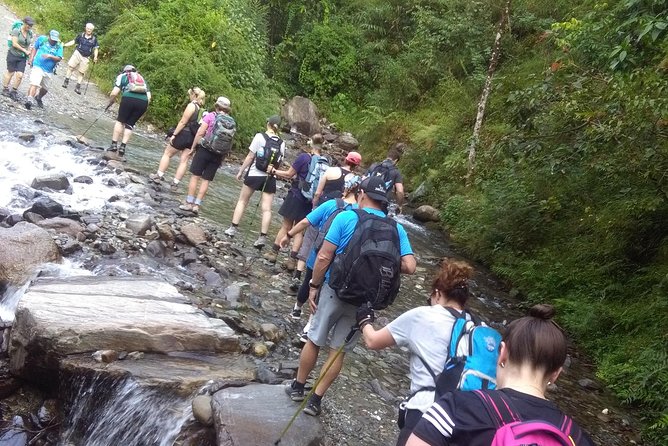
Once you’re on the trail, the experience is as much about the rhythm as the altitude. You’ll walk through lush rhododendron country, where birdsong and thick forest cover are part of the day-to-day feel. The route also threads through smaller communities, so you’re not hiking in a vacuum. You pass stone steps, creeks, and the kind of short breaks that make a trek feel doable.
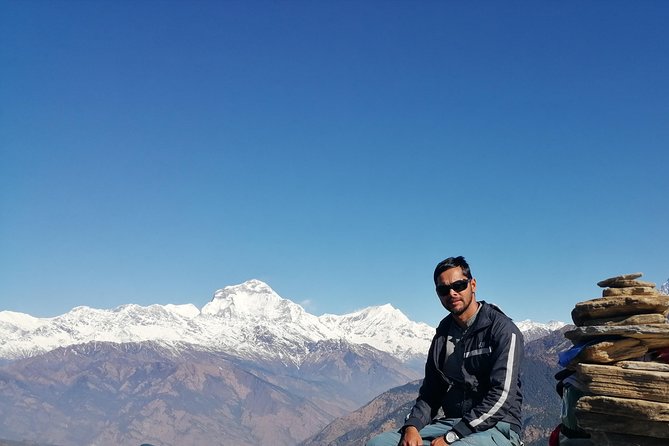
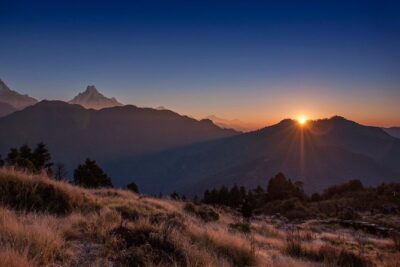
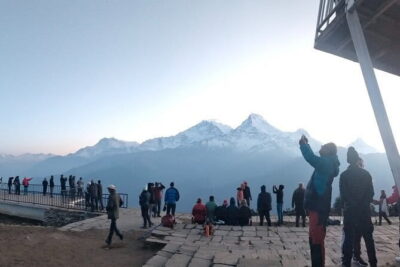
And then there’s the payoff: early-morning views from Poon Hill. You’re looking at the Annapurna massif plus several standouts named in the package—Gangapurna, Himchuli, Dhaulagiri, Manaslu, and Ganesh Himal—while Fish Tail (Machapuchare) dominates the skyline. Even if you’ve seen mountain photos before, the timing is the difference. Dawn turns the whole scene into something you actually want to watch.
Kathmandu and UNESCO temples: an easy start before you hike
Your trip begins in Kathmandu with arrival and a pre-trip meeting at your hotel. That first touch is underrated. Trek travel can feel complicated, and a quick meeting helps you confirm timing, how the transfers work, and what to expect on the trail.
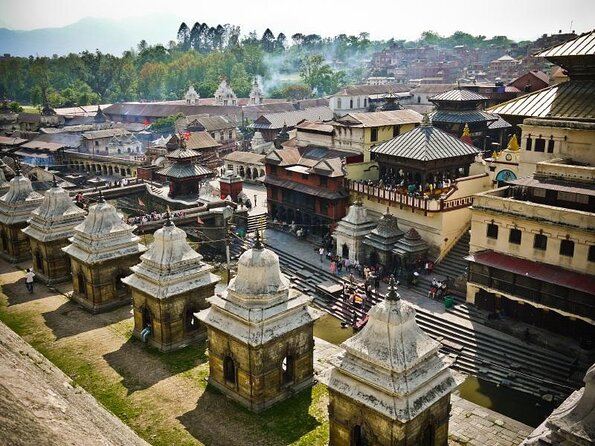
Day 2 is a full recreational tour of Kathmandu, described as the city of temple sights. You also have UNESCO World Heritage site visits in the Kathmandu valley. This is valuable because it makes the first two days feel like a real vacation, not just logistics to get to the mountains. If you’ve only got a short window in Nepal, this kind of add-on protects your time.
Practical angle: if you want photos, Kathmandu is where you’ll get them with fewer moving parts than the trail. If you want to ease into altitude and walking, Kathmandu is also where you can take your time.
Pokhara transfer and lakes-day reset: start the trek calmer
On Day 3, you drive from Kathmandu to Pokhara (about 200 km, 6–7 hours). This is one of those long-but-worth-it segments: Pokhara feels like a different world from Kathmandu, and it’s often where trek energy turns into vacation energy. You’re also setting up your route: the trek begins from the Pokhara side and ends back in Pokhara.
Day 9 is a full Pokhara sightseeing tour, described as the city of lakes. This is another practical win. After days of hiking, you get a day that’s about relaxing and taking in views without climbing. It also helps if you want a buffer day in case your trekking day feels slower than you expected.
For timing: Day 10 gives you the option to drive back to Kathmandu (6–7 hours) or fly (about 25 minutes). If you like saving energy for the end of a trip, that flight option is the cleanest way to avoid another long day on the road.
From Nayapul to Tikhedunga: where your trek becomes a trail
Day 4 starts with a drive from Pokhara to Nayapul (about an hour), then trekking to Tikhedunga for roughly 3–4 hours. This is your “warm legs” day. It’s not meant to exhaust you; it’s meant to get you into the trekking mindset.
You begin with the foothill feel right away—country settlements, trails that step you forward slowly, and the early sense of wilderness around you. Even when a day is shorter, it’s still a meaningful transition: your schedule shifts from city time to trail time.
What to watch for: early in a trek, your pace tends to set the tone for everything that follows. If you start too fast, the rest of the climb days feel heavier. If you start steady, the upcoming longer days feel more manageable.




Tikhedunga to Ghorepani (about 5–6 hours): the rhododendron and altitude rhythm
Day 5 is the first bigger trekking push—about 5–6 hours from Tikhedunga to Ghorepani. This is where the trekking becomes more scenic in a deeper way. The package highlights lush rhododendron, and that’s the exact kind of environment that changes your whole experience: the path feels alive, and the walking feels shaded and textured rather than exposed and monotonous.
Ghorepani is also one of the key “base points” for your Poon Hill plans. You’re getting into position for sunrise, but you’re also spending the night in a village setting that keeps you close to services like tea houses and lodge meals.
I like days like this because they offer steady effort with increasing rewards. You’re not only walking for the final view—you’re walking through the view.
Poon Hill sunrise at 3210 m: the one morning you plan around
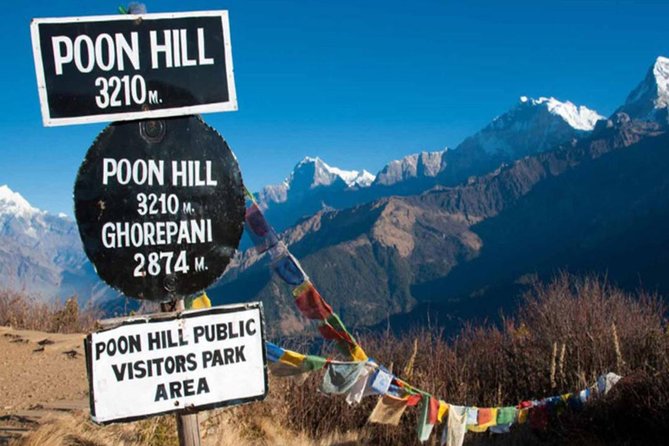
Day 6 includes the hike to Poon Hill (3210 m / 10530 ft), then trekking onward to Tadapani (about 5–6 hours total for the day). This is the heart of the Ghorepani Poonhill experience.
Here’s why Poon Hill matters beyond the hype: the view includes the Annapurna massif and multiple major peaks listed in the tour details. That means your sunrise isn’t a single silhouette—it’s a layered panorama. It also helps that Fish Tail (Machapuchare) is described as dominating the skyline. If you care about dramatic shapes, you’re set.
The sunrise part is also about logistics. You’re not just waking up—you’re timing your movement to catch the light. That’s why having a guide is practical. A strong guide can help you know where to stand for the best angle, and can keep the group moving in a way that doesn’t turn dawn into chaos.
In past trekking experiences with this company, names like Pradip and Rupak Kadel come up for guiding people to the best mountain viewpoints, plus explaining local culture along the way. When your morning depends on timing, those skills matter.
Tadapani to Ghandruk: mountain views meet village atmosphere
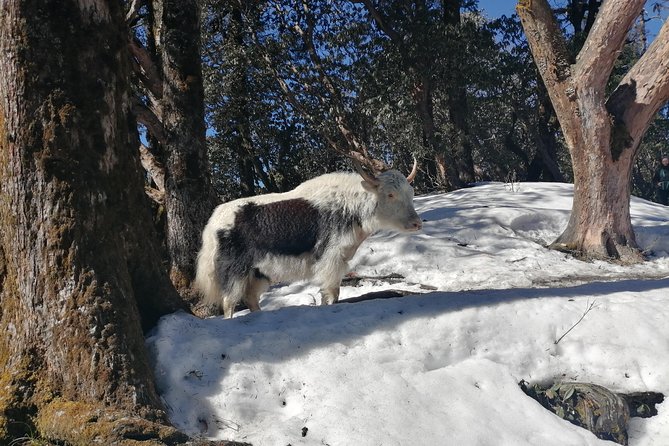
Day 7 covers about 3–4 hours from Tadapani to Ghandruk. This is where the route starts to feel less like a corridor and more like a changing neighborhood of the mountains.
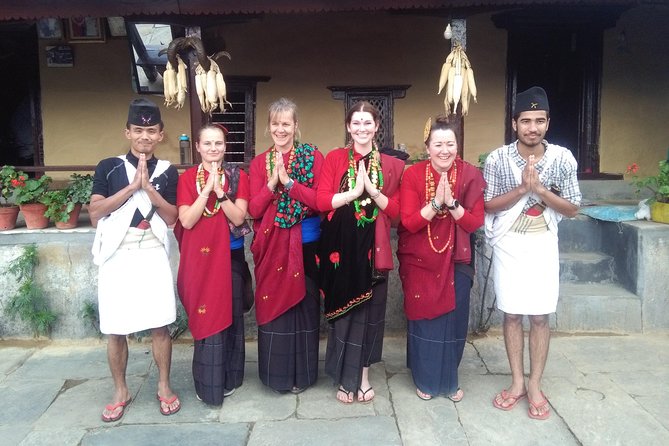
Ghandruk is a classic destination on Annapurna foothill itineraries for good reason: it gives you a sense of community life in the hills. The tour description also emphasizes meeting hospitable Gurung people and experiencing their unique culture. That’s the kind of stop where you learn more by watching daily rhythm—how people live, how they speak, and how the village handles the seasonal rhythm of trekkers.
If you want your trek to feel more human than just scenic, this is the day that usually delivers.
Ghandruk back to Nayapul, then Pokhara: time to exhale
Day 8 is a longer descent day in terms of time—about 4–5 hours from Ghandruk to Nayapul, plus the drive back to Pokhara. When you’re done hiking, it can feel strange at first to move into cars again. But it’s also a relief: your body gets a reset, and you get to enjoy Pokhara after the exertion.
This is also a good moment to reflect on the trek shape: you’re moving from higher viewpoints back down toward the river and road systems. It’s not a “shortcut” day—your legs still work—just a different kind of effort.
Teahouse stays and meals: what you’ll likely love, and what costs extra
This trek is built around teahouse and lodge/guesthouse accommodations with twin sharing and breakfast included. That’s the standard Annapurna foothills model: simple rooms, warm meals, and a chance to recover without running around.
Food is where you’ll want to read the fine print. The package includes breakfast (listed as 10). It also lists an included dinner and a farewell dinner in Kathmandu with a cultural dance program. But it also explicitly says lunch and dinner during Kathmandu, Pokhara, and trekking days are not included. Translation: breakfast is handled; lunches and most dinners are on you unless they’re part of the specific included items.
Vegetarian options are available if you ask at booking, which matters if you’re picky or have dietary needs. If you’ve got allergies, the best move is to share specifics early so the guide can plan with lodge options.
My practical take: budget for simple, local meals during trekking days. Don’t expect fancy menus on every stop. If you go in flexible and hungry, you’ll have fewer surprises.
Guides, porters, and pacing: the people part that makes the trek easier
One of the most praised parts of this kind of trek package is the human support system. This itinerary includes an experienced, helpful guide and porters, listed as 1 porter for 2 people. That ratio can make a big difference. When someone is helping handle the carrying load and keeping the day’s route plan tight, you can focus more on your footing and less on logistics.
Based on reported experiences tied to this operator, guides such as Mountain Ram, Niraj, Pradip, and Rupak Kadel show up as names associated with smooth trekking support and good mountain-view guidance. Porters such as Sunil have also been mentioned as skilled and essential to keeping a good pace. The key theme across those stories: competent people help you move with confidence.
Also, cultural explanation is included in the experience style—guides are there to explain Nepalese culture and history as you walk. That turns long stretches of trail into something more meaningful than scenery alone.
A small caution: any trek is still your effort. The best guide can’t change your body’s limits. If you’re prone to rushing, you may still feel it in the next day’s climbs. Let the guide set a steady pace.
Price and logistics: is $299 good value for 11 days?
At $299 per person, the biggest value question is what’s included beyond the trekking itself. This package bundles:
- Kathmandu and Pokhara sightseeing, including UNESCO World Heritage visits in Kathmandu and a full Pokhara lakes day
- Hotel and airport pickup/drop-off on a private vehicle
- Transport covering Kathmandu to Pokhara and back, using a tourist bus plus road/private transfers to and from trek starting points
- A guide and porters (plus their listed insurance and operational costs)
- Twin-sharing lodge/guesthouse accommodation with breakfast during the trek
- A farewell dinner in Kathmandu with a cultural dance program
- Items like down jackets, duffle bags, and route maps if necessary
What costs extra (based on the provided details): international airfare, Nepal visa fee, lunch/dinner in Kathmandu and Pokhara and on trekking days, and any monument entrance fees. There’s also a single supplement noted for solo travelers ($300 extra).
So is it a bargain? It’s more like a smart bundle for people who want a guided experience without having to organize every piece. If you’d otherwise pay separately for transport, guide support, and multi-day accommodation coordination, this kind of package price can look reasonable fast.
Who should book this Ghorepani Poonhill Trek?
This fits best if you want:
- A classic Annapurna foothills trek with village stops and rhododendron scenery
- A front-row sunrise goal at Poon Hill
- Teahouse comfort instead of camping gear
- A trip that includes Nepal cities too—Kathmandu UNESCO sights and Pokhara lakes time
It might be less ideal if you want ultra-flexible meals every day. Because lunch and most dinners beyond included items aren’t listed as included, you’ll need to handle food budget and choices on your own.
The fitness level is listed as moderate. That’s a good match for many people who can handle 3–6 hours of hiking on hilly ground, with daily climbs and descents.
Should you book this Ghorepani Poonhill Trek?
If you’re aiming for the combination of Poon Hill sunrise views plus real village trekking, this itinerary makes a strong case. The inclusion of Kathmandu UNESCO time and Pokhara lakes sightseeing turns the trek into a full Nepal trip instead of a single-purpose hike.
I’d book if you:
- Can handle moderate hiking days and enjoy early starts
- Want a guided route with porters so you can enjoy the scenery more
- Like the idea of teahouse stays and local food, with a little budgeting for lunches/dinners
I wouldn’t book if you need every meal included or you prefer private room accommodations without supplements.
If those tradeoffs sound fine, this one is a satisfying, well-paced way to experience the Annapurna foothills and the Nepal city highlights in the same trip.
FAQ
Where does the Ghorepani Poonhill Trek start and end?
The trek begins from Pokhara to Poonhill and ends back at the same point in Pokhara, with the trek starting from the Pokhara side (via Nayapul) and returning to Pokhara after the final trek day.
What time does the experience start?
The meeting/start time is 9:00 am.
Is pickup available from hotels and is airport pickup included?
Yes. Pickup from and drop-off at the hotel and the airport are included, using a private vehicle.
How is transportation handled between Kathmandu and Pokhara?
Transportation includes a tourist bus from Kathmandu to Pokhara and back, plus private vehicle transfers from Pokhara to the trek starting point and from the ending point back to Pokhara.
What is the Poon Hill elevation?
Poon Hill is listed at 3210 meters (10530 ft).
How long is the trek portion and overall trip duration?
The overall duration is approximately 11 days, with multiple trekking days between Kathmandu and Pokhara sightseeing days.
Are teahouse and lodge accommodations included?
Yes. You get accommodation in lodges/guest houses during the trek in twin sharing, with breakfast basis as per the itinerary.
Is lunch and dinner included?
Breakfast is included. Lunch and dinner while you are in Kathmandu, Pokhara, and on trekking days are listed as not included. The package also includes a farewell dinner in Kathmandu.
Can I get a vegetarian option?
Yes, vegetarian option is available. You should advise at booking if you need it.
Is this trek private?
Yes. It’s listed as a private tour/activity, with only your group participating.
What if I cancel?
Cancellation is listed as free. You can cancel up to 24 hours in advance for a full refund; if you cancel less than 24 hours before the start time, the amount paid will not be refunded.
More Trekking Out of Kathmandu






More Tour Reviews in Kathmandu




Just Reviewed in Kathmandu
- Mountain Bike Tour
★ 5.0 · 3 reviews - Annapurna Panaroma
★ 5.0 · 3 reviews - Mount Everest Scenic Flight 50 Minutes
★ 5.0 · 3 reviews - Kathmandu : Swambhunath & Durbar Square Guided Half Day Tour
★ 3.3 · 3 reviews - Chandragiri Cable Car & Monkey Temple Tour – Private/Group
★ 5.0 · 3 reviews - Kathmandu: Shivapuri National Park Hiking Day Trip
★ 3.3 · 3 reviews
Poon Hill & Ghorepani Treks, compared.
 ★ 5.04 Days Poon Hill TrekFrom $40594 reviews
 ★ 5.0Ghorepani(Poonhill Trek)From $60081 reviews
 ★ 5.04-day Poon Hill TrekFrom $40074 reviews
 ★ 5.0Ghorepani Poon Hill TrekFrom $39961 reviews
★ 5.0Ghorepani Poon Hill TrekFrom $70046 reviews
 ★ 5.0Poon Hill TrekFrom $1,17242 reviews
 ★ 5.0Poonhill TrekFrom $60033 reviews
 ★ 5.0Poon Hill Trek packageFrom $40527 reviews
Browse the lists this tour appears in