
Review · GOKYO LAKES & EVEREST HIGH PASSES
Gokyo Lake trek(gokyori trek, Chola pass trek, Renjola pass trek)
You get turquoise water at sky-high altitude. This Gokyo Lake trek nails two big things I love: the Gokyo Lakes look unreal, and the Chola/Renjola pass area delivers huge Everest views. One thing to weigh up first: this is high-altitude trekking that really demands strong fitness, and meals (plus drinks) aren’t included in the price.
You’re in Nepal’s Everest region for roughly 18 days, starting with pickup tied to Tribhuvan Airport in Kathmandu. You’ll trek with a local guide on a private basis, so it feels more like your pace than a conveyor belt.
The route is built around the traditional Everest Base Camp trail up to Mong La Pass, then it branches into the Gokyo valley for 19 interconnected freshwater lakes. Expect UNESCO-protected conservation-area trekking, Sherpa culture stops, and optional viewpoint time like Everest View Hotel at 3,880m.
In This Review
- Key points before you go
- Gokyo Lakes and the Sherpa valley feel like a different kind of Everest
- How the route works: Everest trail up to Mong La, then straight into Gokyo
- The turquoise payoff: Dudhpokhari and the 19 interconnected lakes
- Gokyo Ri at 5,357m: the climb that earns the view
- Renjola Pass and Chola Pass: where the route gets real
- Everest Base Camp pairing: if you want the best of both worlds
- Sherpa culture stops: museum visits and traditional villages
- Everest View Hotel at 3,880m: close-up Everest without going to the top
- What’s included (and what you’ll need to plan for)
- Guides and on-the-ground support that make a difference
- Who should choose this trek (and who should be cautious)
- Should you book this Gokyo Lake trek?
- FAQ
- Where does the experience start in Kathmandu?
- Is airport pickup included?
- How long is the trek?
- What’s the main highlight of the trek?
- Is Everest Base Camp included?
- Are meals included in the price?
- What’s included besides trekking services?
- Is this a private trek?
- Are service animals allowed?
- What’s the cancellation policy for a full refund?
Key points before you go
- 19 freshwater lakes: the Gokyo system is the main story, linked together as you hike.
- Mong La Pass to Gokyo detour: you get the classic Everest trail vibe before the scenery switches hard.
- Gokyo Ri climb at 5,357m: a high-payoff viewpoint for major peak views.
- Renjola and Chola passes: the junction zone is scenic, but it’s not a stroll.
- Sherpa Museum and villages: culture stops are built into the experience, not tacked on.
- Private trek + local guide: easier decision-making day to day, especially at altitude.
More trails out of Kathmandu, boots ready
- Everest Base Camp Trek – 14 Days★ 5.0 · 1,499 reviews
- Everest Base Camp Trek★ 5.0 · 842 reviews
- Everest Base Camp Trekking★ 5.0 · 485 reviews
- Nagarkot Sunrise View and Day Hiking from Kathmandu★ 5.0 · 471 reviews
Gokyo Lakes and the Sherpa valley feel like a different kind of Everest
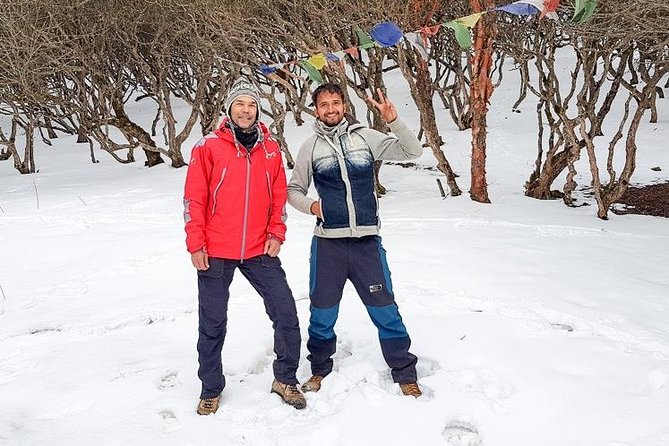
The Gokyo area is famous because the lakes look like they belong in a brochure, then you step closer and realize they’re real water at real altitude. Dudhpokhari (on the shore of Gokyo Lake) is the emotional anchor. From there, the valley just keeps unfolding with glacial drama and Sherpa everyday life nearby.
I also like how this trek doesn’t feel like you’re only chasing Everest. Yes, you’re in the Everest region and the view goals are serious. But the lakes, the turquoise color, and the quiet Sherpa valley rhythm give you a different kind of “wow” than the busier base-camp corridor.
How the route works: Everest trail up to Mong La, then straight into Gokyo
A big practical point: this trek is a variant of the Everest Base Camp route. You follow the traditional path up to Mong La Pass (3,610m), then you divert toward the Gokyo side. That matters for planning because you still get that gradual lift from the Everest trail, then you shift focus to lakes and passes.
You can also pair Gokyo with Everest Base Camp itself, hitting it either before or after reaching the Gokyo lakes area (the elevation listed for Everest Base Camp is 5,364m). That flexibility is useful when you’re matching your body’s altitude rhythm to your group pace.
The turquoise payoff: Dudhpokhari and the 19 interconnected lakes
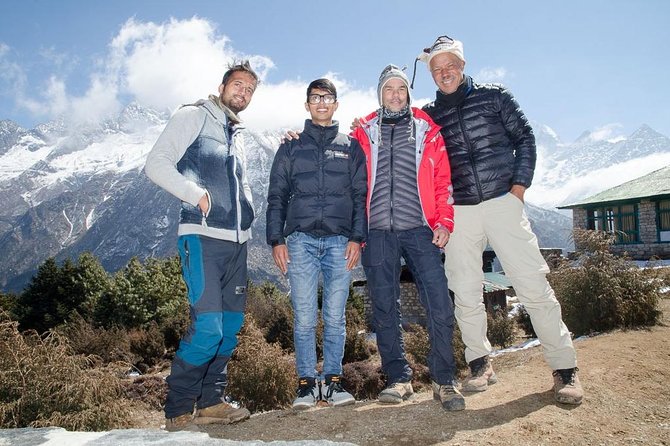
The headline here is simple: Gokyo Lakes trekking is built around 19 freshwater lakes connected to each other. You’re not just visiting one photo spot; you’re moving through a system.
What I’d tell you to watch for is contrast. The water can look calm and glassy in some weather, then the colors shift as light changes and wind moves across the valley. Because these are freshwater lakes in the Everest region, the scenes feel clean and bright compared with darker glacial areas you might see elsewhere.
Also, expect the trek to run through a UNESCO World Heritage conservation area. The route includes forests of pine, oak, and rhododendron, and that blend of plants means you might see alpine birds and other wildlife along the way. Even if wildlife sightings are never guaranteed, this forest-to-high-alpine transition is part of the trek’s texture.
Gokyo Ri at 5,357m: the climb that earns the view
Gokyo Ri (5,357m) is one of the major highlights, and the reason is altitude math. Higher viewpoint = wider view. You’re aiming for big panoramas of the Khumbu region, including views of four eight-thousand-meter peaks (the exact peaks depend on weather and visibility).
This is also the spot where the trek’s character clicks from “scenery is great” to “okay, this is why people do the work.” The best advice I can give: plan your day around the idea of early starts and slow steps. At that height, your body is doing most of the climbing, not your legs.
If you’re the type who loves sunrise light on snow, this climb is the kind of day that rewards patience. If you’re tired after earlier pass work, treat it like a serious effort day, not a casual add-on.




Renjola Pass and Chola Pass: where the route gets real
The Gokyo valley sits adjacent to Renjola Pass and at the junction of Chola Pass. That’s not marketing fluff; it’s the geography behind the drama. Pass days usually mean longer hours, colder air, and terrain that asks for good footing.
From what’s described for this trek, Renjola and Chola are key turning points that connect you to the most scenic high-altitude segments of the Khumbu. If you loved the idea of Everest Base Camp but want something that feels more scenic and romantic, this is where you likely feel that shift.
Your consideration here is basic: passes can be challenging. You’ll want solid trekking fitness and a plan for pacing. If your hiking style is fast and aggressive, you may need to slow down. Altitude punishes ego.
Everest Base Camp pairing: if you want the best of both worlds
This is a smart option if you can’t decide between Gokyo lakes and classic Everest Base Camp trekking. The route is designed so you can visit Sherpa valley Gokyo before or after reaching Everest Base Camp (again, the provided elevation for Everest Base Camp is 5,364m).
What I like about pairing them is variety. Everest Base Camp gives you that iconic expedition energy. Gokyo gives you lakes, Sherpa village life, and pass viewpoints that can feel quieter and more personal.
Just remember: adding Base Camp usually adds pressure on timing and altitude management. If you’re prone to altitude issues, you’ll want to discuss priorities with your guide early so you don’t force a one-size-fits-all plan.
Sherpa culture stops: museum visits and traditional villages
This trek isn’t only oxygen and rocks. It includes cultural moments like the Sherpa Museum and traditional Sherpa villages. The description emphasizes that these stops are like a cultural gallery, where you can learn about typical rites and rituals.
If you care about understanding a place beyond views, this is one of the most valuable parts of the trip. The Sherpa community has a living relationship with the mountains, not just a tourist relationship. Even short visits can change how you see the trail: it becomes a route between homes, not only a route between landmarks.
Everest View Hotel at 3,880m: close-up Everest without going to the top
There’s also a hike option to Everest View Hotel (3,880m), described as the world’s highest-altitude hotel. From there, you can see a close up view of Mt. Everest.
This can be a great pressure release valve. It’s high, but it’s not a top-of-the-world summit day. If your legs are tired from earlier pass or lake segments, this is the kind of viewpoint stop that still gives you a payoff without turning your day into a full climbing mission.
What’s included (and what you’ll need to plan for)
The price is listed at $1,290 per person for an approximately 18-day trek from Kathmandu. For value, I pay attention to what’s covered versus what’s extra.
Included:
- Accommodation as per itinerary
- National park fees
- Local guide
- Hotel/port pickup and drop-off
Not included:
- Alcoholic drinks (available to purchase)
- Food and drinks
- Lunch, breakfast, dinner
That last point is big for budgeting. Even if your trek logistics are handled well, you’ll still need to pay for meals on most days. Also, drinks add up fast at altitude, especially when you’re trying to stay hydrated but not freeze.
A quiet plus: you get mobile ticket and pickup is offered around Kathmandu, including the airport meeting point at Tribhuvan Airport. It reduces the first-day scramble.
One more practical note: this is described as a private tour/activity, meaning only your group participates. Private usually means you can ask more questions, adjust pacing, and get clearer day-to-day guidance—helpful when weather or altitude changes your plan.
Guides and on-the-ground support that make a difference
One of the most useful things for high-altitude trekking is human reliability. This operator lists a local team and, in provided information, a guide named Bishnu Magar is mentioned as part of the experience. There’s also reference to Shailesh Pokharel (CEO) welcoming people on arrival.
Why you should care: in the Everest region, small decisions matter. If you get a late start, feel off on a climb, or need to adjust based on cloud cover, having a guide who can react quickly is worth real money.
Who should choose this trek (and who should be cautious)
This trek fits you best if you:
- Want Gokyo Lakes and the lake-and-pass scenery, not just base camp photos
- Like a mix of nature and culture (Sherpa Museum and village visits)
- Can handle high-altitude trekking with strong physical fitness
You should think twice if you don’t handle altitude well or you’re looking for an easy vacation. The information explicitly says travelers should have a strong physical fitness level, and passes like Chola and Renjola are included in the route concept.
Also, be honest about meal planning. Since food and drinks aren’t included, you’ll need to manage your daily spending and energy intake.
Should you book this Gokyo Lake trek?
I’d book this trek if your dream is turquoise lakes, big mountain views, and a route that connects passes and culture instead of only chasing a single landmark. At this price point, the inclusion of national park fees, accommodation, and a local guide helps the trip feel organized rather than improvised.
Skip or pause if meals and extra costs will stress your budget, or if you want a very low-intensity walking plan. With 18 days roughly, you’re signing up for time on your feet and a clear altitude mindset.
If you’re ready to work for the views (and you want the Gokyo story specifically), this is a strong match.
FAQ
Where does the experience start in Kathmandu?
The meeting point is Tribhuvan Airport in Kathmandu, Nepal.
Is airport pickup included?
Yes. Hotel/port pickup and drop-off are included.
How long is the trek?
The duration is listed as 18 days (approx.).
What’s the main highlight of the trek?
The trek centers on the Gokyo area, including 19 interconnected freshwater lakes, plus viewpoint goals like Gokyo Ri.
Is Everest Base Camp included?
The route is described as a variant of Everest Base Camp trekking, and Everest Base Camp (5,364m) can be visited before or after reaching Gokyo lakes.
Are meals included in the price?
No. Food and drinks are not included, and lunch, breakfast, and dinner are listed as not included.
What’s included besides trekking services?
Accommodation as per itinerary, national park fees, a local guide, and hotel/port pickup and drop-off are included.
Is this a private trek?
Yes. It is private, and only your group participates.
Are service animals allowed?
Yes, service animals are allowed.
What’s the cancellation policy for a full refund?
Free cancellation is available. You can cancel up to 24 hours in advance of the experience for a full refund.
More Trekking Out of Kathmandu






More Tour Reviews in Kathmandu




Just Reviewed in Kathmandu
- Mountain Bike Tour
★ 5.0 · 3 reviews - Annapurna Panaroma
★ 5.0 · 3 reviews - Mount Everest Scenic Flight 50 Minutes
★ 5.0 · 3 reviews - Kathmandu : Swambhunath & Durbar Square Guided Half Day Tour
★ 3.3 · 3 reviews - Chandragiri Cable Car & Monkey Temple Tour – Private/Group
★ 5.0 · 3 reviews - Kathmandu: Shivapuri National Park Hiking Day Trip
★ 3.3 · 3 reviews
Gokyo Lakes & Everest High Passes, compared.
 ★ 5.0Gokyo to Everest Base Camp TrekFrom $2,200113 reviews
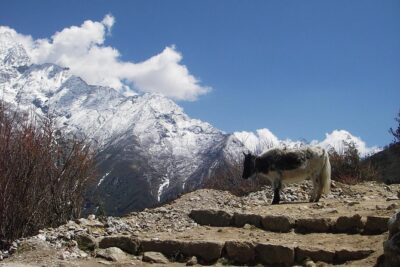 ★ 5.0Everest Base Camp – Cho La Pass – Gokyo TrekFrom $1,39465 reviews
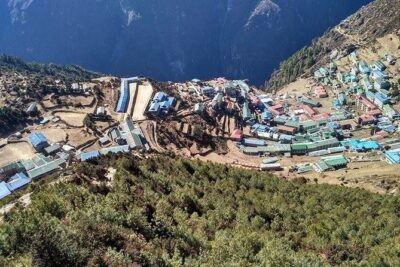 ★ 5.012 Days Everest Base Camp Kala Patthar TrekFrom $1,79961 reviews
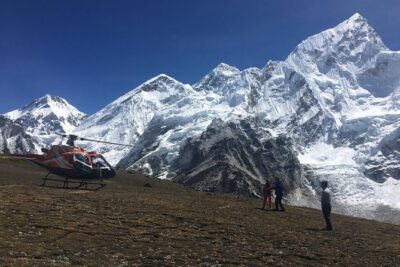 ★ 5.0Guaranteed Landing at Everest Base Camp Kalapathar by HelicopterFrom $3,50038 reviews
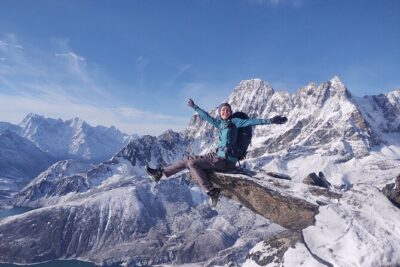 ★ 5.0Everest Gokyo Valley Trek – 12 daysFrom $1,39927 reviews
 ★ 4.214-Day Everest Base Camp with Kala Patthar TrekFrom $1,29621 reviews
 ★ 5.0Landing Private Helicopter at Everest base camp & Gokyo for photoFrom $4,39920 reviews
 ★ 5.0Gokyo Valley TrekFrom $1,51419 reviews
Browse the lists this tour appears in