
Review · GOKYO LAKES & EVEREST HIGH PASSES
Gokyo Lakes and Gokyo Ri Trek
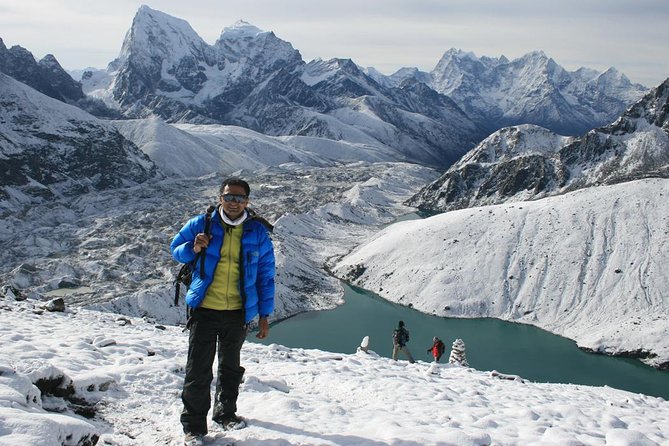
Turquoise lakes under icy giants pull you in. This 14-day Everest-region trek swaps the usual Everest Base Camp feel for Gokyo Ri views, plus lake-side walking in the Gokyo Valley with acclimatization stops that help you handle the altitude.
I especially like the mix of culture and trail time: Kathmandu’s major UNESCO sites on the front end, then tea-house nights once you’re in trekking mode. I also like the way guides keep an eye on how you’re doing, including examples like Krishna checking in and making sure trekkers stayed comfortable in their tea houses.
One thing to weigh: the trek includes a continuous climb to the Gokyo Ri summit, and altitude risk is real, so you’ll want to take pacing seriously from day one.
In This Review
- Key things I’d plan for
- Kathmandu Temples Before the Trail: Thamel, Pashupatinath, Boudhanath, Swayambhu
- From Kathmandu to Lukla: The Flight That Sets the Rhythm
- Trekking to Namche Bazaar: Suspension Bridges, Switchbacks, and Everest Views
- To Luza and Machhermo: Shorter Day, Higher Feel
- Machhermo to the First Lakes: Terminal Moraines, Iron Bridges, and Glacial Drama
- Gokyo Ri Summit: The Continuous Climb and Why It’s Worth It
- The Return Down: Luza, Dole, Namche, and Lukla via Dudh Koshi
- Flying Back to Kathmandu and a Final Culture Reset
- What You Actually Get For $1,706.67: Value, Meals, and Real Support
- Who Should Choose This Version of the Everest Region (and Who Should Rethink)
- Should You Book This Gokyo Lakes and Gokyo Ri Trek?
Key things I’d plan for
- Gokyo Ri is the main event: a strenuous, steady summit climb with a panoramic payoff over multiple 8000m peaks.
- Altitude pacing is built in: Namche Bazaar acclimatization and shorter days before you push higher toward the lakes.
- Sagarmatha National Park is part of the route: you’ll pass the Monjo entry point and walk through rhododendron and pine forests.
- You’ll walk around glacial features: terminal moraine, the Ngozamba Glacier area, and iron bridges appear in the big lake approach.
- Small group size (up to 10): easier communication, and it’s simpler to keep the pace humane.
- A strong guide culture matters: Krishna’s attentiveness stands out in trekkers’ write-ups, and the operator has shared a case where they arranged rapid rescue help when altitude sickness hit elsewhere.
More trails out of Kathmandu, boots ready
- Everest Base Camp Trek – 14 Days★ 5.0 · 1,499 reviews
- Everest Base Camp Trek★ 5.0 · 842 reviews
- Everest Base Camp Trekking★ 5.0 · 485 reviews
- Nagarkot Sunrise View and Day Hiking from Kathmandu★ 5.0 · 471 reviews
Kathmandu Temples Before the Trail: Thamel, Pashupatinath, Boudhanath, Swayambhu
Before your boots ever hit the trail, Nepal puts you in the right mood. In Kathmandu, you start in Thamel, a practical base for gear shopping and quick meals, with easy access to nearby sights like Durbar Square. If you arrive with jetlag, this is a good place to take it slow and get organized.
Then you’ll visit major spiritual landmarks that explain why people come to Nepal year after year. Pashupatinath Temple is a UNESCO World Heritage Site and a central Hindu pilgrimage spot linked to Lord Shiva. The day also layers in Boudhanath Stupa, Nepal’s largest stupa, respected by Hindu and Buddhist communities (and yes, it’s also a magnet for Western visitors).
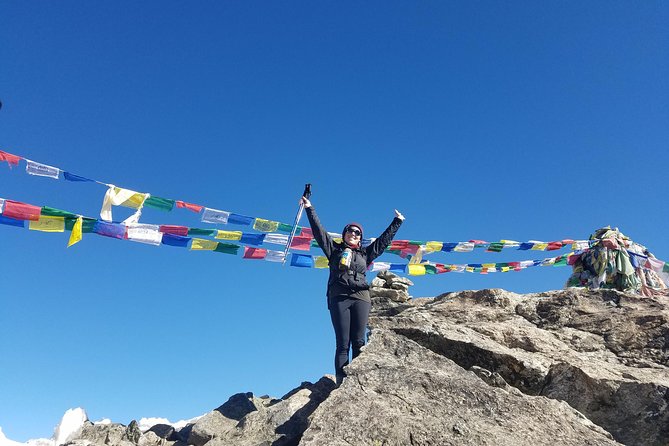
Finally, Swoyambhu Mahachaitya—also known as Swayambhunath or the Monkey Temple—gives you high-view Kathmandu city panoramas, plus prayer flags and the lively stupa atmosphere that comes with it. It’s a nice contrast to trekking days: you can absorb the city, take photos, and still get a calm sunrise or sunset window if conditions cooperate.
From Kathmandu to Lukla: The Flight That Sets the Rhythm
The Everest region has a way of changing your pace fast, and the route starts with a flight to Tenzing-Hillary Airport in Lukla. From there, your trekking team meets you at the airport, and you start into the walking plan right away. It feels like a switch flips—from city planning to trail logistics.
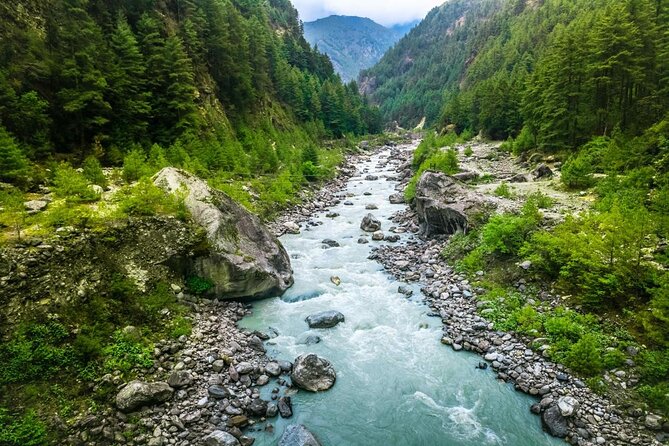
Your first trekking day aims for acclimatization, not heroics. You’ll walk with the Dudh Koshi River along the way, descending into the river valley and following the established settlements. Expect forests and river views—dense enough to feel green, with tree species like rhododendron, fir, and birch appearing on the route.
You’ll also begin moving through Sagarmatha National Park, including a point where permits are checked at Monjo. This matters because it keeps the trekking experience grounded in a protected area, with wildlife and plant life part of the day, not just scenery. One nice detail: the route mentions chances to spot park flora and fauna like rhododendron and Lophophorus (a named species in the region).
Trekking to Namche Bazaar: Suspension Bridges, Switchbacks, and Everest Views
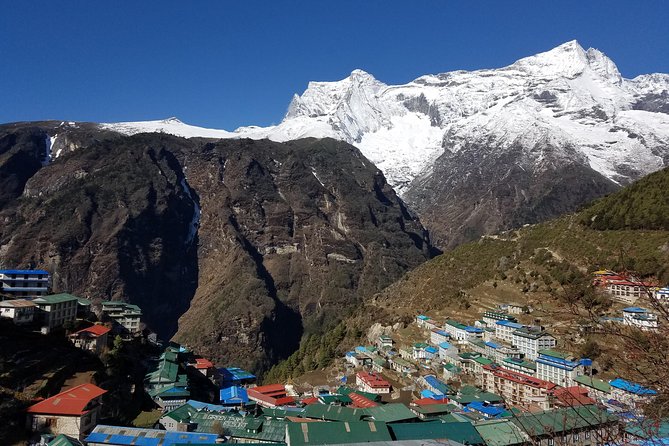
Getting to Namche Bazaar is where the trek starts feeling like the Everest region you’ve seen in photos, but with real trail texture. On the way, you pass suspension bridges, wide switchback climbs, and gorges carved by river power. The route also includes a couple of Dudh Koshi crossings, which is one of those small things that keeps your day interesting and breaks up long straight sections.
There’s also a specific Namche strategy: you don’t just arrive and immediately push higher. Instead, you set up for acclimatization. Namche is busy enough to stock up on energy and supplies, but it’s also positioned so you can do short hikes without burning out.
A highlight day is the side-trip to Everest View Hotel, where you get big views of Mount Everest, Ama Dablam, Nuptse, and Lhotse. Another side option is walking up toward Khumjung village and visiting the Khunde Hospital and school, including the “Schoolhouse in the clouds” reference. It’s a meaningful detour that turns acclimatization into something you’ll actually remember beyond just altitude management.
Then you add one more altitude-friendly boost: a shorter climb from Namche toward places like Kyangjuma, with views of Ama Dablam, Thamserku, and Katenga. This is the rhythm you want—short climbs, good views, and enough time for your breathing to settle.
To Luza and Machhermo: Shorter Day, Higher Feel
Once you’ve worked your body up to Namche levels, the trek shifts toward the Gokyo side. You’ll head through Lhabarma and the village of Luza, then continue up toward Machhermo for the overnight. The day is described as relatively shorter than earlier pushes, but that doesn’t mean easy—altitude makes every step feel heavier.
The trail also goes through scenic ridge terrain above Dole, with quiet community sections and sand-spur style walking that changes the feel underfoot. What I like here is that you’re not just walking numbers higher. You’re gradually being moved into a more open, high-valley environment—so each day subtly changes how the mountains look around you.
Machhermo becomes an important staging point. The route highlights the confluence of streams originating from Kyajo Ri and Pari Lapche, plus mountain views that start looking more glacier-focused as you get closer to the lakes country.




Machhermo to the First Lakes: Terminal Moraines, Iron Bridges, and Glacial Drama
The transition into the Gokyo Valley is one of the best parts of this trek because the scenery shifts from forest-and-village to ice-and-water. From Machhermo, you ascend toward Phangka, and the valley starts to open up. You’ll then move down toward the river and face a steep climb toward the terminal moraine formed by the Ngozamba Glacier.
That moraine approach isn’t just a technical detail. It’s where the trek’s personality becomes unmistakably glacial—messy, rocky, and full of scale. Crossing moraines leads you to an iron bridge that marks the start of the Gokyo Lake valley, which is a nice mental checkpoint: you’ve made it to the signature scenery.
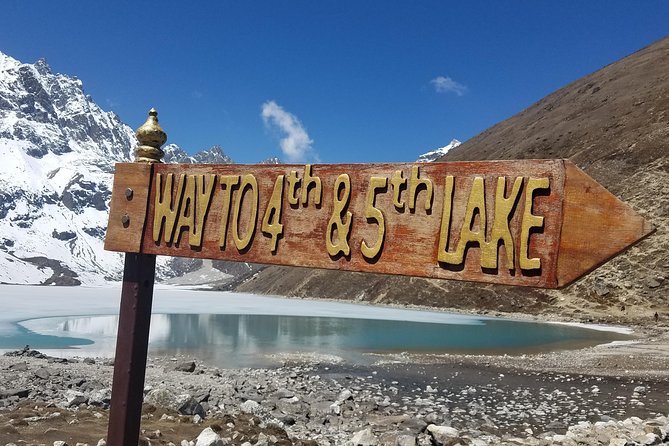
Then you walk lake by lake on trails described as gentle at times. The first highlighted lake is Longpongo, followed by Taboche Tso. The turquoise tone is one of those things you can’t fully capture in a photo—what matters more is how the mountains and glacier textures frame the water at different angles while you keep moving.
You also end the day with the important purpose of getting ready for the higher-altitude push that comes next.
Gokyo Ri Summit: The Continuous Climb and Why It’s Worth It
Day 9 centers on the Gokyo Ri summit, and it’s the day most people think about when they choose this trek. The route calls for a continuous and strenuous ascent, but also emphasizes slow, steady progress to the top. That’s exactly what you want to hear: climbing high is a slow game.
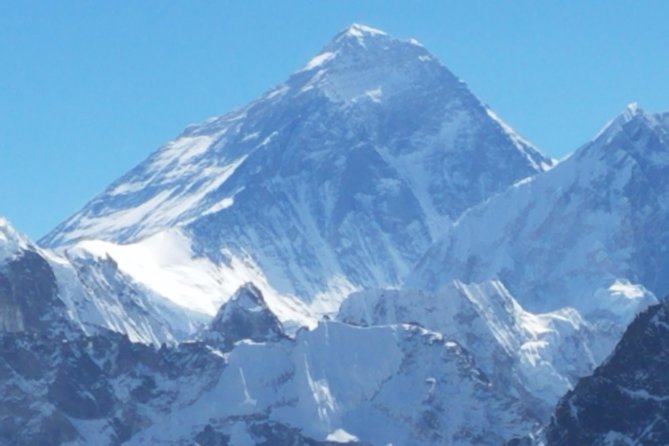
From the summit, the view list is dramatic and very specific. You’ll look across peaks above 8000m such as Cho Oyu (8153m), Lhotse (8501m), and Makalu (8475m). The route also includes Mount Everest (8848m) in the panorama mix, plus Thamserku (6808m) and Louche (as listed), and 8000m-plus views beyond just one peak.
The viewpoint also links the whole trek together: below you are the Ngozumba Glacier and Gokyo Lakes. This is where the lakes stop being “pretty water” and become part of the same glacial system you’ve been walking around for days.
After the summit, the plan includes hiking to the fourth lake, Thonak Tsho. That’s a helpful bonus because it gives you more water-and-ice drama after the exertion. Mentally, it keeps you from feeling like the day ends at the summit and that’s it.
The Return Down: Luza, Dole, Namche, and Lukla via Dudh Koshi
Going back is never just repetition here. The trek returns through familiar settlements—Machhermo, Luza, Lhabarma, and Dole—but at a slower tempo that lets you notice details again. From Gokyo village you descend gradually, and the route mentions views of Thamserku, Cho Oyu, and Kangtega, plus chortens, an iron bridge, and terrace-like sections that give the valley a human touch amid all the ice.
When you reach Namche Bazaar again, you’ll have a day that’s both scenic and biological. The route highlights wildflowers and rhododendron, and also wildlife like pheasants, mountain goats, and musk deer. You also get waterfalls and winding trail sections, finishing with a return to Namche, described as the Sherpa capital, including passing an army camp hill.
Then it’s the longer descent toward Lukla along the Dudh Koshi River. The trail is described as easier as you move toward Lukla, but the day length is still long because you’re dropping back from the higher Gokyo side. The route also points out Buddhist prayer stones and prayer flags, along with monasteries and chortens—those little repeated motifs help your brain stay calm on a long walk day.
Flying Back to Kathmandu and a Final Culture Reset
Once the trek finishes, you fly back to Kathmandu. The remaining time is yours: a full day rest at the hotel or some shopping for gifts and souvenirs. There’s also a farewell dinner that marks the official end of the trekking portion.
Your last day includes transfer to Tribhuvan International Airport (TIA) at least three hours before your scheduled flight. That’s worth taking seriously because flights and schedules can feel tight when you add time for check-in.
What You Actually Get For $1,706.67: Value, Meals, and Real Support
The price—$1,706.67 per person for about 14 days—isn’t a budget bargain, but it does buy you a lot of what makes high-altitude treks work. One key value piece: the offer lists meals as included—12 breakfasts, 11 lunches, and 11 dinners. That’s not just convenience. It helps you plan energy intake without having to negotiate daily restaurant choices in remote areas.
You also get pickup offered and a defined ticket redemption point in Kathmandu. And the group size is capped at 10 travelers, which usually means less crowding and smoother communication than big group treks.
The guide support part is where I put my trust. In a trek write-up tied to this operator, Krishna is described as checking how people were doing, making sure trekkers were comfortable in tea houses, and handling details from airport arrival onward. That’s the kind of small, daily care that reduces stress when altitude and weather already provide enough of that for you.
There’s also an important safety-adjacent story from a high-altitude trek experience associated with the same operator: when altitude sickness hit, the guide—Suresh Guranag—called the company owner Paul Gurang, and they organized and prepaid a helicopter for rescue. I can’t promise that same outcome would happen on your exact dates, but it’s a real example of rapid response thinking.
And a practical note: this experience is described as requiring good weather, with the plan being either a different date or a full refund if canceled due to poor conditions.
Who Should Choose This Version of the Everest Region (and Who Should Rethink)
This trek is often positioned as a strong alternative to Everest Base Camp, aimed at people who want high-mountain panoramas, glacial lakes, and dramatic ridgelines without an all-out grind every day. That fits the overall route feel: you get culture days in Kathmandu, an acclimatization arc in Namche, and a big “signature” day at Gokyo Ri.
That said, it’s not a walk in the park. The summit day is explicitly described as continuous and strenuous. So if you’re someone who struggles with altitude climbs, this route will still test you. The good news is that the trek includes acclimatization steps and shorter-to-longer pacing before the summit push.
The data also says you should have moderate physical fitness, and the company allows service animals. For most people, the main decision is honestly this: can you handle a slow climb to altitude without rushing, and can you accept that the view day costs effort?
Should You Book This Gokyo Lakes and Gokyo Ri Trek?
If you want the Everest region’s drama but you’re drawn to turquoise glacial lakes and the bigger panorama from Gokyo Ri, I’d say yes—with planning. The route is built for acclimatization, it keeps group size small, and the guide attention story around Krishna suggests day-to-day care is taken seriously.
I’d think twice if you know you’re prone to altitude illness or you don’t do well with long days plus a continuous summit climb. In that case, you’ll want to talk with your medical provider ahead of time and consider how you’ll handle a slow pace.
If you’re aiming for a memorable mix—Kathmandu culture, Sagarmatha National Park walking, Ngozamba Glacier scale, and a top-of-the-world view—this trek deserves a spot on your shortlist.
More Trekking Out of Kathmandu






More Tour Reviews in Kathmandu




Just Reviewed in Kathmandu
- Mountain Bike Tour
★ 5.0 · 3 reviews - Annapurna Panaroma
★ 5.0 · 3 reviews - Mount Everest Scenic Flight 50 Minutes
★ 5.0 · 3 reviews - Kathmandu : Swambhunath & Durbar Square Guided Half Day Tour
★ 3.3 · 3 reviews - Chandragiri Cable Car & Monkey Temple Tour – Private/Group
★ 5.0 · 3 reviews - Kathmandu: Shivapuri National Park Hiking Day Trip
★ 3.3 · 3 reviews
Gokyo Lakes & Everest High Passes, compared.
 ★ 5.0Gokyo to Everest Base Camp TrekFrom $2,200113 reviews
 ★ 5.0Everest Base Camp – Cho La Pass – Gokyo TrekFrom $1,39465 reviews
 ★ 5.012 Days Everest Base Camp Kala Patthar TrekFrom $1,79961 reviews
 ★ 5.0Guaranteed Landing at Everest Base Camp Kalapathar by HelicopterFrom $3,50038 reviews
 ★ 5.0Everest Gokyo Valley Trek – 12 daysFrom $1,39927 reviews
 ★ 4.214-Day Everest Base Camp with Kala Patthar TrekFrom $1,29621 reviews
 ★ 5.0Landing Private Helicopter at Everest base camp & Gokyo for photoFrom $4,39920 reviews
 ★ 5.0Gokyo Valley TrekFrom $1,51419 reviews
Browse the lists this tour appears in