
Review · GOKYO LAKES & EVEREST HIGH PASSES
Gokyo-Ranjo Pass Trek On 16 Days (Cheapest Trip On Nepal)
Few people regret choosing Gokyo over the crowds.
This trek is built around a mountain flight into Lukla and then a classic walk along the Dudh Kosi valley, with a route that gradually trades the main Everest trail for quieter Sherpa country. You’ll also get a proper pacing plan that includes high points like Machhermo and Gokyo, plus two major viewpoint-style climbs along the way.
What I really like is that you’re not just paying for walking days—you’re paying for support. The plan includes an Experience Sherpa Trek Guide, required porters, permits, all meals on trek (plus hot drinks), and even a trek sleeping bag and down jacket rental so you can travel lighter.
One thing to weigh: the whole schedule depends on Lukla flights and mountain weather. Even with an “emergency day” built in, you should be ready for possible delays and extra waiting time around flying days.
In This Review
- Key Highlights You’ll Actually Feel on the Trail
- Lukla, Kathmandu Prep, and a Clean Start at 5:00am
- From Namche to Khumjung: Quiet Sherpa Country After the Main Trail
- Machhermo Acclimatization: The Day You Thank Yourself For
- Gokyo Valley and GokyoRi: When Views Become the Whole Point
- Renjo La Pass (5,340m): The Panoramic Payoff Day
- Coming Down: Namche Backtrack, Lukla Flights, and the Buffer Day
- Price and Logistics: What $2,100 Gets You (and What It Doesn’t)
- Who Should Choose This Trek (and Who Might Think Twice)
- Should You Book the Gokyo–Renjo La Trek?
- FAQ
- How much does the Gokyo–Renjo La trek cost?
- How long is the trek, approximately?
- Where does the experience start, and what time?
- What is included for meals and drinks on the trek?
- Do I need permits for this trek?
- Is trekking gear like a sleeping bag and down jacket provided?
- What insurance do I need?
- Is free cancellation available?
Key Highlights You’ll Actually Feel on the Trail
- Lukla flight start that turns a long journey into a fast, high-country beginning
- Dudh Kosi River trekking for steady scenery and a traditional Khumbu feel
- Off-main-trail detours through Sherpa villages like Khumjung after Namche
- Acclimatization structure with time around Machhermo (4,470m) before higher pushes
- Renjo La panorama day with a high pass crossing at about 5,340m
More trails out of Kathmandu, boots ready
- Everest Base Camp Trek – 14 Days★ 5.0 · 1,499 reviews
- Everest Base Camp Trek★ 5.0 · 842 reviews
- Everest Base Camp Trekking★ 5.0 · 485 reviews
- Nagarkot Sunrise View and Day Hiking from Kathmandu★ 5.0 · 471 reviews
Lukla, Kathmandu Prep, and a Clean Start at 5:00am
This trip begins in Kathmandu with a simple, practical rhythm. You’ll land in KTM, get transferred to your hotel, and attend a briefing plus packing prep. The meeting point is Tribhuvan Airport at 5:00am, which matters because Lukla days are not “sleep in and see what happens” days.
A half-day World Heritage Sites tour is included, using a guide and private transport. That’s a smart use of time before you head into trekking mode, because it helps you get grounded in Kathmandu without burning a whole day.
Then comes the big turning point: a flight to Lukla, sitting at roughly 2,840m, where you start walking immediately. The first trek day takes you down into the lower stretch to Phakding (around 2,610m) before you gain height again the next day. That early pattern is good for your body—nothing too intense right away—yet you still feel you’ve arrived in the mountains by day three.
Also, this is a private tour/activity, meaning only your group participates. That matters on trek because it reduces chaos and helps schedules (meals, rest, pace) work smoothly.
From Namche to Khumjung: Quiet Sherpa Country After the Main Trail
After you settle into the route, you’ll trek to Namche Bazar (about 3,440m) in a day that’s listed at roughly 5 hours. Namche is the Everest-region hub, but what’s better here is what happens after you pass through it.
The plan deliberately leaves the main Everest trail. After crossing Namche, you’ll take a route toward an Everest View Hotel area, and then continue on to Khumjung, where you sleep for a night. Khumjung is special because it feels more local and less “busy checkpoint” than the busiest Everest corridors.
From Khumjung, you move higher to Dole (about 4,200m). This is where the trek starts asking more from your legs, but it’s also where the air begins to feel different. The good thing is the route progression is gradual: you’re not jumping from valley comfort straight into serious high-altitude fatigue.
If your goal is to see the Everest region while avoiding the most crowded feeling parts, this detour is a big deal. It keeps the trek story coherent: river valley → Namche → Khumjung → higher Dudh Kosi tributaries and beyond.
Machhermo Acclimatization: The Day You Thank Yourself For
The trek’s high point training starts around Machhermo (4,470m). The day to reach it is listed at about 4 hours, which tells you the itinerary is aiming for steady gains rather than brute effort.
Then you get a rest-and-adjust day at about 4,470m with time for day hikes. This is exactly the kind of planning that makes a high trek more manageable. At these elevations, what “feels easy” on day one can feel hard later—so giving your body a breathing space helps you keep moving with less drama (and fewer forced stops).
From Machhermo, the route continues toward the Gokyo valley area, a section described as less crowded than the main Everest trail. That matters because crowded routes tend to slow down your flow. A calmer rhythm means you’re more likely to stick to a steady pace, drink consistently, and eat when you should—not when you’re already starving.
You also get hot drinks and treated drinking water as part of the included support. On a pass-and-lake style trek, staying hydrated is one of the simplest wins you can control.
Gokyo Valley and GokyoRi: When Views Become the Whole Point
Next you’ll reach Gokyo (around 4,790m). The walk is listed at about 4 hours, which again supports the idea that this itinerary is built for altitude success, not speed running.
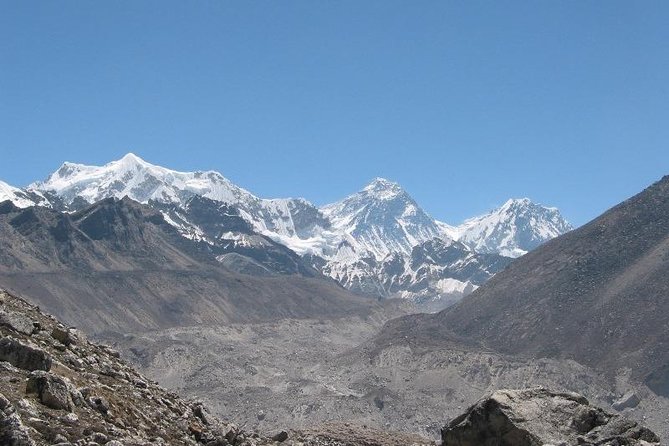
Once you’re based near Gokyo, you add a day trip to GokyoRi (5,483m). Even if you’re not chasing a personal summit, a viewpoint day at this height is the heart of the experience. It’s where you get the dramatic “everything is stacked” sensation that makes the Everest region so famous.
The overview also includes climbing Gokyo Peak (5,360m). In practice, that means your itinerary has more than one big “work for the view” moment. It’s a lot of altitude effort packed into a short window, which is why the Machhermo acclimatization step matters so much.
Here’s how to think about it: you’re traveling into a quieter valley system and then using side days to earn the skyline angles. That’s a more satisfying travel style than spending all your energy on long transfers.
And on the practical side, lodge stays on trek are included via the meals plan (breakfast, lunch, dinner on trek). That reduces decision fatigue. You don’t have to keep searching for a reliable meal after a hard day.




Renjo La Pass (5,340m): The Panoramic Payoff Day
After Gokyo Peak and the high viewpoint activities, your route crosses Renjo La pass (about 5,340m). The plan calls it one of the standout panoramic viewpoints for the highest mountains.
This is the day you want to treat gently. High passes aren’t just physical; they’re mental. Cold air plus thin oxygen changes your breathing style, and it can make a straightforward climb feel longer. The good news is your itinerary includes a following descent to Lungden (about 4,400m), listed at roughly 6 hours. That sets you up for real recovery instead of more high-level grinding.
From a travel-value angle, this pass crossing is the reason many people choose this route instead of staying pinned to the main Everest trail the whole time. You trade some familiarity for a clearer sense of wilderness and a different mountain perspective.
Also, the overall pacing keeps the day count reasonable for the altitude range. You’re working with the rhythm of the Khumbu, not against it.
Coming Down: Namche Backtrack, Lukla Flights, and the Buffer Day
On the return, you trek back toward Namche (about 3,440m). That’s listed at around 5 hours, which is helpful because you’re dropping elevation at a pace that usually feels more forgiving than your ascent days.
Then you head down to Lukla (about 2,840m) on a longer day (around 6 hours). This is often where the trail turns into a mix of tired legs and relief. If you’ve stayed hydrated and eaten consistently, you’ll feel the relief more than the exhaustion.
Flying back to Kathmandu happens on day 14, with an evening celebration meal included. That’s a nice touch because finishing a trek in Nepal is not the moment to rush into more logistics.
There’s also a free day and emergency day for the Lukla–KTM flight. That’s not just a nice-to-have; it’s a real-world acknowledgement of how mountain weather can play with flight schedules.
Finally, on day 16 you’ll have airport transfer for your onward flight or optional extension. Private vehicle transfers are included throughout, so you’re not left figuring out how to get from point to point while your body is still winding down.
Price and Logistics: What $2,100 Gets You (and What It Doesn’t)
At $2,100 per person (16 days approx.), this trek pricing makes sense if you compare it to the cost of assembling everything yourself. Here’s what you’re getting that keeps the plan realistic:
Included items that reduce your risk:
- All trekking permits plus conservation/national park fees and government taxes
- All meals on trek (breakfast, lunch, dinner) and hot drinks (tea/coffee/hot chocolate)
- Treated drinking water support is included
- Required number of porters, plus a trek duffle bag for each member
- A trek first aid kit
- Sleeping bag and down jacket rental (on a rental basis)
Also helpful:
- Private airport/hotel transfers by vehicle
- 3-star hotel accommodation on twin sharing with breakfast (listed as 3 (four) nights, so you’ll want to confirm which exact nights apply to your departure)
What you still pay for:
- Bottle water, boiled water, soft drinks, beers
- International departure taxes
- Medical/personal high risk insurance covering emergency evacuation (not included)
- Personal trek gear and personal expenses like laundry, phone calls, and toiletries
- Tips to local staff
- Major meals in Kathmandu
My practical take: the trek includes a lot of big-ticket, hard-to-organize items (permits, guides, porters, meals, and key gear rentals). The biggest “don’t gamble” item is insurance. At these altitudes, you should have evacuation coverage.
Who Should Choose This Trek (and Who Might Think Twice)
This trek is a strong fit if:
- You have strong physical fitness, and you’re comfortable with high-altitude trekking
- You want a classic Everest-region feel but with more quiet time in the Gokyo valley
- You like the structure: flight into Lukla, valley trekking, then deliberate altitude build-up with a rest day at Machhermo
It may be less ideal if:
- You hate any schedule uncertainty around Lukla flights (weather happens, even with the buffer day)
- You’re not prepared for early starts like a 5:00am meeting time at Tribhuvan Airport
- You’re hoping to bring almost no gear and also skip the basics—since personal gear and toiletries aren’t included, you’ll still need to pack smart
One more human detail: prior trek reports tied to Dream Himalaya Adventures include Sherpa guide names like Pema and Kami. That’s reassuring because it suggests consistent guiding teams—not a random rotation.
Should You Book the Gokyo–Renjo La Trek?
I’d book this if your goal is a high-quality Khumbu trek with real altitude planning and strong support. You’re getting a complete framework: meals, permits, guide, porters, and even key warmth gear via rental.
I’d pause if your travel style needs perfect predictability, because Lukla flights can add waiting time. The plan does help with an emergency day, but it can’t remove mountain weather.
If you want the Everest region without feeling trapped on the busiest paths the whole time, this route makes a clear case for itself—especially with Gokyo and the Renjo La pass payoff.
FAQ
How much does the Gokyo–Renjo La trek cost?
The price is $2,100.00 per person.
How long is the trek, approximately?
The duration is 16 days (approx.).
Where does the experience start, and what time?
It starts at Tribhuvan Airport, Kathmandu, Nepal, with a start time of 5:00am.
What is included for meals and drinks on the trek?
The trip includes all meals on trek (breakfast, lunch, dinner) and hot drinks and beverages, including treated drinking water.
Do I need permits for this trek?
Yes. The plan includes all required trekking permits plus conservation/national park fees and government taxes.
Is trekking gear like a sleeping bag and down jacket provided?
Yes. A trek sleeping bag and down jacket are included on a rental basis.
What insurance do I need?
Local team members are insured, but you must have your own medical/personal high risk insurance, and it must cover emergency evacuation costs.
Is free cancellation available?
Yes. You can cancel up to 24 hours in advance for a full refund.
If you tell me your trekking experience level and your comfort with altitude, I can help you sanity-check whether this elevation pattern (Machhermo, GokyoRi, and Renjo La) matches your goals.
More Trekking Out of Kathmandu






More Tour Reviews in Kathmandu




Just Reviewed in Kathmandu
- Mountain Bike Tour
★ 5.0 · 3 reviews - Annapurna Panaroma
★ 5.0 · 3 reviews - Mount Everest Scenic Flight 50 Minutes
★ 5.0 · 3 reviews - Kathmandu : Swambhunath & Durbar Square Guided Half Day Tour
★ 3.3 · 3 reviews - Chandragiri Cable Car & Monkey Temple Tour – Private/Group
★ 5.0 · 3 reviews - Kathmandu: Shivapuri National Park Hiking Day Trip
★ 3.3 · 3 reviews
Gokyo Lakes & Everest High Passes, compared.
 ★ 5.0Gokyo to Everest Base Camp TrekFrom $2,200113 reviews
 ★ 5.0Everest Base Camp – Cho La Pass – Gokyo TrekFrom $1,39465 reviews
 ★ 5.012 Days Everest Base Camp Kala Patthar TrekFrom $1,79961 reviews
 ★ 5.0Guaranteed Landing at Everest Base Camp Kalapathar by HelicopterFrom $3,50038 reviews
 ★ 5.0Everest Gokyo Valley Trek – 12 daysFrom $1,39927 reviews
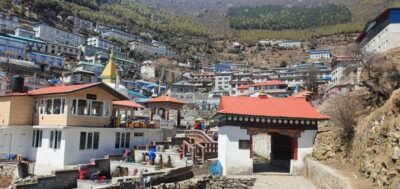 ★ 4.214-Day Everest Base Camp with Kala Patthar TrekFrom $1,29621 reviews
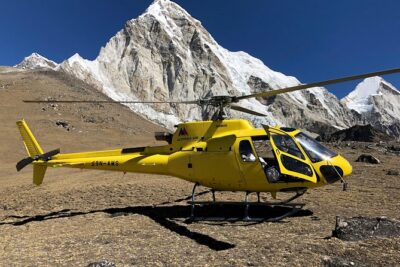 ★ 5.0Landing Private Helicopter at Everest base camp & Gokyo for photoFrom $4,39920 reviews
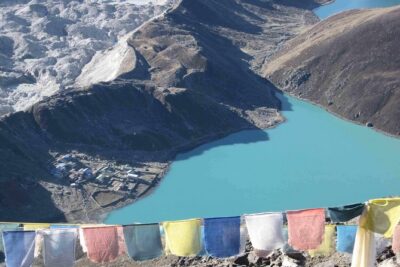 ★ 5.0Gokyo Valley TrekFrom $1,51419 reviews
Browse the lists this tour appears in