
Review · PASHUPATINATH & BOUDHANATH TOURS
Kathmandu: Pashupatinath Aarati & Cremation Evening Tour
Night at Pashupatinath feels oddly powerful. This evening tour centers on Pashupatinath Temple on the Bagmati River, where the rituals shift from daytime prayer to night ceremony in a way you won’t forget. You also get a guided look at this UNESCO-listed sacred site, so you’re not just watching—you understand what you’re seeing.
Two things I really liked were the private door-to-door transport (no hunting for buses while it’s getting dark) and the way the guide helps you stay respectful, not clueless. In one review, a guide named Santosh stood out for his clear info and calm guidance, which is exactly what you want at a religious site with active rites.
One consideration: the open-air cremation part is intense, and it’s not for anyone who needs gentle, cushy sightseeing.
In This Review
- Key points to know before you go
- How the private ride sets the tone in Kathmandu
- The UNESCO riverside setting: why Bagmati matters
- Your guide’s job: helping you behave respectfully
- Entering the evening: when Pashupatinath shifts from prayer to ceremony
- Evening aarti: lamps, chanting, and the rhythm you can feel
- Open-air cremation rites: how to watch with care
- Practical details that make the night manageable
- Price and value: what $43 buys you in real terms
- What the meeting point feels like on arrival
- Who should book this tour, and who should skip it
- Should you book Kathmandu: Pashupatinath Aarti & Cremation Evening Tour?
- FAQ
- What is the price per person?
- What does the tour include?
- Are meals included?
- Where does the tour start?
- How will I meet the guide at the temple?
- What language will the guide speak?
- What should I wear and bring?
- Are cameras allowed?
- Is smoking allowed?
- Is the tour suitable for wheelchair users or mobility impairments?
- Is there flexible payment or a refund policy?
Key points to know before you go
- Evening aarti at night: The lamps, chanting, and priest-led rhythm make this more than a quick temple photo stop.
- Open-air cremation rites: You’ll witness human cremation as part of Hindu practice, so come mentally prepared.
- Guided UNESCO site visit: A local guide helps you connect names, symbols, and traditions to what you’re seeing.
- Private round-trip transport: You skip the awkward logistics and arrive with less stress.
- Clear rules for respect: Modest dress, no flash, and no smoking keep the focus on the ritual.
Other ways into a Kathmandu evening
- 3 Nights 4 Days Chitwan National Park with Tower Night Stay★ 5.0 · 41 reviews
- 3 night 4 Day Yoga & Ayurveda Retreat to Detox the Body & Mind, Nepal★ 5.0 · 37 reviews
- Kathmandu: Pashupatinath Temple Evening Aarati Tour★ 5.0 · 36 reviews
- Kathmandu: Pashupatinath Temple Aarti Night Tour★ 4.8 · 29 reviews
How the private ride sets the tone in Kathmandu
Kathmandu traffic can be its own kind of sport. I love that this tour uses private round-trip transportation, usually by a comfortable air-conditioned vehicle. You’re not stuck timing public transport, and you’re not late to the ceremony because someone is bargaining over the exact bus route.
In practice, the private ride also changes your mindset. You arrive calmer. Instead of scrambling, you start looking around with purpose: the riverbanks, the temple buildings, the flow of devotees and priests moving through the evening.
You’ll likely be picked up from your hotel and brought straight to the Pashupatinath area, then meet your guide there. That door-to-door setup is a big part of the value if you’ve only got one evening in Kathmandu.
The UNESCO riverside setting: why Bagmati matters
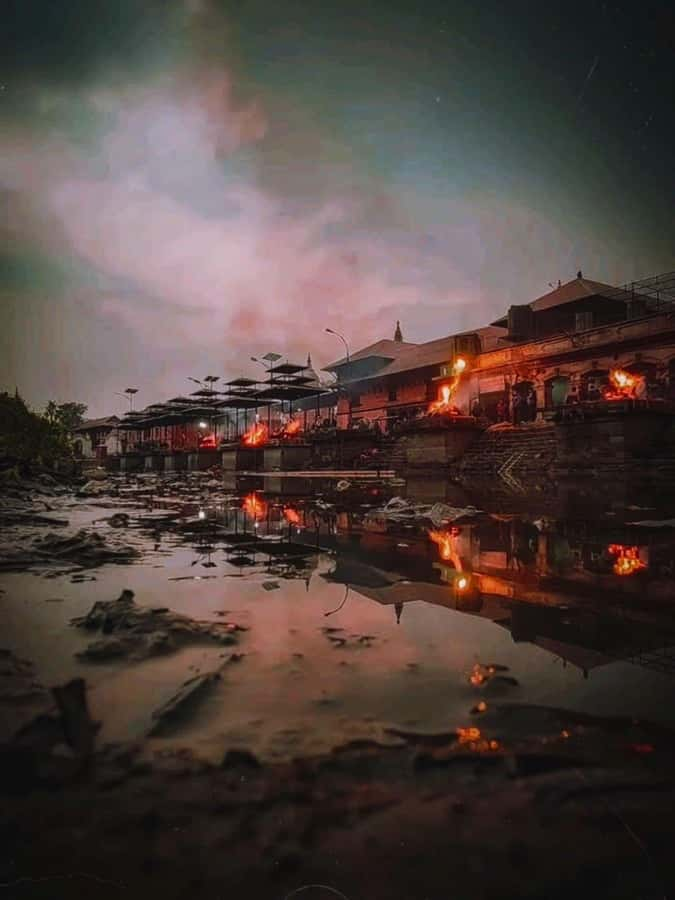
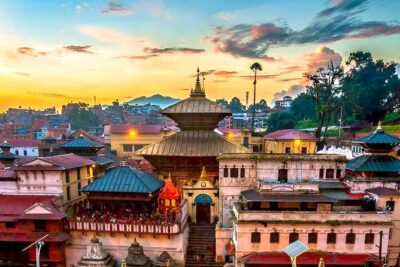
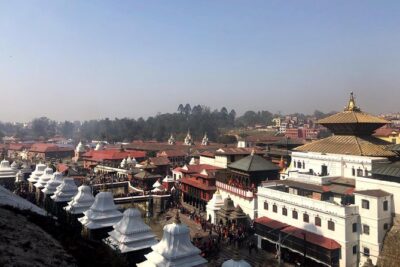
Pashupatinath Temple sits on the banks of the Bagmati River, and the river is not just scenery. It’s part of the religious logic of the place—central to daily worship and the cremation practices you’ll see in the evening.
During the guided portion, you’ll get context for what you’re looking at: where the main features sit, why the temple is such a major Hindu shrine, and what the site’s UNESCO recognition means in terms of cultural importance. This matters because Pashupatinath can look like a maze of stone, carvings, and prayer activity if you don’t have a guide.
This is the difference between standing at the edge of something enormous and actually understanding it. A good guide doesn’t turn it into a lecture. He helps you notice the details that create meaning—like the temple’s major architecture elements and the atmosphere around the rituals.
Your guide’s job: helping you behave respectfully
This tour is built around having a professional English-speaking guide, and that makes a real difference at Pashupatinath. The place isn’t a theme park. It’s a living sacred site, with priests working on a schedule and visitors expected to follow rules.
My favorite part of the guidance is that it helps you show respect without overthinking. Dress requirements (cover shoulders and knees), basic etiquette, and photography rules aren’t just bureaucratic. They protect the ritual environment for people who live this faith every day.
One review specifically highlighted Santosh for the information he provided and the respectful guidance he showed, so you’re not left guessing how to act. That’s exactly what you want when you’re about to watch ceremonies that include open-air human cremation.
If you’re the kind of person who likes to ask questions, you’ll likely get a lot out of this guide time. If you’re quieter, you’ll still benefit because the guide sets the tone for where to stand and what to observe.
Entering the evening: when Pashupatinath shifts from prayer to ceremony
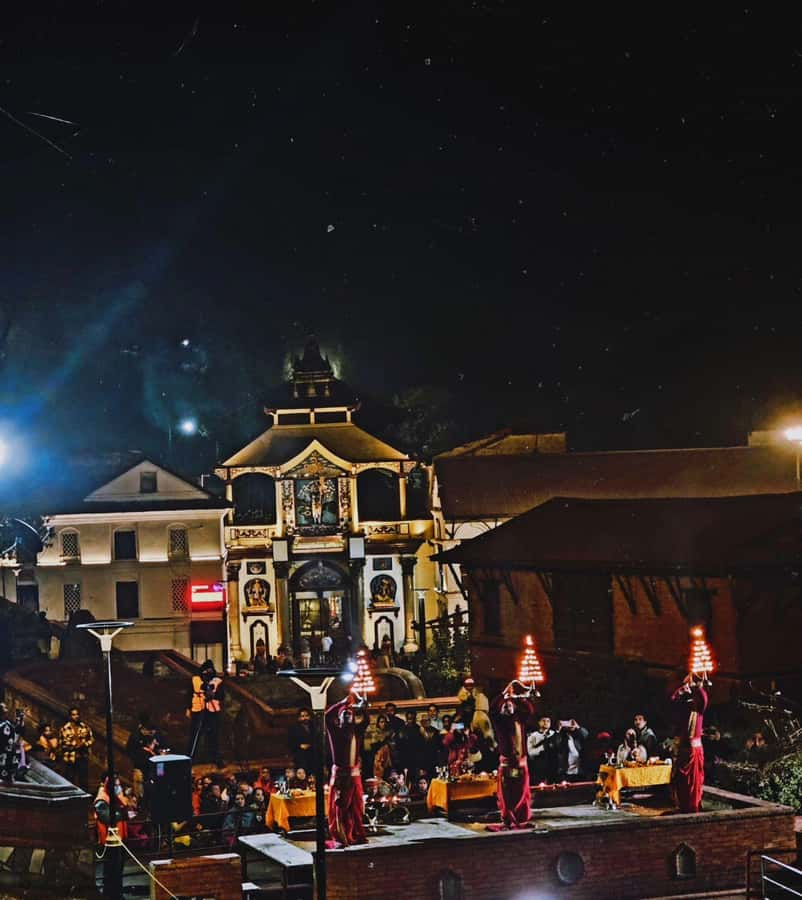
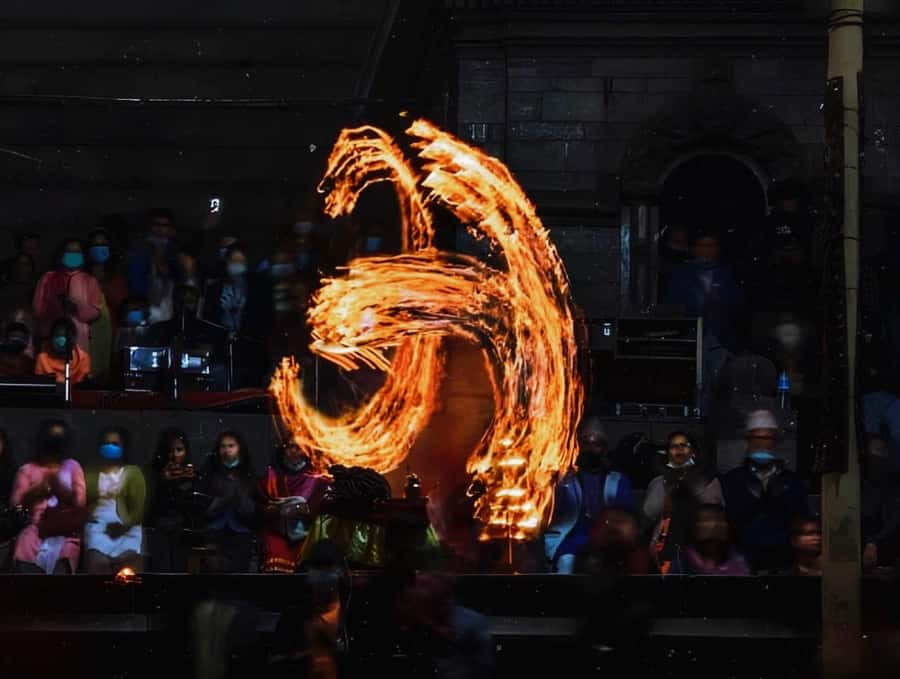
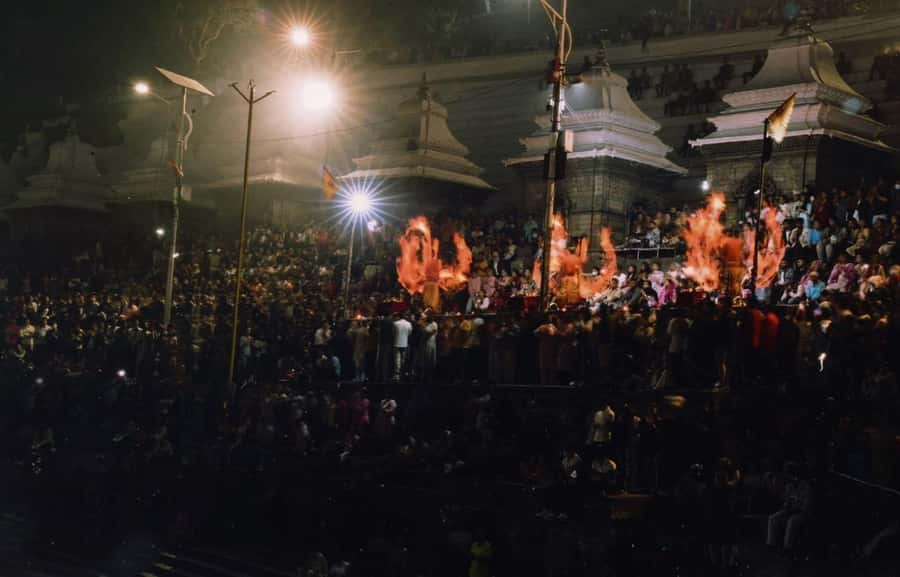
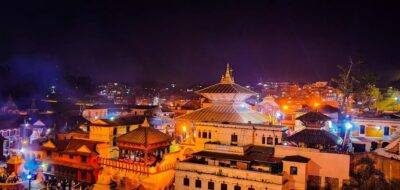
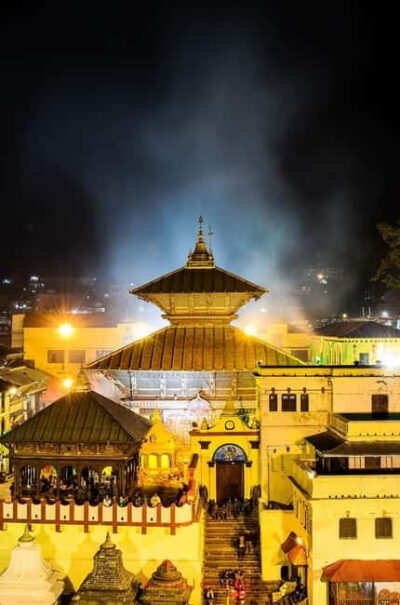
As dusk falls, Pashupatinath becomes a different place. The lighting changes first—lamps and candles start to glow, and the chanting has a way of growing louder as the crowd gathers. The temple’s atmosphere turns from daytime activity into an evening ritual stage.
You’ll spend time exploring the sacred grounds before the major ceremony, so you’re not arriving at the most intense moment without context. That prep time helps your brain adjust to the sensory mix: incense in the air, chanting priests, and people moving in steady patterns rather than random tourism flow.
This is also when you’ll start seeing the details that the guide points out—like the temple’s distinctive features and the general layout around where people congregate for worship.
Tip I’d give you: don’t plan to treat this as a pure photo mission. Let the moment unfold. If you focus only on cameras, you’ll miss the rhythm that makes the evening special.




Evening aarti: lamps, chanting, and the rhythm you can feel
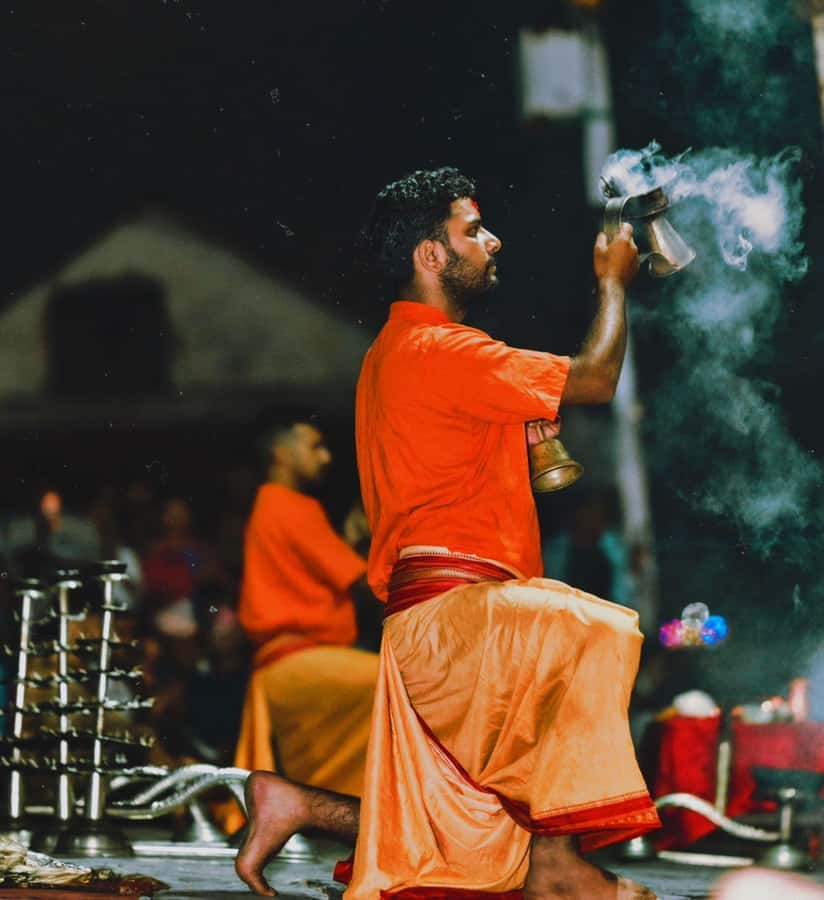
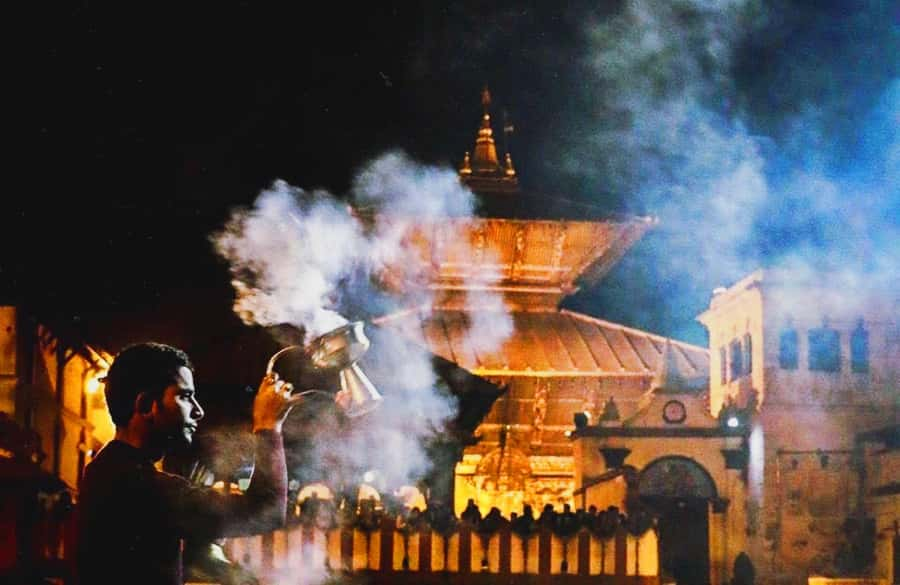
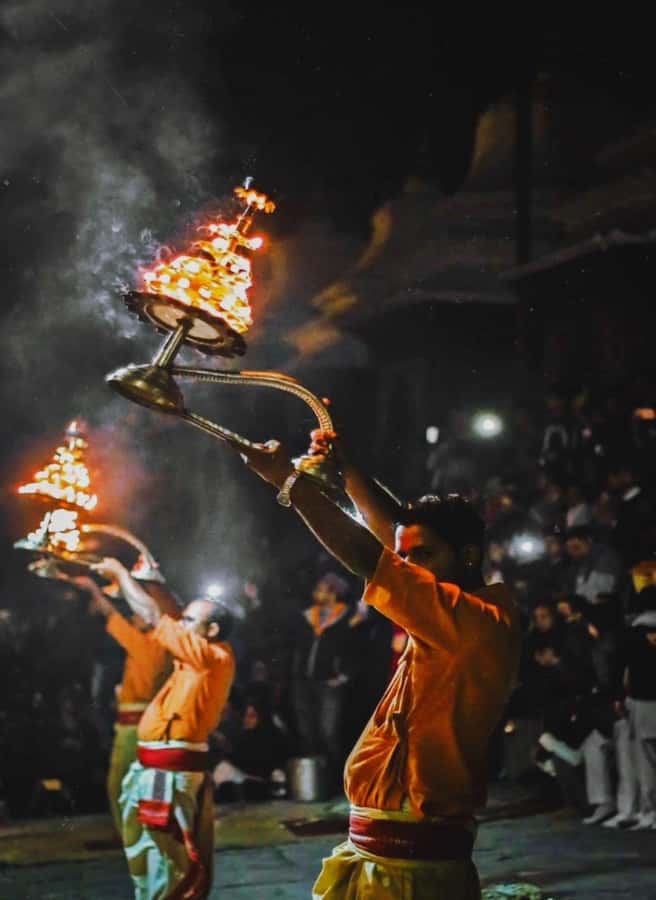
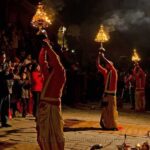
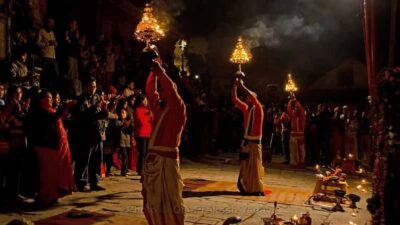
The highlight is the Pashupatinath Temple aarti in the evening/night. Aarti is a devotional ritual, and here you’ll see it with priests performing the sacred acts while devotees watch closely.
What makes this experience powerful is the combination of sound, light, and repetition. Oil lamps (diyas) flicker against the night. Chanting priests lead the timing. The whole thing feels structured, not chaotic, which helps you follow what’s happening even if you don’t know every word.
The guide adds value by explaining what this ritual represents—so you understand that you’re seeing devotion in action, not a performance. That’s what turns it from “I watched something” into “I understand why people are moved.”
Also, it’s at the right time of day. Doing this later in the evening makes the temple glow and makes the experience feel layered: architecture in dim light, ritual in full focus, and the river nearby adding to the atmosphere.
Open-air cremation rites: how to watch with care
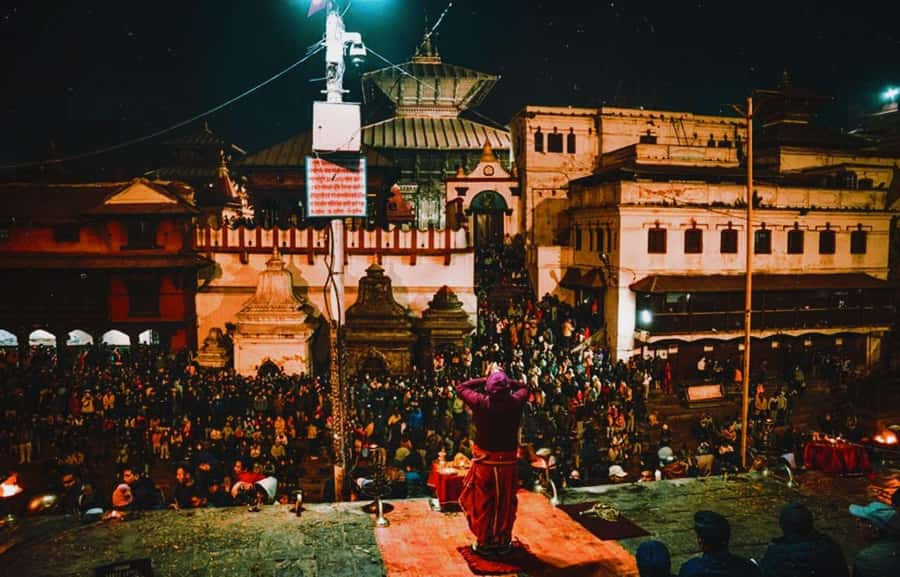
The tour also includes viewing open-air human cremation in the evening. Let’s be honest: this is the part that requires emotional readiness. If you’re squeamish or easily distressed, skip this tour and choose a different Kathmandu experience.
If you do go, come with respect in mind. This is not a place where you can act casually. The rules are there for a reason—no flash photography and no smoking—because the ritual space matters.
Here’s what I’d advise:
- Keep your camera use minimal and quiet.
- Stay aware of where others are standing and where the ritual area is.
- Be ready for the smell and the reality of the setting; it’s open-air and not sanitized.
Even with a guide, you’ll feel the intensity of what you’re witnessing. But that intensity is also part of why the tour exists. It’s a firsthand look at Hindu cremation practices as they are carried out on the Bagmati riverbank.
If you want meaning, not shock, focus on the guide’s explanations and on how people respond with devotion and ritual behavior.
Practical details that make the night manageable
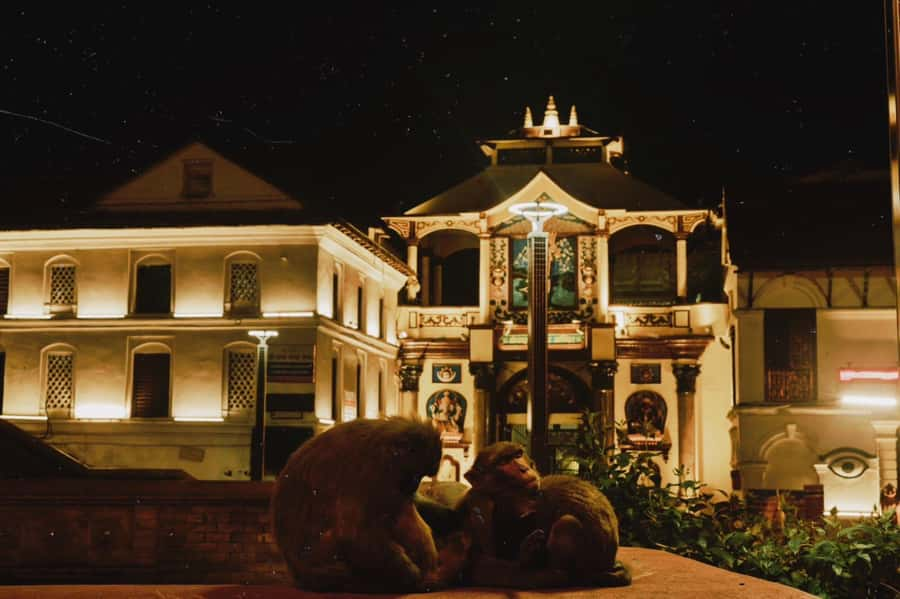
This tour runs in the evening, which means your comfort and your timing matter. The essentials are simple: wear comfortable shoes and bring warm clothing. Kathmandu nights can feel chilly, especially after you’ve been standing and walking along temple paths.
Bring a camera if you want it, but remember the rule: flash photography isn’t allowed. That affects how you shoot. Plan on low light settings and keep your behavior discreet during key moments.
Also note the dress code: modest clothing that covers your shoulders and knees. It’s not a minor request. It’s a basic respect signal at a sacred site.
One more practical note: wheelchair access is limited due to the ancient structure, and the tour isn’t suitable for wheelchair users or people with mobility impairments. Even if you’re just a little unsteady on your feet, you’ll likely find the evening grounds difficult.
Price and value: what $43 buys you in real terms
At $43 per person, this isn’t a “cheap” tour in the strict sense, but it’s also not priced like a luxury experience. The value comes from what’s included: private round-trip transport, an English-speaking guide, entrance fees, and bottled water.
Here’s how that adds up for you:
- Private transport saves time and stress, which matters at night.
- A guide helps you interpret what you’re seeing and follow respect rules.
- Entrance fees would cost you separately if you planned this solo.
- Bottled water is a small comfort during evening standing and walking.
If you were to do this on your own, the biggest hidden costs are time, coordination, and the uncertainty of how to witness aarti and cremation properly from the right places. This tour pays those friction costs up front.
I’d call it good value for a first-time visitor who wants the real experience without the scramble.
What the meeting point feels like on arrival
You start at Pashupatinath Temple. Your guide contacts you after you arrive, using a Nepali phone number or WhatsApp. If you need to wait, you can stand near the main gate.
This is useful because it removes a common travel headache: you’re not trying to meet someone in a busy place while trying to find your way in the dark. If the guide provides directions in advance, you’ll get even more clarity.
At the end, the tour returns you back to the meeting point—so your evening isn’t cut short without a clean exit.
Who should book this tour, and who should skip it
This works best for you if you:
- Want a spiritual and cultural experience tied to a major Hindu shrine.
- Like having a local guide explain what you’re observing rather than just taking photos.
- Are okay with a serious, emotional component in an authentic setting.
Skip this tour if you:
- Need a mild, low-stress night out.
- Feel overwhelmed by open-air cremation rites.
- Have mobility issues that make walking or standing difficult.
Also, if you’re going only for the temple architecture and photos, you might prefer something less intense. But if you want the meaning and the atmosphere, this is built for that.
Should you book Kathmandu: Pashupatinath Aarti & Cremation Evening Tour?
Book it if you’re ready for an honest look at Hindu devotion on the Bagmati riverbank, and if having private transport plus a guide is your idea of a smart use of one evening in Kathmandu. The strongest reason to choose it is the combination: guided UNESCO context, evening aarti at night, and the reality of cremation rites done as part of religious practice.
Don’t book it if open-air cremation would distress you. Also skip if mobility is a concern, since wheelchair access is limited and the tour isn’t suitable for wheelchair users.
If you’re on the fence, think about your goal: meaning and understanding, or comfort and distance. This tour is for meaning.
FAQ
What is the price per person?
The price is $43 per person.
What does the tour include?
It includes private round-trip transportation, a professional English-speaking guide, entrance fees to Pashupatinath Temple, and bottled water.
Are meals included?
Meals aren’t included. Dinner can be arranged upon request.
Where does the tour start?
The tour starts at Pashupatinath Temple. Your guide contacts you when you arrive.
How will I meet the guide at the temple?
Your guide will contact you via your Nepali phone number or WhatsApp. You can wait near the main gate if needed.
What language will the guide speak?
The guide speaks English and Hindi.
What should I wear and bring?
Wear modest clothing that covers shoulders and knees. Bring comfortable shoes and warm clothing, and bring a camera if you want photos.
Are cameras allowed?
A camera is recommended, but flash photography is not allowed.
Is smoking allowed?
No, smoking is not allowed.
Is the tour suitable for wheelchair users or mobility impairments?
No. Wheelchair access is limited due to the ancient structure of the temple, and it’s not suitable for wheelchair users or people with mobility impairments.
Is there flexible payment or a refund policy?
The tour offers Reserve & Pay Later (book now and pay nothing today). Cancellations up to 24 hours in advance are eligible for a full refund.
When the Lights Come On

More Tours in Kathmandu




More Tour Reviews in Kathmandu




Just Reviewed in Kathmandu
- Mountain Bike Tour
★ 5.0 · 3 reviews - Annapurna Panaroma
★ 5.0 · 3 reviews - Mount Everest Scenic Flight 50 Minutes
★ 5.0 · 3 reviews - Kathmandu : Swambhunath & Durbar Square Guided Half Day Tour
★ 3.3 · 3 reviews - Chandragiri Cable Car & Monkey Temple Tour – Private/Group
★ 5.0 · 3 reviews - Kathmandu: Shivapuri National Park Hiking Day Trip
★ 3.3 · 3 reviews
Pashupatinath & Boudhanath Tours, compared.
 ★ 5.0Kathmandu Spiritual Sites: Bodhnath & Pashupatinath TourFrom $60185 reviews
 ★ 5.0Pashupatinath Temple Evening Aarati TourFrom $4536 reviews
 ★ 4.8Pashupatinath Temple Aarti Night TourFrom $7129 reviews
 ★ 5.0Pashupatinath Temple, Hindu Crematorium and Aarati in-depth TourFrom $9025 reviews
 ★ 4.5Pashupatinath Evening Aarati: Few Divinely Hours in KathmanduFrom $3523 reviews
 ★ 5.0PashupatiNath and BoudhaNath – Private/Small GroupFrom $1518 reviews
 ★ 5.0Sacred Pashupatinath: Aarati,Cremation Rites & Boudha StupaFrom $1118 reviews
★ 4.7Pashupatinath Temple Evening Aarati TourFrom $2211 reviews
Browse the lists this tour appears in