
Review · LANGTANG VALLEY TREKS
Langtang, Gosaikunda and Helambu Trek
Rhododendron climbs to holy lakes sound unreal. This Langtang–Gosaikunda–Helambu trek strings together rhododendron and bamboo forests, wildlife sightings, big mountain views like Langtang Lirung, and the spiritual Gosainkunda area in one tight 10-day route. The one thing to keep in mind: you’ll be at serious altitude from around 4,000m onward, and the hiking days are strenuous even when the views make you forget to complain.
What I like most is the support structure: an experienced, English-speaking, government-licensed trek leader plus an assistant leader, with a porter system built in. You’ll also get teahouse lodging and all meals during the trek, so you can focus on acclimatizing and moving steadily instead of doing daily logistics math.
In This Review
- Key Things to Know Before You Go
- Day-by-Day: What You’ll Do (and Why Each Stop Matters)
- Day 1: Arrive in Kathmandu (1,320m)
- Day 2: Kathmandu to Dhunche (2,050m) by Road
- Day 3: Dhunche to Shin Gompa (a 4–5 hour trek)
- Day 4: Shin Gompa to Gosaikunda (4,460m, 5–6 hours)
- Day 5: Gosaikunda to Phedi (3,600m, 6–7 hours)
- Day 6: Phedi to Tharepati (3,900m, 5–6 hours)
- Day 7: Tharepati to Kutungsung (2,450m, 5–6 hours)
- Day 8: Kutungsung to Chisopani (2,250m, 6–7 hours)
- Day 9: Chisopani to Sundarijal, Then Drive Back to Kathmandu
- Day 10: Depart Kathmandu
- Price and Value: What $850 Covers (and How to Judge It)
- The Route Experience: Forests, Waterfalls, Wildlife, and Big Peaks
- What the Daily Walking Feels Like (Teahouses and Timing)
- Guides and Support: The Part That Changes Everything
- Weather and Altitude: How to Stay Comfortable
- Who This Trek Fits Best (and Who Might Want Another Route)
- Should You Book This Langtang–Gosaikunda–Helambu Trek?
- FAQ
- How long is the trek?
- Where does the trek start and end?
- What’s the highest altitude on this route?
- What kind of accommodation will I have?
- Are meals included?
- Is there porter support?
- Who leads the trek?
- Is airport transfer included?
- What does the price include, and what should I budget for separately?
- What fitness level do I need?
- Does it run year-round and in bad weather?
Key Things to Know Before You Go
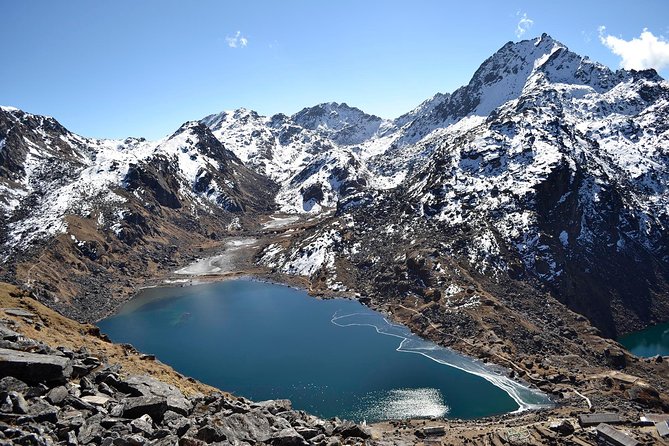
- Gosaikunda sits at 4,460m and drives the hardest breathing moments of the trip.
- You get full trek meals (breakfast, lunch, dinner), so your budget stays easier to control.
- Support is real, not vague: porter coverage (2 trekkers per porter) and leadership for pace, safety, and logistics.
- The route blends three classic trekking areas: Langtang-style valley scenery, Gosainkunda lake country, and Helambu villages.
- Teahouses are part of the experience—simple, practical, and best approached with flexible expectations.
- Your guide can make the difference: names like Binod, Ngima Tamang, and Ganesh show up often in praise, with strong English and good time management.
More trails out of Kathmandu, boots ready
- Everest Base Camp Trek – 14 Days★ 5.0 · 1,499 reviews
- Everest Base Camp Trek★ 5.0 · 842 reviews
- Everest Base Camp Trekking★ 5.0 · 485 reviews
- Nagarkot Sunrise View and Day Hiking from Kathmandu★ 5.0 · 471 reviews
Day-by-Day: What You’ll Do (and Why Each Stop Matters)
Day 1: Arrive in Kathmandu (1,320m)
You land at Tribhuvan International Airport, then the trip starts with airport pickups and drops in a private vehicle. Kathmandu hotel nights are handled with a 3-star base and breakfast, which is a nice buffer after travel—especially if your first day here turns into a transport-day.
If you’re arriving late, don’t treat this day like a sightseeing marathon. Plan for early sleep. Tomorrow includes a long drive and a real trekking start.
Day 2: Kathmandu to Dhunche (2,050m) by Road
This is a 7–8 hour drive from Kathmandu to Dhunche. It’s long, but it works: you’re starting the trek in the Langtang region without wasting daylight hiking on day two.
What I’d watch for here is motion and hydration. A road day is still time at altitude, and you’ll want to arrive at Dhunche feeling functional, not wrecked. Dress warm—mountain weather has a talent for switching moods.
Day 3: Dhunche to Shin Gompa (a 4–5 hour trek)
You trek to Shin Gompa for about 4–5 hours. This is your ramp-up day: steady effort, forest and village atmosphere, and a chance to get used to the rhythm of teahouse trekking—rest, snack, breathe, repeat.
This day matters because it sets your pace for the altitude push. If you sprint uphill early, you pay for it later. Slow and consistent usually wins in Langtang.
Day 4: Shin Gompa to Gosaikunda (4,460m, 5–6 hours)
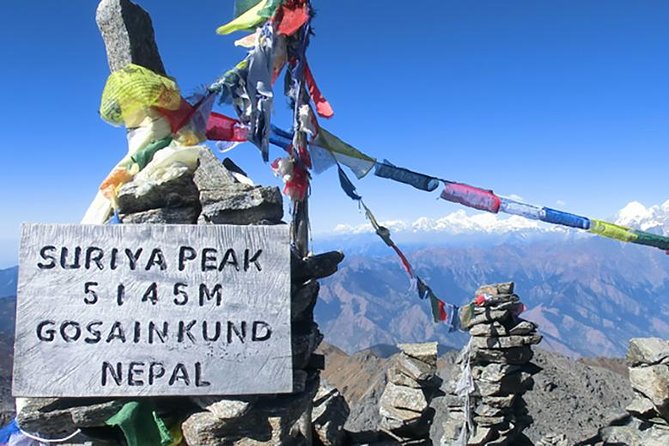
Now you hit the big one: the trek to Gosaikunda at 4,460m, around 5–6 hours. This is where the air gets thin enough to make you pay attention to your breath. It’s also where the route’s identity shows up—holy lake territory, mountain views, and that sacred feeling that hikers describe in places like this.
The climb here is why people plan ahead with moderate fitness. If you’re already winded on day three, tell your guide early. They can adjust pace and breaks.
Day 5: Gosaikunda to Phedi (3,600m, 6–7 hours)
After the altitude peak, you trek down to Phedi (3,600m) in 6–7 hours. Even though this is downhill overall, it can still feel tough—long walking days at altitude strain your legs.
This is also a practical acclimatization strategy day: you keep moving, but you come down from the highest point. You’ll likely notice your breathing easing, but don’t assume you’re “done” with altitude effects.
Day 6: Phedi to Tharepati (3,900m, 5–6 hours)
Next stop is Tharepati (3,900m), about 5–6 hours. Expect more mountain drama here—wide views and big skies, because Tharepati is a classic vantage zone along this style of trek.
This is a good day to take photos with intention. You’ll see snow-covered giants (Langtang Lirung is a headline attraction) and potentially wide glimpses toward other major peaks in the region. Just remember: your camera should not be the reason you slow down too much.
Day 7: Tharepati to Kutungsung (2,450m, 5–6 hours)
You drop to Kutungsung (2,450m) over 5–6 hours. This is one of the “recover without stopping” days—still hiking, still scenic, but with lower altitude than the previous segment.
Helambu comes into the story here more strongly, with village energy and forest walking. The route’s reputation for rhododendron and bamboo forests fits this zone well, and it’s also a place where wildlife glimpses can happen if you move quietly.
Day 8: Kutungsung to Chisopani (2,250m, 6–7 hours)
Today you trek to Chisopani (2,250m), around 6–7 hours. That’s a long walking day, so don’t treat it like a quick stroll.
Chisopani is a turning point: you’re getting closer to the finish, and you’ll start thinking about hot showers (if available at the right times), restocking water, and protecting your feet. Your guide’s pace matters here because fatigue makes blisters easier to earn.
Day 9: Chisopani to Sundarijal, Then Drive Back to Kathmandu
On day nine, you trek to Sundarijal (1,510m), then drive back to Kathmandu. This is a satisfying close: you get one last “walk into civilization” moment, then trade trekking steps for vehicle comfort.
It’s the day for decompression—eat, hydrate, and let your legs unclench.
Day 10: Depart Kathmandu
Departure day. The overall plan is an easy-to-understand circle: Kathmandu in, road to the trailhead, trek through the Langtang–Gosaikunda–Helambu route, then vehicle back out.
Price and Value: What $850 Covers (and How to Judge It)
The price is listed as $850 per group (up to 15). That matters because group pricing can either be a bargain or feel pricey depending on how many people actually share the total.
Here’s what you’re effectively paying for, based on what’s included:
- Airport transfers by private vehicle
- 3-star hotel in Kathmandu with breakfast
- Teahouse accommodation during the trek
- All meals during the trek (breakfast, lunch, dinner) plus farewell dinners
- Ground transport on comfortable private vehicles according to the route
- A tourist bus between Kathmandu and Syabrubesi (and back)
- English-speaking, government-licensed leadership, including an assistant
- Porter service (2 trekkers per porter)
- Medical kit carried by your leader
- Local and government taxes
When this is good value is simple: if you want a trek where meals, lodging, and key logistics are handled, and your money turns into time saved and less stress. What’s not included—like Nepal visa fee, international airfare, and travel/rescue insurance—are the typical extras you should budget for yourself.
The Route Experience: Forests, Waterfalls, Wildlife, and Big Peaks
This trek is built around three kinds of rewards: biological variety (rhododendron and bamboo forests), natural spectacle (waterfalls and mountain drama), and spiritual travel (Gosaikunda lakes).
Langtang is famous for views of the snow-covered Langtang Lirung, and the route is framed so you’re hiking into those sights rather than just walking around them. Wildlife is also part of the pitch, with chances to glimpse animals—especially if you walk calmly instead of charging ahead.
The Gosainkunda segment is the spiritual centerpiece. It’s not only about walking up to a landmark; it’s about being in lake-country where the day-to-day rhythm slows down. Even if you’re not traveling for religion, you’ll probably feel the difference in how people move through the area.
What the Daily Walking Feels Like (Teahouses and Timing)
This is a moderate-to-strenuous trekking plan, best suited to people with solid stamina. Every trekking day runs roughly 4 to 7 hours, and at higher points you may need longer pauses to keep your breathing steady.
Accommodation is teahouse lodging. That usually means simple rooms, practical beds, and shared facilities. The good news is that meals are included during the trek, which keeps you from searching for food after a long day. You’ll get breakfast, lunch, and dinner on the trail, plus farewell dinners.
What I’d do: pack like you’ll need comfort more than luxury. The fastest way to enjoy teahouses is to come prepared for them.
Guides and Support: The Part That Changes Everything
This trek is led by an experienced, English-speaking, government-licensed trek leader with an assistant leader. The support structure is clear: for every group of 4 trekkers: 1 assistant guide, and porter help starts at 2 trekkers: 1 porter.
That translates into practical benefits:
- You’re less likely to lose time fixing problems mid-trek.
- Your pace is more likely to match altitude reality.
- Your guide has a plan for meals, timing, and route flow.
- A medical kit is carried by the leader.
Names that show up positively in operator feedback include Binod (often praised for English and being easy to work with), Rupak (noted for a warm Kathmandu welcome), Ngima Tamang (praised for supportive time management), and Ganesh (praised for kindness and steady help). If you have any control over the guide assignment, it’s reasonable to request one of those names.
Weather and Altitude: How to Stay Comfortable
The trip operates in all weather conditions, which is a polite way of saying you should expect real mountain changes. You’ll want layers, rain protection, and warm gear for nights.
Altitude is the biggest variable:
- Kathmandu: 1,320m
- Dhunche: 2,050m
- Gosaikunda: 4,460m
- Other key points like Tharepati (3,900m) keep you above 3,500m for several days
Even if you’re fit, the thinning air can surprise you. The best strategy is boring: walk slower than you think you should, take breaks when offered, and don’t treat every uphill as a race.
Who This Trek Fits Best (and Who Might Want Another Route)
This is a strong match if you:
- Want a classic blend of Langtang views, lake-country spirituality, and Helambu village scenery
- Prefer an organized trek with transport + meals + teahouses handled
- Have moderate physical fitness and can handle long hiking days
- Like nature walks with forests, wildlife chances, and big mountain sightlines
You might want a different option if you:
- Don’t do well with altitude from 4,000m onward
- Are traveling with very young kids (it’s not recommended for children aged 10 and under)
- Want a fully relaxed stroll—this plan has strenuous days
Should You Book This Langtang–Gosaikunda–Helambu Trek?
If your goal is a well-run, mostly “handled for you” trekking trip through one of Nepal’s best-known regions, I think it’s a smart booking. The value comes from the combination of English-speaking leadership, porter support, all trek meals, and transport that connects the dots back to Kathmandu.
I’d book it with confidence if you’re ready for altitude and long walking days, and you’re the type who enjoys simple teahouse nights instead of chasing luxury. If you want an easier hike with fewer high-altitude hours, this may feel like hard work—but for the right person, it’s exactly the kind of trek that makes Nepal’s mountain trails stick in your memory.
FAQ
How long is the trek?
It runs for about 10 days, including arrival, trekking days, and your departure from Kathmandu.
Where does the trek start and end?
It starts in Kathmandu and finishes back in Kathmandu after trekking to Sundarijal and driving back.
What’s the highest altitude on this route?
Gosaikunda is listed at about 4,460m, which is the highest point mentioned in the itinerary.
What kind of accommodation will I have?
You’ll stay in a 3-star hotel in Kathmandu (with breakfast) and use teahouse accommodation during the trek.
Are meals included?
Yes. Breakfast, lunch, and dinner during the trek are included, plus farewell dinners.
Is there porter support?
Yes. Porter service is included with a ratio of 2 trekkers per porter.
Who leads the trek?
An experienced English-speaking, government-licensed trek leader leads you, with an assistant trek leader as well.
Is airport transfer included?
Yes. The package includes airport pickups and drops in a private vehicle.
What does the price include, and what should I budget for separately?
Included items include transport, hotel and teahouse lodging, all trek meals, leadership and porter support, and taxes. Not included are the Nepalese visa fee, international airfare, lunch and dinner in Kathmandu, extra nights in Kathmandu if needed, travel and rescue insurance, and personal expenses.
What fitness level do I need?
The trip is described as suitable for travelers with moderate physical fitness.
Does it run year-round and in bad weather?
It operates in all weather conditions, with a note to dress appropriately for changing conditions.
More Trekking Out of Kathmandu
More Tour Reviews in Kathmandu
Just Reviewed in Kathmandu
- Mountain Bike Tour
★ 5.0 · 3 reviews - Annapurna Panaroma
★ 5.0 · 3 reviews - Mount Everest Scenic Flight 50 Minutes
★ 5.0 · 3 reviews - Kathmandu : Swambhunath & Durbar Square Guided Half Day Tour
★ 3.3 · 3 reviews - Chandragiri Cable Car & Monkey Temple Tour – Private/Group
★ 5.0 · 3 reviews - Kathmandu: Shivapuri National Park Hiking Day Trip
★ 3.3 · 3 reviews
Langtang Valley Treks, compared.
 ★ 5.0Langtang Valley TrekFrom $555140 reviews
★ 5.0Langtang Valley TrekFrom $83061 reviews
Langtang Valley TrekFrom $70050 reviews
★ 5.0Langtang Valley TrekFrom $555140 reviews
★ 5.0Langtang Valley TrekFrom $83061 reviews
Langtang Valley TrekFrom $70050 reviews
 ★ 5.08 Days Tour in Langtang Valley TrekFrom $69845 reviews
 ★ 5.0Private 8 – Day Langtang TrekkingFrom $58429 reviews
★ 5.0Langtang Valley TrekFrom $1,00023 reviews
★ 5.0Private 8 – Day Langtang TrekkingFrom $58429 reviews
★ 5.0Langtang Valley TrekFrom $1,00023 reviews
 ★ 5.06-Day Limitless Langtang TrekFrom $18121 reviews
★ 5.0Langtang valley trekFrom $61820 reviews
★ 5.06-Day Limitless Langtang TrekFrom $18121 reviews
★ 5.0Langtang valley trekFrom $61820 reviews
Browse the lists this tour appears in