
Review · LANGTANG VALLEY TREKS
Langtang Gosainkunda Trek
Frozen lakes and big mountain myths sit close by.
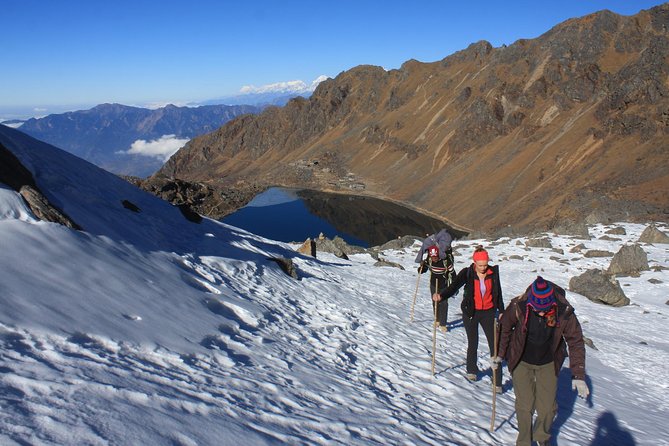
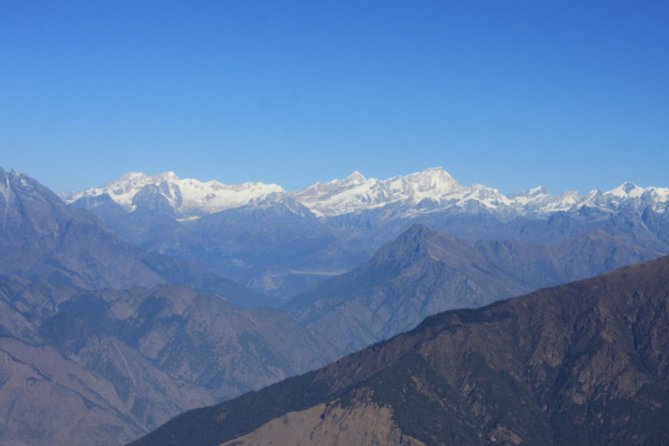
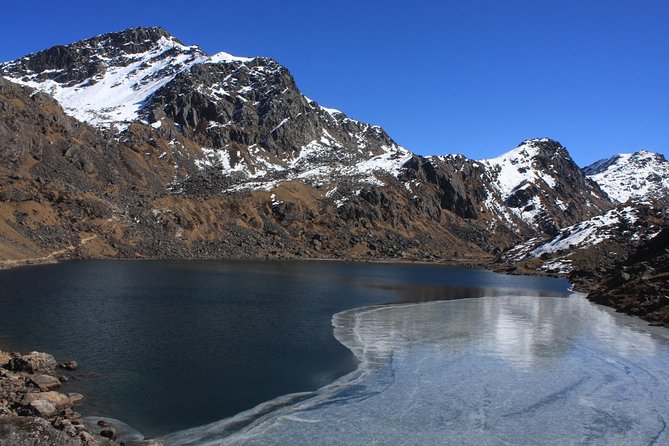
This trek to Gosainkunda Lake, often called the frozen lake, pairs high-altitude drama with a near-Kathmandu hiking feel. You’ll reach 4,380 m / 14,368 ft Gosainkunda and stand in a surreal bowl of peaks, then head to a viewpoint above the lake for wide looks toward the Langtang valley and the Himalayan range.
What I love most is the “short-approach” energy—this doesn’t feel like a weeks-long slog just to get to the good part. I also really like how the lake and its surroundings mix spiritual meaning with actual scenery you can’t stop staring at from the viewpoint above the water.
One thing to consider: at 4380 m, the hike will ask real breathing effort. If you’re not used to altitude, you’ll want to pace carefully and keep expectations realistic.
In This Review
- Key Things I’d Highlight Before You Go
- Why Gosainkunda Lake Feels Like a Real Himalayan Goal
- Reaching 4,380 m: What the Trek Asks of Your Body
- A Practical 7-Day Rhythm From Kathmandu (What You’ll Actually Do Each Day)
- Gosainkunda’s Surroundings: Why the Lake and the Viewpoint Matter
- Price and Value: What You Get for $700 Per Person
- Meals Included, Water and Alcohol Not: The Stuff That Changes Your Budget
- Pickup, Mobile Ticket, and the Private-Group Advantage
- The Human Touch: What the Company’s Communication Looks Like
- Weather Is the Rule, Not the Exception
- Should You Book the Langtang Gosainkunda Trek?
- FAQ
- How long is the Langtang Gosainkunda Trek?
- What time does the trek start?
- Where is this trek located?
- How high is Gosainkunda Lake?
- Can I hike to Gosainkunda from Dhunche or from Kathmandu?
- What meals are included?
- Is bottled water or alcohol included?
- Is this a private tour?
Key Things I’d Highlight Before You Go
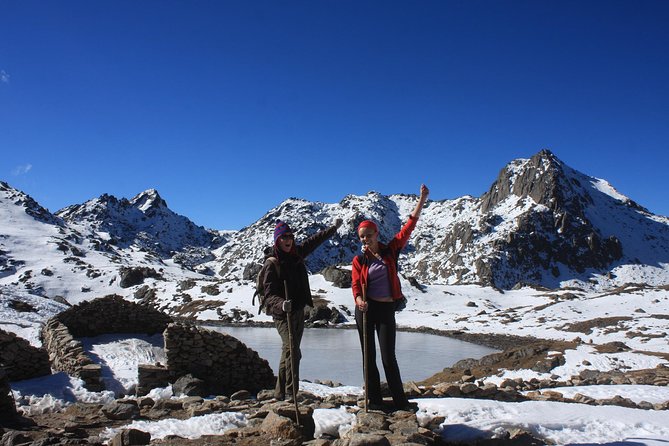
- Gosainkunda’s 4,380 m setting makes the lake feel otherworldly and unforgettable
- Viewpoint above the lake gives big sightlines over Langtang valley and Himalayan peaks
- Flexible start points for the hike: you can hike from Dhunche or from Kathmandu
- Meals included all the way through (breakfast, lunch, dinner) plus coffee/tea
- Real support from Hiking Adventure Treks leadership, including careful planning led by Ram Barakoti and fast answers from Sajana Tripathi
More trails out of Kathmandu, boots ready
- Everest Base Camp Trek – 14 Days★ 5.0 · 1,499 reviews
- Everest Base Camp Trek★ 5.0 · 842 reviews
- Everest Base Camp Trekking★ 5.0 · 485 reviews
- Nagarkot Sunrise View and Day Hiking from Kathmandu★ 5.0 · 471 reviews
Why Gosainkunda Lake Feels Like a Real Himalayan Goal
Gosainkunda is one of Nepal’s religious lakes, and that matters because the place doesn’t feel like a generic photo stop. The spiritual draw turns your arrival into a moment—people approach it with intention, not just curiosity.
Then there’s the altitude. Standing at 4,380 m / 14,368 ft, the air feels sharper and your whole body pays attention. That makes the lake scene land harder, especially when you’re surrounded by high peaks and you can see how the valley opens out beyond.
And yes, it’s called the frozen lake for a reason. Even if you don’t arrive with a literal ice coat, you still get that cold, high-mountain mood that makes Gosainkunda seem like it’s from a different world.
Reaching 4,380 m: What the Trek Asks of Your Body
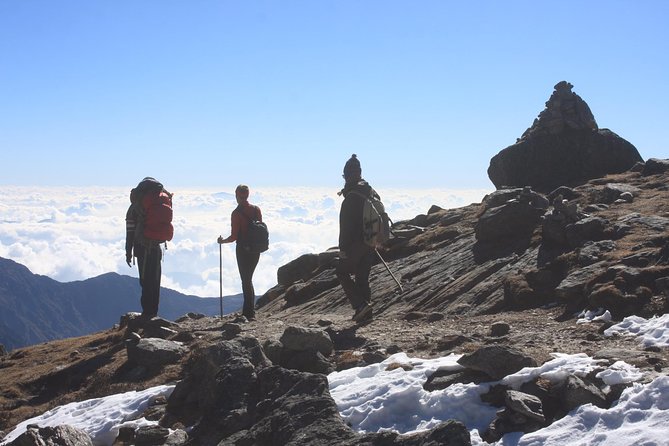
This is listed as a trek for people with moderate physical fitness. That’s a useful label, because Gosainkunda at 4380 m is not a casual stroll. You’ll be walking uphill at elevation, likely with days that feel more about steady effort than speed.
So here’s how I’d think about it if you’re planning for yourself. You’ll want to prioritize:
- steady pacing over big bursts of energy
- planned rest breaks rather than “push through and hope”
- warm layers and sensible footwear, because high-altitude weather can change fast
If you tend to get winded easily, don’t treat that as a failure. At altitude, your job is to keep moving in a way your lungs can handle. The best trekkers don’t always move fastest—they move smoothest.
A Practical 7-Day Rhythm From Kathmandu (What You’ll Actually Do Each Day)
The trek runs about 7 days, starting from Kathmandu. Beyond the lake itself, the week is essentially a progressive hiking rhythm: days of walking and gaining elevation, then time at Gosainkunda’s lake area with chances to enjoy the views and the setting.
Here’s what you can expect in a practical, day-to-day way—without pretending the schedule is a museum visit with exact minutes:
- Day 1: Kathmandu start and orientation
You’ll start at 7:45 am. The morning matters because your energy is highest early, and you want time for logistics, layers, and a relaxed first push on the trail.
- Middle days: steady hiking toward the Gosainkunda area
These are your workdays. Expect gradual altitude pressure and a slow-build effort where the goal is finishing each day feeling satisfied, not crushed.
- Gosainkunda day(s): lake time at altitude
This is the core. You’ll be at the high point by Gosainkunda Lake (4,380 m / 14,368 ft), where the spiritual atmosphere and the scenery combine into one of those places that changes your sense of scale.
- Viewpoint above the lake: where the big picture locks in
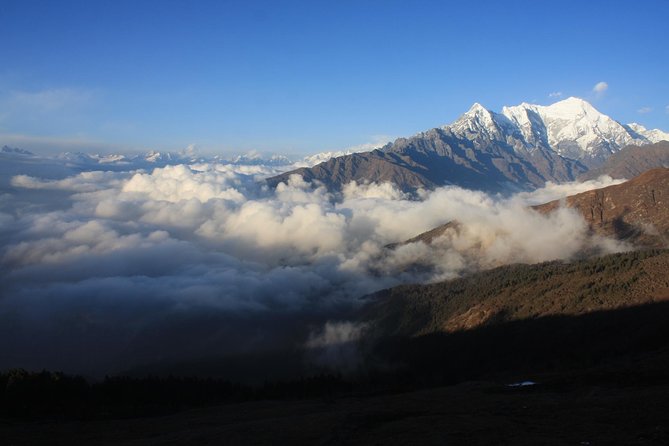
One of the highlights is a viewpoint above Gosainkunda. From there, you overlook the Langtang valley and a wide range of Himalayan peaks, which helps you understand what you’ve been hiking through.
Because the trek is described as reachable with a short trek from Kathmandu, it also tends to feel more approachable than longer Himalayan routes. Still, “short” doesn’t mean “easy”—it means you get to the payoff sooner.
Gosainkunda’s Surroundings: Why the Lake and the Viewpoint Matter
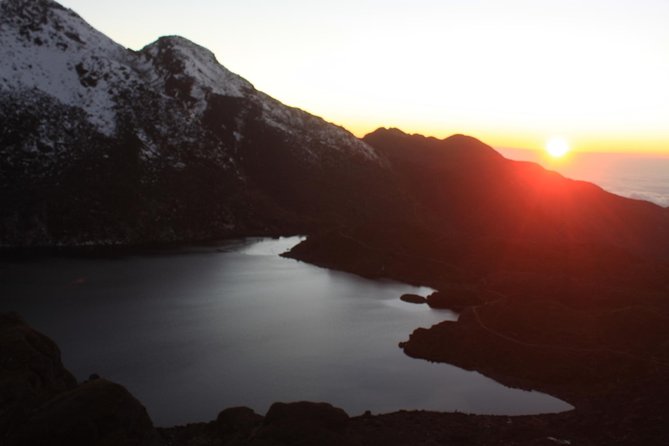
You’re not just going to a dot on a map. Gosainkunda is surrounded by peaks, and you’ll experience that surreal feeling of being placed inside the mountains. The lake sits high and works like a visual anchor.
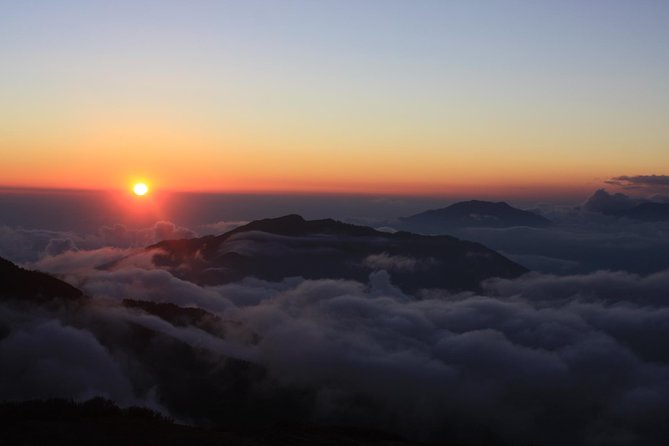
And then there’s the viewpoint above the lake. That spot gives you the kind of overview that turns the scenery from pretty into meaningful. You can connect what you walked through with what you’re seeing now—the Langtang valley and the broad Himalayan range start to make sense in one sweep.
This is where most people slow down, even if they came in with a faster pace. Standing there, it’s easier to feel why Gosainkunda is a religious destination. The place doesn’t ask for speech. It just shows its scale.




Price and Value: What You Get for $700 Per Person
At $700 per person for an approximately 7-day private trek, the value question is really about support and what’s included. Here’s the honest way to look at it:
You’re paying for a guided, organized experience, not just a self-guided hiking route. That matters in Nepal’s trekking areas where weather, timing, and day-to-day decisions can affect comfort and safety.
On the value side, you get:
- Breakfast, lunch, and dinner
- Coffee and/or tea
- A private tour (only your group participates)
- Pickup offered
- Mobile ticket
On the cost side, you’ll still handle some essentials yourself—more on that next. For $700, the biggest “value” is that you’re not spending your time coordinating meals and logistics on the fly.
If you like your trips to run smoothly, this price makes sense. If you prefer ultra-minimal spending and self-planning, you might feel constrained by an organized format.
Meals Included, Water and Alcohol Not: The Stuff That Changes Your Budget
This trek covers your food basics: breakfast, lunch, dinner, plus coffee and/or tea. That’s more important than it sounds. When you’re hiking, meal timing and consistency can make the difference between having energy and dragging yourself to the next stop.
What’s not included is also clear, and you should plan for it:
- Bottled water is not included
- Alcoholic beverages are not included
If you know you’ll buy water at stops, factor that into your total budget. Also, because you’re at high elevation, alcohol can hit you differently than it would at sea level—so it’s best to keep expectations modest if you do choose to drink.
Pickup, Mobile Ticket, and the Private-Group Advantage
The trek starts at 7:45 am, and pickup is offered. That’s a win if you don’t want your first day to feel like a scavenger hunt around Kathmandu.
You’ll also receive a mobile ticket, and you get confirmation at the time of booking. For planning stress, that matters more than people think. You don’t want to arrive in Nepal and then spend energy chasing proof or details.
The private-group setup is another real advantage. Only your group will participate, which usually means your pace and your needs are easier for the guide team to manage.
The Human Touch: What the Company’s Communication Looks Like
The stand-out thing I saw from the experience details is the attention to communication and care. During planning, the company team—led by Ram Barakoti and assisted by Sajana Tripathi—is described as responsive and thorough. If you’ve had travel plans go sideways before, you’ll appreciate how much effort they put into getting things right before you reach the trail.
There’s also evidence of sensitivity and patience. One account highlighted the company working with a group including blind participants and escorts, and handling that with care. That tells me the team isn’t only focused on logistics—they pay attention to people.
One more useful theme: dietary planning. The accounts include mention of specific dietary needs during trip planning. Even if your diet is simple, this is a good sign that questions won’t be brushed off.
Weather Is the Rule, Not the Exception
This experience requires good weather. That’s not just a fine-print line—it’s the reality of mountain trekking. If conditions are poor, the plan can shift.
What you can do on your side is simple: pack for variability. Bring layers, prepare for cold mornings, and expect that the mountain can change your day even when your schedule stays the same.
Should You Book the Langtang Gosainkunda Trek?
Book it if you want a near-Kathmandu high-altitude destination that delivers real payoff: Gosainkunda Lake at 4,380 m, a viewpoint with Langtang valley and Himalayan peak views, plus a guided setup where meals are taken care of.
Skip it (or ask more questions first) if you’re dealing with low altitude tolerance or you’re not comfortable with strenuous walking at moderate fitness levels. Also, if you hate organized schedules, remember this is a private tour where the structure is part of what you’re paying for.
If your goal is a meaningful trek with strong support—especially with responsive planning from Sajana Tripathi and leadership from Ram Barakoti—this one is a solid match.
FAQ
How long is the Langtang Gosainkunda Trek?
It’s approximately 7 days.
What time does the trek start?
The meeting/start time is 7:45 am.
Where is this trek located?
It’s based in Kathmandu, Nepal, and the main destination is Gosainkunda Lake near Kathmandu.
How high is Gosainkunda Lake?
Gosainkunda Lake is at 4,380 m / 14,368 ft.
Can I hike to Gosainkunda from Dhunche or from Kathmandu?
Yes. The lake area is reachable for hiking from Dhunche or from Kathmandu.
What meals are included?
Breakfast, lunch, and dinner are included, along with coffee and/or tea.
Is bottled water or alcohol included?
No. Bottled water and alcoholic beverages are not included.
Is this a private tour?
Yes. It’s a private tour/activity, and only your group will participate.
More Trekking Out of Kathmandu






More Tour Reviews in Kathmandu




Just Reviewed in Kathmandu
- Mountain Bike Tour
★ 5.0 · 3 reviews - Annapurna Panaroma
★ 5.0 · 3 reviews - Mount Everest Scenic Flight 50 Minutes
★ 5.0 · 3 reviews - Kathmandu : Swambhunath & Durbar Square Guided Half Day Tour
★ 3.3 · 3 reviews - Chandragiri Cable Car & Monkey Temple Tour – Private/Group
★ 5.0 · 3 reviews - Kathmandu: Shivapuri National Park Hiking Day Trip
★ 3.3 · 3 reviews
Langtang Valley Treks, compared.
 ★ 5.0Langtang Valley TrekFrom $555140 reviews
★ 5.0Langtang Valley TrekFrom $83061 reviews
Langtang Valley TrekFrom $70050 reviews
 ★ 5.08 Days Tour in Langtang Valley TrekFrom $69845 reviews
 ★ 5.0Private 8 – Day Langtang TrekkingFrom $58429 reviews
★ 5.0Langtang Valley TrekFrom $1,00023 reviews
 ★ 5.06-Day Limitless Langtang TrekFrom $18121 reviews
★ 5.0Langtang valley trekFrom $61820 reviews
Browse the lists this tour appears in