
Review · LANGTANG VALLEY TREKS
Langtang Kyanjin Gompa Trek – 11 Days
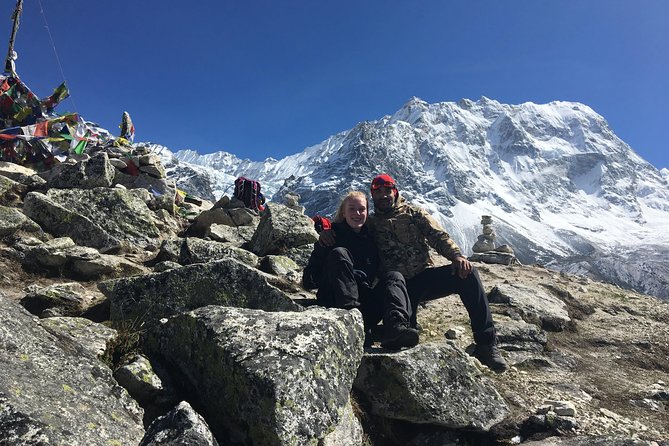
This trek starts with prayer flags and ends with big mountain silence. The Langtang Kyanjin Gompa trek follows a classic route through villages, yak pastures, and high gompas, then pushes up to a 3,800m settlement with Himalayan views you won’t forget. If you like your trekking with a side of culture, this one makes sense.
Two things I really like: you get a real taste of Langtang’s community life (Tamang and Sherpa settlements, monasteries, and even the Yala cheese story), and you’re not left to figure things out alone—guides in past solo experiences, including Nick (Gautam), stayed responsive and checked in for safety. A possible drawback is that it’s a long 11-day plan with real altitude, plus a tough hike to Tsergo Ri, so you’ll want to start in good shape and take acclimatization seriously.
In This Review
- Key things I’d watch before you go
- Why the Langtang Kyanjin Gompa trek feels different
- Kathmandu orientation and valley sights: day 1 to day 2
- Drive to Syabrubesi: trading city noise for Bhote Koshi river views
- Syabrubesi to Doman: suspension bridges, monasteries, and first real walking
- Into the high valley: hemlocks, rhododendrons, and the climb to Ghora Tabela
- Yamphu to Kyanjin Gompa: acclimatization with a big payoff
- Kyanjin Gompa and the Tsergo Ri viewpoint: day 7’s big climb
- The descent back down: Lama Hotel to Syabrubesi (days 8 and 9)
- Kathmandu return, gifts, and a farewell photo review: day 10
- Price and logistics: what you’re paying for (and what you still need to budget)
- Guides, safety, and solo-friendly vibes
- Who should book this Langtang Kyanjin Gompa trek—and what to plan carefully
- Should you book it?
- FAQ
- What altitude does the trek reach?
- Is airport pickup included?
- What’s included for meals?
- Do I need a permit for Langtang National Park?
- Is this tour private?
- What doesn’t the price include?
- What about the return to Kathmandu and free time?
Key things I’d watch before you go
- Kyanjin Gompa at 3,800m: a high settlement with Buddhist monasteries and small lodges
- Language of the trip: prayer flags, mani walls, and monastery visits along the way
- Value in the package: national park entry, TIMS card, and meals/tea included
- Acclimatization built into the rhythm: you don’t just shoot upward every day
- Optional viewpoint/summit add-ons: Kyanjin Ri (4,783m) or Tserko Ri (4,984m) if conditions allow
- Guiding that matters for solo trekkers: past guests praised fast, caring communication from guides like Nick (Gautam)
More trails out of Kathmandu, boots ready
- Everest Base Camp Trek – 14 Days★ 5.0 · 1,499 reviews
- Everest Base Camp Trek★ 5.0 · 842 reviews
- Everest Base Camp Trekking★ 5.0 · 485 reviews
- Nagarkot Sunrise View and Day Hiking from Kathmandu★ 5.0 · 471 reviews
Why the Langtang Kyanjin Gompa trek feels different
Langtang is Nepal that feels less crowded and more “lived in.” You trek in Langtang National Park, where the whole point is conservation, not just scenery. That matters because you’re walking in a protected ecosystem, and the route gives you a good chance of spotting wildlife if conditions and timing cooperate.
Then there’s the human side. Kyanjin Gompa isn’t just a dramatic end point on a map. It’s a high settlement tied to Tamang and Sherpa communities, with monasteries and small lodges where daily life continues even at altitude. You’ll also hear about local history, including the Yala Cheese factory, started in 1955 by the Swiss Association for Technical Assistance.
The trek also gives you a built-in “choose your view” moment. The core goal is Kyanjin Gompa, but you can extend upward to Kyanjin Ri (4,783m) or Tserko Ri (4,984m) for bigger panoramic angles across the Langtang range and peaks such as Yala peak.
Kathmandu orientation and valley sights: day 1 to day 2
You start in Kathmandu with an airport pickup and drop by car/van/bus. Day 1 is mostly about getting your bearings and sleeping well. Day 2 includes an orientation meeting plus a half-day guided tour around Kathmandu valley.
That valley tour is practical because it helps you get used to Nepal’s mix of religions and architecture. You’ll visit Kathmandu Durbar Square, then head to major pilgrimage sites like Boudhanath and Swayambhunath. The stop at Pashupatinath Temple is your Hindu temple anchor.
Why I like this in a trekking plan: it helps you land culturally before you land physically. You also get an orientation meeting, which usually means you can ask the awkward questions early—gear, pace, altitude worries—before you’re on the trail.
Drive to Syabrubesi: trading city noise for Bhote Koshi river views
On day 3, after breakfast and another short orientation, you drive to Syabrubesi. The drive is long enough to feel like part of the journey (about 132 km from Kathmandu), but it’s not meant to exhaust you. You arrive ready to start the trek proper.
This part is also where logistics start to work for you. The plan includes Kathmandu to Syabrubesi by bus, so you’re not juggling multiple local connections on your first trip into the region.
Syabrubesi to Doman: suspension bridges, monasteries, and first real walking
Day 4 is your first trail day, and it’s a good one to understand what the trek style will be like: bridges, short climbs, tree cover, and steady progress.
You begin past a police post and cross a suspension bridge over the Bhote Koshi. The route then turns into old Syabrubesi, where there’s a monastery housed in a small stone building at the far end of the village. It’s a quick visit, but it sets the tone: this isn’t only about summit photos; it’s about places where people pray and live.
After that you follow the stone-paved main street, cross a bridge over the Langtang Khola, and keep moving through a mix of settlements and forest paths. You’ll cross a log bridge, then another suspension bridge near the waterfall of Doman.
A small consideration: the day includes natural obstacles like landslide areas and changing footing along the river valleys. It’s not technical, but it does reinforce why trekking shoes with good grip are not optional.




Into the high valley: hemlocks, rhododendrons, and the climb to Ghora Tabela
Day 5 is all about getting higher while the scenery starts to open up. The trail climbs through a steep forest with hemlocks, oaks, maples, and white and pink rhododendrons—a flower-and-fog kind of mountain day if the weather cooperates.
You’ll reach Gumanchok, cross a stream, then climb steeply to a pass marked with prayer flags. From there, you get to Ghora Tabela, which functions as a Nepal Army and National Park post.
Then comes a classic glacial-valley feel. As the valley opens, you move across yak pastures and helipad areas, climb through rhododendron forests, and reach Thangshyap. The route later crosses diagonally above fields, and you finish with Ghumba village, which has a gompa you can visit.
What you should plan for on this day: legs that feel fine at the start but work hard by afternoon. This is where “moderate fitness” becomes real effort—your job is steady pacing, not speed.
Yamphu to Kyanjin Gompa: acclimatization with a big payoff
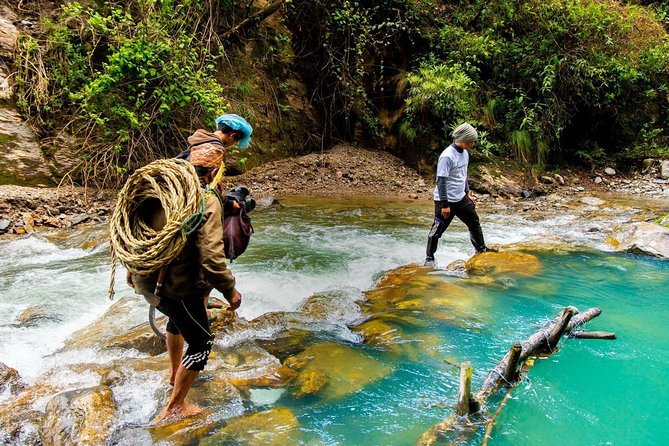
Day 6 is the bridge between the mid-altitude trekking and the high-comforting feeling you’ll get once you see Kyanjin Gompa.
The trail winds through villages, then climbs a ridge topped by a large chorten, passes a mani wall, and goes on toward Mundu. You also stop near a yak wool shop and walk past Yamphu yak pastures.
The best part is the final stretch toward a viewpoint where you finally see the monastery of Kyanjin Gompa and the dramatic icefall from peaks including Langtang Lirung and Kimshung. After arriving, you have time to acclimatize and explore around, including visiting the Nyingmapa school monastery.
Why this day is valuable for you: it’s a classic acclimatization rhythm. You climb, you rest, you explore, and you don’t arrive and immediately try to run up another 1,000m. If you’re prone to altitude headaches, this pacing is exactly what you want.
Kyanjin Gompa and the Tsergo Ri viewpoint: day 7’s big climb
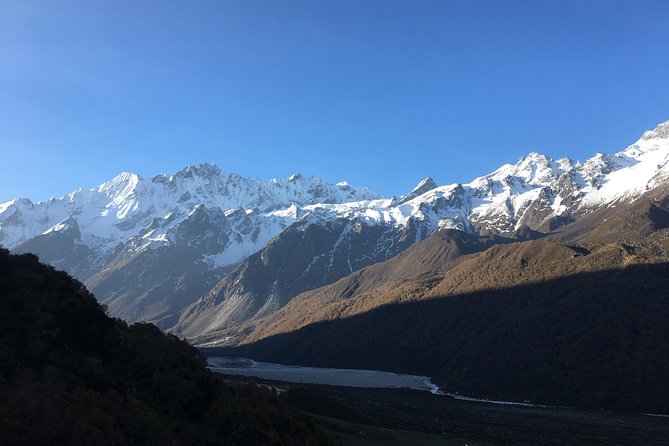
Day 7 is framed around a tough five-hour climb from Kyanjin Gompa to the conical viewpoint of Tsergo Ri.
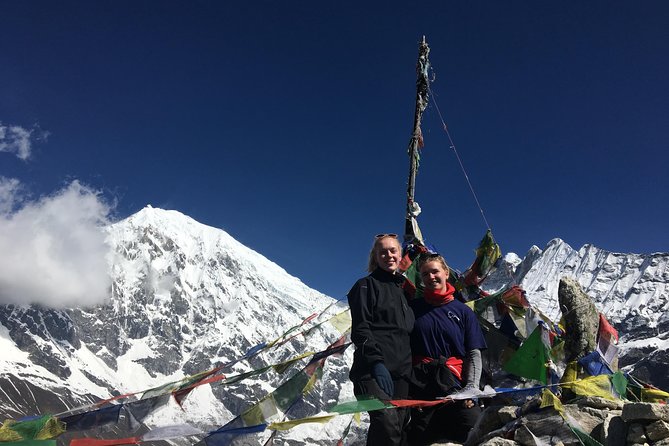
You’ll take the east trail toward Langshisha Kharka, cross a stream, and branch left by a cairn into a side valley. Then the trail steepens with switchbacks up the hill. You pass stone huts of herders at Yala Kharka, and you finish near prayer flags on top for wide mountain panorama views.
Then you turn around and return to Kyanjin Gompa for the night.
Here’s the real consideration: this isn’t an easy stroll. It’s a meaningful workout at altitude. If you want the view, you’ll need to pace your breathing and keep your effort smooth. Pack water carefully, and don’t force your tempo.
The descent back down: Lama Hotel to Syabrubesi (days 8 and 9)
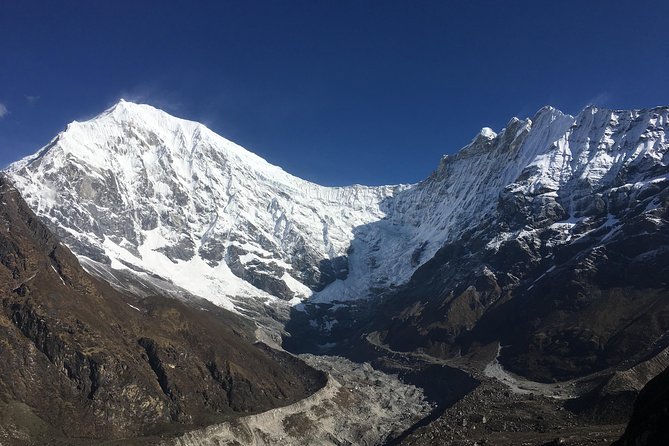
On day 8, you retrace your route from Kyanjin Gompa down to Lama Hotel. Day 9 continues down from Lama Hotel back toward Syabrubesi.
Descent days are often where people think they’re safe from discomfort. They’re not. Your body still deals with fatigue, and knees do pay the price on longer downhill stretches.
The good news: the route you came up is the route you’re coming down, so you’re not learning a new trail layout while tired. That mental ease matters. You can focus on careful steps, taking breaks when you need them, and keeping your energy steady.
Kathmandu return, gifts, and a farewell photo review: day 10
Day 10 is your buffer. You drive back to Kathmandu from Syabrubesi, and you get a leisure day for buying gifts and souvenirs for friends and family.
In the evening, you’re invited to a farewell session where you review photos and share experiences. It’s a small thing, but it helps you process the trek. You’ll notice details you missed on the mountain—small village moments, prayer flag colors in different light, and the way weather changes valley visibility.
Price and logistics: what you’re paying for (and what you still need to budget)
At $1,249 per person for an 11-day Langtang Kyanjin Gompa trek, the key value is that the package covers the essentials that often add up fast on your own:
Included items you’ll actually feel during the trek:
- Airport pickup/drop by car/van/bus
- TIMS card (Trekkers Information Management System)
- Langtang National Park area entry permit
- Three meals plus three cups of tea or coffee a day
- English speaking guide
- Accommodation during the trek
- Snacks like Snickers (one each person) and Oreo cookies
- Kathmandu to Syabrubesi by bus, plus the return by bus
- A company duffel bag and t-shirt, plus a trip certificate
- Government taxes
Things not included that can affect your real total:
- Nepal entry visa fee and international airfare
- Your own travel medical insurance and emergency evacuation costs
- Personal equipment
- Tips for your guide
- Personal extras like alcoholic beverages, hot shower, water bottle, cold drinks, hot water
- Battery charge donations and other costs not listed
My take on value: you’re paying for a guided, permitted, and fed trek with transport handled. That’s the kind of package that prevents common budget surprises. The remaining costs are mostly personal choices and insurance—so the price is easier to trust than a tour that leaves you guessing.
Guides, safety, and solo-friendly vibes
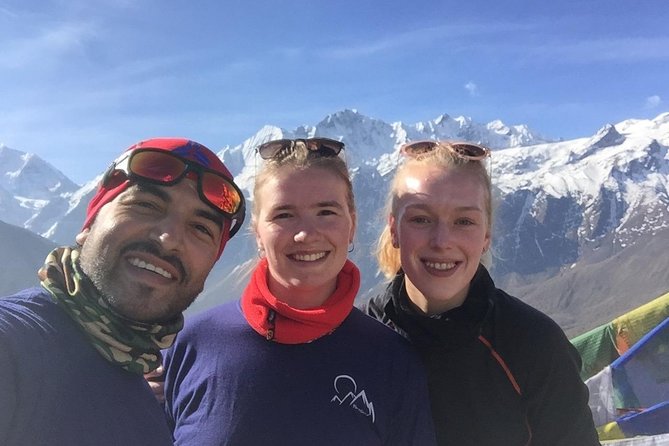
A theme in past solo experiences is that communication reduces anxiety. One guest noted that Nick (Gautam) kept in touch to help ensure safety and answered lots of questions because it was their first time doing a multi-day hike in Nepal.
That lines up with what you want on a trip like this: someone who can explain pace, altitude, and what to do if weather turns. The tour is also described as private, meaning only your group participates, not a mixed crowd.
Even with a good guide, you should still plan your mindset. This is a demanding trek. You’ll do better if you treat it like a long conversation with the mountain, not a race.
Who should book this Langtang Kyanjin Gompa trek—and what to plan carefully
This trek fits you if:
- You want a high gompa experience at 3,800m, not just a lower scenic hike
- You like trekking through Tamang and Sherpa community areas with monastery visits
- You want the Langtang National Park feel, with real conservation-focused trekking
- You’re comfortable with an 11-day plan and a couple of tougher uphill pushes
It’s also a great fit if you’re traveling solo and want structure. Past solo guests highlighted responsiveness and check-ins, and a guided plan helps you stay confident.
What to plan carefully: altitude + daily effort. Even if you’re “moderately fit,” day 7’s climb to Tsergo Ri can be the moment you feel the altitude. Build your pace around breathing and legs, not around other people’s speed.
Also note weather: the plan requires good weather. If conditions aren’t right, changes or cancellations can happen.
Should you book it?
Yes, if your goal is a real Langtang National Park trekking experience that ends at Kyanjin Gompa, with cultural stops and a serious mountain viewpoint hike. The package is thoughtfully built around permits, meals, transport, and an acclimatization-friendly rhythm.
Maybe not, if you want an easy, short trek with minimal altitude stress. This one has real climbs, and Kyanjin Gompa days will ask for steady effort.
One last decision helper: if you’re thinking about adding Kyanjin Ri (4,783m) or Tserko Ri (4,984m), ask early about conditions and whether that fits your fitness and schedule. The higher you go, the more weather and pacing become your main teammates.
FAQ
What altitude does the trek reach?
The trek reaches Kyanjin Gompa at about 3,800m. There are optional extensions mentioned to Kyanjin Ri (4,783m) and Tserko Ri (4,984m).
Is airport pickup included?
Yes. The package includes airport pickup and drop by car/van/bus.
What’s included for meals?
The tour includes three meals with three cups of tea or coffee each day.
Do I need a permit for Langtang National Park?
Yes. The tour includes the Langtang National Park area entry permit, plus a TIMS card.
Is this tour private?
It’s described as a private tour/activity, with only your group participating.
What doesn’t the price include?
It does not include Nepal entry visa fees, international airfare, and your travel medical insurance and emergency evacuation costs. It also doesn’t include personal equipment, tips for your guide, and personal expenses like hot shower, drinks, and battery charges.
What about the return to Kathmandu and free time?
You drive back to Kathmandu from Syabrubesi on day 10. That day includes leisure time for gifts and souvenirs, plus a farewell session in the evening before you’re dropped at the airport on day 11.
More Trekking Out of Kathmandu






More Tour Reviews in Kathmandu




Just Reviewed in Kathmandu
- Mountain Bike Tour
★ 5.0 · 3 reviews - Annapurna Panaroma
★ 5.0 · 3 reviews - Mount Everest Scenic Flight 50 Minutes
★ 5.0 · 3 reviews - Kathmandu : Swambhunath & Durbar Square Guided Half Day Tour
★ 3.3 · 3 reviews - Chandragiri Cable Car & Monkey Temple Tour – Private/Group
★ 5.0 · 3 reviews - Kathmandu: Shivapuri National Park Hiking Day Trip
★ 3.3 · 3 reviews
Langtang Valley Treks, compared.
 ★ 5.0Langtang Valley TrekFrom $555140 reviews
★ 5.0Langtang Valley TrekFrom $83061 reviews
Langtang Valley TrekFrom $70050 reviews
 ★ 5.08 Days Tour in Langtang Valley TrekFrom $69845 reviews
 ★ 5.0Private 8 – Day Langtang TrekkingFrom $58429 reviews
★ 5.0Langtang Valley TrekFrom $1,00023 reviews
 ★ 5.06-Day Limitless Langtang TrekFrom $18121 reviews
★ 5.0Langtang Valley TrekFrom $56020 reviews
Browse the lists this tour appears in