
Review · LANGTANG VALLEY TREKS
Langtang Valley Trek
A quiet valley, a big mountain view. This Langtang Valley Trek delivers a remote feel close to Kathmandu, with snow peaks looming over rhododendron forests and small farm villages—and the highlight stop at Kyanjin Gompa. You’ll walk deep into Langtang’s national-park setting toward monastery views and high mountain lakes country.
What I really liked is how practical the plan is for real hiking days. The trek starts easy-to-moderate with a clear rhythm, and I love that you get genuine options mid-trek for extra altitude with Kyanjin Ri or Tsergo Ri depending on how your body feels.
One possible consideration: you still need to budget for drinks and tipping. And like most Langtang treks, your teahouses can be pretty basic—good enough for sleep after a long day, but not the same as a comfy hotel room.
In This Review
- Key points before you go
- Getting to the trailhead: the 6:45 am start and the Syabrubesi bus ride
- Day 1 trekking prep and Day 2 warmup: toward Lama Hotel (around 2500 m)
- Langtang Village at 3430 m: pine forest, river trails, and real mountain drama
- Kyanjin Gompa day: bridges, farmland, and the monastery highlight
- Day 5 choice day: Kyanjin Ri (4773 m) vs Tsergo Ri (4984 m)
- The return trek: back to Lama Hotel and Syabrubesi through forests and river paths
- Teahouses, meals, and the real meaning of a $560 package
- Weather, pace, and fitness: what “moderate” really feels like
- Day 8 reset in Thamel: hot shower, massage, and a soft landing back home
- Should you book the Langtang Valley Trek with Mosaic Adventure?
- FAQ
- How long is the Langtang Valley Trek?
- Where does the trek start and how do you get there?
- What time does the trek start?
- What’s included in the trek package?
- Do I get to choose an extra hike day?
- Are beverages and water included?
- Is tipping included?
Key points before you go
- Kyanjin Gompa focus: A real monastery destination, not just a viewpoint stop.
- Two optional high hikes: Choose Kyanjin Ri (4773 m) or Tsergo Ri (4984 m).
- Shared porter support: Porter is included for one between 2 participants.
- Meals and teahouse lodging included: Teahouses plus breakfast, lunch, and dinner counts are part of the package.
- Small group size: Maximum of 12 people.
More trails out of Kathmandu, boots ready
- Everest Base Camp Trek – 14 Days★ 5.0 · 1,499 reviews
- Everest Base Camp Trek★ 5.0 · 842 reviews
- Everest Base Camp Trekking★ 5.0 · 485 reviews
- Nagarkot Sunrise View and Day Hiking from Kathmandu★ 5.0 · 471 reviews
Getting to the trailhead: the 6:45 am start and the Syabrubesi bus ride
Your trek day begins early. The start time is 6:45 am, and you’ll go by local bus from Kathmandu to Syabrubesi, which takes about 7 hours depending on traffic. This is one of those rides where you’ll earn your first snack without even trying—countryside views help pass the time.
Why I think this matters: that long road leg sets the tone. If you want an easy morning, sleep early the night before in Kathmandu. Also plan to keep your small day items accessible: a warm layer, a light rain shell, and anything you need for the bus ride (the ride is long enough that you’ll appreciate being comfortable).
If pickup is offered with your booking, it can save hassle. And with mobile ticket included, you’ll waste less time hunting down paperwork.
Day 1 trekking prep and Day 2 warmup: toward Lama Hotel (around 2500 m)
You don’t just “start walking” and hope for the best here. The early trekking day is designed as easy to moderate, and you’ll climb to about 2500 meters at Lama Hotel. The terrain is varied in a helpful way: gentle inclines, well-defined paths, riverbank stretches, forest tracks, and even some suspension bridges along the way.
This is the kind of day that helps you learn your pace fast. If you’re prone to going out too hard at the beginning, this is your chance to practice the slower rhythm that keeps altitude from feeling like a surprise later.
What to watch: because the walking is steady and varied, your feet get used to different surfaces. I strongly recommend you break in footwear beforehand and keep socks dry when you can. Wet socks + downhill = sad days.
Langtang Village at 3430 m: pine forest, river trails, and real mountain drama
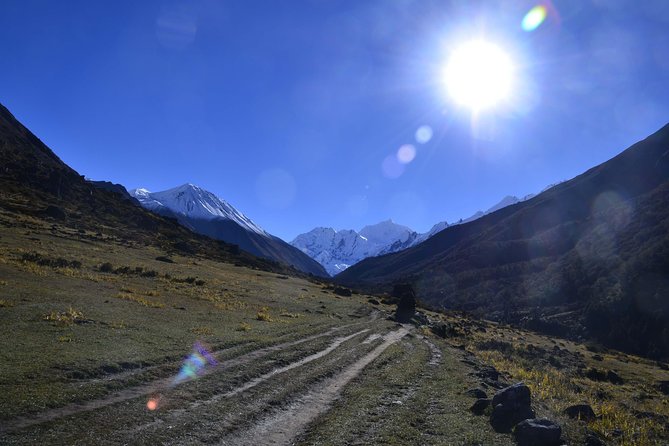
By day 3 you reach Langtang Village at about 3430 meters, after roughly 6.5 hours of walking. The route mixes forest and riverbank trails, with gentle inclines and some grassy meadow sections.
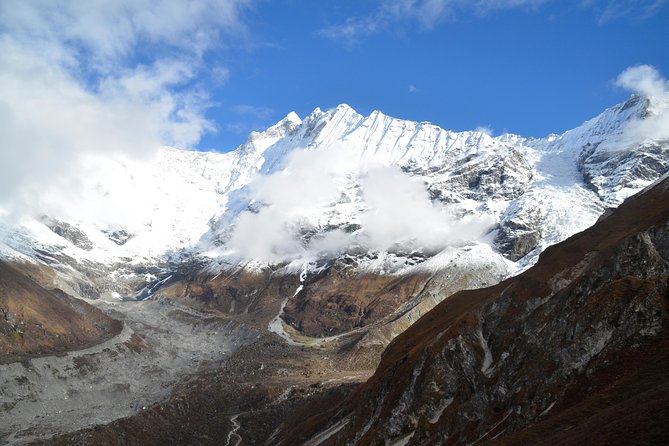
The payoff is visual. You’ll likely get classic Langtang views with Mount Langtang Lirung dominating the skyline, and the walk sets you up to feel the valley becoming more “high-mountain” as you go. You’re also moving through pine and other forest types, so the air and shade feel different than lower elevations.
Why this stop matters: Langtang Village is where the trek stops feeling like a trail and starts feeling like a place people live. It’s not just scenery; it’s farmland, forests, and daily life in a high valley. That shift can change how you experience the next days.
A practical tip: at this altitude, start paying attention to your breathing early. Short pauses are normal. Don’t wait until you’re gasping to slow down.
Kyanjin Gompa day: bridges, farmland, and the monastery highlight
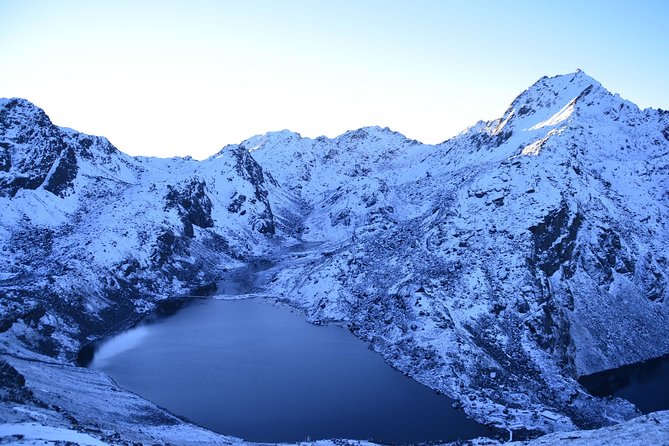
On day 4 you head to Kyanjin Gompa, after about 5 hours of moderate walking. The route runs through farmland, crosses bridges, and includes gentle ascents while you look toward peaks like Langshisha and Langtang Lirung.
Then you reach the destination: Kyanjin Gompa, a famous monastery in the Langtang region. Even if you’re not a “temples and history” person, this stop has value. It gives the trek a clear purpose beyond trekking math. You’re walking toward a focal point with a lived cultural presence.
One realistic drawback: monastery days can mean cold evenings and wind near open areas. Bring a warm layer you’ll actually wear, not just carry. The walk gets you warm, but the nights at higher elevations can cool you fast.
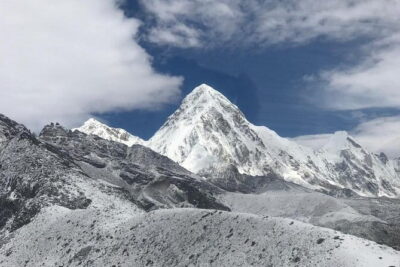
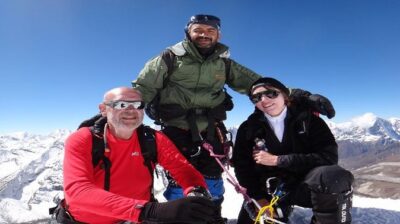
Day 5 choice day: Kyanjin Ri (4773 m) vs Tsergo Ri (4984 m)
This is the day with the best “choose your own adventure” energy. You have a day-trip option to either:
- Kyanjin Ri: about 3 hours round trip to 4773 m
- Tsergo Ri: about 7 to 8 hours round trip to 4984 m
The practical value is huge: you can match the hike to your body that day. If you slept poorly, feel altitude, or just want more relaxing time at Gompa, go for Kyanjin Ri. If you feel strong and want a longer day with higher pressure on your legs, Tsergo Ri is the bigger commitment.
My advice: decide based on how you feel in the morning after breakfast, not based on ambition. High points are great, but finishing the trek strong is better. You’re also on a fixed itinerary overall—so staying smart here protects the rest of your descent.
The return trek: back to Lama Hotel and Syabrubesi through forests and river paths
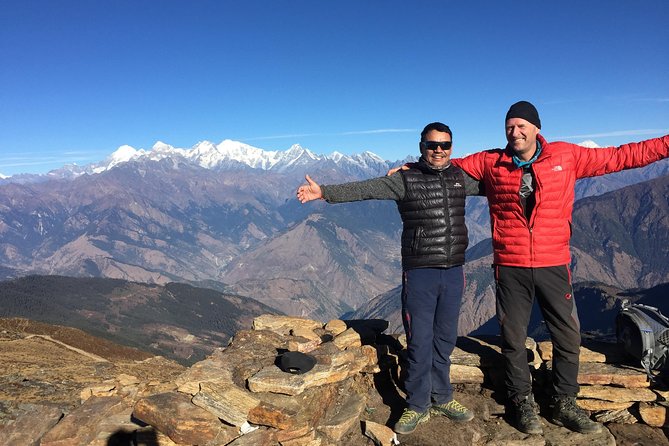
Days 6 and 7 are retracing steps, but “same route” doesn’t mean “same experience.”
On day 6, you walk back to Lama Hotel for about 6 hours. Expect riverbank and forest trails again, with pine forest air that feels noticeably different as the altitude and light change. This is also a wildlife-friendly stretch in the broad sense—your guide will be watching for signs, and the region is known for animals in this ecosystem.
On day 7, you descend again toward Syabrubesi, using well-defined trekking paths with a mix of gentle descents and some steeper sections. After that, you’re ready for the bus ride back toward the capital.
A balancing note: downhill can feel easier on your lungs but harder on your knees. Trekking poles help. So does managing your speed. Don’t race the trail just because you’re going down.
Teahouses, meals, and the real meaning of a $560 package
Let’s talk money in a way that helps you decide.
At $560 per person, this trek includes:
- Bus to/from Syabrubesi
- All fees and taxes
- Teahouse accommodation
- Porter (included for one between 2 participants)
- Meals: Lunch (8), Dinner (7), Breakfast (7)
What that means for you: a big chunk of the “day-to-day uncertainty” is removed. You’re not constantly budgeting for meals and lodging along the way. You still need to plan for beverages like tea/coffee and bottled water, because those aren’t included. And tipping isn’t included either.
Shared porter support is also worth understanding. One porter between two participants sounds efficient on paper, but in practice it can make a big difference if you tend to overpack. Keep your heaviest items in your porter’s load, and carry only what you need during the day—your water system, a warm layer, and a small snack.
Staff quality is another value factor. In past trips, people highlighted guides and porters by name—like Purna and Ram—and also noted managers being responsive (including Madhav in one account). That matters on a trek like this because the plan depends on pacing, weather, and altitude comfort, not just steps.
Just keep expectations realistic: teahouse accommodation can vary, and at least one account mentioned it wasn’t top-tier quality. You’re booking the trek for the walking and the mountain country. The beds are for sleeping, not for judging.
Weather, pace, and fitness: what “moderate” really feels like
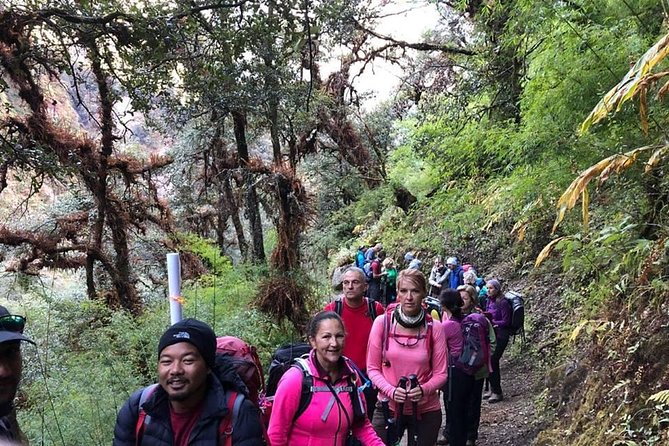
The tour says you should have a moderate physical fitness level. That fits the itinerary style: a sequence of several hours of walking, with hills that get higher over time. You’ll go up to Kyanjin Gompa and then potentially to ridges near 4773 m or 4984 m.
How to prepare practically:
- Train for sustained walking, not just short gym workouts.
- Practice slow pacing so day 4 and day 5 don’t feel like a sudden reset.
- Pack for temperature swings. Even if days feel pleasant, nights can get cold fast at altitude.
Also, pay attention to how groups move. Your pace affects your altitude comfort. If you feel off, stop earlier, drink water, and don’t pretend you’re fine. In one experience shared by a family, the guide Madan reportedly stayed with a trekker for hours when altitude symptoms showed up, showing how pacing decisions can be responsive rather than rigid.
You’re not “weak” for taking it slower. You’re smart.
Day 8 reset in Thamel: hot shower, massage, and a soft landing back home
After finishing the trek, you ride the local bus back to Kathmandu again. Day 8 includes time to enjoy Thamel—shopping, walking, and the simple joy of a warm shower.
The tour explicitly suggests getting a hot shower and even mentions a massage in the Thamel area. I like this kind of final day plan because it gives your body a proper landing. Your legs need time to stop feeling like they’ve been replaced with wooden sticks.
If you have energy, don’t go too wild. Keep it gentle. Eat something easy, drink plenty of water, and give your feet time to recover.
Should you book the Langtang Valley Trek with Mosaic Adventure?
Book it if you want a high-mountain trek that feels organized and manageable, without being a “luxury” style hike. This plan gives you the Kyanjin Gompa focus, solid walking days, and real optionality on day 5.
You’ll especially like it if:
- you’re comfortable with multi-day trekking in the moderate range,
- you want teahouse meals and lodging handled for you,
- you like the idea of choosing between Kyanjin Ri and Tsergo Ri based on your day,
- you appreciate small-group trekking (maximum 12).
Skip it or think twice if:
- you hate early mornings (the 6:45 am start is real),
- you’re sensitive to basic accommodations,
- you don’t want to manage extra costs for drinks and tipping.
As for flexibility, the cancellation window is structured and you can cancel for a full refund if you do it early enough. If dates are firm, great. If not, check the timeline before you lock anything in.
FAQ
How long is the Langtang Valley Trek?
It’s listed as 8 days (approx.).
Where does the trek start and how do you get there?
The experience starts in Kathmandu, then you ride a local bus to Syabrubesi (about 7 hours, depending on traffic).
What time does the trek start?
The start time is 6:45 am.
What’s included in the trek package?
It includes bus to/from Syabrubesi, all fees and taxes, teahouse accommodation, a shared porter (one between 2 participants), and meals: lunch (8), dinner (7), breakfast (7).
Do I get to choose an extra hike day?
Yes. On the day trip day you can choose Kyanjin Ri (about 3 hours round trip to 4773 m) or Tsergo Ri (about 7–8 hours round trip to 4984 m).
Are beverages and water included?
No. Beverages like tea/coffee and bottled water are not included.
Is tipping included?
No. Tipping is not included.
More Trekking Out of Kathmandu
More Tour Reviews in Kathmandu
Just Reviewed in Kathmandu
- Mountain Bike Tour
★ 5.0 · 3 reviews - Annapurna Panaroma
★ 5.0 · 3 reviews - Mount Everest Scenic Flight 50 Minutes
★ 5.0 · 3 reviews - Kathmandu : Swambhunath & Durbar Square Guided Half Day Tour
★ 3.3 · 3 reviews - Chandragiri Cable Car & Monkey Temple Tour – Private/Group
★ 5.0 · 3 reviews - Kathmandu: Shivapuri National Park Hiking Day Trip
★ 3.3 · 3 reviews
Langtang Valley Treks, compared.
 ★ 5.0Langtang Valley TrekFrom $555140 reviews
★ 5.0Langtang Valley TrekFrom $83061 reviews
Langtang Valley TrekFrom $70050 reviews
★ 5.0Langtang Valley TrekFrom $555140 reviews
★ 5.0Langtang Valley TrekFrom $83061 reviews
Langtang Valley TrekFrom $70050 reviews
 ★ 5.08 Days Tour in Langtang Valley TrekFrom $69845 reviews
 ★ 5.0Private 8 – Day Langtang TrekkingFrom $58429 reviews
★ 5.0Langtang Valley TrekFrom $1,00023 reviews
★ 5.0Private 8 – Day Langtang TrekkingFrom $58429 reviews
★ 5.0Langtang Valley TrekFrom $1,00023 reviews
 ★ 5.06-Day Limitless Langtang TrekFrom $18121 reviews
★ 5.0Langtang valley trekFrom $61820 reviews
★ 5.06-Day Limitless Langtang TrekFrom $18121 reviews
★ 5.0Langtang valley trekFrom $61820 reviews
Browse the lists this tour appears in