
Review · LANGTANG VALLEY TREKS
Langtang Panorama Trek
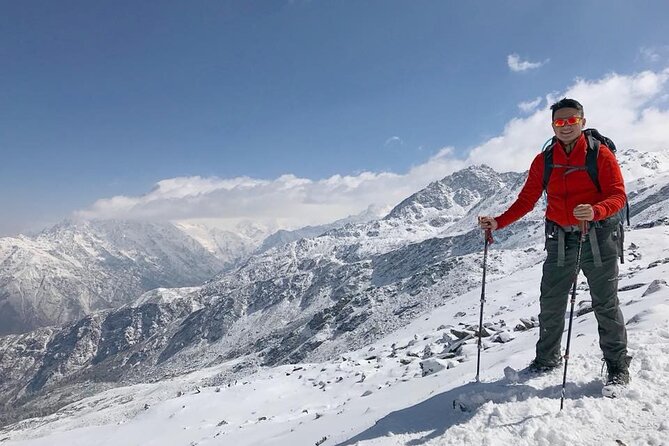
Annapurna and Everest get the headlines, but Langtang delivers the goods close to Kathmandu. This Langtang Panorama Trek mixes village walks, forest trails, and high passes like Gosaikunda and Lauribina, with smooth local transport and solid on-the-ground guidance. I especially like how the itinerary builds in gradual altitude steps and uses practical support like an ox meter at higher elevations. One thing to plan for: it’s still a true trek—if your fitness is low, the long hike days at altitude may feel demanding.
What I really like is the combination of meals included on the trek and private twin-sharing rooms at guest houses. That removes a lot of everyday hassle so you can focus on walking, resting, and taking in the scenery. The other standout is the way the route moves through forests of rhododendron and oak, plus sections where the rare red panda is known to exist. The possible drawback is that drinks (including hot/cold) aren’t included in the mountain, so you’ll need to budget for that along the way.
You’ll also be glad you’re going with a small group: it caps at 25 travelers, and the experience includes an English-speaking guide with real trekking support and park permits handled. Just keep in mind there’s weather in the Himalaya; if conditions turn, the team may adjust plans to keep you safe.
In This Review
- Key highlights I’d prioritize
- Why This Langtang Panorama Trek Feels Like Good Value
- Kathmandu Pre-Trip Setup: The Part People Underestimate
- Day 1 to 2: From Kathmandu to Syabrubesi, Then Into the Mountains
- Day 3: Langtang Village at 3541m
- Day 4: Chorkari ri (5050m) and the Big Commitment Day
- Day 5: Coming Down to Lama Hotel (2480m)
- Day 6: Lama Hotel to Thulo Syabru (2200m)
- Day 7: Thulo Syabru to Cholangpati (3680m)
- Day 8: Gosaikunda and Lauribina Pass, Then Back to Cholangpati
- Day 9: Down to Dhunche and a Real Sense of Finish
- Day 10: Drive Back to Kathmandu
- Guides, Group Size, and the Small-Details That Actually Matter
- What’s Included (and What You Still Need to Budget)
- Altitude and Fitness: Who This Trek Fits Best
- What the Trek Feels Like: Forests, Villages, and the Big High Quiet
- Should You Book the Langtang Panorama Trek?
- FAQ
- FAQ
- How long is the Langtang Panorama Trek?
- What is the highest altitude on this trek?
- Are meals included during the trek?
- Does the tour include permits for Langtang National Park and TIMS?
- Is pickup offered from Kathmandu?
- Do you get accommodation during the trek?
- Do I need travel and rescue insurance?
Key highlights I’d prioritize
- Syabrubesi to Lama Hotel: a classic on-ramp into Langtang country
- Langtang village: a meaningful cultural stop at the heart of the valley
- Chorkari ri (5050m): a hard day with payoff views
- Gosaikunda + Lauribina pass (4600m): spiritual lake scenery and high trail walking
- Altitude safety tools: ox meter checks for oxygen saturation at higher elevations
- Strong guide support: Unique Path Trekking with leaders like Babu, and guiding examples including Suresh and Dambar
More trails out of Kathmandu, boots ready
- Everest Base Camp Trek – 14 Days★ 5.0 · 1,499 reviews
- Everest Base Camp Trek★ 5.0 · 842 reviews
- Everest Base Camp Trekking★ 5.0 · 485 reviews
- Nagarkot Sunrise View and Day Hiking from Kathmandu★ 5.0 · 471 reviews
Why This Langtang Panorama Trek Feels Like Good Value
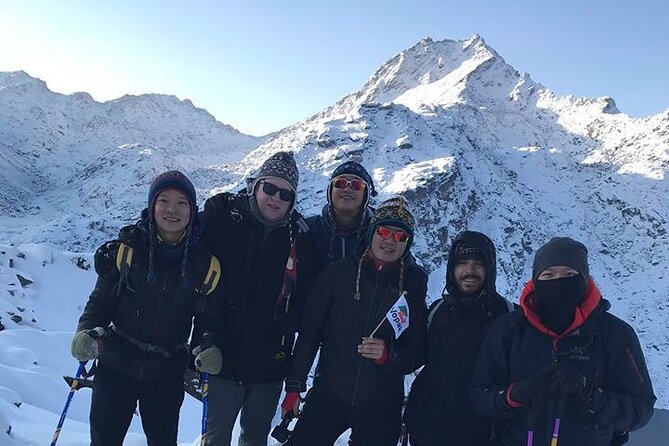
For $755 per person, you’re not just buying a scenic hike. You’re buying a bundle of the stuff that usually eats time, energy, and money: road transport, permits, guide coordination, and daily meals during the trekking days.
Here’s what that value looks like in plain terms. During the trek you get three meals a day (breakfast, lunch, dinner), plus trekking lodging in twin-sharing private rooms at guest houses. On top of that, the trip includes ground transportation, a trip map, and administration like TIMS plus Langtang National Park entry permits. They even include altitude-related gear support such as an ox meter and medical first-aid kit. That matters because the “hidden costs” of trekking often come from logistics, not just distance.
You’re also not doing this alone. The trek includes an experienced, English-speaking guide, and the company includes guide salary, insurance-related coverage mentioned in the trip inclusions, and local taxes. In other words, the trekking machine is built for you to walk, eat, sleep, and stay on track—without constantly chasing details.
Kathmandu Pre-Trip Setup: The Part People Underestimate
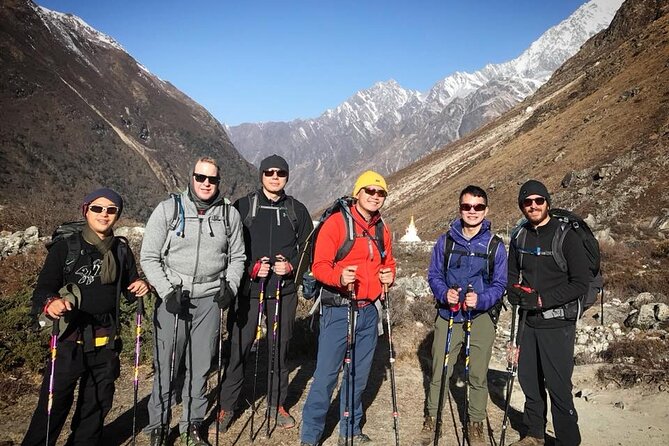
This trek starts in Kathmandu. Your trip includes pickup offered, and the schedule begins with a long drive out of the city by bus.
What I like here: when trekking goes well, it’s because the pre-walk day goes smoothly. You’ll have time to get organized before the trail work begins, and the trip includes the ground transport so you’re not doing a patchwork of transfers.
Also pay attention to these practical points:
- Your Kathmandu-side hotel is not included, and meals in Kathmandu aren’t included.
- You will likely want to travel light, because guest-house trek style is different from hotel travel.
- You’ll want to line up your daypack for the walking days and keep “grab-and-go” items accessible for breaks.
The itinerary mentions the bus ride to Syabrubesi as about 7 hours, which is long enough that comfort really counts. If you’re prone to feeling stiff after car rides, plan on mobility work before you sleep and on easy pacing the next morning.
Day 1 to 2: From Kathmandu to Syabrubesi, Then Into the Mountains
Day 1: Kathmandu to Syabrubesi (1610m)
You’ll ride about 7 hours by bus and sleep at a guest house. Syabrubesi is the launch point where you transition from city life to trekking rhythm.
Day 2: Syabrubesi to Lama Hotel (2480m)
This is a 5.5-hour walk. It’s the kind of day that feels long on paper but usually works well as an adjustment day because you’re still climbing without hitting extreme altitude right away.
Why this start matters: good trekking isn’t just about willpower. It’s about pacing your body. A controlled first ascent helps your sleep and your breathing as you climb toward the higher valley sections.
Day 3: Langtang Village at 3541m
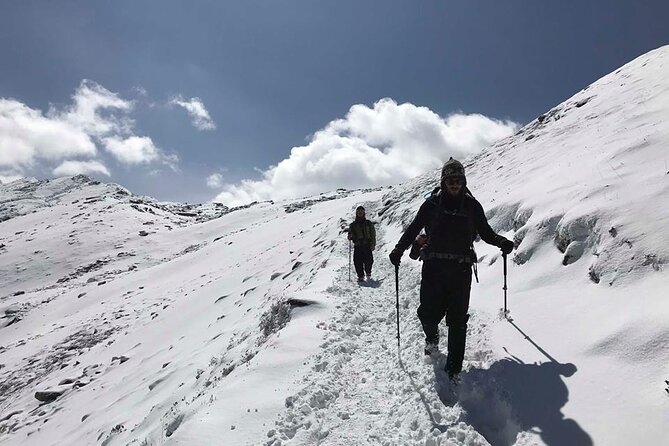
Day 3: Lama Hotel to Langtang village (3541m)
Expect about 5 hours. This is the day you arrive deeper in the valley and get a real sense of Langtang’s human scale—houses, trails, and everyday life built for mountain seasons.
This stop is also where the “panorama” concept starts making sense. It’s not just wide mountain views; it’s how the valley sits between Langtang-Ganesh Himal and the Jugal mountain range, with villages appearing along the route like stepping stones.
Practical note: at this altitude your body starts caring more about hydration and steady effort. Don’t sprint between photo spots. Slow, consistent walking is the smart move.




Day 4: Chorkari ri (5050m) and the Big Commitment Day
Day 4: Langtang village to Chorkari ri (5050m), then back to Kyangjin Gompa
This is the heavyweight day at about 7.5 hours total.
Chorkari ri at 5050m is where the trek turns from “pleasant mountain walk” into “real high-altitude trekking.” Even if you’re fit, the air feels thinner. This is exactly where having support tools in the package matters. The trek includes an ox meter for pulse, heart rate, and oxygen saturation checks at higher altitude. That doesn’t replace common sense, but it’s useful for monitoring how you’re handling the climb.
How to make this day work:
- Walk at a pace you can hold even when you stop for photos.
- Treat the climb like endurance training, not like a race.
- If you feel unusually breathless, slow down immediately. At high altitude, the goal is to keep moving safely.
This is also likely the day where weather becomes your reality. If visibility is poor or conditions are rough, the guide may adjust timing and strategy.
Day 5: Coming Down to Lama Hotel (2480m)
Day 5: Kyangjin Gompa back down to Lama Hotel
About 6 hours walking.
This is a “recovery through motion” day. Descents can still be hard on knees, but they help your body reset after the high push. It’s also psychologically important: after a summit-style effort, a descent gives you a sense of progress and control.
If you’re sensitive to knee strain, this is when trekking poles can be your best friend—especially on rocky sections and stairs of uneven stone.
Day 6: Lama Hotel to Thulo Syabru (2200m)
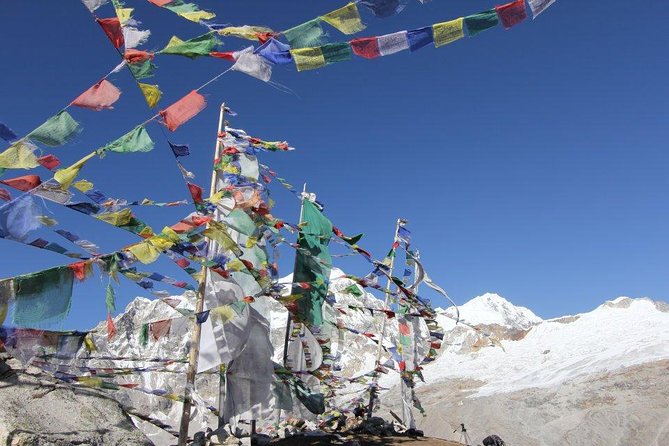
Day 6: Lama Hotel to Thulo Syabru
About 5.5 hours.
This day drops a bit in altitude to 2200m, which helps recovery. Thulo Syabru is a village area that gives you a different flavor than the higher valley sections. The trail rhythm shifts too: more time moving through settled mountain life zones rather than only high valley viewpoints.
Day 7: Thulo Syabru to Cholangpati (3680m)
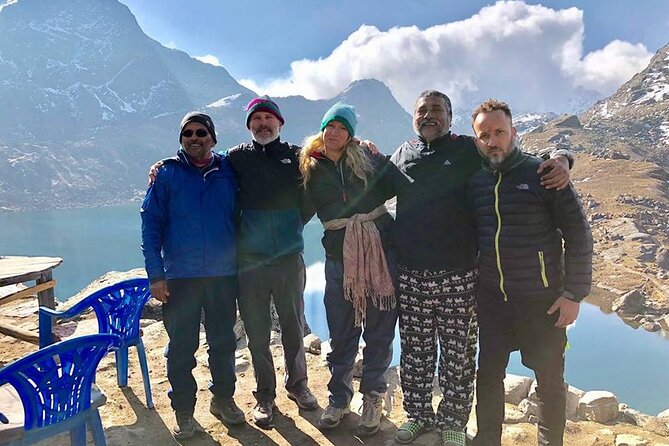
Day 7: Thulo Syabru to Cholangpati (3680m)
Around 6 hours.
This is another step up. Cholangpati at 3680m is where you start to set up for the high spiritual/lake segment ahead. The trek description specifically highlights rhododendron forests, plus oak, magnolia, pines, and firs, with bamboo groves in sections where red panda are known to exist. Even if you never spot one, that forest ecology changes the feel of the trek. It’s cooler, shaded at times, and often calmer under tree cover.
I’d treat this as your “get ready” day:
- Make sure your layers are correct for changing temperatures.
- Keep snacks accessible.
- Stay consistent with hydration.
Day 8: Gosaikunda and Lauribina Pass, Then Back to Cholangpati
Day 8: Visit Gosaikunda and Lauribina pass (4600m), then trek back to Cholangpati
About 7.5 hours walking.
This is one of the most distinctive parts of the trek: Gosaikunda, plus the Lauribina pass at 4600m. Lake days in Nepal are often about more than photos. They’re about being in a big quiet place where the trail and the landscape meet local meaning.
What to expect:
- High altitude walking that will feel slower than it looks on a map.
- Changing conditions around the pass. Wind can matter a lot up there.
- A longer day than you might assume because you’re combining sightseeing with trail time.
The inclusion list mentions sleeping bags and down jackets for trekking if necessary. I’d plan to use them here. Even in warmer seasons, nights at higher altitude can turn sharp.
Day 9: Down to Dhunche and a Real Sense of Finish
Day 9: Cholangpati to Dhunche
About 4.5 hours walking.
This is shorter than previous days, and that’s intentional. Dhunche is a practical mountain town that helps you land back in civilization rhythm. You’ll likely sleep better tonight because you’re no longer chasing altitude.
Shorter days matter on long treks. They lower stress, reduce fatigue, and leave energy for enjoying the final evening.
Day 10: Drive Back to Kathmandu
Day 10: Bus to Kathmandu and transfer to your hotel
About 5.5 hours driving. Kathmandu meals and lodging aren’t included, so you’ll want to plan for that first hotel night.
This is the day to move slowly, hydrate, and avoid planning anything intense right after you get back. After a multi-day trek, your legs need time to return to normal life.
Guides, Group Size, and the Small-Details That Actually Matter
This trip runs with a maximum of 25 travelers. In practice, that usually keeps the trek feeling manageable and keeps decisions from turning into a chaotic discussion.
The experience includes an English-speaking guide and support staff coverage described in the inclusions (guide salary, transportation, local taxes). Unique Path Trekking is the provider, and from past experiences with this company, you’ll see names like Babu (often involved in organizing) and guides such as Suresh and Dambar.
Why that matters to you: on a trek like this, good guidance isn’t about storytelling. It’s about pacing, route safety, and keeping your altitude strategy realistic. One real advantage of having an experienced team is when weather or a minor injury makes a full route adjustment necessary. The trek can pivot to a shorter or alternative trek segment if conditions demand it.
What’s Included (and What You Still Need to Budget)
This trek is strong on inclusions for trekking-days comfort and safety tools.
Included highlights:
- Meals 3 times a day during the trekking period
- Twin sharing private rooms at guest houses
- Ground transportation as per the itinerary
- Trip map
- First aid kit + ox meter for pulse and oxygen saturation at higher altitude
- TIMS and Langtang National Park entry permits
- Trekking sleeping bag (four season) and down jackets if needed
- Guide support: English-speaking guide and related costs included
- Travel and rescue arrangement should be covered by your insurance company
- Certificate + trekking cap as souvenirs
Not included (where you’ll need to plan):
- Meals and accommodation in Kathmandu
- All kinds of drinks in the mountain (hot, cold, alcoholic)
- Personal equipment
- Your travel and rescue insurance
- Extra personal expenses like calls, laundry, shower, baggage charges
- Tips for trekking staff and driver (tipping is expected)
- Porter not included
That last point is important. If you don’t want to carry your own full load, you’ll need to handle porter arrangements yourself.
Altitude and Fitness: Who This Trek Fits Best
The route includes a high point at 5050m (Chorkari ri) and a major pass day at 4600m (Lauribina pass), plus sleeping elevations like 3680m and 3541m.
The operator states you should have a moderate physical fitness level. In practical terms, you’ll want:
- Comfort with 4–7.5 hour walking days
- Good pacing ability (not speed)
- Basic trekking readiness for uneven ground
If you’re new to altitude trekking, take the slow-and-steady approach seriously. You’re not trying to prove fitness. You’re trying to finish feeling strong enough to enjoy the scenery.
What the Trek Feels Like: Forests, Villages, and the Big High Quiet
This is one of the reasons Langtang keeps earning loyal repeat hikers. You get a mix of:
- Forest walking through rhododendron and oaks, plus pines and firs
- Valley views framed by surrounding peaks
- Village stops that give the trek a real human pulse
- High points like Chorkari ri and the lake/passa day at Gosaikunda
And there’s a nature angle in the trekking description: bamboo groves in some sections where red panda are found. I wouldn’t plan your whole day around spotting one, but it’s a nice reminder that this is genuine wildlife country, not just a photo route.
Should You Book the Langtang Panorama Trek?
If you want a trek that mixes classic Langtang Valley highlights with the iconic Gosaikunda area—without turning your trip into a logistics project—this is a solid choice. The pricing makes sense for what’s included on trekking days: meals, permits, transport, a guide, guest-house rooms, and altitude monitoring support.
You should think twice if:
- You hate walking long days or you’re not comfortable with elevation
- You’re counting on unlimited mountain drinks included in the cost
- You don’t want to handle porter decisions (since porter isn’t included)
FAQ
FAQ
How long is the Langtang Panorama Trek?
It’s listed as 10 days (approx.).
What is the highest altitude on this trek?
The itinerary includes Chorkari ri at 5050m and Lauribina pass at 4600m.
Are meals included during the trek?
Yes. You get breakfast, lunch, and dinner during the trekking days. Meals in Kathmandu are not included.
Does the tour include permits for Langtang National Park and TIMS?
Yes. The package includes TIMS and Langtang national park entry permits, plus necessary paper works.
Is pickup offered from Kathmandu?
Pickup is listed as offered.
Do you get accommodation during the trek?
Yes. You get twin sharing comfortable and clean private room in trekking for the nights during the trek.
Do I need travel and rescue insurance?
Your travel & rescue insurance is not included, but the trip mentions travel and rescue arrangement should be covered by your insurance company.
More Trekking Out of Kathmandu






More Tour Reviews in Kathmandu




Just Reviewed in Kathmandu
- Mountain Bike Tour
★ 5.0 · 3 reviews - Annapurna Panaroma
★ 5.0 · 3 reviews - Mount Everest Scenic Flight 50 Minutes
★ 5.0 · 3 reviews - Kathmandu : Swambhunath & Durbar Square Guided Half Day Tour
★ 3.3 · 3 reviews - Chandragiri Cable Car & Monkey Temple Tour – Private/Group
★ 5.0 · 3 reviews - Kathmandu: Shivapuri National Park Hiking Day Trip
★ 3.3 · 3 reviews
Langtang Valley Treks, compared.
 ★ 5.0Langtang Valley TrekFrom $555140 reviews
★ 5.0Langtang Valley TrekFrom $83061 reviews
Langtang Valley TrekFrom $70050 reviews
 ★ 5.08 Days Tour in Langtang Valley TrekFrom $69845 reviews
 ★ 5.0Private 8 – Day Langtang TrekkingFrom $58429 reviews
★ 5.0Langtang Valley TrekFrom $1,00023 reviews
 ★ 5.06-Day Limitless Langtang TrekFrom $18121 reviews
★ 5.0Langtang Valley TrekFrom $56020 reviews
Browse the lists this tour appears in