
Review · LANGTANG VALLEY TREKS
Langtang Trekking
Mountain temples and lake ice in one route.
This Langtang package is interesting because it stacks Tibetan Buddhism sights with high-altitude cold-air drama, from monasteries to Gosaikunda Lake. You also get an English-speaking, government-licensed guide, and in past groups that Trek Mania Nepal has run, guides like Kumar have been especially strong at keeping things fun and flexible while answering questions. It’s a private trek, so you’re not squeezed into someone else’s pace.
I love the payoff of the Kyanjin Ri viewpoint and the way it gives you a big, clear sense of the Langtang range. I also love the culture stops—Sherpa Gaon and Shin Gompa—because they’re not just photos; they’re places where you can talk, ask, and watch daily rhythms of monastery life. In groups with guides like Pradip, the explanations tend to connect the scenery to what you’re seeing on the trail (and yes, he’s also been helpful with pictures).
One drawback to plan for: the $699 price doesn’t include trek accommodation or meals, so your real day-to-day cost depends on what’s arranged for lunches, dinners, and where you sleep during the walk.
In This Review
- Key highlights worth knowing before you go
- Langtang, Gosaikunda, and Chisopani: the trek’s big promise
- Kyanjin Ri and Kyanjin Gompa: early mornings with a purpose
- Sherpa Gaon and Shin Gompa: culture you can actually talk to
- Gosainkunda and the cold turquoise payoff
- Mul Kharka to Chisopani: the walk that keeps going
- Guides, permits, and the value math behind $699
- What the schedule means for your body (and your photos)
- Seasons: when you’ll enjoy it most
- What to bring for extreme terrain and cold air
- Should you book this Langtang trek package?
- FAQ
- How long is the Langtang, Gosaikunda, and Chisopani trek?
- What time does the trek start?
- Is pickup from Kathmandu included?
- What’s included in the price?
- What’s not included during the trek?
- Which seasons are best for this trek?
- Can I cancel and get a full refund?
Key highlights worth knowing before you go
- Kyanjin Ri viewpoint time: you get a standout view moment tied to the Kyanjin area.
- Kyanjin Gompa and Shin Gompa: the trek includes major monastery stops in the Langtang valley.
- Gosaikunda Lake and its siblings: you’ll walk into a cold, surreal place known for turquoise water.
- Village culture around Sherpa Gaon: you pass classic hamlets where people hold on to traditions.
- Private group experience: only your group participates, so pacing and questions are easier.
More trails out of Kathmandu, boots ready
- Everest Base Camp Trek – 14 Days★ 5.0 · 1,499 reviews
- Everest Base Camp Trek★ 5.0 · 842 reviews
- Everest Base Camp Trekking★ 5.0 · 485 reviews
- Nagarkot Sunrise View and Day Hiking from Kathmandu★ 5.0 · 471 reviews
Langtang, Gosaikunda, and Chisopani: the trek’s big promise
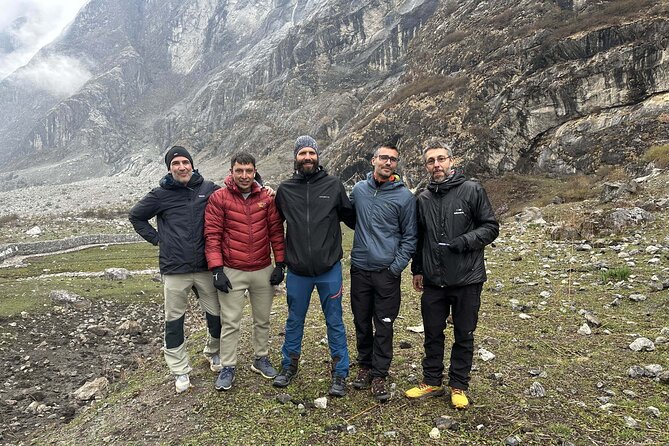
This trek is designed like a story across the Northern Himalayas: start in the Langtang valley with monastery-heavy culture, then move toward the cold, sacred pull of Gosaikunda, and finish with the calmer rhythm of Chisopani. If you like trips that mix scenery with human scale—small settlements, religious sites, and conversations with locals—this kind of route fits well.
The selling point here isn’t just “mountains.” It’s the combination: surreal peaks and range views, plus serene turquoise lake scenery, plus cultural hamlets tied to Tibetan Buddhism. The route also leans toward viewpoints that aren’t the same cookie-cutter parade as the most famous treks, which is part of why the experience feels more personal.
Kyanjin Ri and Kyanjin Gompa: early mornings with a purpose
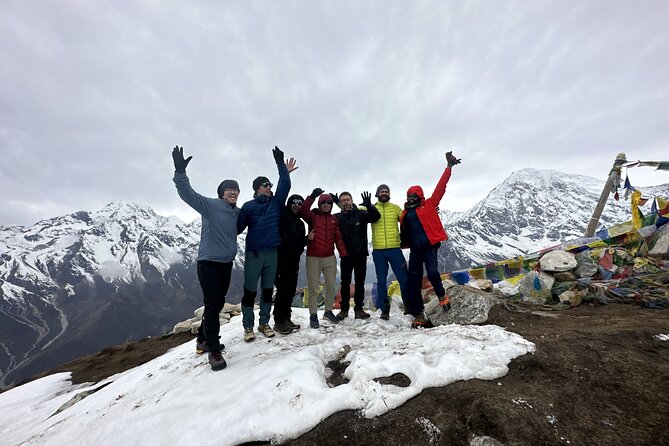
The trek’s mountain high-point is built around the Kyanjin Ri viewpoint, a place where the Langtang range energy really comes through. Even if you’ve seen Himalayan photos before, a viewpoint day tends to change how you understand the scale—because you’re not looking at a flat image. You’re standing there while the air sharpens and the peaks look closer.
From there, Kyanjin Gompa becomes the cultural anchor. This monastery is described as the largest in the Langtang valley, which matters because it’s not a tiny roadside stop—it’s a major religious site. In practice, that means more time to notice how the place functions: the layout, the quiet flow, and how the community interacts with the monastery.
If you’re the type who likes “one big view” paired with “one real place,” this pairing is why the itinerary works.
Sherpa Gaon and Shin Gompa: culture you can actually talk to
Some trekking plans throw in a monastery and call it done. This one treats religion and daily life as part of the route, especially around Sherpa Gaon and Shin Gompa. The trek description specifically calls it a cultural tour, with classic settlements where locals are deeply connected to time-honored traditions.
That’s useful for you if you’re traveling solo with curiosity (or if your group likes to ask practical questions). You’re not only walking; you’re also encountering the systems that shape how people live in the Himalayas: beliefs, community roles, and the monastery’s presence in everyday rhythms.
Guides matter here. In one Langtang trek group, the guide Pradip stood out for explaining landscape and cultural sites along the way, not just facts but what to look for and why it’s meaningful. That kind of interpretation changes how the day feels, especially around monasteries.
Gosainkunda and the cold turquoise payoff
The emotional center of this trek is Gosaikunda Lake. The description emphasizes the icy air above the lake area, and that’s exactly what you should expect: a colder, sharper-feeling atmosphere than you’ll get in lower valleys. The lake is also described as turquoise and “surreal,” so your hike isn’t just a climb to a point—it’s a gradual shift into a different mood.
You also don’t just go to one lake stop. The itinerary mentions Gosaikunda and its siblings, including Mangengoth. That structure helps because it spreads the sacred scenery across multiple days rather than dumping everything into one rush. You’ll feel less like you’re sprinting through a checklist and more like you’re stepping deeper into the place.
Practical note: cold air usually means you’ll want your layers dialed in and your willingness to pause often just to catch your breath and regroup. If the weather turns, you’ll appreciate having a guide who’s good at keeping the group moving steadily without panic.




Mul Kharka to Chisopani: the walk that keeps going
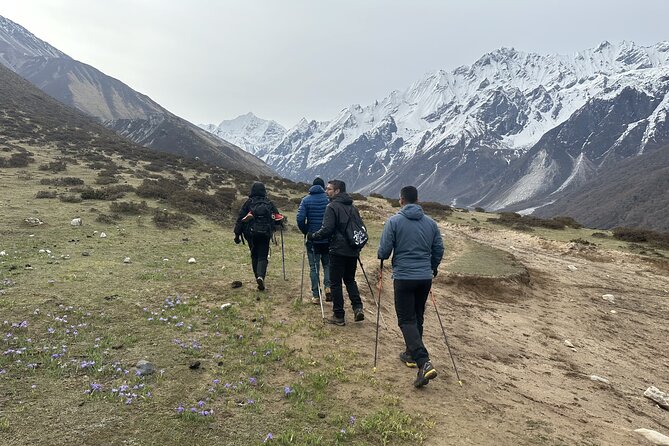
After the big “high” moments around Kyanjin and Gosaikunda, Mul Kharka and Chisopani help smooth the route into something sustainable. This stretch is where the trek often becomes more about endurance than drama—steady walking, changing trail character, and village-scale life.
Chisopani is a fitting finish because it’s described alongside a treks-and-mountains route that includes monasteries and lake views. In other words, you’re not ending with just a view; you’re ending with a place that feels like it belongs to the trail. For you, that means a better chance to decompress mentally after the colder lake area and to enjoy the final days without constant altitude-cold intensity.
One more detail that matters: the route references both the Langtang valley range and the Annapurna range as visible parts of the overall experience, with Ganesh Himal also mentioned. That matters because it turns the trek into a broader Himalayan panorama, not a single-mountain story.
Guides, permits, and the value math behind $699
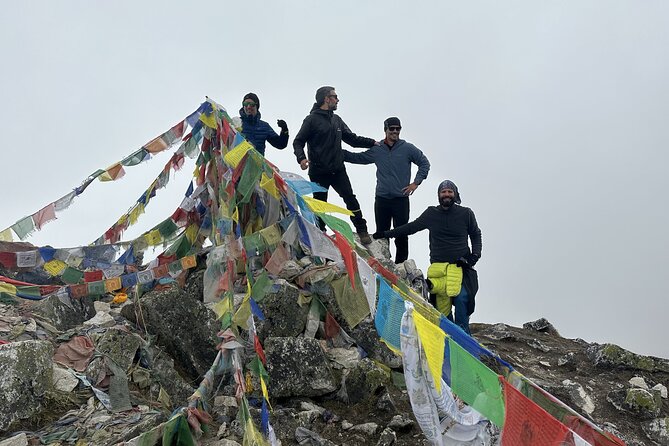
Let’s talk money in a practical way. At $699 per person, the price doesn’t look “budget,” but it also doesn’t look inflated given what’s included. You’re getting an English speaking Trekking Guide licensed by Government, permits, and an air-conditioned vehicle (plus pickup is offered). Those pieces often cost real money in Nepal, and they also reduce stress for you.
Where people sometimes feel surprised is what’s not included. The plan does not include:
- lunch, dinner, and breakfast
- snacks
- bottled water
- trek accommodation
- coffee and tea
- visa fee, international flights, insurance
- tips for guide and porters
- alcohol
So the real value depends on how you handle meals and where you’ll stay during the trek. If the company arranges trek lodging and meals through its system, you’ll likely still be paying, but the planning load might be lower than booking everything yourself day by day.
Also: this is listed as a private tour/activity, meaning only your group participates. That can be a big value boost if you want a consistent pace, more time for questions, and fewer wait moments.
What the schedule means for your body (and your photos)
The start time is 7:15 am, which is common for trekking routes because daylight and weather matter. For you, that means you’ll want to treat mornings as a ritual: warm layers ready, water situation sorted, and breakfast handled in a way that won’t sit like a rock in your stomach.
Because the itinerary includes viewpoints and monastery days, you’ll likely notice two different kinds of walking:
- long, steady trail stretches that test endurance
- shorter, “focus” segments where timing matters for seeing the view clearly and reaching the monastery area calmly
If you’re someone who likes taking photos but hates rushing, this kind of pacing can actually help. You’re not forced into every moment at full speed.
Seasons: when you’ll enjoy it most
This trek can be done any season except winter, and the description calls out that monsoon is not so good but trekking is possible. It also names spring and autumn as the best seasons.
Here’s how that helps you decide:
- In spring/autumn, you’re more likely to get clearer sky conditions for views and a trail that feels more predictable.
- In monsoon, expect rain risk. Trekking is still possible, but you should assume wet footing, slippery segments, and more variability day to day.
If you’re planning around weather reliability more than adventure, aim for spring or autumn. If you’re chasing fewer crowds and still want to go, monsoon can work—but only if your group tolerates messy trail conditions.
What to bring for extreme terrain and cold air
The trek description openly frames this as a test of endurance in extreme climate and terrain. Even without exact altitude numbers, you should treat this as a cold-season-style packing challenge, at least around the lake area.
Your packing list should strongly consider:
- warm layers for cold mornings and cold-air lake zones
- rain protection for monsoon seasons
- sturdy footwear that handles mud and uneven surfaces
- a way to keep water and snacks manageable during long walk stretches
The key is insulation and practicality, not weight. You’ll feel it if you carry the wrong kind of warmth or if your outer layer fails you during wind.
Should you book this Langtang trek package?
Book it if:
- you want a route that mixes monasteries, cultural hamlets, and major viewpoints
- you care about Tibetan Buddhism sights like Kyanjin Gompa and Shin Gompa, not just scenery
- you’re comfortable planning around meals and trek accommodation costs since those aren’t included
- you prefer a private group setup where your pace and questions can fit the day
Skip it (or ask more questions first) if:
- you want a single “all-in” price with every meal and overnight covered
- you’re only traveling during winter (this itinerary isn’t positioned for winter)
If you do book, use the fact that confirmation happens within 48 hours as a planning anchor, and remember the start time is 7:15 am so your travel day to Kathmandu should leave room for settling in.
Also, if your schedule is flexible, the experience offers free cancellation up to 24 hours in advance for a full refund, which gives you some breathing room.
FAQ
How long is the Langtang, Gosaikunda, and Chisopani trek?
It’s listed as 13 days (approx.).
What time does the trek start?
The start time is 7:15 am.
Is pickup from Kathmandu included?
Pickup is offered, and the tour notes that it is near public transportation.
What’s included in the price?
Included items are an English speaking Trekking Guide (licensed by Government), permits, and an air-conditioned vehicle.
What’s not included during the trek?
Not included are lunch, dinner, and breakfast, snacks, bottled water, trek accommodation, and additional costs like visa fee, international flight tickets, and travel insurance.
Which seasons are best for this trek?
The trek can be done in any season except winter. Spring and autumn are described as the best seasons, while monsoon is not so good but trekking is possible.
Can I cancel and get a full refund?
Yes. The experience offers free cancellation, with a full refund if you cancel at least 24 hours before the start time.
More Trekking Out of Kathmandu






More Tour Reviews in Kathmandu




Just Reviewed in Kathmandu
- Mountain Bike Tour
★ 5.0 · 3 reviews - Annapurna Panaroma
★ 5.0 · 3 reviews - Mount Everest Scenic Flight 50 Minutes
★ 5.0 · 3 reviews - Kathmandu : Swambhunath & Durbar Square Guided Half Day Tour
★ 3.3 · 3 reviews - Chandragiri Cable Car & Monkey Temple Tour – Private/Group
★ 5.0 · 3 reviews - Kathmandu: Shivapuri National Park Hiking Day Trip
★ 3.3 · 3 reviews
Langtang Valley Treks, compared.
 ★ 5.0Langtang Valley TrekFrom $555140 reviews
★ 5.0Langtang Valley TrekFrom $83061 reviews
Langtang Valley TrekFrom $70050 reviews
 ★ 5.08 Days Tour in Langtang Valley TrekFrom $69845 reviews
 ★ 5.0Private 8 – Day Langtang TrekkingFrom $58429 reviews
★ 5.0Langtang Valley TrekFrom $1,00023 reviews
 ★ 5.06-Day Limitless Langtang TrekFrom $18121 reviews
★ 5.0Langtang Valley TrekFrom $56020 reviews
Browse the lists this tour appears in