
Review · LANGTANG VALLEY TREKS
Langtang Valley Trek – 11 DAYS
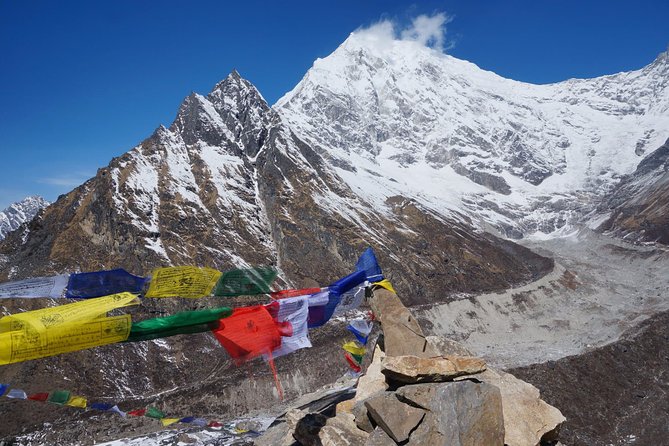
Langtang Valley rewards steady hikers. This 11-day trek mixes Tamang villages with high-mountain payoff from Kyanjin Gompa up to Tsergo Ri, all at a level that many people can handle with good pacing. You’ll be moving through forest, pasture, and alpine meadows with the kind of mountain drama you usually need a longer trek to get.
I especially like the careful structure: Kathmandu orientation and guided sightseeing before you ever hike, then a guided trek with a strong rhythm of ascent and acclimatizing time. I also like the support setup, including an experienced English-speaking guide, a porter (set at a 2 trekkers to 1 porter ratio), and meals planned all the way through the trail days.
One possible drawback: the hike to Tsergo Ri (4984m) is a steep 5-hour climb. It’s very doable for fit hikers, but altitude and steep switchbacks mean you’ll want to take it seriously, not treat it like a casual walk.
In This Review
- Key Things You’ll Notice on This Trek
- Why Langtang Feels Special: Mountains Plus People, Not Just Peaks
- Kathmandu Orientation That Actually Helps on Trek Day
- The Drive to Syabrubesi: A 132 km “Valley Gate”
- Day 4 Into Day 5: Bridges, Rhododendron, and the First Real Mountain Push
- Kyanjin Gompa (3860m): Your Acclimatization Hub With Icefall Views
- Tsergo Ri (4984m): The One Hard Day That Makes It All Worth It
- Day 8 and Day 9: Retracing Steps Without Losing the Magic
- Day 10 to Day 11: Kathmandu Leisure, Farewell Dinner, and Your Exit
- What You’re Really Paying For: Price, Inclusions, and Value
- Logistics and Comfort Details That Matter on Trek Trails
- The Human Factor: Communication and Friendly Guides
- Should You Book This Langtang Valley Trek?
- FAQ
- FAQ
- What’s the main trekking goal on this Langtang Valley trip?
- How do you get to the trailhead?
- Are permits included for the trek?
- What type of support comes with the trek?
- What’s included for meals?
- What trekking gear is provided?
- Where do you stay during the trek?
- What’s not included in the price?
Key Things You’ll Notice on This Trek
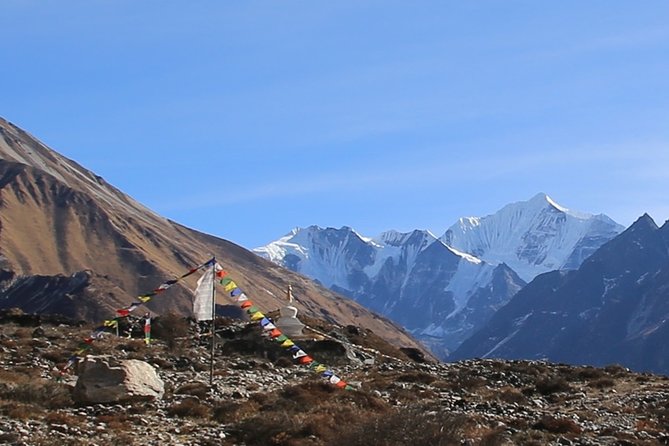
- Tamang culture on the trail through villages tied to Tibetan Buddhism traditions near the Tibetan border
- Big views without a long expedition thanks to starting the day-one hike from Syabrubesi and reaching Kyanjin Gompa (3860m)
- Tsergo Ri’s hard-but-fair climb for panorama rewards at 4984m
- Glacial U-shaped valley scenery as the route opens up and the mountains get closer
- Strong logistics for day-to-day comfort with private car transfers, private jeeps, guided sightseeing, and trek meals included
More trails out of Kathmandu, boots ready
- Everest Base Camp Trek – 14 Days★ 5.0 · 1,499 reviews
- Everest Base Camp Trek★ 5.0 · 842 reviews
- Everest Base Camp Trekking★ 5.0 · 485 reviews
- Nagarkot Sunrise View and Day Hiking from Kathmandu★ 5.0 · 471 reviews
Why Langtang Feels Special: Mountains Plus People, Not Just Peaks
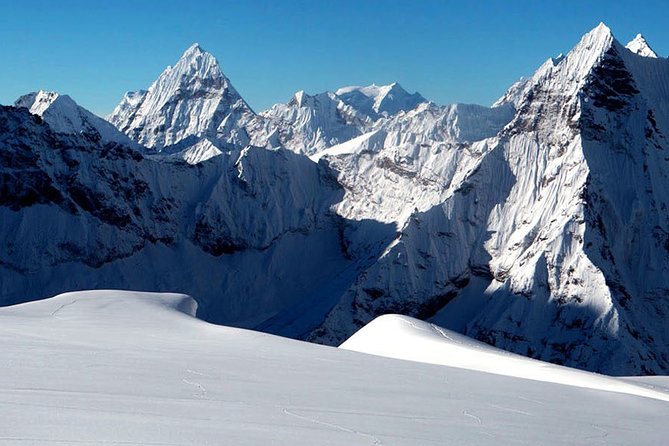
Langtang Valley is a place where you don’t just hike toward a view—you move through living communities. The route is built for a “short and easy” experience in the sense that it isn’t a months-long grind, but you still reach serious altitude.
A big part of what makes this trek work is the blend: forests of pine, rhododendron, and bamboo-like growth give way to pasture and then alpine meadows. At the same time, you’re passing through Tamang villages where Tibetan-influenced Buddhism shows up in monasteries, chortens, and daily routines.
You’ll also appreciate the history layer. The Langtang area became Nepal’s first Himalayan National Park in 1971, so you’re trekking through protected terrain with a long legacy of conservation and cultural continuity.
Kathmandu Orientation That Actually Helps on Trek Day
You start with 3 nights in Kathmandu, plus a guided half-day tour on day 2. This isn’t filler. Kathmandu orientation helps you get your bearings fast before the rhythm of trekking takes over.
You’ll see Kathmandu Durbar Square’s Newari architecture, and then you’ll visit two of the valley’s signature sacred sites: Boudhanath Stupa and Swayambhunath Stupa. The day also includes Pashupatinath Temple on the Bagmati River. Even if you’re not a temple person, these stops teach you how Nepal’s spiritual life flows into everyday movement.
Practical takeaway for your trek: after seeing the city’s temples and pilgrimage patterns, the monasteries you’ll spot later on the trail start to feel more grounded and meaningful.
The Drive to Syabrubesi: A 132 km “Valley Gate”
On day 3 you head from Kathmandu to Syabrubesi by private jeep, about 132 km. It’s a long enough drive that you’ll feel like you’re leaving the city behind, but it’s not so long that it drains you before the first hike.
Syabrubesi is your trail staging point, and the route from there gives you that classic Langtang “step into the valley” feeling. You’ll also benefit from arriving with everything already organized—private transport, set meal schedule, and guide/porter coordination.
If you tend to get carsick on winding roads, pack something you trust. The trek itself is well paced, but the drive is still a drive.
Day 4 Into Day 5: Bridges, Rhododendron, and the First Real Mountain Push
On day 4, the trail leaves the main road and immediately goes hands-on with the valley’s geography. You’ll cross a suspension bridge over the Bhote Koshi, then hike toward old Syabrubesi and visit a village monastery in a small stone building. It’s a short cultural stop, but it breaks up the travel-to-trek transition.
From there, you follow stone-paved streets out of town, cross another bridge over the Langtang Khola, and keep moving past log bridges, side streams, and areas shaped by landslides. That mix can feel raw up close, but it also tells you you’re in the real mountain corridor, not a sanitized path.
You’ll reach Doman’s waterfall area, and the day’s walking sets you up for day 5’s stronger climb.
Day 5 starts with a steeper forest section with hemlocks, oaks, maples, and white and pink rhododendrons. This is the kind of trail where your pace matters more than your speed. Then you climb toward a pass marked with prayer flags and reach Ghora Tabela, which functions as a Nepal Army and National Park post.
After that, the valley opens into that classic U-shaped glacial design. Yak pastures and rhododendron forests continue the contrast between wildlife grazing areas and tighter forest corridors. You’ll also hit settlement points like Thangshyap and visit Ghumba village with a gompa, so it’s not just “walk and look”—it’s walk, learn, and reset.




Kyanjin Gompa (3860m): Your Acclimatization Hub With Icefall Views
Day 6 is where the trek starts to feel like it’s really paying you back. The trail climbs through a mix of village and ridge terrain, passing elements like a large chorten and mani wall. These are small, slow moments you’ll feel more than you’ll see—because you’re close enough to read the carved meaning in stone.
You’ll pass through Mundu, and then the trek turns more pastoral. Expect a yak wool shop, yak pastures around Yamphu, and then a moraine viewpoint. This is often the moment where the valley changes in your mind. You’re not only walking through Langtang anymore—you’re arriving at its mountain theater.
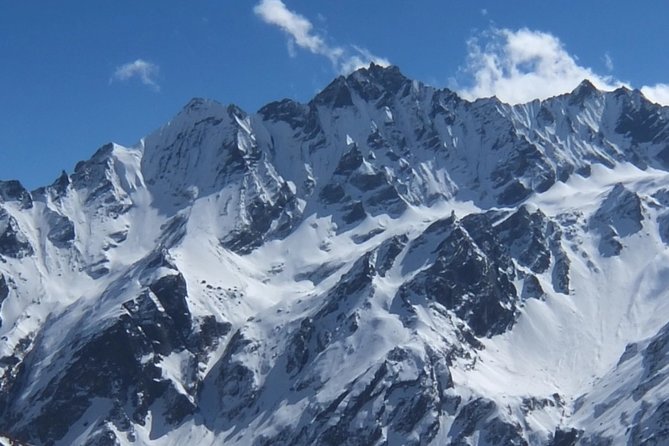
Then comes the big visual payoff: you get to see the monastery at Kyanjin Gompa and dramatic icefall coming from Langtang Lirung and Kimshung. Even if the weather is only partly clear, the sheer mass of ice and rock shapes your sense of scale.
The smart part is that you don’t rush past Kyanjin Gompa. You’ll have time to acclimatize and explore around, including visiting a Nyingmapa school monastery before settling in overnight. That gives you breathing room for altitude, and it keeps the day from feeling like a nonstop grind.
Tsergo Ri (4984m): The One Hard Day That Makes It All Worth It
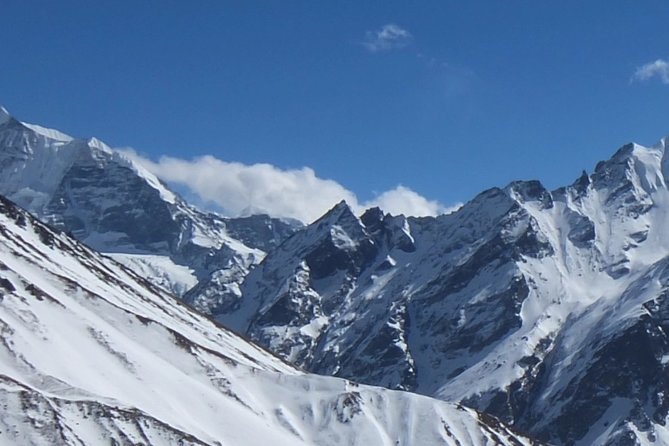
Day 7 is the toughest part, and it’s also the reason many people remember this trek. It’s described as a tough 5-hour climb from Kyanjin Gompa to the conical viewpoint at Tsergo Ri, and the route goes via the east trail toward Langshisha Kharka.
You’ll cross a stream, branch left by cairn toward a side valley, and then push up steep switchbacks. You’ll pass stone huts of herders at Yala Kharka, which helps you feel connected to the people who use these slopes year-round.
When you finally reach the prayer flags at the top, the views are the whole point. From Tsergo Ri you get outstanding panoramas, including Langtang Lirung (7246m) to the north, Gang Chhenpo (6388m) and Naya Kangri (5846m) to the south, and Dorje Lakpa to the east near the Tibetan border.
My practical advice: start early, sip water regularly, and keep your breathing steady rather than trying to “charge.” If you go slow and controlled, you’ll enjoy the summit experience instead of treating it like an obstacle.
And then you return to Kyanjin Gompa for the night, which matters. You don’t get tossed into another big altitude day immediately afterward.
Day 8 and Day 9: Retracing Steps Without Losing the Magic
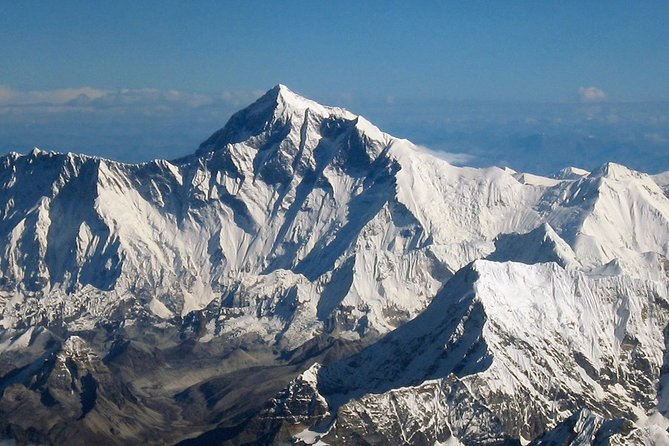
Days 8 and 9 are “back down” days—first to Lama Hotel, then back to Syabrubesi. Retracing can sound dull, but it often changes the feel of the valley. Morning light, cloud cover, and your physical condition all make the same path feel different.
You’ll still be walking through the same main systems—valley corridors, forests, village edges, and stream crossings. But you’ll do it with slightly more confidence because you already understand how the route behaves. It also helps you spot what you missed on the way up.
If you tend to get sore knees, take extra care on the downhill rhythm. The trekking plan is structured with rest and lodging, but downhill fatigue is on you.
Day 10 to Day 11: Kathmandu Leisure, Farewell Dinner, and Your Exit
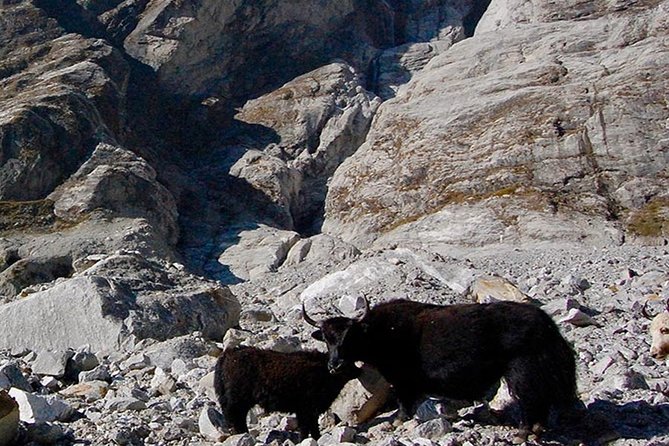
Day 10 sends you back to Kathmandu by private jeep. This is a true recovery day in the best sense: you’re not hiking, and you can use the time for practical things like gifts and souvenirs.
In the evening, there’s a farewell dinner where you review photos and share experiences. It’s not just ceremonial. It’s a nice mental reset, because trekking days can blur together while you’re in altitude and routine mode.
Day 11 is a drop-off to the airport for your onward flight, plus breakfast included. You’ll feel the trek leaving your body in the last morning walk—those are the days your sleep tends to be extra deep.
What You’re Really Paying For: Price, Inclusions, and Value
This trek costs $1,399 per person for 11 days. That may sound steep until you look at what’s included and what’s not.
What you do get for your money:
- Airport/hotel pick up and drop by private vehicle
- Kathmandu hotel for 3 nights (3), plus breakfast
- 7 nights in lodge/guest house during the trek
- An experienced English-speaking trekking guide and a porter (2 trekkers to 1 porter)
- Meals on trek days: breakfast, lunch, dinner, plus tea/coffee
- National Park permit and TIMS for Langtang
- Private jeep between Kathmandu and Syabrubesi (and back)
- Trek gear support: a down jacket and sleeping bag (you return them after the trek)
- ACH kitbag and a T-shirt
What you don’t get:
- Nepal entry visa fees
- International airfare and departure tax
- Travel insurance, including evacuation
- Tips for guides/porters and personal expenses
- Lunch in Kathmandu
- Extras like Wi-Fi, hot shower, hot water, and mineral water
So is it good value? For me, the strongest value is the combination of guide + porter ratio + permits + most meals + private transport. If you tried to book everything separately, you’d likely spend time, nerves, and money reinventing the logistics wheel.
The one “watch out” is insurance. The tour covers guide and porter costs for salary/food/insurance/lodging, but it doesn’t replace your own travel insurance needs for evacuation.
Logistics and Comfort Details That Matter on Trek Trails
A few operational details are worth paying attention to because they change your daily comfort.
Your gear rhythm: you’re provided a down jacket and sleeping bag for the trek, then return them afterward. That’s a big help if you’re traveling light or don’t want to pack winter gear for one trip.
Meal timing: you get breakfast, lunch, and dinner during trek days, plus tea/coffee. That removes one of the hardest parts of independent trekking: guessing food options and timing. Still, you’ll want your own snacks for small energy boosts.
Lodging style: lodge/guest house nights are standard here. That usually means simple rooms and shared common areas, and it’s a good idea to treat it as part of the trekking rhythm, not a hotel holiday.
Water and washing: hot shower, hot water, and Wi-Fi are not included. Bring a plan for basic hygiene and hydration that doesn’t rely on amenities.
Also, you’ll see how the route is managed at checkpoints like Ghora Tabela (Nepal Army and National Park post). That kind of structure can add a little time, but it’s part of why the trek runs safely.
The Human Factor: Communication and Friendly Guides
Even on a nature-focused trip, the people running it shape your stress level. The operational tone I’d look for here is professional communication and staff manners. The team behind the scenes is led by Sujan, and guides like Nima, Pemba, and Njima have been highlighted for keeping things friendly and running smoothly.
What that means for you: you’re less likely to get stuck waiting, guessing, or dealing with confusion around meals, pacing, or permits. You’ll also feel more comfortable asking questions, especially on altitude days.
Should You Book This Langtang Valley Trek?
Book it if you want a trek that’s short enough to feel doable* but still delivers big-mountain experiences—forests, villages, monastery visits, and a real high viewpoint day at 4984m. This is also a good choice if you like cultural context, since Tamang traditions show up throughout the route rather than being tacked on as a single stop.
Think carefully before booking if:
- You’re not comfortable with steep climbing and altitude, especially on the Tsergo Ri day.
- You don’t have travel insurance that includes medical evacuation plans (the tour doesn’t include that for you).
- You expect hot showers and easy Wi-Fi. The trek design doesn’t promise that.
FAQ
FAQ
What’s the main trekking goal on this Langtang Valley trip?
You’ll trek through Langtang Valley to reach Kyanjin Gompa at about 3860m, then hike up to Tsergo Ri at 4984m for major panoramic views of peaks like Langtang Lirung.
How do you get to the trailhead?
You drive from Kathmandu to Syabrubesi by private jeep, about 132 km, then start trekking from there.
Are permits included for the trek?
Yes. The trek includes the Langtang National Park permit and TIMS.
What type of support comes with the trek?
You’ll travel with an experienced English-speaking trekking guide and a porter. The porter ratio is 2 trekkers to 1 porter.
What’s included for meals?
During the trek you get breakfast, lunch, dinner, and tea/coffee. Kathmandu includes breakfast for 3 nights, plus welcome and farewell meals. Lunch in Kathmandu is not included.
What trekking gear is provided?
You’re provided a down jacket and sleeping bag for the trek. You need to return them after the trek finishes.
Where do you stay during the trek?
You stay 7 nights in lodge/guest house accommodations during the trek.
What’s not included in the price?
Not included are Nepal entry visa fees, international airfare and departure tax, travel insurance including evacuation, tips for local staff, lunch in Kathmandu, and personal expenses like mineral water, hot shower, hot water, and Wi-Fi.
More Trekking Out of Kathmandu






More Tour Reviews in Kathmandu




Just Reviewed in Kathmandu
- Mountain Bike Tour
★ 5.0 · 3 reviews - Annapurna Panaroma
★ 5.0 · 3 reviews - Mount Everest Scenic Flight 50 Minutes
★ 5.0 · 3 reviews - Kathmandu : Swambhunath & Durbar Square Guided Half Day Tour
★ 3.3 · 3 reviews - Chandragiri Cable Car & Monkey Temple Tour – Private/Group
★ 5.0 · 3 reviews - Kathmandu: Shivapuri National Park Hiking Day Trip
★ 3.3 · 3 reviews
Langtang Valley Treks, compared.
 ★ 5.0Langtang Valley TrekFrom $555140 reviews
★ 5.0Langtang Valley TrekFrom $83061 reviews
Langtang Valley TrekFrom $70050 reviews
 ★ 5.08 Days Tour in Langtang Valley TrekFrom $69845 reviews
 ★ 5.0Private 8 – Day Langtang TrekkingFrom $58429 reviews
★ 5.0Langtang Valley TrekFrom $1,00023 reviews
 ★ 5.06-Day Limitless Langtang TrekFrom $18121 reviews
 ★ 5.0Langtang Valley TrekkingFrom $75020 reviews
Browse the lists this tour appears in