
Review · LANGTANG VALLEY TREKS
Langtang Valley Trekking
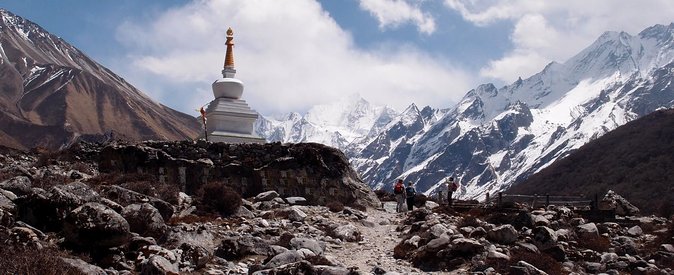
A few days north of Kathmandu, the mountains feel right on top of you. The Langtang Valley Trek is a great way to see Nepal’s high scenery, step through Tamang villages, and still fit it into about 10 days. I like how the route mixes river walking, rhododendron and pine trails, and then sharp payoff viewpoints like Kyanjin Gompa.
You also get real support on the trail: an experienced, English-speaking guide plus a porter (set up at 1 porter for 2 people), along with trekking permits and lodge/tea-house stays. One thing to think about: this is a moderate trek with real altitude exposure, so you’ll want to pace yourself and take the rest day at Kyanjin Gompa seriously.
In This Review
- Quick hits before you go
- Why the Langtang Valley Trek works better than you’d expect
- Price and logistics: where the $750 actually goes
- Day 1 in Kathmandu: quick orientation with a real-world start
- Road to Syabrubesi and first river walking: Day 2
- Syabrubesi to Lama Hotel via Bhote Koshi and Langtang River: Day 3
- Rhododendron-and-pine day to Langtang Village and Mundu: Day 4
- The crucial viewpoint day: Langtang Village to Yamphu and Kyanjin Gompa: Day 5
- Day 6 at Kyanjin Gompa: rest, monastery time, and the Chorkari Ri hike
- Returning the way you came: Day 7 back to Lama Hotel
- Down to Syabrubesi and off-mountain recovery: Day 8
- The Kathmandu return drive and a reset hotel day: Day 9
- Last day: airport escort and the official goodbye: Day 10
- Guides and porters: the human part that actually changes the trek
- Food and lodge life: what you should expect on a teahouse trek
- Who this trek suits best (and who might want a different option)
- Altitude and pacing: the practical way to enjoy Langtang
- Should you book the Langtang Valley Trek with this operator?
- FAQ
- FAQ
- How long is the Langtang Valley Trek?
- What does the tour include in Kathmandu?
- Are permits included?
- What about meals during the trek?
- Is there a guide and porter?
- What is not included?
- Where is the meeting point and when do you start?
Quick hits before you go
- Kyanjin Gompa with a built-in rest day so you can explore instead of sprinting
- Rhododendron and pine trail walking with flowers like foxgloves and red poppies along the way
- Wildlife chances including the possibility of spotting red pandas and monkeys
- Chorkari Ri hike (5,050m) for sweeping Langtang Himalayan views
- All permits handled (Langtang National Permit + TIMS), plus meals and lodge basics in the package
More trails out of Kathmandu, boots ready
- Everest Base Camp Trek – 14 Days★ 5.0 · 1,499 reviews
- Everest Base Camp Trek★ 5.0 · 842 reviews
- Everest Base Camp Trekking★ 5.0 · 485 reviews
- Nagarkot Sunrise View and Day Hiking from Kathmandu★ 5.0 · 471 reviews
Why the Langtang Valley Trek works better than you’d expect
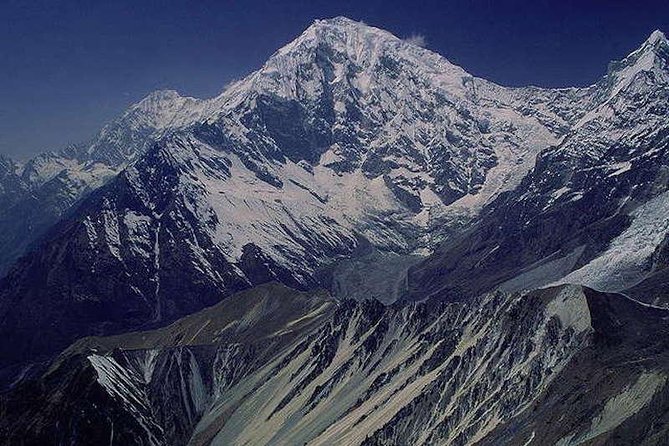
Langtang sits north of Kathmandu, close enough for a practical trek, far enough to feel like a world away. The big appeal is balance: you get dramatic mountain scenery, cultural contact in villages, and a route that’s short enough to plan without months of logistics.
I also like that the trek doesn’t treat altitude like a side quest. You climb in stages, you hit key viewpoints, then you build in time to breathe before going higher. That matters because Langtang’s elevations feel bigger once you’re actually walking day after day.
Price and logistics: where the $750 actually goes
At $750 per person, this trek is priced for what you’re getting: guide and porter support, permits, and a lot of your in-between costs that often surprise people later.
Here’s what stands out as value (based on what’s included):
- Airport/hotel pickup and drop-off by private car/van/bus in Kathmandu
- Kathmandu lodging for 2 nights in a 3-star setup with a bed-and-breakfast plan
- Kathmandu to Syabrubesi and back by express bus
- Permits included for the Langtang area: Langtang National Permit and TIMS
- Trekking guide (English-speaking) plus porter support (1 porter for 2 people)
- Lodge/tea-house accommodation during the trek
- Meals on the mountain: 8 breakfasts, 8 lunches, and 7 dinners, plus a cup of tea or coffee
What can add cost later:
- Meals and extra hotel nights in Kathmandu are not included.
- Personal expenses (things like bar bills, extra drinks, and hot water) are on you.
- Tips for guide, porters, and driver are not included.
- If you choose a private jeep instead of buses, it’s listed as USD 150 per way.
If you’re trying to travel light on planning and avoid the “wait, we still need permits and guides” feeling, this package-style setup is a strong fit.
Day 1 in Kathmandu: quick orientation with a real-world start
Your trek doesn’t start with a long lecture. After arrival, you drive into Kathmandu and get a short look at the Kathupatinath area as you pass by on the way to your hotel.
Why this matters: you’re not thrown into chaos immediately. You get a bit of the valley atmosphere, you settle in, and you can focus on sleep and hydration before the road days begin.
Road to Syabrubesi and first river walking: Day 2
Day 2 is where your trip shifts gears from city to trail. You drive out past north-western hills for Himalayan views and quick glimpses of rural life, then continue toward Dhunche. From there it’s onward to Syabrubesi, where you overnight in a guesthouse.
This road day can feel long, but it’s also part of the fun. You’re watching Nepal transition from Kathmandu rhythms to river valleys and mountain settlements. Also, you’re already setting up your trekking legs for the real work: the next day starts with walking.
Practical note: if you’re prone to motion sickness, bring what you need. That’s basic advice, but it helps a lot on bumpy hillside roads.
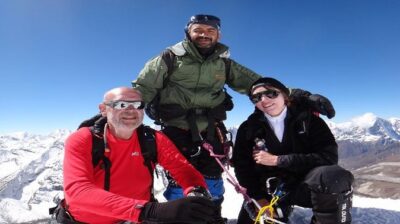
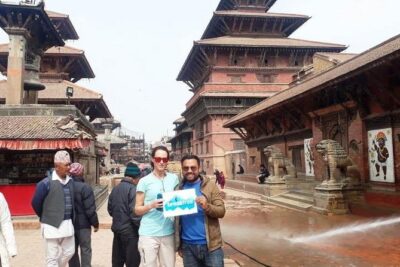
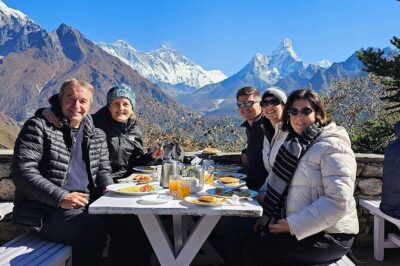
Syabrubesi to Lama Hotel via Bhote Koshi and Langtang River: Day 3
This is your first “legs day” and it has a classic Langtang rhythm. You walk from Syabrubesi, cross the Bhote Koshi River, then keep going along the Langtang River.
On the way, the day includes gradual climbing toward Bamboo, then moving to Ramche at 2,400m before reaching Lama Hotel. The route time is listed around 5 hours to Lama Hotel from Syabrubesi, with additional segments before that depending on pace and conditions.
What I find compelling here is the sense of walking with the geography. The river corridor keeps you grounded, and you’re surrounded by forest sections where you might even spot habituated animals such as monkeys and the possibility of red pandas.
Potential consideration: lodge nights here are part of the rhythm. Tea houses are simple by design, so expect basic rooms and bring whatever helps you sleep comfortably in cooler mountain air.
Rhododendron-and-pine day to Langtang Village and Mundu: Day 4
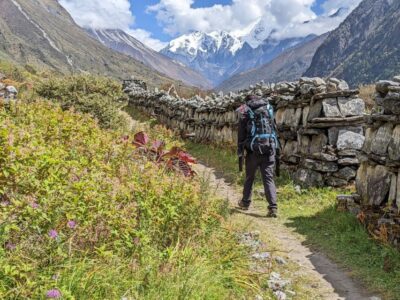
Day 4 feels like the trek’s scenery reel. You follow the trail through wooded areas with rhododendrons and pine trees, and the description highlights blooming spots like foxgloves and red poppies. You also pass Ghoda Tabela, which you’ll experience more as an atmospheric stop than a checklist item.
After about three hours of walking, you reach Langtang Village at 3,455m, then continue toward Mundu for your overnight.
Why this day matters: it’s a cultural and ecological bridge. You’re still walking in a lush corridor, but you’re arriving higher into village life where the scenery stops being just trees and starts becoming rooftops, paths, and village rhythms.
The crucial viewpoint day: Langtang Village to Yamphu and Kyanjin Gompa: Day 5
Day 5 is where the trek starts feeling like a proper high-mountain experience. You move from Langtang Village gradually through Sindum, then head toward Yamphu (3,640m).
The day includes a traverse along the Laja River and then a climb to a viewpoint where you can see ice features related to the Langtang Lirung area. You also reach Kyanjin Gompa, and the payoff views are listed for several peaks, including Mt. Gangchempo and Mt. Langtang Lirung.
Then you overnight at the guesthouse in the Kyanjin Gompa area.
Why people love this part of the trek: you’re not just hiking toward a number. You’re hiking toward a place with a purpose—monastery-country scenery, broad views, and that “we’re really up here” feeling.
Possible drawback: Day 5 can feel demanding because it blends a longer push with climbing. If you’re altitude-sensitive, take it slow on the ascent segments and use breaks early rather than late.
Day 6 at Kyanjin Gompa: rest, monastery time, and the Chorkari Ri hike
This is one of the smartest parts of the itinerary: a full day to breathe at Kyanjin Gompa. You can explore the area, including visiting the monastery and even a cheese factory.
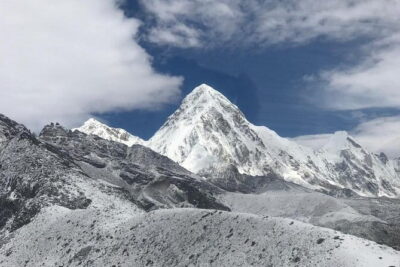
Then you hike up to Chorkari Ri (5,050m), described as a spot behind Langtang Village with big panoramic views. The named peaks in the description are impressive: Langshisa Ri (6,810m), Langtang Lirung (7,244m), Ganjala peak, and Gyangchempo (6,888m).
This day works for two types of trekkers:
- If you want a “lighter” day, you can keep the walking reasonable.
- If you want the biggest views, this is your shot.
A practical consideration: 5,050m is high enough that wind and cold can make things feel sharper than expected. Dress in layers, and don’t underestimate time spent standing still at viewpoints.
Returning the way you came: Day 7 back to Lama Hotel
On Day 7, you return to Lama Hotel. The itinerary lists around 6 hours.
This day is a mix of relief and focus. Relief because you’re retracing steps through familiar corridors. Focus because your legs can feel heavier after a higher day, even when the elevation isn’t climbing as much.
I like this structure. After a big day at Kyanjin Gompa, the return path helps you digest what you saw, without forcing you into another long ascent.
Down to Syabrubesi and off-mountain recovery: Day 8
Day 8 is about descending from Lama Hotel back to Syapru Besi, again listed around 6 hours.
Why the descent day can be tricky: knees and feet do the work now. Trekking poles can be a lifesaver if you have them. Also, pace matters—rushing downhill is a great way to end up sore and grumpy.
That said, this is also the day where the air starts to feel more normal, and your body gets a break.
The Kathmandu return drive and a reset hotel day: Day 9
Day 9 returns you to Kathmandu by express road, listed at about 7 hours. Once you arrive, you rest at your hotel and get breakfast included.
This is a good day to treat as recovery time, not sightseeing time. You’re still recovering from long walking days, and the drive alone can feel like a workout.
Last day: airport escort and the official goodbye: Day 10
On Day 10, an Escape Himalaya representative escorts you to the airport for your departure, with breakfast included.
This ending matters because it removes the final scramble. You can pack without worrying about how you’ll move across the city at the last minute.
Guides and porters: the human part that actually changes the trek
A trek like this lives or dies on execution. The package includes an experienced, English-speaking trekking guide and porter support, with the porter plan set at 1 porter for 2 people.
What the trail teams can do for you in real life:
- set your pace so you don’t burn out early
- handle day-to-day decisions when conditions change
- keep you moving safely on steep or uneven segments
- reduce your load so you can focus on breathing and footwork
In recent experiences tied to this operator, guides such as Phul Gurung, Sushil, Sandesh, Suk, Bal, and Veer Gurung have been praised for support, patience, and flexibility. There’s also a pattern of strong communication before departure, with Rabin mentioned as responsive via WhatsApp and helpful in organizing details.
Even small things count. One traveler shared that their guide helped manage a sleeping bag that might otherwise have been a hassle to carry. When you’re moving high and cold, that kind of practical help feels bigger than it sounds.
Food and lodge life: what you should expect on a teahouse trek
During the trek, meals are included (with tea or coffee). That’s a big deal because it removes a constant expense and decision-making loop.
Also, lodge/tea-house accommodation is part of the package, so you’re not chasing rooms day by day. Based on the trip feedback, the food often lands better than people expect on trekking days, which helps morale when you’re tired.
What to plan for:
- you’ll likely share communal dining spaces
- rooms are simple
- hot water and extras are often not included (so keep that budget in mind)
- your biggest comfort upgrades will come from your own clothing and sleep setup, not from a fancy hotel
Who this trek suits best (and who might want a different option)
This trek is described as requiring moderate physical fitness. It’s a good match for people who:
- want real mountain scenery without committing to longer treks
- can handle daily walking with gradual elevation change
- appreciate cultural village stops like Langtang Village and monastery visits at Kyanjin Gompa
- value having a guide and porter rather than going fully independent
It may not be ideal if you:
- need a very low-effort, minimal-walking trip
- get altitude symptoms easily and can’t follow pacing
- are unwilling to accept basic lodge conditions
Also, if you’re deciding between shorter versions, one key point from trek advice is that choosing the longer pacing helps you spend time at Kyanjin Gompa without feeling rushed. In a place like this, time matters because views don’t care about your schedule.
Altitude and pacing: the practical way to enjoy Langtang
This route includes high points like Yamphu (3,640m) and the Chorkari Ri hike to 5,050m, plus an active viewpoint day. Even with a rest day at Kyanjin Gompa, you should plan your effort like this:
- Start slower than you think you need to on ascent days.
- Use breaks early. Don’t wait until you’re already struggling.
- On colder days, dress in layers so you can adjust without losing your rhythm.
- On return and descent days, protect your knees and feet. The trek isn’t over just because you’re going downhill.
One traveler on a similar Langtang route described mild mountain sickness symptoms after Bamboo while hiking from Syabrubesi to Lama Hotel. That’s not a guarantee for you, but it’s a reminder: altitude can show up when you least expect it, and slow pacing is insurance.
Should you book the Langtang Valley Trek with this operator?
If you want an organized, value-focused route to Langtang’s signature areas—Syabrubesi, Langtang Village, Kyanjin Gompa, and Chorkari Ri—this 10-day trek is a strong choice. The itinerary builds in a crucial rest day, the package covers permits and most meals, and the guide/porter setup reduces the everyday stress that can steal energy on a trek.
I’d book it if your priority is a balanced trek where you can enjoy the mountain views without feeling like you’re being rushed through the best parts. I’d hesitate only if you know you react badly to altitude or you want a less demanding walking schedule.
If you’re ready for a practical Himalayan adventure, this is one of the cleanest ways to experience the Langtang region in a tight timeframe.
FAQ
FAQ
How long is the Langtang Valley Trek?
The trek is listed as 10 days approximately.
What does the tour include in Kathmandu?
It includes airport/hotel/airport pickup and drop-off, plus 2 nights of hotel accommodation in Kathmandu with a bed-and-breakfast plan.
Are permits included?
Yes. The package includes Langtang National Permit and TIMS permit.
What about meals during the trek?
Meals are included during the trekking portion: 8 breakfasts, 8 lunches, and 7 dinners, plus a cup of tea or coffee.
Is there a guide and porter?
Yes. You get an experienced, English-speaking trekking guide, and porter support is included at 1 porter for 2 people.
What is not included?
Not included are meals and extra hotel nights in Kathmandu, personal expenses (like bar bills and extra drinks), tips for guide/porters/driver, and the option of a private jeep (listed as USD 150 per way).
Where is the meeting point and when do you start?
The start point is Everest Trekking Routes Pvt. Ltd., Timila Marg, Kathmandu 44600, Nepal, with a start time of 7:45 am.
More Trekking Out of Kathmandu
More Tour Reviews in Kathmandu
Just Reviewed in Kathmandu
- Mountain Bike Tour
★ 5.0 · 3 reviews - Annapurna Panaroma
★ 5.0 · 3 reviews - Mount Everest Scenic Flight 50 Minutes
★ 5.0 · 3 reviews - Kathmandu : Swambhunath & Durbar Square Guided Half Day Tour
★ 3.3 · 3 reviews - Chandragiri Cable Car & Monkey Temple Tour – Private/Group
★ 5.0 · 3 reviews - Kathmandu: Shivapuri National Park Hiking Day Trip
★ 3.3 · 3 reviews
Langtang Valley Treks, compared.
 ★ 5.0Langtang Valley TrekFrom $555140 reviews
★ 5.0Langtang Valley TrekFrom $83061 reviews
Langtang Valley TrekFrom $70050 reviews
★ 5.0Langtang Valley TrekFrom $555140 reviews
★ 5.0Langtang Valley TrekFrom $83061 reviews
Langtang Valley TrekFrom $70050 reviews
 ★ 5.08 Days Tour in Langtang Valley TrekFrom $69845 reviews
 ★ 5.0Private 8 – Day Langtang TrekkingFrom $58429 reviews
★ 5.0Langtang Valley TrekFrom $1,00023 reviews
★ 5.0Private 8 – Day Langtang TrekkingFrom $58429 reviews
★ 5.0Langtang Valley TrekFrom $1,00023 reviews
 ★ 5.06-Day Limitless Langtang TrekFrom $18121 reviews
★ 5.0Langtang Valley TrekFrom $56020 reviews
★ 5.06-Day Limitless Langtang TrekFrom $18121 reviews
★ 5.0Langtang Valley TrekFrom $56020 reviews
Browse the lists this tour appears in