
Review · LANGTANG VALLEY TREKS
Langtang Valley Trek
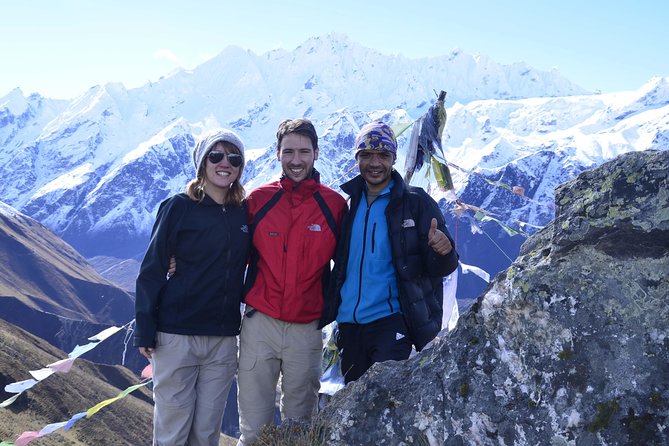
Himalaya views without weeks off work. This trek threads you from Kathmandu’s valley roads into Langtang National Park toward the famous “Valley of Glaciers,” with a mix of high-mountain scenery and Tamang culture that feels grounded, not staged. I especially like how the logistics handle the heavy lifting—pickup, permits, and reliable day flow—while still leaving room to slow down in places like Kyanjin Gompa. One thing to think about: even though it’s not an extreme trek, the hiking is still long on multiple days, and the Tserko Ri summit is a real early-morning effort.
My second big win is the food and tea-house rhythm. You’ll move through small settlements like Tiwari Gaon, Bamboo, Rimche, and spend nights in lodge settings, then balance big views with warm meals. If you like small local touches, the yak cheese factory stop near Kyanjin (and the chance to taste or buy) is the kind of detail that makes the valley feel human, not just scenic.
In This Review
- Key things that make this trek click
- Langtang Valley: a Himalaya trek that fits real schedules
- Price and logistics: what you really get for $860
- Before you go: fitness, gear, and the Tserko Ri reality check
- Day 1: Syabrubesi from Kathmandu’s Prithvi Highway
- Day 2: From Syabrubesi to Lama Hotel through rhododendron and teahouse stops
- Day 3: Langtang Village and the Mundu feel—waterfalls, monasteries, and history
- Day 4: Kyanjin Gompa—monastery culture and expanding valley views
- Day 5: Tserko Ri sunrise and the yak cheese factory in Kyanjin
- Day 6: Retracing upward steps on the way down—faster pace to Lama Hotel
- Day 7: Steep drop to Rimche, then a green walk back to Syabrubesi
- Day 8: The drive back to Kathmandu and a real ending
- Who runs the show: guides, organization, and the human touch
- Should you book this Langtang Valley Trek?
Key things that make this trek click
- Langtang is close to Kathmandu, so the whole trip feels practical for a week-plus window.
- Lodge-and-teahouse style trekking keeps the pace steady instead of survival-mode camping.
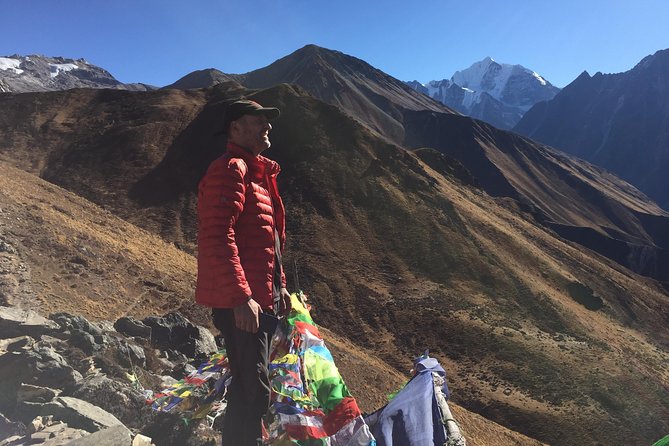
- Kyanjin Gompa brings monastery culture into the hike, not as a side note but as a highlight.
- Tserko Ri is the high point on the route, designed around a payoff sunrise and wide Langtang Range views.
- Local village life still shows through as you pass Mundu’s older homes and now-newer lodges.
- Organization gets praise, including the way staff and guides handle last-minute hiccups (like baggage).
More trails out of Kathmandu, boots ready
- Everest Base Camp Trek – 14 Days★ 5.0 · 1,499 reviews
- Everest Base Camp Trek★ 5.0 · 842 reviews
- Everest Base Camp Trekking★ 5.0 · 485 reviews
- Nagarkot Sunrise View and Day Hiking from Kathmandu★ 5.0 · 471 reviews
Langtang Valley: a Himalaya trek that fits real schedules
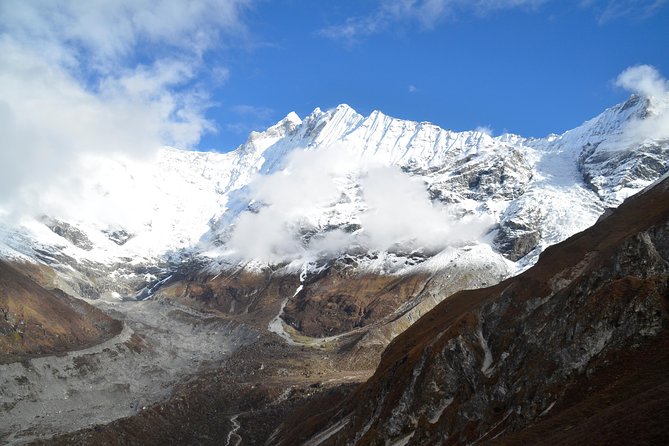
If you want Himalayan scenery without turning your entire life into a long trek logistics project, Langtang works. It’s called the Valley of Glaciers for a reason: the surrounding peaks and ice-fed scenery give you that classic “high and cold” feeling, but the route is structured to be doable for people with moderate fitness.
There’s also an emotional layer here. The Langtang region was heavily affected by the 2015 Nepal earthquake, and the area has been rebuilding steadily. That means your visit supports a landscape that’s still recovering—so go with respect, a patient mindset, and an eye for daily life beyond the postcard views.
And then there’s the location advantage. Starting from Kathmandu keeps everything more manageable. You’re not committing to a remote flight schedule or an all-day maze of connections just to begin hiking. The trekking base gateway, Syabrubesi, is the kind of practical hub where you can reset before you step onto the trail.
Price and logistics: what you really get for $860
At $860, this trek isn’t “cheap,” but it’s also not built like a luxury retreat. The strongest value is what’s already packaged in.
Here’s what you don’t have to scramble for:
- Lodge accommodation during the trek
- Permits and required paperwork handled
- Transportation from the starting and ending point
- Airport transfers
- A professional trek guide
- First aid kit
- Meals: 8 breakfasts, 7 dinners, and 8 lunches
- Sleeping bag and duffel bag provided by Nepal Social Treks Gears (so you’re not forced to buy trek gear you might only use once)
What’s not included (and matters for budgeting):
- Personal expenses like snacks and alcohol
- Gratuities for guide and porter
- International flight ticket
- Nepal entry visa fees (paid directly by you)
- Trekking porter (not included)
So the real question is: can you carry your pack comfortably and plan for tips and visa fees? If yes, you’re paying for a lot of “system” that keeps the days smooth. If no, you’ll want to factor in either hiring a porter separately or traveling with lighter essentials—because on a lodge trek, your weight still matters.
One more perk that’s easy to miss: mobile ticket plus pickup is part of the setup. Small things like this reduce pre-trip stress, especially if you’re coordinating travel from Kathmandu.
Before you go: fitness, gear, and the Tserko Ri reality check
This is marked for moderate physical fitness. Translation: it’s not a couch-to-summit stunt, but it’s also not “walk around and take selfies.” Expect long stretches of hiking most days, with a mix of gradual climbs and some steeper sections.
Altitude-wise, the route includes a clear high point: Tserko Ri is the highest altitude on the trek. The plan builds the day around a payoff sunrise view. That’s fantastic if you like mountain mornings. It also means you should be ready for early starts and for your body to work steadily uphill even when you’d prefer to sleep in.
Gear is partially covered. You’ll have a sleeping bag and a duffel bag for use during the trip. That’s useful if you’re packing light or traveling internationally. Still, you’ll want your own daypack, layers, rain protection, and good footwear. Since a trekking porter is not included, pack smart: bring what you’ll actually use each day, not what sounds good on a gear list.
Finally, think about risk management. In emergencies, travel and medical insurance are not included, so get insurance that covers trekking.
Day 1: Syabrubesi from Kathmandu’s Prithvi Highway
Day one is all about transition. You’ll drive about 7 hours from Kathmandu to Syabrubesi, following the Prithvi Highway. Along the way you pass terraced farms, villages, and rolling hills, with occasional mountain glimpses. You’ll go through places like Galchi and Trishuli Bazaar, then reach Dhunche, which is the district headquarters for Rasuwa District, before continuing to Syabrubesi.
Why this matters: that long drive preps you for the trek mentally. You’re already seeing the region’s rhythm—roads, towns, and farmland—so when you hit the trail the next day, it feels like a continuation rather than a sudden leap into wilderness.
Syabrubesi is also a practical staging town: hotels, guesthouses, restaurants, ATMs, and shops. It’s where you can grab anything you forgot, stretch your legs, and get your bearings fast.




Day 2: From Syabrubesi to Lama Hotel through rhododendron and teahouse stops
The trek begins once you’ve had breakfast and packed up. You cross a small suspension bridge over Ying Yang Khola and move off the main road onto a narrow trail.
The early walking stays gradual: the path runs alongside Langtang Khola, with switchbacks that help your legs settle into trekking mode. Oak and rhododendron trees line much of the route. It’s a nice mix because the valley doesn’t only revolve around “look up at mountains.” You also get to enjoy the living trail details—birds, langurs, and the steady rhythm of footpath travel.
You’ll pass a chain of small teahouse settlements, including Tiwari Gaon, Bamboo, and Rimche. Then the day tightens after Rimche: the trail becomes relatively steep until you reach Lama Hotel for the night.
Practical note: since the biggest effort comes late in the day, pace earlier. Save energy for that Rimche-to-Lama stretch.
Day 3: Langtang Village and the Mundu feel—waterfalls, monasteries, and history
Day three has a cultural-and-scenery combo that makes it memorable. You head toward Langtang village, described as a rocky hillside with waterfalls and intermittent glimpses of Langtang Lirung.
The route keeps you alongside the Langtang River uphill, passing Ghoda Tabela, which is yak pastureland. This area gives you that classic Langtang “working valley” feel: animals, grazing routes, and views of the Langtang Range that show up as you move.
As you walk through villages and monasteries, you arrive in the Tamang community of Langtang. Then you get a quick connection to Mundu, only about a 30-minute walk away.
Mundu stands out because of what you can see: older houses remain, acting like reminders of how these villages looked before rebuilding. Many lodges and homes around here are more contemporary now, which gives you a visible before-and-after sense of the region’s recovery.
Day 4: Kyanjin Gompa—monastery culture and expanding valley views
After Mundu, you leave the village area and hike along a path with a gentle incline through yak pastures. As you go, the valley opens more, and the views stretch out. You’ll pass villages, water mills, and chortens, and you’ll notice prayer flags, wheels, and small dwellings along the way.
Kyanjin Gompa is the day’s big draw. It’s an important monastery for locals, so you’re not just walking past a landmark. You’re stepping into a place where Buddhist culture is part of daily visibility—flags, spiritual markers, and community-built spaces.
Once you arrive, you’ll have time to relax in the afternoon or explore up the valley toward Langshisha Kharka, if you feel like earning extra viewpoints.
The main drawback here is simple: you might find it hard to leave. The combination of altitude air and steady monastery atmosphere makes the afternoon linger.
Day 5: Tserko Ri sunrise and the yak cheese factory in Kyanjin
This is the payoff day. You hike up to Tserko Ri, the highest altitude on the trek, traveling through pastures with yaks.
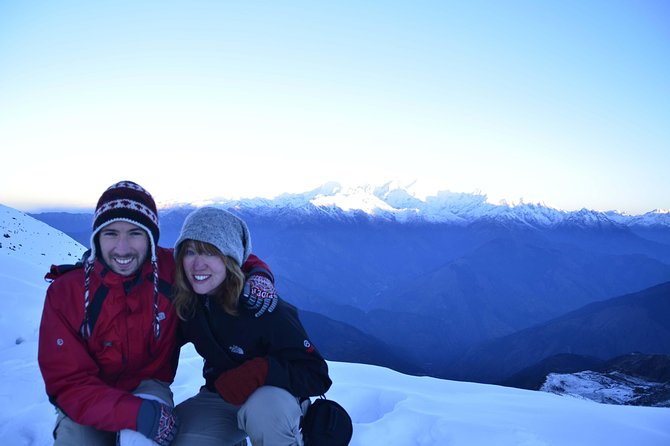
When you reach the top, the plan centers on a spectacular sunrise and wide views of the Langtang Range. Sunrise hikes are always a trade: you give up sleep, and you get clean light plus mountain scale. Here, that trade is worth it if you like big early-morning scenery.
Afterward, you hike back to Kyanjin and explore the village. Then comes one of the most practical, fun local stops: the chance to visit the yak cheese factory, try some cheese, and purchase it if you want a souvenir that actually reflects what you saw.
If you’re food-motivated, this day nails it. If you’re not, it still adds texture to your trek so the days don’t blur into only “mountains and motion.”
Day 6: Retracing upward steps on the way down—faster pace to Lama Hotel
Day six is about using yesterday’s route in reverse. Starting from Kyanjin, you retrace your steps down through the valley along Langtang Khola toward Mundu, then continue to Ghoda Tabela.
The descent is described as quicker than the ascent. That’s good for time, but remember: faster downhill can still be hard on knees. Move carefully, take your time on footing, and don’t treat downhill like a victory lap.
After lunch, you keep descending to Lama Hotel, where you’ll spend the night. This mid-trek “reset” matters because it breaks up the days so you don’t end up with one super long final descent only.
Day 7: Steep drop to Rimche, then a green walk back to Syabrubesi
Your last full trekking day follows a clear rhythm: a steep descent to Rimche, then a more gradual path down to Syabrubesi.
The trail remains lined with oak and rhododendron, and the route offers views of Langtang Khola as you walk. You might also spot exotic birds and animals, which helps the descent feel alive rather than purely mechanical.
You’ll pass through villages again and then return to the “civilization” stage: Syabrubesi. Before reaching the bazaar you cross a suspension bridge, and then you connect to the motorway.
This day is often mentally tricky: you’re tired, excited, and sometimes oddly emotional because the trek is ending. If you can, keep your focus on the immediate next hour rather than thinking too far ahead.
Day 8: The drive back to Kathmandu and a real ending
You’ll break for breakfast, then drive back from Syabrubesi to Kathmandu along the same route. During the drive, you’ll get scenic views of the countryside again, which is a nice way to close the loop.
Once in Kathmandu, you’ll be transferred to your hotel and then have time for an unhurried evening. If you’ve got energy, this is a great moment to eat something that doesn’t taste like tea-house trekking survival.
Who runs the show: guides, organization, and the human touch
The trek is run by Nepal Social Treks and Expedition, and you’ll have a professional trek guide. The standout theme tied to this operator’s reputation is coordination that feels responsive—especially when things get messy.
People have praised guides like Santabir and Sandip Aryal for attentiveness and professionalism, plus operators staff such as Kamal and Santa for handling communication smoothly before and during the trip. There’s also mention of flexibility and adaptability with changing needs—something you’ll appreciate if weather or timing forces minor adjustments.
For you, the practical takeaway is simple: a good guide reduces friction. You spend more energy on walking and less energy on sorting out what comes next. And since this is a private tour/activity with only your group, you won’t be squeezed into a giant herd.
Should you book this Langtang Valley Trek?
Book it if you want a classic Himalaya trek that stays practical from Kathmandu, with lodge comfort, meals included, and a route designed around real highlights like Kyanjin Gompa and Tserko Ri sunrise. It’s also a strong choice if you like culture as much as scenery—Tamang villages, monasteries, prayer flags, and even the yak cheese factory add meaning to the walking.
Skip or plan differently if you know you struggle with long hiking days or if the idea of carrying your own gear (since a trekking porter isn’t included) sounds stressful. Also budget for your visa fee and tips, and make sure your insurance covers trekking.
If you hit those boxes, this trek is one of the most balanced ways to see Langtang while keeping your week intact.
More Trekking Out of Kathmandu






More Tour Reviews in Kathmandu




Just Reviewed in Kathmandu
- Mountain Bike Tour
★ 5.0 · 3 reviews - Annapurna Panaroma
★ 5.0 · 3 reviews - Mount Everest Scenic Flight 50 Minutes
★ 5.0 · 3 reviews - Kathmandu : Swambhunath & Durbar Square Guided Half Day Tour
★ 3.3 · 3 reviews - Chandragiri Cable Car & Monkey Temple Tour – Private/Group
★ 5.0 · 3 reviews - Kathmandu: Shivapuri National Park Hiking Day Trip
★ 3.3 · 3 reviews
Langtang Valley Treks, compared.
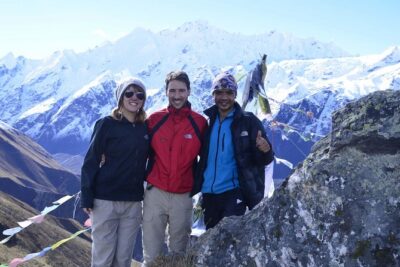 ★ 5.0Langtang Valley TrekFrom $555140 reviews
★ 5.0Langtang Valley TrekFrom $83061 reviews
Langtang Valley TrekFrom $70050 reviews
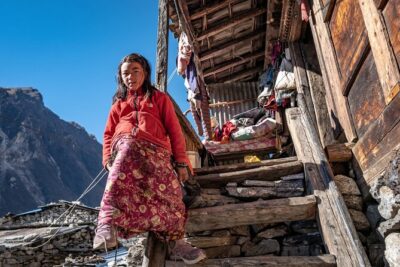 ★ 5.08 Days Tour in Langtang Valley TrekFrom $69845 reviews
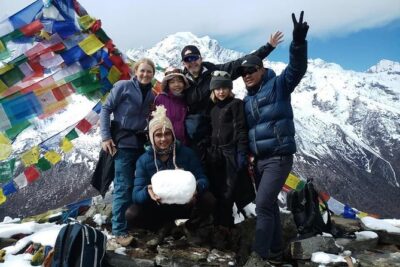 ★ 5.0Private 8 – Day Langtang TrekkingFrom $58429 reviews
★ 5.0Langtang Valley TrekFrom $1,00023 reviews
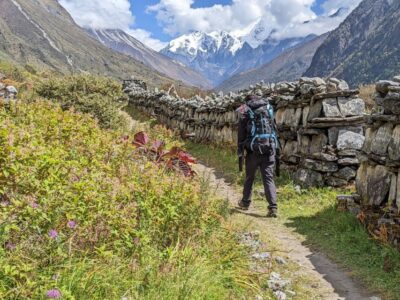 ★ 5.06-Day Limitless Langtang TrekFrom $18121 reviews
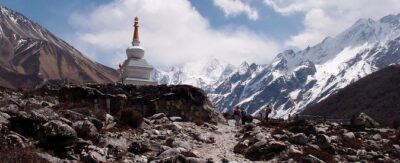 ★ 5.0Langtang Valley TrekkingFrom $75020 reviews
Browse the lists this tour appears in