
Review · LANGTANG VALLEY TREKS
Langtang valley trek
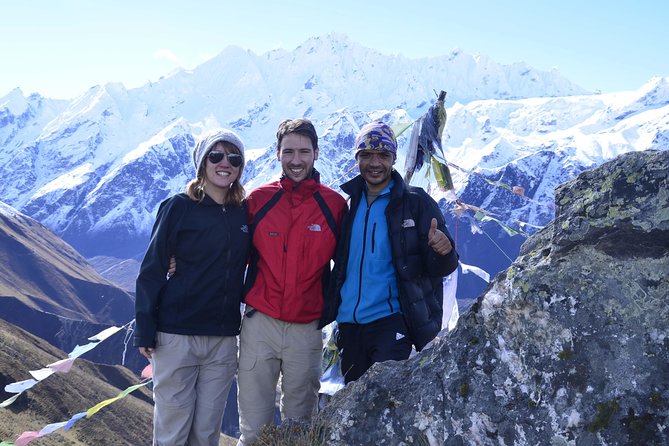
Langtang has a way of getting under your skin. This trek mixes forest hiking, high-mountain monasteries, and real village life around Langtang National Park. I like that it’s built around specific highlights like Kyangjin Gompa and the side trip options from there, not just generic “views all day” promises.
Two things I really appreciate: you get a government-licensed English-speaking guide with a team of porters and staff, and you’re provided gear for cold nights (down jacket and a sleeping bag). One consideration: it’s not a low-effort walk. You’ll be dealing with long days on trail and sleeping at altitude, so plan for a moderate fitness level and slow pacing.
In This Review
- Key points
- Langtang Valley’s specific magic: forests, monasteries, and high pastures
- Getting into the trek: Kathmandu to Syabrubesi, then Lama Hotel
- Day-by-day rhythm: Langtang village and the change from “forest hike” to “valley trek”
- Kyangjin Gompa: the monastery stop that actually changes the day
- Tserko Ri and the sunrise trade: early starts, then monastery and yaks
- Yala Cheese Factory and the lakes: a half-day side quest with real personality
- Langsisa pastures and the option to visit local huts
- Heading back: Lama Hotel retrace, Syabrubesi hot springs, and what the downhill really does
- Guesthouses, meals, and the comfort level you can expect
- Price and what $995 buys you (and what it doesn’t)
- Who should book this trek, and who should think twice
- Should you book with Outshine Adventure Pvt Ltd for Langtang Valley?
- FAQ
- How long is the Langtang Valley trek?
- Where does the trek start?
- Is transportation from Kathmandu included?
- Do you get a guide?
- Are permits included?
- What gear is provided?
- What meals are included?
- Is travel insurance required, and is there cancellation coverage?
Key points
- Kyangjin Gompa and monastery time: a spiritual stop with serious mountain views
- Tserko Ri sunrise: early start, big payoff, then back down to explore and rest
- Yala Cheese Factory + small lakes: a memorable half-day outing from Kyangjin Gompa
- Forest-to-village trekking feel: bamboo, rhododendron, pine, then Tamang settlements
- Gear support included: down jacket and sleeping bag help you hike smarter, not just heavier
- Small group size (max 14): easier to move as a crew on narrow trails
More trails out of Kathmandu, boots ready
- Everest Base Camp Trek – 14 Days★ 5.0 · 1,499 reviews
- Everest Base Camp Trek★ 5.0 · 842 reviews
- Everest Base Camp Trekking★ 5.0 · 485 reviews
- Nagarkot Sunrise View and Day Hiking from Kathmandu★ 5.0 · 471 reviews
Langtang Valley’s specific magic: forests, monasteries, and high pastures
Langtang Valley trekking is the kind of trip where the day-to-day changes keep you awake in the best way. You start with a drive out of Kathmandu toward Syabrubesi, then walk through forest paths that feel lived-in and alive, and eventually you reach Buddhist monastery spaces where the whole valley quiets down around you.
I also like the pace design. You’re not pushed into constant maximum effort. The route gives you forest climbs and descents, then it gives you a reason to wake up early for Tserko Ri and a reason to slow down around Kyangjin Gompa and beyond.
One more thing: this is a park trek with real cultural texture. You’re walking through places tied to local pastoral life—yak pastures, tea-house stops, and villages where you’ll see how people live with the mountains, not just tour them.
Getting into the trek: Kathmandu to Syabrubesi, then Lama Hotel
Your first big transition is leaving Kathmandu in the morning and reaching Syabrubesi, the common starting point for Langtang Valley treks. On clear days, you may catch outstanding views of Manaslu, Annapurna, and Ganesh Himal on the way out. That matters because it sets expectations: this route isn’t flat, and the sky can reward you fast if weather cooperates.
From there, day two is all about warming up the body the right way. You climb through forest for around two hours, then add another climb toward Bamboo village (about 1,850m). After lunch, you steeply climb again through the bamboo forest to reach Lama Hotel (around 2,560m) for an overnight at a local teahouse.
Why this first hiking day is a smart setup: it teaches your legs to handle altitude without throwing you into high passes immediately. If you keep your pace easy, you’ll arrive at Lama Hotel with enough energy to sleep well and not get grumpy about the next day’s climb.
Day-by-day rhythm: Langtang village and the change from “forest hike” to “valley trek”
Day three shifts you toward Ghoda Tabela and then on to Langtang village (around 3,455m). The trail follows rhododendron and pine forest for hours, which means your route feels more like a steady walk than a constant scramble. You stop for lunch at Ghoda Tabela and you’re in a dense wild habitat area where you may notice small birds and herbal plants along the trail.
Then you reach Langtang village and relax for the evening. That transition is key for most people: after two days of moving upward, the chance to settle matters. You get to take in the valley rhythm and understand how the next section will feel as altitude climbs.
Day four continues into the heart of the main payoff: the walk toward Kyangjin village and then Kyangjin Gompa (around 3,740m). You’ll pass mountain surroundings with views and cultural/spiritual stops along the way, and you reach the monastery area where the scenery turns more dramatic as the day goes on.
A practical note: Kyangjin is also where your schedule gets flexible. From this base, you can make time for additional sights like the Yala Cheese Factory and nearby small lakes (described as reachable within about half a day from Kyangjin Gompa). If you like packing your days with meaning, this is where you do it.
Kyangjin Gompa: the monastery stop that actually changes the day
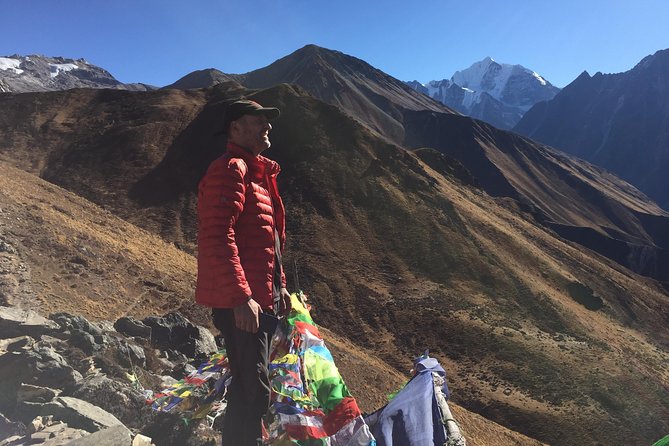
Kyangjin Gompa isn’t just a photo stop. It’s a sacred Buddhist monastery, and it’s the kind of place where the mountains feel closer and the valley feels more personal. Plan to spend time there, not just pass through. Even if you’re not a dedicated temple visitor, you’ll likely appreciate the calm and the way the space frames the glaciers and peaks.
Day four gives you the chance to visit the monastery after arriving, while day five gives you more time to return to the Gompa after your climb.
This is also where you may connect the dots on the region’s geography. You learn the valley has systems: yak pastures, glaciers feeding higher zones, and small living clusters that sit in relation to big natural features. It’s not random hiking. It’s a map made of steps.




Tserko Ri and the sunrise trade: early starts, then monastery and yaks
Day five is the “wake up early” day. The trail passes through yak pastures as you ascend toward Tserko Ri. The sunrise view from the top is described as extraordinary, and then you head back down to Kyangjin Gompa by late afternoon.
This day is a classic trekking bargain: you spend early energy, then you buy back the day with views and calmer time at the monastery. After returning, you explore the monastery while enjoying views of Himalayas, glaciers, birds, and yaks.
If you’re someone who hates early mornings, be honest with yourself here. You can still enjoy the day, but you won’t get the same reward without the sunrise climb. If you’re flexible and like that first light magic, this is often the memory that anchors the whole trip.
Yala Cheese Factory and the lakes: a half-day side quest with real personality
One of the standout route mentions is visiting the Yala Cheese Factory and the small lakes, described as truly amazing and reachable within about half a day from Kyangjin Gompa.
Even without turning it into a long detour, this kind of add-on gives your trek a different angle. You’re not only moving through high altitude scenery; you’re connecting with local production and daily mountain economy. It’s the sort of stop that makes the trip feel grounded, not just scenic.
There’s also an interesting nearby detail: a STOL airstrip at Chhaldang (short distance east of Kyangjin). It’s the kind of fact you’ll only hear on treks in this region, and it reminds you that remote areas are still connected—just not in the way big cities are.
Langsisa pastures and the option to visit local huts
After the Kyangjin Gompa section, the trek narrative includes the pastures of Langsisa (around 4,084m) leading to numerous glaciers. It also notes that if you want to visit local people, some huts in Langsisa can be reached within about one day’s walk from Kyangjin Gompa.
In practical terms, this means you’ll have the chance to choose your intensity. If you want a more people-focused experience, you can aim for the nearby hut visits. If you want a more standard itinerary, you can keep your time centered around the Gompa base and the main return route.
Either way, you’ll be walking through zones where life is seasonal and carefully tied to grazing and weather. That’s part of why Langtang feels distinct: you’re not just hiking to a viewpoint; you’re moving through working mountain space.
Heading back: Lama Hotel retrace, Syabrubesi hot springs, and what the downhill really does
Day six retraces steps to Lama Hotel. Most of the trekking today is downhill through forests and Tamang villages, and you get different views of the Himalayas that you might have missed on the way up.
Downhill sounds easy. It’s not always easy on your body. If you’ve got knee issues, you’ll want trekking poles and good foot habits. The upside is mental: downhill usually feels faster, and it helps you recover from the earlier climbs.
Day seven is back toward Syabrubesi, easier because it’s mostly descent. You overnight in Syabrubesi, and the route highlights Syabrubesi hot springs as a recovery option.
That’s one of those simple “why this matters” details. After days of walking, you want a way to reset. A hot spring evening gives you something concrete to look forward to on the final trekking night.
Guesthouses, meals, and the comfort level you can expect
This trek is centered on “best available guesthouses” during the walking days. That usually means you’re sleeping somewhere simple but functional, and you’ll be relying on staff and your guide to make the route smooth rather than improvising lodging day by day.
Meals are included and counted as: breakfast (8), lunch (8), and dinner (7). Having meals handled is a big value piece for trekkers, because your time and decisions get reduced. Instead of figuring out what’s open where, you focus on your pace.
Also included are a down jacket and sleeping bag via Outshine Adventure. For me, this is a quality-of-experience upgrade because it reduces the hassle and risk of arriving underprepared for cold nights. If you’ve ever packed the wrong warmth level, you already know how fast that can ruin sleep and motivation.
Price and what $995 buys you (and what it doesn’t)
At $995 per person for about 8 days, this is positioned as a guided, supported trek with gear and key permits included. The value isn’t just the mountain walking. It’s the logistics: government-licensed English-speaking guide, staff/porters for luggage, and the necessary Langtang National Park permits plus TIMS card.
You also get surface transfer from and to Kathmandu by tourist bus, plus pickup offered. That reduces the “how do I get there” stress that often steals energy from people who are already tired.
What’s not included is also clear: travel insurance, alcohol and drinks, laundry, and tips for staff and driver. Tipping is expected, so plan a budget for it even if you try to keep the rest of the trip costs tight.
One more reality check: you’ll need a moderate physical fitness level. This price includes support, but it doesn’t magically change the altitude or the time on your feet.
Who should book this trek, and who should think twice
This trek is a great fit if you want a classic Langtang experience with real highlights: Kyangjin Gompa, a sunrise climb to Tserko Ri, and the chance to add Yala Cheese Factory and lakes. It’s also ideal if you’d rather spend your energy hiking than negotiating lodging and permits.
You’ll also appreciate the small group size (maximum 14). That usually makes it easier to keep the pace comfortable and makes the trek feel more like a team than a crowd.
Think twice if you know you strongly dislike early starts. Day five requires getting up early for Tserko Ri. Also consider whether you have knee or mobility limitations, since downhill days still mean a lot of hours on your feet and legs absorb impact on descents.
Should you book with Outshine Adventure Pvt Ltd for Langtang Valley?
Based on the structure and support details, I’d consider this a solid booking choice if you want: a licensed guide, luggage support, permits handled, and cold-weather gear sorted. The included down jacket and sleeping bag are especially helpful, and the itinerary puts its energy into a few meaningful places rather than spreading you thin.
The reviews attached to this operator also point to good responsiveness from the people coordinating logistics. Names that come up include Gokul and Asmita for planning help, and guides such as Bikram for on-trail leadership. That kind of consistency matters on a trek where the small things—timing, clarity, and readiness—affect comfort more than you might expect.
If you want a trek that balances wilderness walking with culture (monastery time, village routes) and with practical support, this one checks many boxes.
FAQ
How long is the Langtang Valley trek?
It’s listed as 8 days approximately.
Where does the trek start?
You drive from Kathmandu to Syabrubesi, which is the departure point for the trek.
Is transportation from Kathmandu included?
Yes. Surface transfer from and to Kathmandu is included by tourist bus, and pickup is offered.
Do you get a guide?
Yes. A local government-licensed English-speaking guide is included during the trek.
Are permits included?
Yes. Langtang National Park permits and TIMS card requirements are included.
What gear is provided?
Outshine Adventure provides a down jacket and a sleeping bag.
What meals are included?
Breakfast is included 8 times, lunch 8 times, and dinner 7 times.
Is travel insurance required, and is there cancellation coverage?
Travel insurance is not included, and tips are expected for staff and driver. The experience has free cancellation: you can cancel up to 24 hours in advance for a full refund.
If you tell me your trekking experience level and whether you’re comfortable with an early sunrise hike, I can help you judge if the Tserko Ri day will fit your style.
More Trekking Out of Kathmandu






More Tour Reviews in Kathmandu




Just Reviewed in Kathmandu
- Mountain Bike Tour
★ 5.0 · 3 reviews - Annapurna Panaroma
★ 5.0 · 3 reviews - Mount Everest Scenic Flight 50 Minutes
★ 5.0 · 3 reviews - Kathmandu : Swambhunath & Durbar Square Guided Half Day Tour
★ 3.3 · 3 reviews - Chandragiri Cable Car & Monkey Temple Tour – Private/Group
★ 5.0 · 3 reviews - Kathmandu: Shivapuri National Park Hiking Day Trip
★ 3.3 · 3 reviews
Langtang Valley Treks, compared.
 ★ 5.0Langtang Valley TrekFrom $555140 reviews
★ 5.0Langtang Valley TrekFrom $83061 reviews
Langtang Valley TrekFrom $70050 reviews
 ★ 5.08 Days Tour in Langtang Valley TrekFrom $69845 reviews
 ★ 5.0Private 8 – Day Langtang TrekkingFrom $58429 reviews
★ 5.0Langtang Valley TrekFrom $1,00023 reviews
 ★ 5.06-Day Limitless Langtang TrekFrom $18121 reviews
★ 5.0Langtang Valley TrekFrom $56020 reviews
Browse the lists this tour appears in