
Review · LANGTANG VALLEY TREKS
Langtang Valley Trek
Langtang Valley delivers Himalaya views fast, without the chaos of a mega-tour. You start near Syabrubesi, then work your way through bamboo and rhododendron forests toward the Valley of Glaciers, where Langtang peaks look close enough to touch. I also like how the trip is organized around real trekking rhythms—walk, lodge, eat, repeat—so you’re not constantly resetting plans.
What I truly love is the combination of big scenery and specific places that feel lived-in: Kyanjin Gompa with old monasteries, and the chance to visit the cheese factory there. It’s not just a viewpoint day; it’s a cultural stop at the edge of the human trail.
In This Review
- One Consideration Before You Commit
- Quick Hits You’ll Actually Use
- Why Langtang Feels Special for People Who Want More Than Views
- Kathmandu Arrival Day: Comfort Comes First
- The Kathmandu to Syabrubesi Jeep Ride: The First Real Boundary
- Forest Trek Days: Lama Hotel and the Village-to-Valley Feeling
- Kyanjin Gompa: Where the Trek Turns Into a Destination
- Tserko Ri (5000m): The Walk That Can Feel Like a Test
- Turning Back: Lama Hotel and the Descent Calm
- Back in Kathmandu: Thamel Time and a Clean Exit
- Price and Value: $850 Buys Structure, Permits, and Meals
- Guides, Food, and How the Trek Actually Runs Day to Day
- Who Should Choose This Trek (and Who Might Not)
- Should You Book the Langtang Valley Trek?
- FAQ
- What’s the total duration of the Langtang Valley Trek?
- Where does the trek start and what’s the first transport leg like?
- What’s included for meals and lodging during the trek?
- Do I get to see Kyanjin Gompa and what can I do there?
- Is WiFi or hot shower access included during the trek?
- Can I cancel for a full refund?
One Consideration Before You Commit
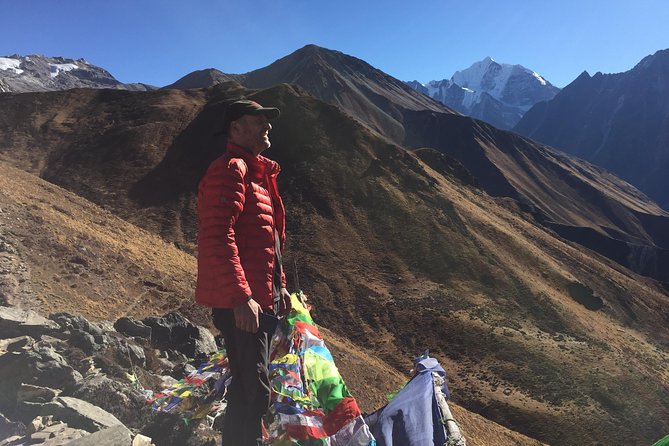
If you’re not used to altitude, plan to take the climbs slow—especially anything that pushes toward Tserko Ri (5000m). Even when days are described as short, the thin air can make simple walking feel like work.
More trails out of Kathmandu, boots ready
- Everest Base Camp Trek – 14 Days★ 5.0 · 1,499 reviews
- Everest Base Camp Trek★ 5.0 · 842 reviews
- Everest Base Camp Trekking★ 5.0 · 485 reviews
- Nagarkot Sunrise View and Day Hiking from Kathmandu★ 5.0 · 471 reviews
Quick Hits You’ll Actually Use
- Kyanjin Gompa at the end of the road: last human settlement vibes, with monasteries and a cheese factory.
- Rhododendron + forest hiking: bamboo, oak, pine, and the national flower of Nepal along the trail.
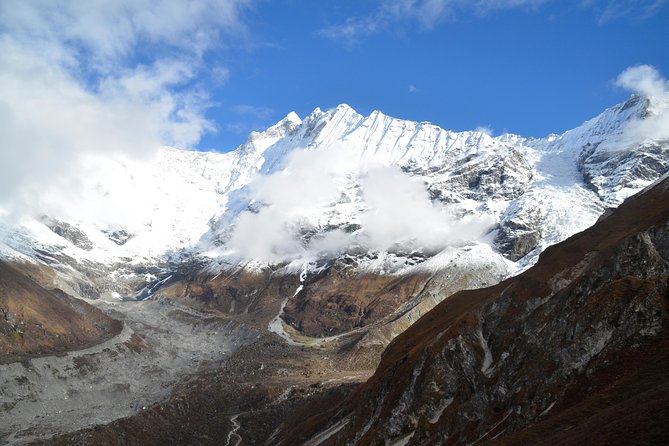
- Glacier payoff built in: Langtang glaciers show up repeatedly, not just on one “photo day.”
- Tserko Ri (5000m) optional-style effort: panoramic views that come after a real climb.
- Solid guiding, with real named pros: guides like Prakash, Bishal, Buddhi, and Ganesh show up repeatedly in successful trips.
- Lodge-to-lodge pacing: everyday 3 meals on trek keeps your energy management straightforward.
Why Langtang Feels Special for People Who Want More Than Views
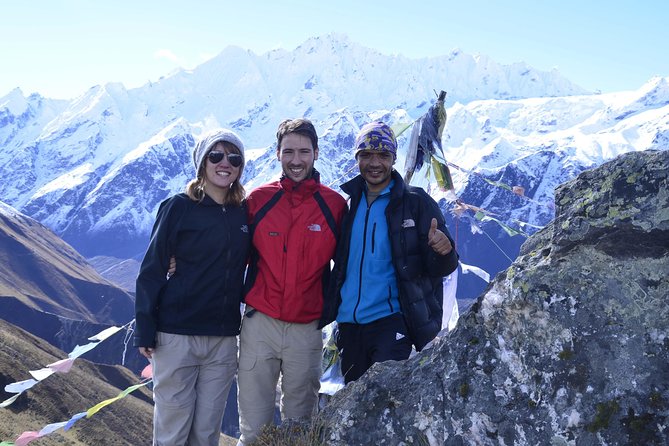
Langtang sits close to Kathmandu, but the terrain doesn’t feel “nearby.” It feels like you’ve stepped into a Tibetan-highlands mood: high valleys, monasteries, and mountain peaks (Langtang Lirung, Langtang Ri, Dorje Lakpa, Langshisa Ri, Langtang Himal) rising around you. If you’re chasing wilderness plus culture, this is one of Nepal’s better matches.
What makes it work for me is the way the trek builds momentum. You start by moving up through forested valleys, then you get the payoff: glacier origins from the Himalayas and the sense of being surrounded by ice. The route also includes pastureland and Tamang village life, so it’s not only rock and snow.
Kathmandu Arrival Day: Comfort Comes First
Your trip begins when you land at Tribhuvan International Airport. An airport representative meets you outside the terminal, then you’re transferred to a hotel by private vehicle.
On the evening side, there’s a welcome dinner at a typical local restaurant with a cultural dance show. That matters more than it sounds. After long travel, it helps you get your bearings fast—food, simple orientation, and a gentle cultural intro before you head into the mountains.
You’ll also have two nights in Kathmandu with breakfast included. That gives you time to sleep normally, take care of last-minute gear, and handle anything that needs fixing before the trek begins.
The Kathmandu to Syabrubesi Jeep Ride: The First Real Boundary
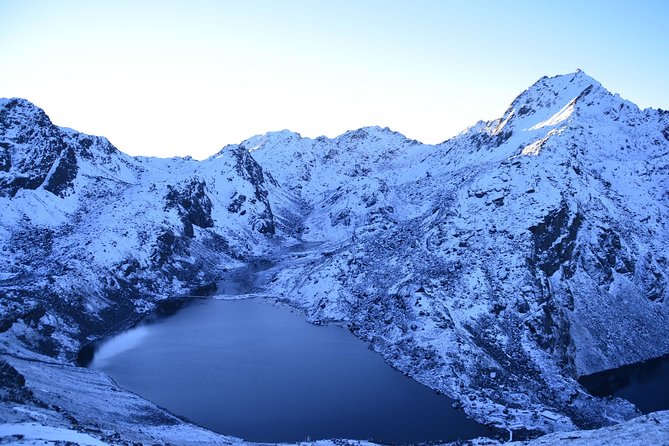
The big shift happens on day 2: you drive from Kathmandu to Syabrubesi, about 7 hours by local jeep. This is not just transport; it’s your first taste of the region’s views. Along the way, the route runs past the Trisuli River and you can catch glimpses of Ganesh Himal and Tibet-peaks energy, plus terraces and green hills.
A jeep day is also a good gut check. You’ll feel how bumpy roads can be, so you’ll know whether you’ll want to pack extra comfort items (like seat cushioning or anything that helps your back). You also arrive at a trailhead area around 1500m, which is a helpful altitude starter point.
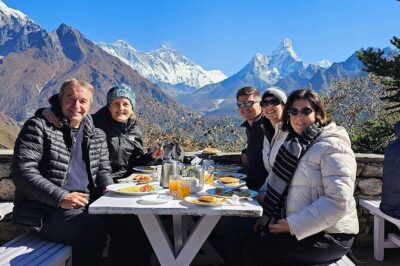
Forest Trek Days: Lama Hotel and the Village-to-Valley Feeling
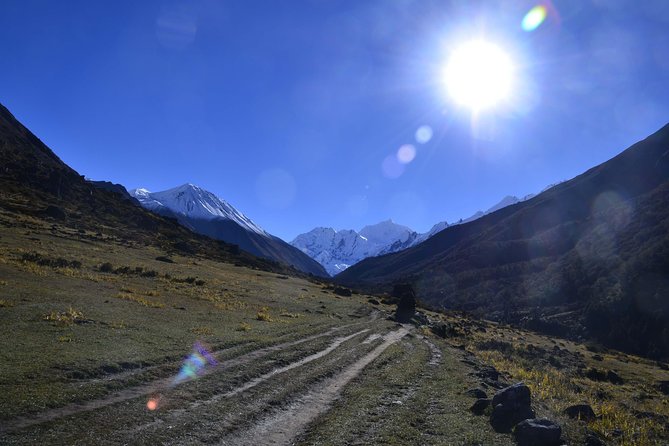
From Syabrubesi, you begin your first trek day toward Lama Hotel. The trail follows the Langtang River and weaves through dense forest, crossing suspension bridges and going up-and-down as you go. The walking is classic trekking work: steady effort, changing sounds (water, birds, feet on stone), and frequent little pauses to check your footing.
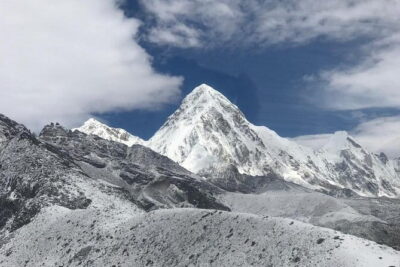
Then comes day 4, heading through rhododendron, oak, and pine forests. This is where Langtang starts to feel like a living ecosystem rather than a postcard. As you hike, you get views of snow peaks in the distance and a valley with grazing livestock—yaks, cows, sheep, goats, and horses.
You also reach an area associated with Langtang village, described as one of the older villages along the trail. For me, what makes village days valuable is the realism: you pass everyday life that isn’t designed for tourists. It gives your trek a sense of place, not just elevation.
Kyanjin Gompa: Where the Trek Turns Into a Destination
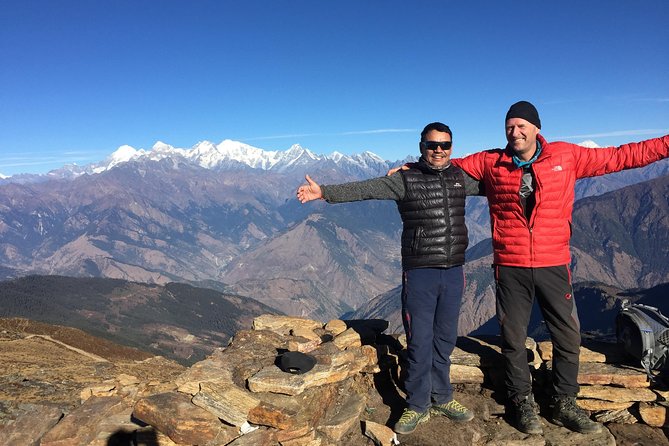
Day 5 is a short, easier trek to Kyanjin Gompa. Expect about 3 hours, and the big reason this stop matters is that it’s the last human settlement in the Langtang Valley. You’re not walking to another road; you’re walking to the edge of where people live close to the mountains.
At Kyanjin, you can visit the cheese factory and buy some cheese—produced locally and noted as famous across Nepal. You’ll also find monasteries carrying the religious values of people in the region. Even if you don’t go in for long, seeing how the spiritual life ties into daily routines helps you understand why the mountains matter here.
Then day 6 is all about staying put and exploring. You’ll sightsee around Kyanjin Gompa, visiting old Buddhist monasteries and walking for views of icy cones of Langtang peaks and glaciers that originate from the Himalayas. This is one of the most meaningful parts of the trek because it slows you down. Instead of racing for distance, you let the place unfold.
Tserko Ri (5000m): The Walk That Can Feel Like a Test
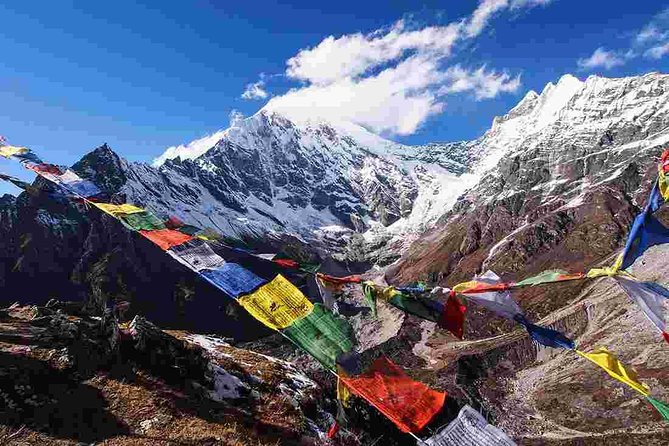
One optional (but highly recommended if you’re able) add-on is a walk up to Tserko Ri (5000m). You’ll get panoramic views of Langtang glaciers and Langshisha Kharka, the yak pasture land that looks like it belongs to another climate.
I want you to treat this as the “legs and lungs day.” Even when the rest of the trek is described as easy or short, climbing toward 5000m can feel more demanding than the clock suggests. In plain terms: pace matters. If you’ve ever rushed uphill and then regretted it, you already know the drill—keep it slow, breathe, and don’t try to win a race you never agreed to.
Turning Back: Lama Hotel and the Descent Calm
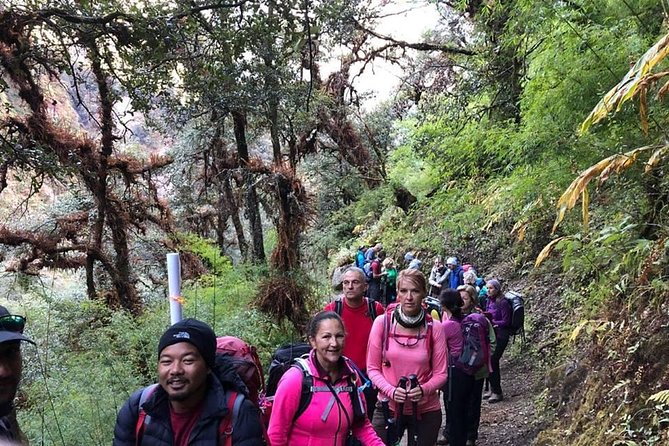
On day 7, you head downhill back to Lama Hotel for about 6 hours. This is a nice change of pace. Downhill hiking tends to feel easier in terms of breathing, but it can still wear out your knees and shins, so good footwear and careful steps help.
Day 8 continues the descent to Syabrubesi in about 6 hours. The walking goes through lush green vegetation and through Tamang settlements again. The descent days are also great for watching how your environment changes as altitude drops. You may notice the forest feel thicker, the air warmer, and the overall pace of life looking more relaxed.
Back in Kathmandu: Thamel Time and a Clean Exit
After breakfast on day 9, you take a local jeep or bus from Syabrubesi back to Kathmandu—around 7 hours. You’re dropped at your hotel so you can freshen up, then you have free time in Thamel for shopping or eating.
This is a practical finish. Trekking days can make you a bit “out of bandwidth,” so having a buffer time in the city helps you feel human again—plus it’s a good spot to pick up anything you realized you needed during the trek (sunscreen, socks, or a replacement layer).
Day 10 is straightforward: you’ll be dropped off at the International Airport for your flight.
Price and Value: $850 Buys Structure, Permits, and Meals
At $850 per person, the value mostly comes from what’s handled for you:
- Permits and essential entry fees are included.
- You get an experienced Nepal government authorized trekking guide.
- Your trek lodges and three meals a day are included while hiking.
- Local jeep transport handles the Kathmandu–Syabrubesi–Kathmandu legs.
- You also get first aid support (medical kit box), plus a trip achievement certificate.
Where value can vary for different people is what you personally already have. If you already own a sleeping bag and strong cold-weather layers, your expenses might feel tighter. If you need gear support, the operator says they can provide a company duffel bag and sleeping bag if needed.
What you should still budget for outside the package: Nepal entry visa fees, international airfare, WiFi/hot showers/charging during the trek, and porter services if you want one (tips for trekking crews are also not included). If you’re expecting hotel-style amenities up in the mountains, you’ll be disappointed—this is a lodge trek, not a resort.
Guides, Food, and How the Trek Actually Runs Day to Day
Organization is a big deal on a trek like this. In multiple successful trips, guides such as Prakash, Bishal, Buddhi, Zagat, and coordination by Ganesh show up as reasons people felt safe and supported. That’s not just personality; it’s route knowledge, pacing judgment, and making sure plans fit weather and your group’s energy.
You’ll also be on local lodges during the trek, and the daily rhythm is set with breakfast, lunch, and dinner. That matters because it reduces decision fatigue. You’re not constantly negotiating where to eat, and you can plan your day around walking time rather than hunting for meals.
One other small-but-real win: you’ll carry a first aid medical kit box. It’s not a guarantee of anything, but it signals the basics are covered.
Who Should Choose This Trek (and Who Might Not)
This trek is positioned for people with moderate physical fitness. If you can handle hours of hiking at altitude and you’re willing to take it slow on climbs, you’ll likely enjoy it. The route includes forest hiking, river-following trail sections, and a climb day toward 5000m.
It may be less ideal if:
- You’re hoping for very easy walking the whole time. Even with “short” days, altitude and the Tserko Ri climb can be tough.
- You need frequent creature comforts like hot showers and charging. Those are not part of what’s included.
- You strongly prefer totally private logistics with no shared group elements. The tour states it’s private for your group, but it also mentions group discounts, so it depends on how they structure departures.
Should You Book the Langtang Valley Trek?
If you want a Himalaya trek that feels culturally rooted and glacier-focused, I’d put Langtang Valley Trek near the top of your shortlist. The standout combination for most people is Kyanjin Gompa (monasteries plus cheese factory stop) paired with glacier views and a summit-day effort toward Tserko Ri.
Book it if: you’re ready for real hiking days, you can pace yourself at altitude, and you like the idea of lodge-based trekking with everything core handled.
Consider another option if: you’re chasing a mostly flat walk, you need consistent high-end amenities, or you’re not confident managing the climb toward 5000m.
FAQ
What’s the total duration of the Langtang Valley Trek?
The trek runs for 10 days (approx.), including time in Kathmandu before and after the hiking portion.
Where does the trek start and what’s the first transport leg like?
You’ll start in Kathmandu, then take a private jeep/local jeep ride to Syabrubesi (about 7 hours). After the trek, you’ll travel back to Kathmandu (about 7 hours).
What’s included for meals and lodging during the trek?
During the trekking days, you get everyday 3 meals (breakfast, lunch, dinner) and local lodges accommodation.
Do I get to see Kyanjin Gompa and what can I do there?
Yes. You’ll trek to Kyanjin Gompa, where you can visit old Buddhist monasteries and also visit the cheese factory to buy local cheese.
Is WiFi or hot shower access included during the trek?
No. WiFi, hot shower, and charging during the trek are not included.
Can I cancel for a full refund?
Yes. You can cancel up to 24 hours in advance for a full refund, based on local time for the experience start.
More Trekking Out of Kathmandu
More Tour Reviews in Kathmandu
Just Reviewed in Kathmandu
- Mountain Bike Tour
★ 5.0 · 3 reviews - Annapurna Panaroma
★ 5.0 · 3 reviews - Mount Everest Scenic Flight 50 Minutes
★ 5.0 · 3 reviews - Kathmandu : Swambhunath & Durbar Square Guided Half Day Tour
★ 3.3 · 3 reviews - Chandragiri Cable Car & Monkey Temple Tour – Private/Group
★ 5.0 · 3 reviews - Kathmandu: Shivapuri National Park Hiking Day Trip
★ 3.3 · 3 reviews
Langtang Valley Treks, compared.
 ★ 5.0Langtang Valley TrekFrom $555140 reviews
★ 5.0Langtang Valley TrekFrom $83061 reviews
Langtang Valley TrekFrom $70050 reviews
★ 5.0Langtang Valley TrekFrom $555140 reviews
★ 5.0Langtang Valley TrekFrom $83061 reviews
Langtang Valley TrekFrom $70050 reviews
 ★ 5.08 Days Tour in Langtang Valley TrekFrom $69845 reviews
 ★ 5.0Private 8 – Day Langtang TrekkingFrom $58429 reviews
★ 5.0Langtang Valley TrekFrom $1,00023 reviews
★ 5.0Private 8 – Day Langtang TrekkingFrom $58429 reviews
★ 5.0Langtang Valley TrekFrom $1,00023 reviews
 ★ 5.06-Day Limitless Langtang TrekFrom $18121 reviews
 ★ 5.0Langtang Valley TrekkingFrom $75020 reviews
Browse the lists this tour appears in