

Review · LANGTANG VALLEY TREKS
Langtang Valley Trek – 8 Days
Yak trails, high views, and real village life. This trek in Langtang Valley gives you a front-row seat to Tamang culture and mountain scenery that’s close to the Tibetan border, with Kyanjin Gompa as the emotional centerpiece. I like that the route mixes river walking in forests with short climbs and big reward viewpoints, and that you get an English-speaking, government-licensed guide plus permits and key gear handled for you. One consideration: the trip is dependent on good weather, and the hiking plus uneven mountain driving can feel tiring even if the elevation stays “comfortably low” for most of the days.
What I like most is how the valley changes every day without turning into an endurance test. You start with a long, bendy drive to Syabrubesi, then settle into a steady rhythm along the Langtang River through rhododendron and bamboo, before reaching stone houses, yaks, prayer sites, and monastery views. The second big win for me is the built-in flexibility: you don’t just march onward—you get a real day to hike up toward Kyanjin Ri and Tserko Ri, plus time at the monastery and local cheese-making.
The main drawback is that you should come with a real but moderate fitness base. You’re not doing technical climbing, but there are ascends/descends, plus long walking days on uneven trails, and that can be a deal-breaker if you’re expecting an easy stroll.
In This Review
- Key Highlights I’d Prioritize
- Langtang Valley: Why This Trek Feels Different Near Tibet
- Syabrubesi and That First Big Transport Day From Kathmandu
- Lama Hotel to Langtang Village: Walking Up the River Through Forest
- Kyanjin Gompa: The Monastery Stop That Changes the Feel of the Trek
- The Big Day: Kyanjin Ri and Tserko Ri for Mountain View Winners
- Back Down to Lama Hotel: Forest Return With Less Pressure
- Syabrubesi and Kathmandu: The Final Walk-Drive Feeling in Your Legs
- Price and Value: What $1,000 Includes (and What It Doesn’t)
- Guide Quality and Real Organization: What Base Camp Adventure Is Known For
- Who Should Book This Langtang Trek (and Who Should Rethink It)
- Should You Book It? My Practical Decision Checklist
- FAQ
- What’s included in the Langtang Valley Trek package?
- What equipment do I need to bring myself?
- How long is the trek and where does it start?
- What’s the fitness level needed?
- Are there optional hikes for views?
- What if weather is bad or I need to cancel?
Key Highlights I’d Prioritize
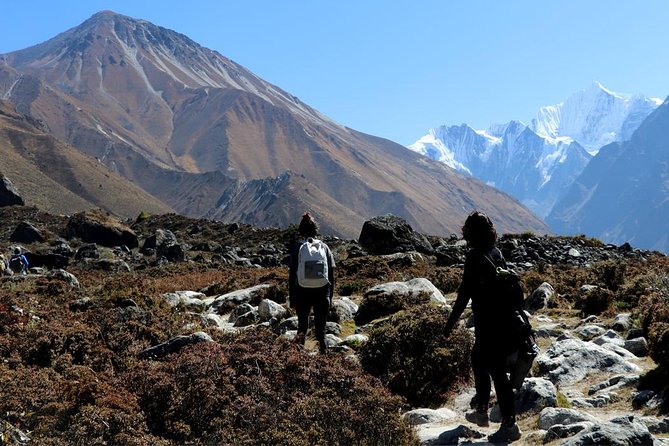
- Tamang village life you can see up close in Langtang, with stone thatched houses and animals roaming nearby
- Kyanjin Gompa as a sacred stop with sweeping views of Langtang peaks and surrounding high ground
- Day hikes with payoff to Kyanjin Ri (4773m) and Tserko Ri (4984m)
- Forest-to-monastery variety: rhododendron and bamboo forests to ancient religious sites
- Guided, permitted trek with meals, guesthouses, and important safety support (including an oxymeter)
More trails out of Kathmandu, boots ready
- Everest Base Camp Trek – 14 Days★ 5.0 · 1,499 reviews
- Everest Base Camp Trek★ 5.0 · 842 reviews
- Everest Base Camp Trekking★ 5.0 · 485 reviews
- Nagarkot Sunrise View and Day Hiking from Kathmandu★ 5.0 · 471 reviews
Langtang Valley: Why This Trek Feels Different Near Tibet
Langtang Valley sits just south of the Tibetan border, between higher Himalayan walls to the north and a slightly lower chain of peaks to the south. That location matters because the valley’s people—the Tamangs—share religious practices, language ties, and dress patterns that feel closer to Tibet than to Nepal’s middle hills.
What that means for you on the ground is that you’re not just hiking past views. You’re walking through a high, isolated region where village life is still central. You’ll see stone thatched houses and pastoral animals, and you’ll encounter the monastery culture of Kyanjin Gompa, which local Tamangs regard as especially sacred.
Another practical point: this trek is described as a way to explore the region at a comfortably low elevation while still getting glacier visits and small-peak style experiences. In other words, it’s a smart pick if you want real Himalayan terrain without jumping straight into the toughest altitude challenges.
Syabrubesi and That First Big Transport Day From Kathmandu
Your adventure starts in Kathmandu, then you drive to Syabru Besi, the trekking launch point. The roads are “uneven and windy,” and that’s not a throwaway line—it’s your first taste of the kind of travel Nepal demands outside the city.
I like this setup because it warms you up to the geography and makes the first walking days feel like a shift into something calmer. Still, you’ll want to protect your comfort: sit tight, plan for motion, and keep water and snacks easy to reach. If you’re someone who gets carsick, bring what works for you—this leg isn’t described as smooth.
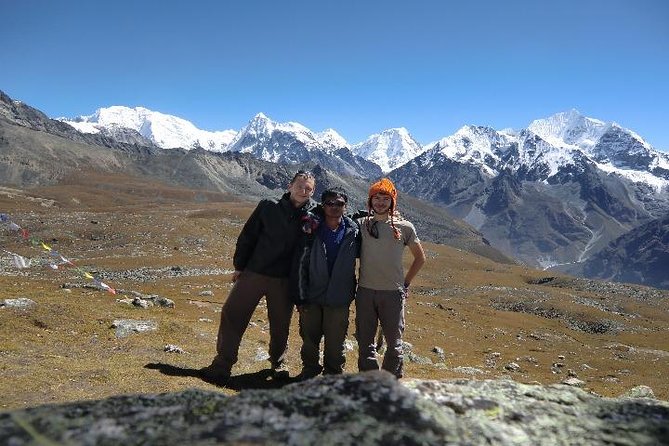
You’ll also see big mountains on the way, including the Langtang and Ganesh Himal range views. Those early panoramas are a confidence builder. You’re not wondering if the scenery will show up later; you’ll see it before you even start walking.
Lama Hotel to Langtang Village: Walking Up the River Through Forest
Once you reach the trek’s start, you descend to the Bhote Koshi River and cross a suspension bridge into Langtang Valley. That moment is more than scenic theater. It’s your physical transition from road travel to valley travel, and it sets the theme for what’s next: moving upstream along the Langtang River.
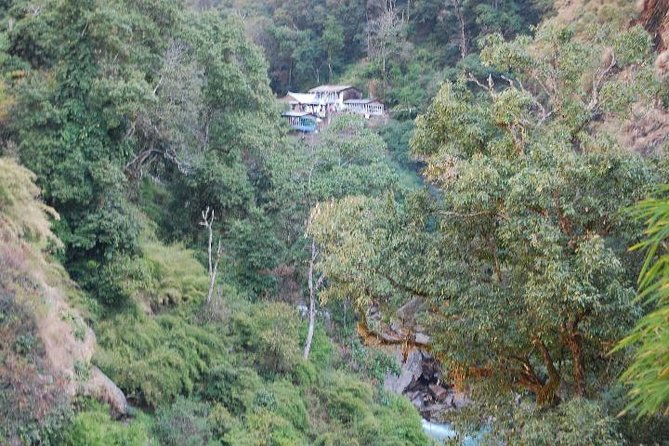
From there, the trail follows the river through lush forests of rhododendron and bamboo, passing scattered settlements as you head toward Lama Hotel. This is one of those days where the hiking is “doable,” but the surroundings keep it interesting. Rhododendron and bamboo forests add texture—sounds, smells, shaded sections—so your brain doesn’t just count steps.
Then you climb gradually to reach Langtang village, a Tamang community with the kind of mountain view that makes you slow down without trying. You’re looking at Langtang Lirung (7227m noted in the route details) from this higher village setting, and the houses are described as stone thatched structures. Even if you don’t speak the language, you’ll recognize the rhythm: fields, yaks, wild goats, and daily life that seems built around the seasons.
This is the first place I’d tell you to take your time. Don’t rush the photo moment. Walk the edges of the settlement, notice how people arrange livestock, and let the valley’s “Tibet-nearby” vibe sink in before you head toward the monastery zone.
Kyanjin Gompa: The Monastery Stop That Changes the Feel of the Trek
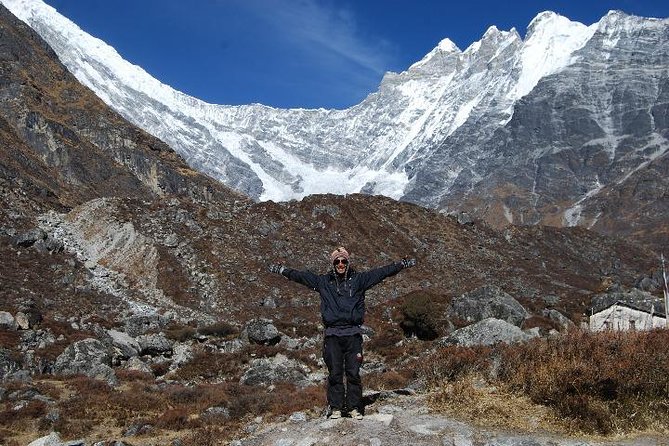
Leaving Langtang village behind, you continue trekking alongside the Langtang River toward Kyanjin Gompa. The route includes a few ascends and descends, so you’ll feel your legs start to work in a new way. You’re moving toward a place that’s both a spiritual center and a viewing platform.
At Kyanjin Gompa, you’re visiting an ancient monastery that Tamang locals of the area consider the most sacred. Even without a formal religious explanation, you’ll feel it in how people behave near the site: walking slower, looking more carefully, treating the space with more intention than the typical roadside stop.
The views here are a major part of the payoff. Kyanjin Gompa is described with views of the broader Langtang range and other snowy peaks, including Dorje Lakpa (6966m listed) and Langshisa Ri (6560m listed). This is where the trek stops feeling like a series of huts and becomes a real mountain experience.
One practical tip: expect that monastery views are best in clear light. If clouds roll in, you’ll still get the cultural experience, but your mountain pictures might suffer. It’s not a reason to worry—it’s just good planning.




The Big Day: Kyanjin Ri and Tserko Ri for Mountain View Winners
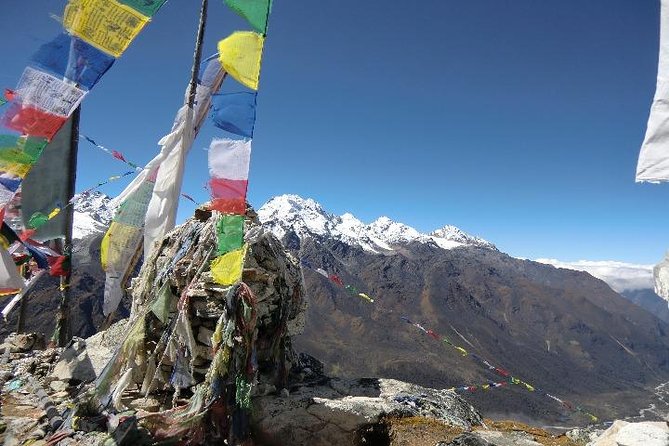
One of the strongest values of this trek is that it includes a day off trekking to explore the outskirts around Kyanjin Gompa. You can hike up to Kyanjin Ri (4773m) and Tserko Ri (4984m), which are the kinds of optional summit pushes that turn a good trek into a memorable one.
These hikes are short compared to many multi-day climbs, but they’re still high enough that you’ll notice the altitude and the effort. That’s why I like that you’re given a choice: you can aim for one viewpoint, go for both if you feel good, or keep it lighter and still enjoy the monastery area.
Also, Kyanjin Gompa isn’t just stone and views. The route notes time to explore the monastery and the local cheese factory. That’s a small detail, but it’s exactly the kind of authentic village work that makes a mountain trek feel grounded. You’re seeing how people survive and stay stocked in a place where you can’t pop into a convenience store.
If you’re the type who plans your “view time,” this is your day to be strategic. Start early, move steadily, and don’t spend the whole hike stopped at every rock—pace beats heroics.
Back Down to Lama Hotel: Forest Return With Less Pressure
After your Kyanjin time, you retrace your way back toward Lama Hotel, again alongside the Langtang River. The route mentions walking through rhododendron forests and passing through Langtang village and Ghoda Tabela.
The return days often get dismissed as “same trail back.” I don’t think that’s fair here. Your perspective shifts, partly because you’ve already learned what the valley looks like, and partly because the light changes as the trek moves forward. You might notice different weather patterns, or you’ll see familiar spots with a calmer head.
This is also the day where you’ll feel why the “comfortably low elevation” approach matters. You still hike and climb, but you’re not constantly stacking new altitude stress on top of fatigue. That helps you enjoy the valley on the way down instead of just surviving it.
Sleep at Lama Hotel is part of the rhythm. Guesthouses along the trek are described as “best available,” mainly in twin sharing. Expect basic comforts, not luxury. The real luxury is being well fed and in a place that’s run by people who know how to manage trekkers in this valley.
Syabrubesi and Kathmandu: The Final Walk-Drive Feeling in Your Legs
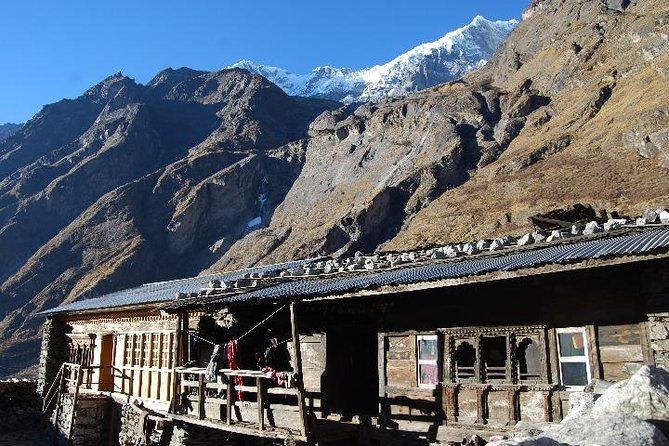
On day 7, you continue back toward Syabrubesi, retracing your trail along the river. The description calls out mesmerizing views of mountains, green landscape, and Tamang villages as you make your descent. There’s also a note about a ridge above Langtang River that has a steep section, so don’t treat this as an easy glide.
You’ll reach Syabrubesi and overnight at a local guesthouse. This is a good time to slow down, wash up, and plan your Kathmandu evening with a clear head.
Day 8 is the drive back to Kathmandu, with views of the Trishuli River for much of the journey. You’ll also pass local villages and green scenery. If your body is tired (it will be), this last transfer is a nice reset. When you finally hit Kathmandu, you’re transferred to your hotel and you can stroll around at your own pace.
Price and Value: What $1,000 Includes (and What It Doesn’t)
At $1,000 per person for an 8-day trek, the real question is value: what’s handled for you, and what you still have to own.
Here’s what’s included:
- Three meals a day (breakfast, lunch, dinner) during the trek
- Guesthouse lodging along the way (best available, mainly twin sharing)
- A local government licensed English speaking trekking guide
- Permits and entry fees, plus national park entry permit
- Staff support: food, accommodation, insurance, equipment, medicine, and transportation for trekking staff
- Trek gear: a down jacket, sleeping bag, and duffel bag
- First aid medical kit support plus an oxymeter to check pulse/oxygen/heart rate
- Surface transport between Kathmandu and the trek area
What’s not included:
- Travel insurance (compulsory)
- International airfare
- Personal trekking equipment
- Alcoholic and non-meal drinks, laundry
- Anything not mentioned in the included list
I think the value is strongest if you don’t want the headache of arranging permits, scrambling for gear rentals, or finding a qualified guide on your own. The inclusion of permits + a licensed guide + key cold-weather equipment reduces your pre-trip stress a lot.
Also, the oxymeter detail stands out to me as a “smart support” choice. It doesn’t replace good acclimatization habits, but having a way to check oxygen saturation and pulse adds reassurance for a moderate trek.
Guide Quality and Real Organization: What Base Camp Adventure Is Known For
The experience is provided by Base Camp Adventure Pvt. Ltd., and the trek includes a licensed English speaking trekking guide. In the way this company operates, coordination and planning matter, and names like Shree and guides such as Prakash have shown up in past trip feedback connected to Base Camp Adventure.
What you should take from that: you’re not just buying a map route. You’re paying for a functioning team that handles the practical pieces—meals, guesthouses, permits, and the safety checks that make a trek run smoothly.
This is also a private tour/activity, so only your group participates. That can mean your pace is easier to manage and your guide can focus on what you actually need, not what a mixed group might want.
Who Should Book This Langtang Trek (and Who Should Rethink It)
This trek fits best if you want:
- A Himalayan-feeling trek without committing to a brutal high-altitude program
- Village culture and monastery stops, not just scenery chasing
- A mix of walking and short, optional viewpoint hikes like Kyanjin Ri and Tserko Ri
- A tour setup that includes key cold-weather gear and three meals a day
It may be less ideal if:
- You hate long road travel on winding, uneven roads
- You’re not comfortable with a moderate fitness level (ascends/descends are part of the deal)
- You’re traveling right when you expect weather instability, since the trek requires good conditions
If you’re a first-time trekker in Nepal, this is a good training ground. It gives you the rhythm of trail walking, the reward of clear viewpoints, and the cultural depth of the Langtang area.
Should You Book It? My Practical Decision Checklist
I’d book this trek if you want an organized, culturally grounded Himalayan experience at a manageable pace. The best reasons to choose it are the combination of Kyanjin Gompa + optional high viewpoint hikes + Tamang village life, with the safety and logistics support already built in.
Before you commit, ask yourself three quick questions:
- Do you want a trek where meals, permits, lodging, and cold-weather gear are largely handled?
- Are you willing to handle uneven mountain trails and a steeper ridge section on the way back?
- Can you travel with flexibility if weather forces date changes?
If those answers are yes, this is the kind of trip that can give you a real mountain memory without needing expert climbing skills or a training obsession.
FAQ
What’s included in the Langtang Valley Trek package?
The package includes three meals a day during the trek, best available guesthouse accommodation (mainly twin sharing), a local government licensed English speaking trekking guide, permits and entry fees, and support for trekking staff. It also includes down jacket, sleeping bag, and a duffel bag, plus first aid medical kits and an oxymeter for pulse and oxygen saturation and heart rate checks. Surface bus transfers from and to Kathmandu are included too.
What equipment do I need to bring myself?
Personal trekking equipment is not included, so you’ll need to bring your own trekking gear. You’ll receive a down jacket, sleeping bag, and duffel bag as part of the tour, but you should still plan for the items that make your trek comfortable and safe based on your own needs.
How long is the trek and where does it start?
The trek is about 8 days. It starts in Kathmandu (meeting point in Kathmandu, Nepal) with a drive to Syabru Besi at the beginning of the trek, and the experience ends back at the meeting point in Kathmandu.
What’s the fitness level needed?
The tour says travelers should have a moderate physical fitness level. The days include gradual ascends and descends and some steeper sections, so you’ll want to be comfortable with sustained walking.
Are there optional hikes for views?
Yes. From the Kyanjin Gompa area, you can hike up to Kyanjin Ri (4773m) and Tserko Ri (4984m) for views. You can also explore the monastery and the local cheese factory.
What if weather is bad or I need to cancel?
The experience requires good weather. If it’s canceled due to poor weather, you’ll be offered a different date or a full refund. There is free cancellation: you can cancel up to 24 hours in advance for a full refund.
More Trekking Out of Kathmandu






More Tour Reviews in Kathmandu




Just Reviewed in Kathmandu
- Mountain Bike Tour
★ 5.0 · 3 reviews - Annapurna Panaroma
★ 5.0 · 3 reviews - Mount Everest Scenic Flight 50 Minutes
★ 5.0 · 3 reviews - Kathmandu : Swambhunath & Durbar Square Guided Half Day Tour
★ 3.3 · 3 reviews - Chandragiri Cable Car & Monkey Temple Tour – Private/Group
★ 5.0 · 3 reviews - Kathmandu: Shivapuri National Park Hiking Day Trip
★ 3.3 · 3 reviews
Langtang Valley Treks, compared.
 ★ 5.0Langtang Valley TrekFrom $555140 reviews
★ 5.0Langtang Valley TrekFrom $83061 reviews
Langtang Valley TrekFrom $70050 reviews
 ★ 5.08 Days Tour in Langtang Valley TrekFrom $69845 reviews
 ★ 5.0Private 8 – Day Langtang TrekkingFrom $58429 reviews
★ 5.0Langtang Valley TrekFrom $1,00023 reviews
 ★ 5.06-Day Limitless Langtang TrekFrom $18121 reviews
★ 5.0Langtang Valley TrekFrom $56020 reviews
Browse the lists this tour appears in