

Review · LANGTANG VALLEY TREKS
Langtang Valley Trek – 8 days
Short trek, big Himalayan payoff in Langtang. I love Kyanjin Ri for its 360-degree views and I also love the weirdly wonderful stop at Kyanjin Gompa’s Swiss cheese factory, all inside a sacred valley. The main drawback to plan for is altitude + cold: even though this is a shorter trek, you’ll still gain elevation fast and you’ll want to be ready for chilly, dry nights and long walking days.
This version is a small-group trek (up to 10 people) run by Breeze Adventure Pvt Ltd, and the guides and porters—often mentioned by name, including Kishwor, Raz, and Madan—are clearly part of why people feel taken care of. If you want a Himalayan trip that’s efficient, culturally rich, and not crowded like the big-ticket regions, Langtang is a smart target.
In This Review
- Langtang Valley in 8 Days: What Makes It Worth Your Time
- From Kathmandu to Syabrubesi: The Long Ride That Sets the Tone
- Syabrubesi to Lama Hotel: Forest Walking and Early Altitude
- Lama Hotel to Langtang Village: Tamang Country and a Sacred Valley Mood
- Langtang Village to Kyanjin Gompa: The Short Push to High Country
- Exploration Day Around Langtang Valley: Peaks, Options, and Wildlife Realities
- Kyanjin Gompa Back to Lama Hotel: Why the Descent Can Feel Like Work
- Lama Hotel to Syabrubesi via Sherpa Gaon: Culture on the Way Out
- Drive Back to Kathmandu: Finish Strong, Stay Flexible
- Value Check: What $775.36 Buys You (and What You Still Need to Plan)
- Who This Trek Fits Best (and Who Might Want More Time)
- Should You Book the Langtang Valley Trek with Breeze Adventure?
- FAQ
- How long is the Langtang Valley Trek?
- What is the starting point and where does it end?
- What’s included in the price?
- What equipment do I get for the trek?
- What altitude highlights are part of the experience?
- Is this trek suitable for beginners?
Langtang Valley in 8 Days: What Makes It Worth Your Time
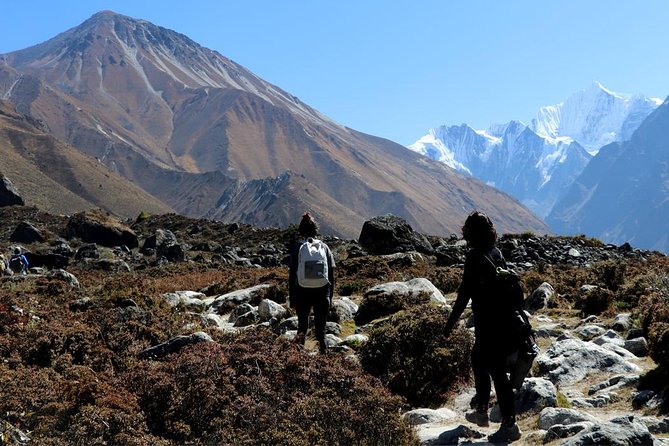
The Langtang Valley Trek is one of Nepal’s classic “shorter routes” into serious mountains. You don’t just walk for scenery—you move through Tamang villages, forests, and a protected Himalayan area that matters to both nature and local life. And because Langtang National Park was established in 1976, it’s Nepal’s first protected Himalayan zone, which helps explain why wildlife is a real part of the story (even if you won’t see it on every day).
What I like most about the pace is how it builds. You start with a long approach day, then work upward over multiple days, then you get a dedicated valley/exploration day before optional high viewpoints. That structure gives you time to adjust without turning the trek into a weeks-long commitment.
The best “wow” moment is designed right into the schedule: Kyanjin Ri at 4773 meters (15,659 feet) is the big panorama day. On a clear day, the views are the kind that reset your brain—more peaks than you can count, from one viewing point.
Still, keep your expectations grounded: this is a trek, not a sightseeing loop. Weather can change quickly in the Himalaya, and the same cold air that makes the views look crisp can also make the trail feel longer.
More trails out of Kathmandu, boots ready
- Everest Base Camp Trek – 14 Days★ 5.0 · 1,499 reviews
- Everest Base Camp Trek★ 5.0 · 842 reviews
- Everest Base Camp Trekking★ 5.0 · 485 reviews
- Nagarkot Sunrise View and Day Hiking from Kathmandu★ 5.0 · 471 reviews
From Kathmandu to Syabrubesi: The Long Ride That Sets the Tone
Day 1 is a bus drive from Kathmandu to Syabrubesi (1420m), usually 7–8 hours. It’s not “fun time,” but it is a useful piece of planning: you’re getting most of the travel-heavy work done before your boots hit the trail.
Syabrubesi is your launch point for the Langtang Valley route. It’s also where the trek transitions from city logistics to mountain rhythm—packing gear, setting up layers, and getting ready for trail days that can start earlier than you expect.
My practical take: treat this first day like an acclimatization warm-up for your body, not a rest day. Hydrate, eat something simple, and try not to spend the ride fully sprawled—your legs will thank you later.
Syabrubesi to Lama Hotel: Forest Walking and Early Altitude
Day 2 takes you from Syabrubesi to Lama Hotel (2340m) in about 5–6 hours. This is where the valley starts to feel real. The route runs through pine, bamboo, and rhododendron forests, and that mix matters: it keeps the trail from becoming a monotonous climb and it can make the air feel less harsh than you might fear.
Altitude climbs steadily here. You’ll likely feel it more in breath than in pain—assuming you keep a steady pace. If you’re carrying most of your comfort needs yourself (water, snacks, layers), you’ll learn quickly how important “small but constant” effort is on these trails.
What to watch for: start slow. If you sprint at the beginning, your body pays for it later. The guide and porters are experienced, and a good pace is one of the most valuable things they can help you with.
Lama Hotel to Langtang Village: Tamang Country and a Sacred Valley Mood
Day 3 goes from Lama Hotel to Langtang village (3480m), again around 5–6 hours. This is a key cultural day because you’re moving deeper into Tamang settlements, not just hiking through them. The Langtang Valley is considered sacred, and that feeling comes through in everyday village life—how people live, how they host trekkers, and how the landscape is treated with respect.
As you gain elevation, the scenery firms up. The valley starts to show its “Himalaya” character: wider views, sharper ridgelines, and the sense that you’re approaching something significant.
The downside is also predictable: you’ll likely feel more fatigue by the end of the day. Tea-house breaks help, but they won’t erase altitude discomfort if you go too fast. Plan for a calm evening—early dinner, layers, and sleep.
Langtang Village to Kyanjin Gompa: The Short Push to High Country
Day 4 is a shorter hiking day on paper—about 4 hours—taking you from Langtang village (3480m) to Kyanjin Gompa (3870m). The “shorter day” idea is good news, but don’t interpret it as easy. High-altitude steps feel different, and the air thins enough that even moderate effort can take work.
Kyanjin Gompa is where the trek shifts from valley trekking to high-country exploration. It’s also a memorable stop for culture and quirky details. You’ll have time to explore Kyanjin Gompa, including a monastery and a cheese factory—yes, a Swiss cheese factory in Nepal, described as one of the country’s oldest of its kind. It’s a fun detour that breaks the monotony of pure mountain talk.
My advice: use your time here well. Even if you’re eager for viewpoints, take time to settle, check how you feel, and don’t treat the next day’s optional hikes as a given.




Exploration Day Around Langtang Valley: Peaks, Options, and Wildlife Realities
Day 5 is your exploration and day-hikes day around Langtang Valley. You may choose optional hikes like Langshisa Kharka, Kyanjin Ri (4773m), and Tserko Ri (4985m). This is a smart design because it gives you options based on how your body and weather cooperate.
The big headline is Kyanjin Ri, the 360-degree panorama target. But I also like the idea that you can aim for lower options if you’re not feeling great, or if you want views without going to the very top. Tserko Ri at 4985m is another superb viewpoint, and it adds a second “maximum reward” if you’ve got the energy.
Wildlife is part of why this route is special. Langtang National Park is home to species like the Himalayan black bear, Himalayan tahr, and red panda. That said, don’t plan your entire day around seeing animals. Instead, go in ready to spot tracks, notice movement in the distance, and appreciate that the park is alive.
You’ll also keep walking through forests at altitude. Even when the path is rocky, you’re not just staring at stone—you’re moving through a mix of vegetation and high-country air that changes as you climb.
Kyanjin Gompa Back to Lama Hotel: Why the Descent Can Feel Like Work
Day 6 brings you from Kyanjin Gompa back down to Lama Hotel (2340m), about 6–7 hours. This is a long descent, and that matters. Downhill can wreck your knees and your confidence if you rush. It’s easy to feel like you’re “done” because you’re going lower—but your legs still work constantly, and your stride needs to be controlled.
This section is also where you’ll notice how weather affects comfort. Cold mornings can be brutal, and rain can make trails slippery. The group pace becomes a comfort feature: when you stay with your guide and don’t drift, you’ll have fewer surprises.
The big benefit of day 6 is psychological. You’ve already hit the core high point and the valley exploration. Heading back lets you enjoy the scenery without the same pressure to push higher.
Lama Hotel to Syabrubesi via Sherpa Gaon: Culture on the Way Out
Day 7 is about 5–6 hours from Lama Hotel to Syabrubesi via Sherpa Gaon. This is one of those “in-between” days that still matters. You’re moving through settlements again, and the trail feels more human than mountain-only.
If you enjoyed the Tamang hospitality earlier, this is where it can continue in a slightly different rhythm. You’ll often get the feeling that you’re not just passing through—you’re part of the living network that makes this trek possible.
This is also a good day to slow down if you’re carrying sore legs. With fewer altitude pressures than earlier climbs, it’s easier to find a comfortable pace—assuming you start that day with enough energy.
Drive Back to Kathmandu: Finish Strong, Stay Flexible
Day 8 is the bus ride back from Syabrubesi to Kathmandu, which can be long after a full week of walking. You might feel travel fatigue more than you expected, especially if you’re not used to long overland rides.
Still, this day is helpful for closure. You’ll have time to shower in Kathmandu (fees and charging during the trek aren’t included), eat real food, and reset your body.
If weather has been challenging, your guide may adjust the plan. That’s not a failure—it’s standard mountain travel sense.
Value Check: What $775.36 Buys You (and What You Still Need to Plan)
At $775.36 per person, this trek is priced like a fully supported Nepal mountain trip that aims to reduce your decision stress. The value comes from what’s included, especially for first-timers.
Here’s where your money goes:
- Transportation: airport transfers plus trekking transport to and from Syabrubesi.
- Kathmandu stay: two nights in a 2–3 star hotel with breakfast.
- Mountain support: government-authorized experienced guide and porters, plus their insurance, food, accommodation, and wages.
- Food during the trek: breakfast, lunch, and dinner with hygienic meals provided.
- Gear: sleeping bag, down jacket, and crampons—big savings if you don’t want to rent or buy everything yourself.
- Safety and planning tools: a first aid kit and a map of the Langtang Valley Trek.
- A post-trek celebration dinner in Kathmandu.
What you should budget separately:
- International flights and meals in Kathmandu beyond breakfast.
- Tips for guide and porter (not included).
- Shower and electronic charging fees during the trek (not included).
- Alcohol and snacks like chocolates and coffee/tea purchases (also not included).
My honest take: the inclusion of guide/porters, trek meals, and key gear is the biggest value story. If you’re traveling with limited packing space or low tolerance for logistical chaos, this package-style support can be worth the cost quickly.
Who This Trek Fits Best (and Who Might Want More Time)
This trek is aimed at moderate physical fitness. That’s the right level for many people who can handle daily hikes and gradual altitude gains. Your walking days are mostly 4–7 hours, with one “short” climb day that still happens at high elevation.
You’ll probably love this trek if:
- you want Himalayan scenery without the long commitment of bigger treks,
- you like culture (Tamang villages and monastery time),
- you want wildlife potential in a protected area,
- you want a small group experience with a cap of 10 travelers.
You might want to rethink or plan a longer version if:
- you’re brand-new to hiking and haven’t trained at all,
- you get altitude symptoms easily,
- you want a very relaxed schedule with fewer climbs.
The itinerary gives you a buffer day (Day 5 exploration) which helps if you need to adjust. Still, altitude doesn’t care about your spreadsheet.
Should You Book the Langtang Valley Trek with Breeze Adventure?
If you want the Langtang Valley experience with practical support, I’d say this is a strong option to consider. The combination of Tamang culture, Langtang National Park setting, and the high viewpoint structure (Kyanjin Gompa followed by optional peaks) is a smart way to get maximum mountain time in eight days.
What also pushes it toward a good choice is the human factor you can see in the feedback—people repeatedly mention the organization and friendliness, plus specific staff like Kishwor and guides such as Raz, with porters like Madan receiving credit too. That kind of attention matters on trek days when small problems become big ones.
The one caution is simple: respect the altitude and don’t assume a “short trek” means “easy.” If you show up prepared, pace yourself, and take the exploration day seriously, you’ll get a genuinely satisfying Himalayan trip.
FAQ
How long is the Langtang Valley Trek?
The trek runs about 8 days, from a drive from Kathmandu to Syabrubesi through to your return drive back to Kathmandu.
What is the starting point and where does it end?
You start at Breeze Adventure Pvt Ltd in Thamel Marg, Kathmandu, Nepal, and the experience ends back at the same meeting point.
What’s included in the price?
Included are airport transport, two nights in a Kathmandu hotel with breakfast, all trekking transport, mountain guest house accommodation, an authorized guide and porters, meals during the trek (breakfast, lunch, dinner), insurance for guides and porters, a first aid kit and a map, and trekking equipment such as a sleeping bag, down jacket, and crampons. There’s also a post-trek celebration dinner in Kathmandu.
What equipment do I get for the trek?
You get all trekking equipment, including a sleeping bag, down jacket, and crampons.
What altitude highlights are part of the experience?
Kyanjin Gompa is at 3870m, and optional high viewpoint hikes include Kyanjin Ri at 4773m and Tserko Ri at 4985m.
Is this trek suitable for beginners?
The trek is described as requiring moderate physical fitness. It’s best for people who can handle several hours of walking per day and are comfortable with altitude changes.
More Trekking Out of Kathmandu






More Tour Reviews in Kathmandu




Just Reviewed in Kathmandu
- Mountain Bike Tour
★ 5.0 · 3 reviews - Annapurna Panaroma
★ 5.0 · 3 reviews - Mount Everest Scenic Flight 50 Minutes
★ 5.0 · 3 reviews - Kathmandu : Swambhunath & Durbar Square Guided Half Day Tour
★ 3.3 · 3 reviews - Chandragiri Cable Car & Monkey Temple Tour – Private/Group
★ 5.0 · 3 reviews - Kathmandu: Shivapuri National Park Hiking Day Trip
★ 3.3 · 3 reviews
Langtang Valley Treks, compared.
 ★ 5.0Langtang Valley TrekFrom $555140 reviews
★ 5.0Langtang Valley TrekFrom $83061 reviews
Langtang Valley TrekFrom $70050 reviews
 ★ 5.08 Days Tour in Langtang Valley TrekFrom $69845 reviews
 ★ 5.0Private 8 – Day Langtang TrekkingFrom $58429 reviews
★ 5.0Langtang Valley TrekFrom $1,00023 reviews
 ★ 5.06-Day Limitless Langtang TrekFrom $18121 reviews
 ★ 5.0Langtang Valley TrekkingFrom $75020 reviews
Browse the lists this tour appears in