
Review · LANGTANG VALLEY TREKS
Langtang Valley Trek
Crisp mountain air starts before sunrise. This 8-day Langtang Valley Trek from Kathmandu rolls through forests, villages, and big Langtang Himal views, with a high point at Tserko Ri for sweeping panoramas. I like that it feels steady and not chaotic, and that the walk comes with Tamang culture and community life, not just scenery.
I also like the spiritual stop-and-look rhythm. You’ll pass gompas and monasteries, so the mountains come with meaning, not only photos. One consideration: the trek is simple and weather-dependent, and teahouse food and options can feel basic, especially if conditions are chilly or slow things down.
In This Review
- Key highlights you’ll feel on the trail
- Kathmandu to Syabrubesi: the early start that sets the tone
- Day-by-day: what each section actually gives you
- Day 1: Drive Kathmandu to Syabrubesi
- Day 2: Syabrubesi to Lama Hotel
- Day 3: Lama Hotel to Langtang Village
- Day 4: Langtang Village to Kyanjin Gompa
- Day 5: Hike to Tserko Ri and Kyanjin Ri for panoramas
- Day 6: Return to Lama Hotel
- Day 7: Descend back to Syabrubesi
- Day 8: Drive Syabrubesi back to Kathmandu
- What you’re really paying for: value at $1,050 per person
- Guides, organization, and the small things that make a big difference
- Langtang National Park: wildlife chances without the pressure
- Culture and meaning: Tamang hospitality and spiritual sites
- Meals and what to expect at teahouses
- Who should book this trek (and who might want to think twice)
- Should you book Langtang Valley Trek?
- FAQ
- Where does this trek start and when?
- How long is the Langtang Valley Trek?
- Is pickup included?
- What meals are included?
- What’s not included in the price?
- Is this a private tour?
- What fitness level do I need?
- What happens if weather is bad or the minimum number of travelers isn’t met?
Key highlights you’ll feel on the trail
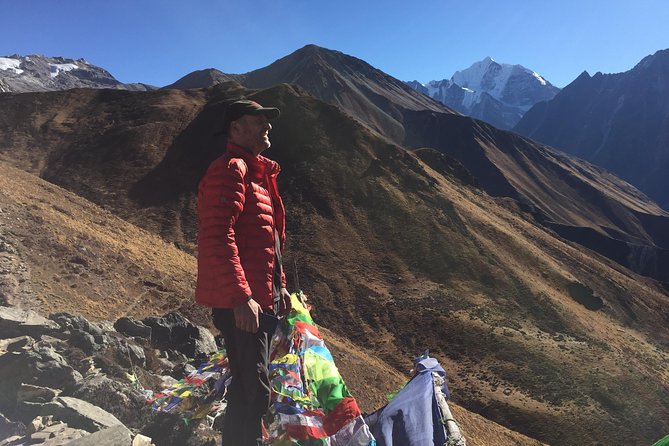
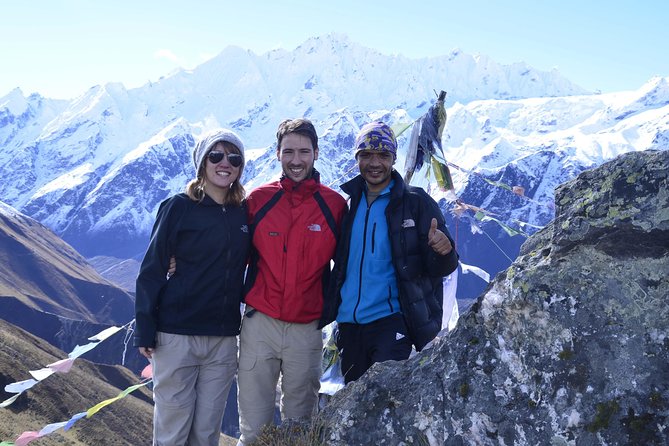
- Tserko Ri and Kyanjin Ri views: two goal posts for big-sky mountain panoramas on a single day
- Tamang culture in real villages: daily life, local hospitality, and the human side of Langtang
- Gompas and monastery stops: a spiritual layer that makes the route more than walking time
- Wildlife chances in Langtang National Park: you might spot red panda or Himalayan tahr, if luck and timing agree
- Strong guide energy: people have praised guides such as Dhruba, Nima, Lhakpa, and Timbi Sherpa for teaching the route and noticing details
- Teahouse comforts and local food: yak cheese, sea buckthorn juice, and Tibetan bread show up again and again as favorites
More trails out of Kathmandu, boots ready
- Everest Base Camp Trek – 14 Days★ 5.0 · 1,499 reviews
- Everest Base Camp Trek★ 5.0 · 842 reviews
- Everest Base Camp Trekking★ 5.0 · 485 reviews
- Nagarkot Sunrise View and Day Hiking from Kathmandu★ 5.0 · 471 reviews
Kathmandu to Syabrubesi: the early start that sets the tone
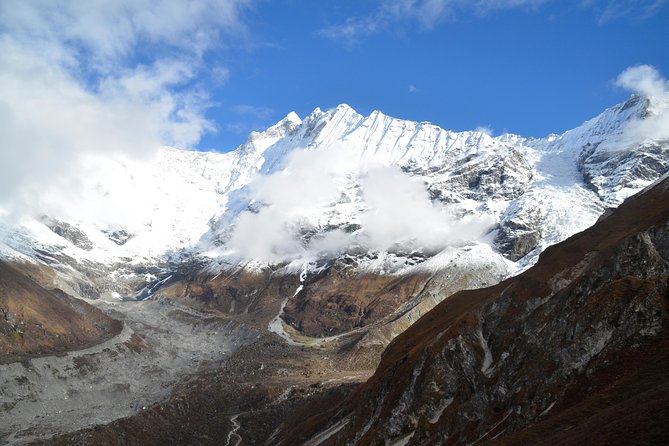
Your trek begins at Sorhakhutte, Kathmandu, with a start time of 6:15 am. That morning drive to Syabrubesi matters more than it sounds. It helps you get into the rhythm of the trip fast, and it also gives your legs time to warm up for the first real walking day.
You’ll also be dealing with a very Kathmandu-to-mountains reality: mornings are cool, light changes fast, and the road can feel long. It’s also a practical plus that pickup is offered, and the meeting point is near public transportation. That reduces stress on day one.
Day-by-day: what each section actually gives you
This trek is built around five emotional beats: entering the valley, deepening into village life, reaching a spiritual base, going for summit-style views, then walking home with a fresh perspective.
Day 1: Drive Kathmandu to Syabrubesi
You’re trading city noise for river-and-road scenery. The main value on day one is logistics: the route sets you up at the trailhead so day two doesn’t feel like you’re still commuting.
If you’re the type who gets motion-sick, take it seriously. Long drives plus early mornings are a real combo.
Day 2: Syabrubesi to Lama Hotel
This is the day you move from the approach into the Langtang feel. You’re entering the region and finding the valley rhythm. It’s a good transition day because you’re not trying to force big elevation spikes right away.
This is also where the route starts to teach you how to walk in the Himalaya: steady steps, short breaks, and keeping your breathing calm.
Day 3: Lama Hotel to Langtang Village
Now you’re deeper in the valley, and the experience shifts from “where am I going?” to “what is this place like?” Langtang Village is your cultural anchor point.
Look closely at the everyday stuff: how people carry things, how teahouses run, and how village life sits beside the mountains. That’s where the Tamang heritage becomes more than a line on a brochure.
Day 4: Langtang Village to Kyanjin Gompa
This day brings you to the spiritual spine of the trek. Kyanjin Gompa isn’t just a place to sleep; it’s a place to pause. Gompas and monasteries give you that slower, reflective pace—especially as mountain views open up.
It’s also the point where you start to feel the trek’s real goal approaching. You’ll be thinking about that next big day: Tserko Ri and Kyanjin Ri.
Day 5: Hike to Tserko Ri and Kyanjin Ri for panoramas
If you like one-day thrill followed by a long exhale, this is it. This is a hike day built around views, and it’s why this trek stands out in the mind of many people.
Here’s the practical side: go slow. Save your energy for visibility and footing. If you rush, you’ll spend the day huffing instead of seeing.
The payoff is panoramic—wide views of the Langtang Himal and the satisfaction of reaching those viewpoints under your own legs.
Day 6: Return to Lama Hotel
Coming down can feel easier, but it’s not a true “recovery day.” Your legs still do work, and your brain gets a different view of the same terrain.
I like return days because you notice what you missed on the way up. The valley starts telling a story backwards, and it’s oddly satisfying.
Day 7: Descend back to Syabrubesi
This is a quiet day emotionally. You’ll be tired, but it’s the kind of tired that feels deserved. You also get the reward of gradual changes: fewer high moments, more village texture, and a steady finish line.
Day 8: Drive Syabrubesi back to Kathmandu
Ending back at the meeting point helps you avoid last-day chaos. You’ll likely feel the trek in your body more than in your head, which is normal after a multi-day walk.
Take it easy when you return. You’ll want hydration and a real meal. Your trekking budget will also feel more real on day eight, because souvenirs and snacks tempt you when you’re finally back in Kathmandu.
What you’re really paying for: value at $1,050 per person
At $1,050.00 per person, this trek isn’t a budget hop. But it also isn’t just “pay for hiking.” You’re paying for an organized, multi-day route through Langtang National Park, plus access to a cultural circuit that includes Tamang communities and spiritual sites.
What’s included:
- Breakfast
- Lunch during the trekking portion (one meal included)
- Dinner during the trekking portion (one meal included)
What’s not included:
- Bottled water
- Snacks
- Coffee and/or tea
- Soda/pop
- Alcoholic beverages
So how does that affect value? Simple: your biggest extra costs are drinks and snack gaps. If you like coffee breaks, or you need extra bottled water, budget for it early rather than feeling surprised later.
Also, you’re not just buying “seven nights in the mountains.” You’re buying time and structure: the route, the pacing, and the chance to go for Tserko Ri without turning it into a do-it-yourself planning headache.
Guides, organization, and the small things that make a big difference
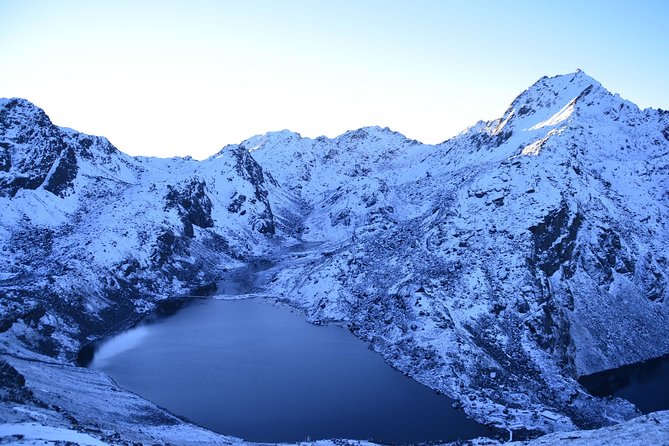
A huge part of why Langtang Valley Treks earn top ratings is how smoothly the days run. People have praised operators and teams for planning that feels handled from breakfast through dinner, and for guides who point out more than just directions.
Names that came up for excellent guidance include:
- Dhruba: praised for taking care from meals onward and pointing out wildlife and the details along the way
- Nima: praised for knowing mountains, landscapes of the region, and cultural stories
- Lhakpa: praised for being knowledgeable and helpful, plus making the experience feel easy
- Timbi Sherpa: praised in a Tamang Heritage combined version for delivering beyond expectations
- Badri: praised for responsive trip management and planning support behind the scenes
Even if your guide isn’t one of these people, the pattern matters. You want a guide who can explain what you’re seeing and handle the daily logistics so you can focus on walking and taking in the valley.
And yes, the food becomes part of the trip. Yak cheese, sea buckthorn juice, and Tibetan bread are repeatedly highlighted as memorable treats, and clean, cozy teahouses show up as a practical comfort win.
Langtang National Park: wildlife chances without the pressure
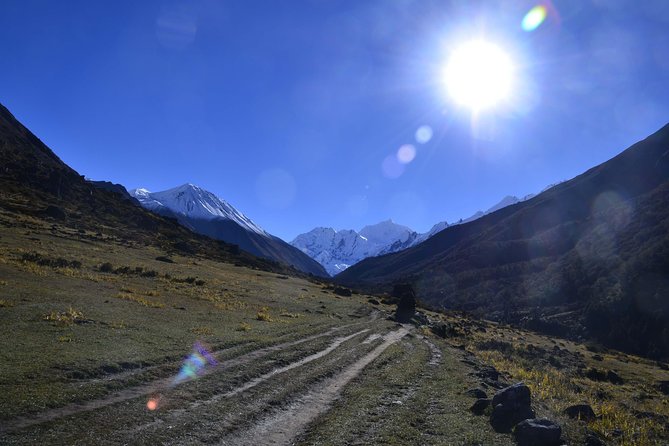
Langtang National Park is the wildlife context for your trek. You might encounter animals such as:
- red panda
- Himalayan black bear
- Himalayan tahr
You won’t see them on command. But it helps to understand the mindset: wildlife spotting is a bonus. The main win is being in the right habitat at the right times and noticing changes in the air, tracks, and behavior around you.
If you’re serious about animal spotting, keep your expectations calm and your breaks frequent. Good sightings are often about patience, not speed.
Culture and meaning: Tamang hospitality and spiritual sites
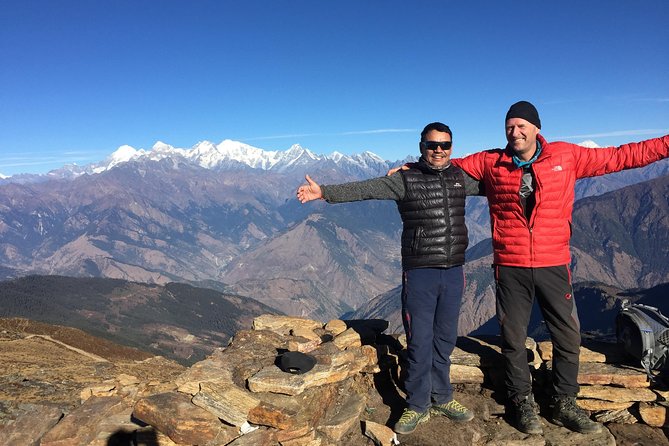
This route’s cultural center is Tamang heritage. You’re not just passing through; you’re spending multiple nights in village-linked settings where local hospitality is part of how the trek works.
The spiritual pieces—gompas and monasteries—add another layer. They turn the trek into something more grounded. It’s easier to feel gratitude and perspective when the days include places built for reflection.
If you want even more cultural depth, there’s also evidence of a combined option that includes Tamang Heritage alongside the Langtang Valley trek. If that’s your style, I’d ask ahead of time whether a tailored version is possible for your dates.
Meals and what to expect at teahouses
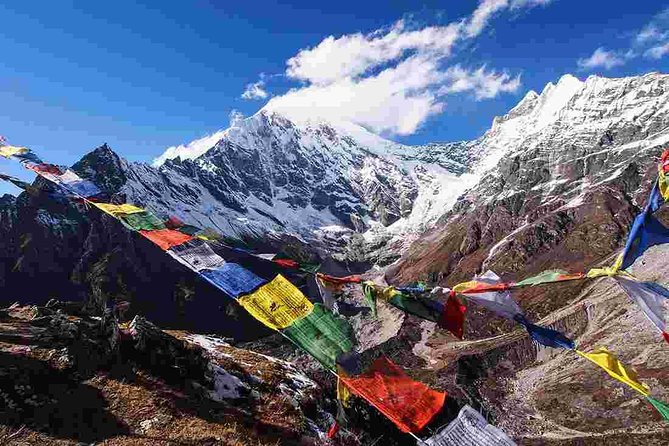
Your package includes meals during the trekking portion: breakfast, plus one lunch and one dinner included. That’s a relief, because it reduces the daily decisions you’d have to make on your own.
But coffee/tea, snacks, and drinks aren’t included. And bottled water isn’t included either. If you’re the type who snacks while walking, plan to buy something along the way.
One small comfort note from the way people describe the experience: teahouses can be clean and cozy, and local dishes are part of the fun. Yak cheese and sea buckthorn juice aren’t just local trivia—they’re a reason people remember specific days.
Who should book this trek (and who might want to think twice)
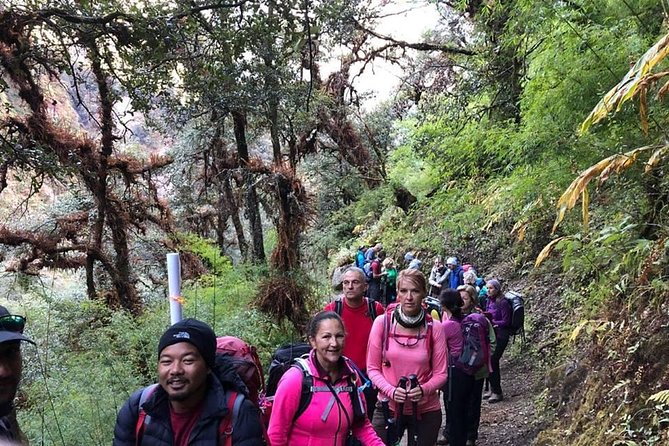
This is best for you if:
- you have moderate physical fitness
- you want a guided, structured trekking experience rather than full DIY planning
- you care about culture (Tamang villages), not only views
- you like spiritual stops like gompas and monasteries
- you want a calmer-feeling trek where days have a rhythm
Think twice if:
- you’re sensitive to early starts and long road days
- you need lots of food choices and frequent cafe-style breaks
- you’re not flexible on weather-related changes
Also, it’s a private tour/activity. That’s great for comfort and pace, but it can mean less social energy from shared groups.
Should you book Langtang Valley Trek?
Yes, if you want an 8-day Himalayan walk that mixes big viewpoints with Tamang culture and spiritual stops, and you’re okay with teahouse simplicity. It’s also a good fit if you like being in a place where wildlife is possible, not forced.
If you book, go in with the right attitude:
- budget extra for snacks and drinks
- take the hike days slow, especially the Tserko Ri / Kyanjin Ri day
- pack for chilly early mornings and mountain weather swings
- remember the trek supports community resilience and cultural heritage in the region after the 2015 earthquake—meaning you’re not just sightseeing
FAQ
Where does this trek start and when?
The trek starts at Sorhakhutte, Kathmandu 44600, Nepal, with a start time of 6:15 am. It ends back at the meeting point.
How long is the Langtang Valley Trek?
It’s listed as 8 days (approximately).
Is pickup included?
Yes, pickup is offered.
What meals are included?
Breakfast is included. During the trekking portion, lunch and dinner are included (one lunch and one dinner).
What’s not included in the price?
Not included are bottled water, snacks, coffee and/or tea, soda/pop, and alcoholic beverages.
Is this a private tour?
Yes. It’s a private tour/activity, and only your group participates.
What fitness level do I need?
Travelers should have a moderate physical fitness level.
What happens if weather is bad or the minimum number of travelers isn’t met?
This experience requires good weather. If it’s canceled due to poor weather, you’ll be offered a different date or a full refund. If it’s canceled because the minimum number of travelers isn’t met, you’ll also be offered a different date/experience or a full refund.
More Trekking Out of Kathmandu
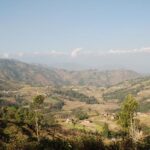
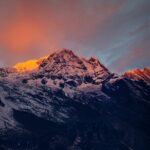
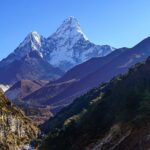
More Tour Reviews in Kathmandu
Just Reviewed in Kathmandu
- Mountain Bike Tour
★ 5.0 · 3 reviews - Annapurna Panaroma
★ 5.0 · 3 reviews - Mount Everest Scenic Flight 50 Minutes
★ 5.0 · 3 reviews - Kathmandu : Swambhunath & Durbar Square Guided Half Day Tour
★ 3.3 · 3 reviews - Chandragiri Cable Car & Monkey Temple Tour – Private/Group
★ 5.0 · 3 reviews - Kathmandu: Shivapuri National Park Hiking Day Trip
★ 3.3 · 3 reviews
Langtang Valley Treks, compared.
 ★ 5.0Langtang Valley TrekFrom $555140 reviews
★ 5.0Langtang Valley TrekFrom $83061 reviews
Langtang Valley TrekFrom $70050 reviews
★ 5.0Langtang Valley TrekFrom $555140 reviews
★ 5.0Langtang Valley TrekFrom $83061 reviews
Langtang Valley TrekFrom $70050 reviews
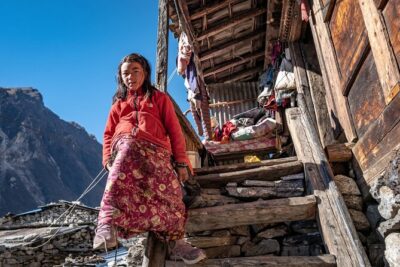 ★ 5.08 Days Tour in Langtang Valley TrekFrom $69845 reviews
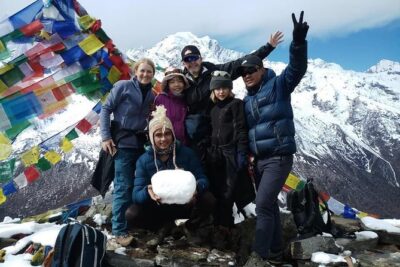 ★ 5.0Private 8 – Day Langtang TrekkingFrom $58429 reviews
★ 5.0Langtang Valley TrekFrom $1,00023 reviews
★ 5.0Private 8 – Day Langtang TrekkingFrom $58429 reviews
★ 5.0Langtang Valley TrekFrom $1,00023 reviews
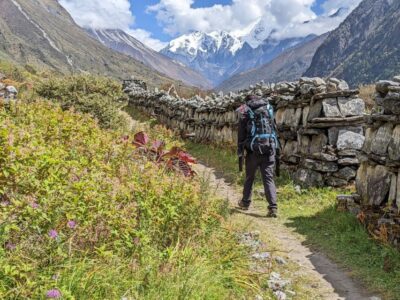 ★ 5.06-Day Limitless Langtang TrekFrom $18121 reviews
★ 5.0Langtang Valley TrekFrom $56020 reviews
★ 5.06-Day Limitless Langtang TrekFrom $18121 reviews
★ 5.0Langtang Valley TrekFrom $56020 reviews
Browse the lists this tour appears in