
Review · LANGTANG VALLEY TREKS
Langtang Valley Trek
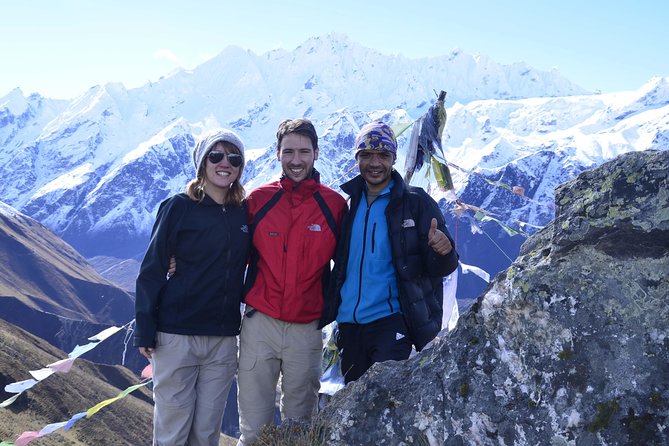
Langtang Valley has a calm, off-the-beaten-path feel. This trek pairs Langtang National Park trails with village life, then adds big viewpoint days near Kyangjin Gompa and optional summit-style hikes. I like that the route is built around gradual walking, tea-house stops, and real chances to spot wildlife such as red pandas and langur monkeys. One thing to consider: the overland travel at the start and end is long and includes off-road segments, so plan for some bumpy riding.
For the price of $860 per person (about 9 days), you’re paying for a package that handles the hard parts: an experienced guide, porter support (1 porter for 2 people), permits/paperwork, and gear rental like a down jacket and four-season sleeping bag. You’re also traveling in a small group capped at 15, which tends to make it easier to adjust pace when the group has mixed fitness levels. If you want a trek with good logistics and room to breathe, this one fits well.
In This Review
- Key things that make this Langtang Valley Trek work
- Kathmandu setup: start smooth, not stressful
- What I’d do differently (practical tip)
- Road to Syabrubesi: worth it, but expect the bumpy parts
- The drawback to plan for
- First trekking day into Langtang National Park: rivers, bamboo, and wildlife odds
- How to make this day easier on yourself
- Walking through earthquake history: Langtang Village is rebuilt
- Why this stop matters
- Kyangjin Gompa day: monasteries, reconstruction, and optional summit-style walks
- Who will love this day most
- The Kyangjin and Tserko Ri viewpoint strategy: early effort, big payoff
- Practical advice
- Head back down: same route, different feel
- A note on energy
- The final trek day through Sherpa and Tamang areas
- How this fits different travel styles
- Kathmandu again: decompress day that still feels earned
- What’s included in $860, and what you should budget for separately
- Is $860 good value?
- Group vibe, pace, and safety: what the operation seems to prioritize
- Who this trekking style suits best
- Practical packing: gear you get, gear you still need
- Should you book the Langtang Valley Trek?
- FAQ
- Do I get picked up when I arrive in Kathmandu?
- How do I get to Syabrubesi?
- What kind of hiking will I be doing?
- Is there an earthquake-related part of the trek?
- Are viewpoints like Kyangjin Ri and Cherkuri included?
- Do I need to be very fit to join?
- How many people are in the group?
- What trekking support do I get for carrying my gear?
- What equipment is included, and what do I return?
- What if I need to cancel?
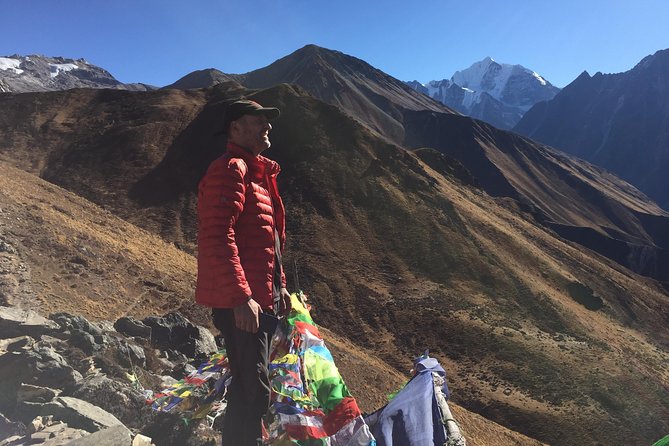
Key things that make this Langtang Valley Trek work
- Small group size (max 15): easier communication and less crowding on narrow trails.
- Guide + porter ratio (1 porter for 2 people): you carry less, especially helpful on longer ascent days.
- Gear included: down jacket, four-season sleeping bag, trekking duffel, a t-shirt, and a trekking map (with returns required).
- Earthquake-rebuilt walking day: you’ll pass through the area affected by the 2015 earthquake, now with a reconstructed Langtang Village and tea houses.
- View options: Kyangjin Ri and Cherkuri-style hikes, plus the classic sunrise payoff near Tserko Ri (depending on your plan).
- Teahouse-style lodging: overnight stays in local lodges along the trekking route, so you’re not lugging camping gear.
More trails out of Kathmandu, boots ready
- Everest Base Camp Trek – 14 Days★ 5.0 · 1,499 reviews
- Everest Base Camp Trek★ 5.0 · 842 reviews
- Everest Base Camp Trekking★ 5.0 · 485 reviews
- Nagarkot Sunrise View and Day Hiking from Kathmandu★ 5.0 · 471 reviews
Kathmandu setup: start smooth, not stressful
You’ll fly into Tribhuvan International Airport, then get met by an office representative holding a name card. After that, you transfer to your hotel for check-in help and some free time. This matters more than it sounds: Langtang trekking is easier when your first day is about rest and getting organized rather than hunting for transport.
The package also includes the basics for departure back to the airport about 3 hours before your international flight. That’s a small detail, but it reduces the usual last-day scramble.
What I’d do differently (practical tip)
If you have anything you might need for the trek—like light gloves, sunscreen, or blister care—buy it in Kathmandu during your free time so you aren’t scrambling later in Syabrubesi.
Road to Syabrubesi: worth it, but expect the bumpy parts
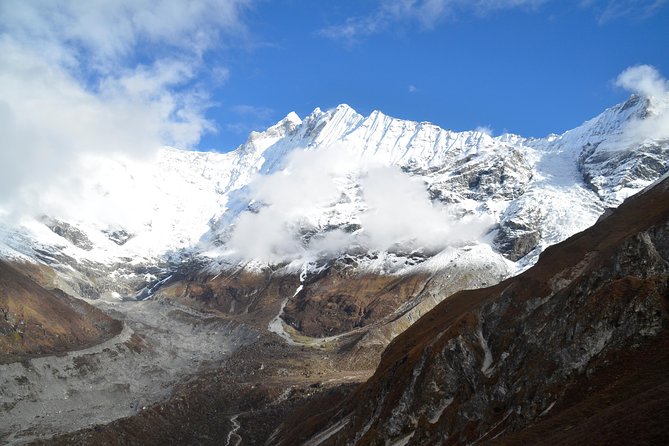
Getting from Kathmandu to Syabrubesi takes roughly 6 to 8 hours by bus/jeep, and the ride includes off-road segments. The trade-off is scenery: you’ll pass the raging Trisuli river, terrace farmlands, and likely see Ganesh Himal from stretches along the way. As you move past Dhunche, the surroundings shift from city edges into a more remote, village feel.
When you reach Syabrubesi, you’ll freshen up at a local lodge and have time to stroll. This is one of the better “reset” moments early on—especially if you’re coming off jet lag—because it’s not yet full-on trail walking.
The drawback to plan for
If you’re prone to motion sickness, bring something. The drive is long and rough by design.




First trekking day into Langtang National Park: rivers, bamboo, and wildlife odds
Day 3 is where the trek actually begins. You start with breakfast, then walk across riverside sections along Bhote Koshi and Langtang Khola. The terrain gradually rises toward a bamboo area, which means you’ll want to slow down a bit and stay careful on the landslide-prone sections.
Lunch is planned at riverside stops like Ramche, then you continue toward Lama Hotel. This day’s value is the variety: river corridors, forest feel, and a sense that you’re entering a real valley system—not just moving from lodge to lodge.
One detail worth noting: the route is described as a good opportunity to spot rare wildlife such as red pandas and langur monkeys. You can’t count on sightings, but the trek is placed where those chances make sense.
How to make this day easier on yourself
Wear footwear that’s already broken in, and keep your first day conservative. In this region, fatigue from uneven ground can sneak up fast.
Walking through earthquake history: Langtang Village is rebuilt
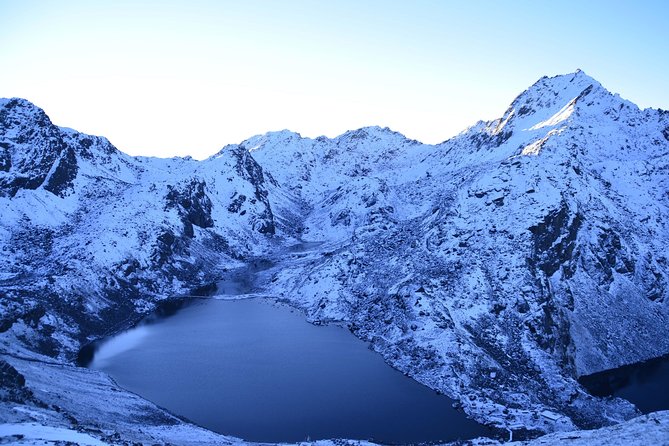
Day 4 shifts from “natural scenery” to “living memory.” You’ll walk past the area most affected by the 2015 earthquake, when the original Langtang village was destroyed. Now, the village is reconstructed, and you’ll see tea houses operating again.
The trekking plan also includes a push beyond Langtang Village to a nearby stop area such as Mundu. Along the way, mani stone walls add a strong cultural texture, and the viewpoints open up toward peaks like Langtang Lirung, Changbu, and Kinshung.
Why this stop matters
This is the kind of day that changes how you look at the valley. It’s not just about scenery. It’s about continuity—how communities return, rebuild, and keep hosting travelers through everyday hospitality.
Kyangjin Gompa day: monasteries, reconstruction, and optional summit-style walks
On Day 5 you move toward Kyangjin Gompa. The Mundu to Kyangjin Gompa walk is described as about 2 hours of gradual ascent, crossing small streams over wooden bridges. This is a good “structured effort” day: you’re climbing, but it’s not an all-day grind.
The monastery area is noted as being under reconstruction, and there used to be a cheese factory here that’s no longer operating. That gives the place a different feel than a fully polished tourist stop. You’re seeing a functioning mountain settlement that’s still in motion.
You also get a menu of hiking choices:
- If you want a bigger effort, you can hike from Mundu up to Kyangjin Ri (4,300m / 14,107ft) and return the same day.
- Otherwise, you can arrive at Kyangjin Gompa and plan another hike for the next day, including options like Cherkuri.
Who will love this day most
If you enjoy a mix of culture and views—and don’t mind that some mountain infrastructure is still rebuilding—you’ll probably find Kyangjin Gompa a highlight.
The Kyangjin and Tserko Ri viewpoint strategy: early effort, big payoff
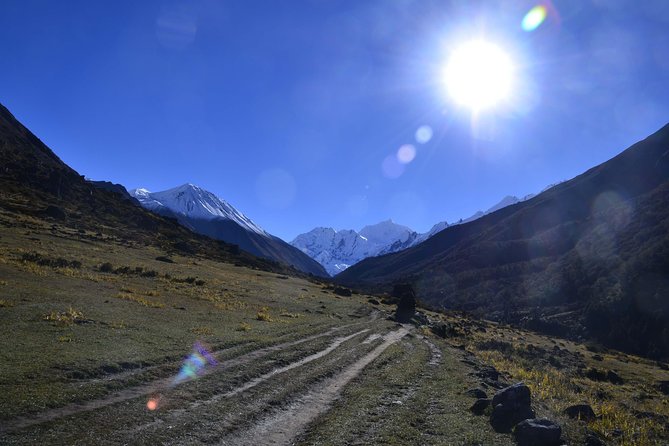
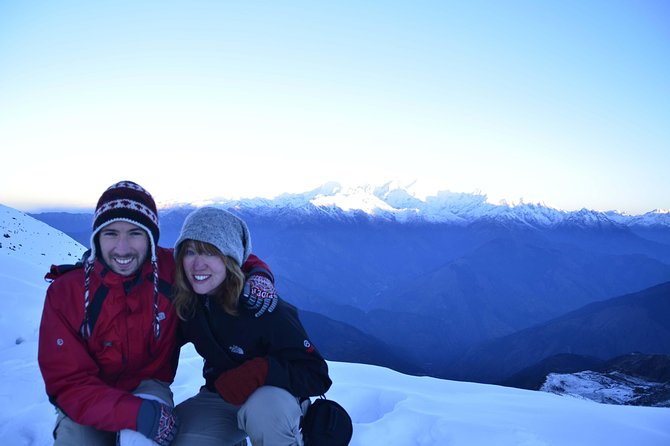
Trekking here isn’t only about moving forward. It’s about earning viewpoint time. The overall route is set up around excellent sunrise views over the Langtang ranges, and Tserko Ri is specifically mentioned as part of that payoff.
Because the details on the exact day-by-day timing of the sunrise climb aren’t specified beyond the general plan, treat it as a “make it happen if weather and your legs cooperate” moment. The key is that the trip is designed with viewpoint goals in mind, not just baseline walking.
Practical advice
Sunrise hikes mean colder air and less forgiveness for slow footwork. Bring layers you can adjust quickly, and don’t go too fast in the first hour.
Head back down: same route, different feel
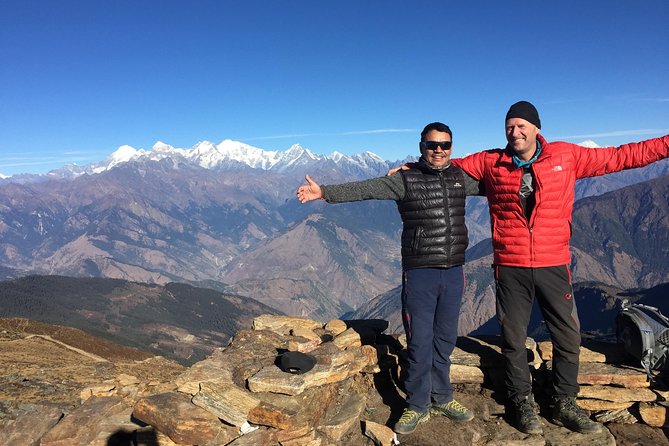
Day 6 takes the return direction—mostly descending—via the same general corridor. Even when the trail is familiar, the shift in direction changes your sense of the valley. You’ll cross areas along Langtang Khola again and pass through spots like Ghodatablea before reaching a tea house in Lama Hotel for the night.
This kind of “reverse perspective” day is valuable. It helps you connect the terrain you walked earlier with the views you missed because you were focused on effort.
A note on energy
Descending can feel easier, but it can be harder on knees. Plan for careful steps on uneven ground and take short rests before you feel pain.
The final trek day through Sherpa and Tamang areas
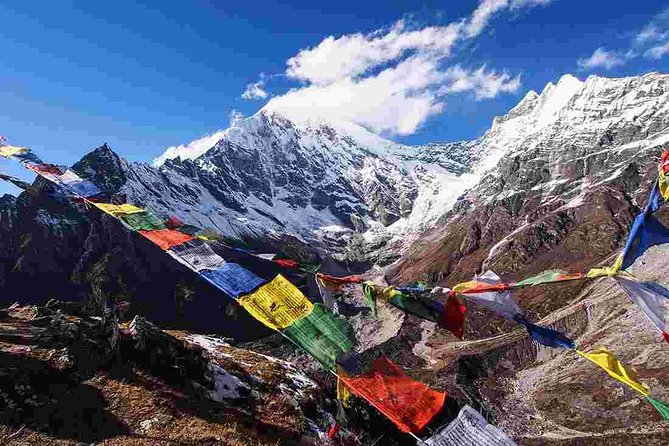
Day 7 is framed as a last walking day, moving from Lama Hotel through culturally rich villages such as Sherpagaun. The surroundings also get greener with wider valleys and more settlement patterns. The route notes options on either side of the main trail:
- A western path tied to a Tamang heritage idea toward Gatlang
- An eastern possibility involving crossing the Laurebina pass toward the pilgrimage site of Gosaikunda
Then you transfer by drive toward Kathmandu the next day. If you feel strong, this is where you might extend the overall mountain experience—depending on what you’ve booked and what your legs allow.
How this fits different travel styles
If you want a trek that feels like a cultural corridor and not only a climb-to-a-point experience, this final village-focused day is a good closer.
Kathmandu again: decompress day that still feels earned
On Day 8 you take a morning drive back to Kathmandu. The ride is roughly 7–8 hours, then you get hotel check-in assistance and free time until the end of the day.
After days of thin air and steady walking, this matters. You’ll want time to eat normally, wash up properly, and do a quick gear check before your airport transfer on Day 9.
What’s included in $860, and what you should budget for separately
The trip includes a lot of the “tough admin” and logistics work:
- Public bus/jeep fare Kathmandu ↔ Syabrubesi
- One highly experienced guide
- Porters with a 1 porter for 2 people ratio, including their food, accommodation, salary, equipment, and insurance
- Down jacket, four-season sleeping bag, trekking duffel bag, t-shirt, and trekking map
- The down jacket and sleeping bag are to be returned after trip completion
- Medical kit
- Permits/paperwork and all applicable taxes/service charges
- Private transportation
- Breakfast (2) listed as included
What’s not included is where your personal budgeting comes in:
- Nepal entry visa fee
- International airfare and airport taxes
- Alcoholic and other drinks (including soft drinks and mineral water) and items like hot showers
- Personal shopping, laundry, phone/internet, and camera battery charging
- Travel/medical insurance and helicopter rescue
- Tips (appreciated but not required)
Is $860 good value?
For a Nepal trek, $860 starts to make sense because it covers guide + porter support, gear rental, permits/paperwork, and key transfers. You’re not just buying “a route,” you’re buying reduced hassle and reduced load weight. The places you should watch are the items not listed as included—especially drinks and extra meals, plus your own insurance and visa/airfare.
Group vibe, pace, and safety: what the operation seems to prioritize
Across the provided feedback, the standout theme is that the operation runs a structured schedule and that guides and porters take real care of participants. You’ll see names like Shiva, Himal, and Raj Kumar connected with guidance and logistics. That’s a good sign for consistency: the same team style tends to show up across different trekking variations.
Another repeated idea is flexibility. If someone isn’t feeling well, the plan can adjust—shorten the trek or shift timing to allow recovery. That’s not something you should assume on every tour, but it’s clearly a capability this team uses.
Who this trekking style suits best
- You want a guided trek with clear organization
- You like the idea of small-group camaraderie (up to 15)
- You’d rather handle fewer details yourself, from permits to gear management
Practical packing: gear you get, gear you still need
Because you’re provided key cold-weather items (down jacket and four-season sleeping bag), you can pack lighter than you would for a fully self-supported trek. Still, you’ll want your own core hiking basics.
Bring:
- Good boots and socks for long days on uneven ground
- Layered clothing for cold mornings and warm afternoons
- A headlamp for early starts
- Sunscreen and sunglasses (snowy viewpoints can be bright)
- A small personal first-aid kit (blister care, pain relief)
And remember: the down jacket and sleeping bag are returned after the trip, so don’t plan on taking them home.
Should you book the Langtang Valley Trek?
I’d recommend booking if you want:
- A guided Langtang Valley experience that blends forests, villages, and monastery-view days
- Porter support (1 porter for 2 people) so you can keep your load reasonable
- A trek with cultural stops, including walking through the area affected by the 2015 earthquake and seeing Langtang Village rebuilt
- Small-group comfort with clear logistics
I would hesitate if:
- You hate long, bumpy drives at the start and end of a trek
- You’re hoping the full package covers everything like drinks, all meals, and personal comforts (it doesn’t)
- You prefer absolute certainty about summit-style hikes every day regardless of weather
If you’re aiming for a well-run trek in Nepal that balances real mountain life with major viewpoint moments, this one is a strong choice.
FAQ
Do I get picked up when I arrive in Kathmandu?
Yes. After you arrive at Tribhuwan International Airport, an office representative meets you outside the airport holding a display card with your name. You’ll then transfer to your hotel.
How do I get to Syabrubesi?
You travel by bus/jeep from Kathmandu to Syabrubesi. The drive is about 6 to 8 hours and includes off-road segments.
What kind of hiking will I be doing?
You’ll trek through small villages, farmlands, and forested sections in Langtang National Park, with gradual ascents and descents. The route includes river crossings and a bamboo area, with some landslide-prone sections.
Is there an earthquake-related part of the trek?
Yes. The route follows an area affected by the 2015 earthquake, when Langtang Village was destroyed. The village has since been reconstructed with tea houses in operation.
Are viewpoints like Kyangjin Ri and Cherkuri included?
The main plan reaches Kyangjin Gompa, and the climb to Kyangjin Ri (4,300m) is offered as an option. Cherkuri-style hiking is also mentioned as an option, depending on your plan and fitness.
Do I need to be very fit to join?
The trip is aimed at travelers with moderate physical fitness level.
How many people are in the group?
The maximum group size is 15 travelers.
What trekking support do I get for carrying my gear?
You’ll have one guide plus porters. The porter support ratio is 1 porter for 2 people, and the porters’ food, accommodation, salary, equipment, and insurance are included.
What equipment is included, and what do I return?
You receive a down jacket, a four-season sleeping bag, a trekking duffel bag, a t-shirt, and a trekking map. The down jacket and sleeping bag are to be returned after the trip completion.
What if I need to cancel?
Free cancellation is available up to 24 hours before the experience starts for a full refund. If you cancel less than 24 hours before, the amount you paid is not refunded.
More Trekking Out of Kathmandu






More Tour Reviews in Kathmandu




Just Reviewed in Kathmandu
- Mountain Bike Tour
★ 5.0 · 3 reviews - Annapurna Panaroma
★ 5.0 · 3 reviews - Mount Everest Scenic Flight 50 Minutes
★ 5.0 · 3 reviews - Kathmandu : Swambhunath & Durbar Square Guided Half Day Tour
★ 3.3 · 3 reviews - Chandragiri Cable Car & Monkey Temple Tour – Private/Group
★ 5.0 · 3 reviews - Kathmandu: Shivapuri National Park Hiking Day Trip
★ 3.3 · 3 reviews
Langtang Valley Treks, compared.
 ★ 5.0Langtang Valley TrekFrom $555140 reviews
★ 5.0Langtang Valley TrekFrom $83061 reviews
Langtang Valley TrekFrom $70050 reviews
 ★ 5.08 Days Tour in Langtang Valley TrekFrom $69845 reviews
 ★ 5.0Private 8 – Day Langtang TrekkingFrom $58429 reviews
★ 5.0Langtang Valley TrekFrom $1,00023 reviews
 ★ 5.06-Day Limitless Langtang TrekFrom $18121 reviews
★ 5.0Langtang valley trekFrom $61820 reviews
Browse the lists this tour appears in