
Review · LANGTANG VALLEY TREKS
Langtang Valley Trek from Kathmandu
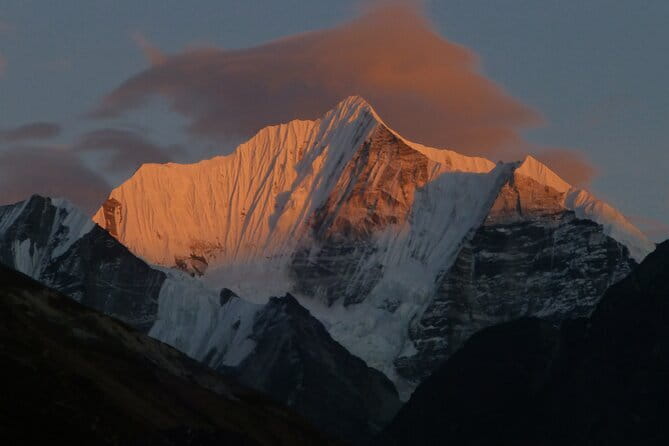
Langtang hits different when you want mountains without the Everest chaos. This 8-day trek runs from Kathmandu to Syabrubesi and back, with standout stops like Kyanjin Gompa and optional ridge views up high. You also get a close look at Tamang culture and the area’s rebuilding after the 2015 earthquake.
What I like most: the visit to Kyanjin Gompa (including the monastery complex and the famous cheese factory area) and how the trip feels cared for on the ground. In the feedback I saw, solo women reported feeling safe and relaxed, and people praised the guide and porter teamwork for being experienced and reliable—exactly what you want when the weather changes fast.
One thing to plan for is practical cost and effort. The trek is described for moderate fitness, and while many meals are included, the notes also say to budget for other meals (about $25/day), plus you’ll still be walking daily on uneven mountain paths.
In This Review
- Key takeaways before you go
- Why Langtang feels like a calmer Himalayan detour
- Tamang culture and post-2015 recovery you can see
- Getting to Syabrubesi: the ride that sets your pace
- Forest trails to Lama Hotel and the river rhythm
- Langtang Village and yak pastures: the heart of the trek
- Kyanjin Gompa and the cheese factory stop
- Cherco Ri ridge day: early start, packed snacks, and view payoff
- The easy-winding return: Lama Hotel downhill and Syabrubesi again
- Back in Kathmandu: finishing the circuit with less stress
- Permits, meals, and the value math of $1,110
- Guides, safety, and solo-friendly realities
- What to pack for this moderate-fitness trek
- Should you book this Langtang Valley trek?
- FAQ
- How long is the Langtang Valley trek from Kathmandu?
- What route does the trek follow?
- Is pickup from Kathmandu included?
- Are permits included?
- Are meals included in the price?
- What fitness level do I need?
- What if I need to cancel?
Key takeaways before you go
- Kyanjin Gompa + cheese factory area: a spiritual stop that also feels very local and real
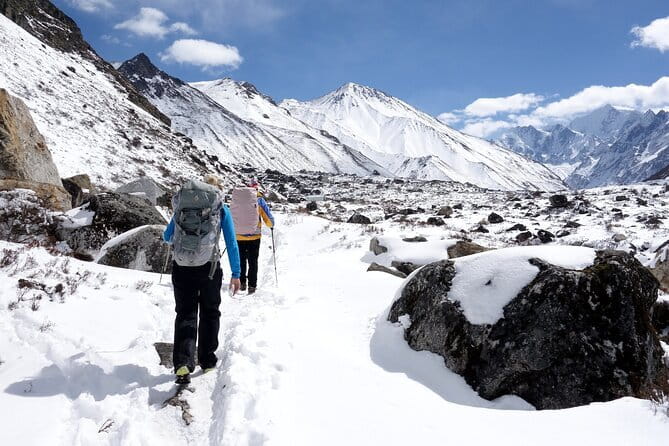
- Cherco Ri ridge day: early breakfast, packed snacks, and serious Himalayan views
- Tamang villages and rebuilding after 2015: see resilience up close, not just scenery
- Forest-to-river walking: rhododendron, oak, bamboo, suspension bridges, and gushing water sounds
- Permits handled: trekking permit and TIMS card are included, so you’re not scrambling paperwork
More trails out of Kathmandu, boots ready
- Everest Base Camp Trek – 14 Days★ 5.0 · 1,499 reviews
- Everest Base Camp Trek★ 5.0 · 842 reviews
- Everest Base Camp Trekking★ 5.0 · 485 reviews
- Nagarkot Sunrise View and Day Hiking from Kathmandu★ 5.0 · 471 reviews
Why Langtang feels like a calmer Himalayan detour
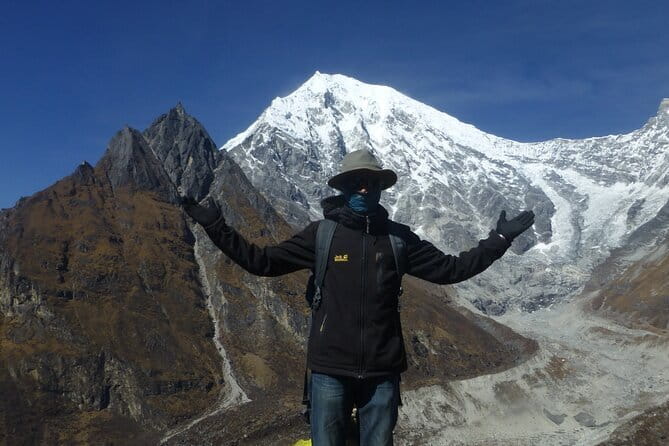
If you’re choosing between the big-name treks and something quieter, Langtang makes a strong case. You trade the crowds for smaller paths, more village time, and mountain moments that feel personal instead of rushed. The route stays anchored in classic Langtang geography: rivers, terraced villages, yak pastures, and then monastery-and-ridge days that earn your view.
I also like that this trek is set up as a true “from Kathmandu to trek to Kathmandu again” circuit. You’re not stuck piecing together rides, permits, and lodging by yourself. With hotel pickup and drop-off plus round-trip shared bus transport, the start and finish are less stressful—especially if it’s your first Himalayan trek.
Tamang culture and post-2015 recovery you can see
This is not only a mountain trek. It’s a cultural one, centered on the Tamang heritage with Tibetan-influenced traditions you can notice as you move through the villages and monastery sites. You’ll be walking through communities where everyday life continues—alongside prayer, local foods, and the rhythm of people building again.
One meaningful part is the focus on recovery after the 2015 earthquake. When the trail reaches Langtang Village, the route is presented as arriving in a place still healing and rebuilding. That changes the feel of the hike. You end up looking at the villages with more care, not just as photo stops.
Getting to Syabrubesi: the ride that sets your pace
Day 1 begins after breakfast in Kathmandu with a Himalayan drive to Syabrubesi. Plan on about 6 to 7 hours of travel, with a few breaks along the way. Roads crossing the Tirshuli area add variety, and the ride helps you acclimate your body to the longer travel day style that trekking in Nepal demands.
Practical tip: treat this first day as a warm-up for mountain logistics. Eat well before you go, keep your water handy, and avoid a heavy “I must get maximum photos” mindset during the drive. You’ll want your energy for the first proper trekking day after the road trip.
Forest trails to Lama Hotel and the river rhythm
Day 2 is your transition from road-to-trail. You walk for about 6 hours through dense forests with rhododendron, oak, and bamboo, and the sounds of the Langtang River are part of the experience. The route highlights suspension bridges, which often means short moments of nerves and lots of wind-in-your-face drama—good for breaking up the monotony of the climb.
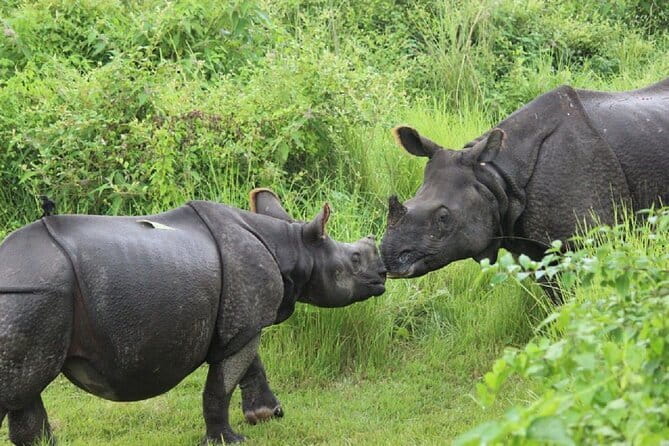
This is also the part where you may spot wildlife, with langur sightings mentioned as possible. Even if you don’t see any animals, the forest atmosphere is the reward: shade, smell of wet leaves, and that steady sound of water that keeps you moving.
A drawback to keep in mind: forest days can still feel tiring, because the trail can stay active underfoot. Good trekking shoes matter more than you think here.




Langtang Village and yak pastures: the heart of the trek
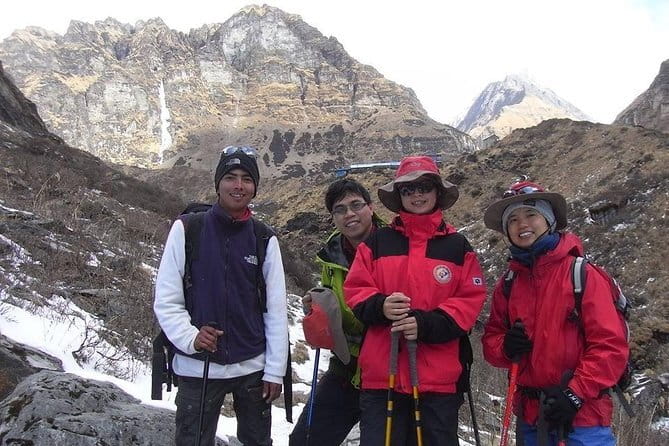
Day 3 takes you deeper into the Langtang story. You’ll hike for about 6 hours and climb through changing terrain until you reach Langtang Village. The trek highlights include expansive views of Langtang Lirung, traditional stone houses, and yak pastures.
This is the day where the trek stops feeling like “getting there” and starts feeling like “this is it.” Arriving at Langtang Village is described as a settlement still recovering after 2015. That detail shifts the vibe from purely scenic to human and grounded.
What you’ll likely enjoy most is the mix of big mountain sightlines and close-up village life. One minute you’re looking out at peaks; the next you’re watching everyday routines at the edge of the trail.
Kyanjin Gompa and the cheese factory stop
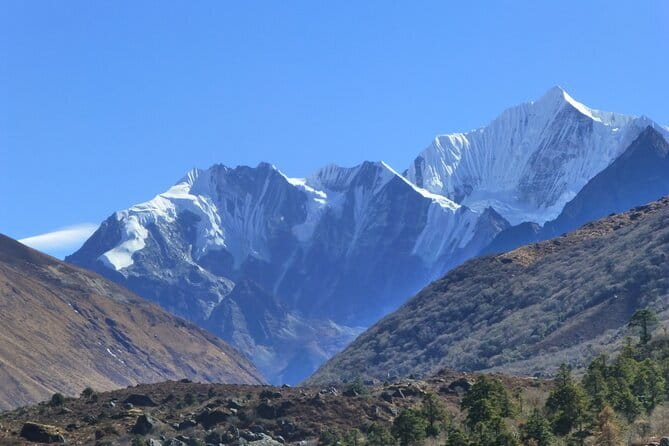
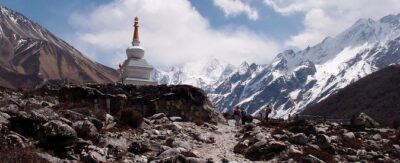
Day 4 is shorter at about 5 hours, and it’s framed as not being a big push. After breakfast, you head to Kyanjin Gompa, a principal monastery area. This is one of the clearest “spiritual center” days, with panoramic mountain views and ancient monastery elements that feel both old and still lived-in.
A fun practical detail: the route specifically calls out the Kyanjin Cheese Factory as famous. That means this is not only prayer and stone walls. You also get a very tangible taste of local production and what “life in the valley” looks like beyond trekking.
If you’re the type who likes slow moments—pauses for hot drinks, time to watch how people move through the monastery area—this day tends to suit that style well.
Cherco Ri ridge day: early start, packed snacks, and view payoff
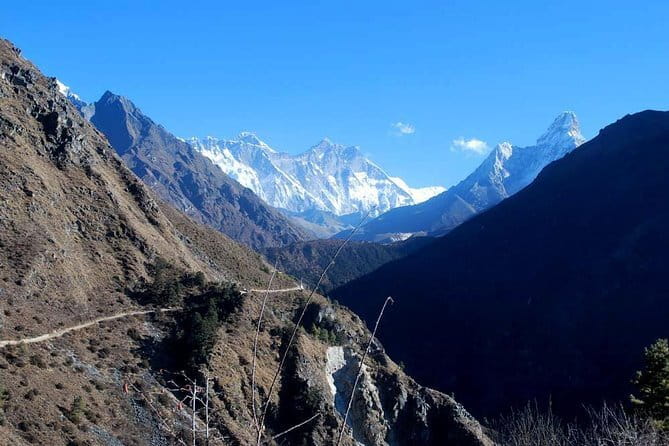
Day 5 is the big viewpoint day in this plan. You start early with breakfast at your hotel and you’ll carry packed snacks. The hike takes about 6 hours, and it begins after crossing a small wooden bridge over the Langtang River.
Then the climbing starts. The ridge-hike format here is designed to get you to a higher vantage point so you can look out over the Langtang region. The experience also notes that optional hikes like Kyanjin Ri or Tserko Ri are part of the wider Langtang appeal—so if your guide offers choices, you’re aiming at the same idea: get up early, walk steadily, and earn the long-distance views.
Consideration: this is where moderate fitness matters most. Even if you’re fine with hills, ridge days can feel steeper because the air is thinner and the sun can be stronger at higher elevations.
The easy-winding return: Lama Hotel downhill and Syabrubesi again
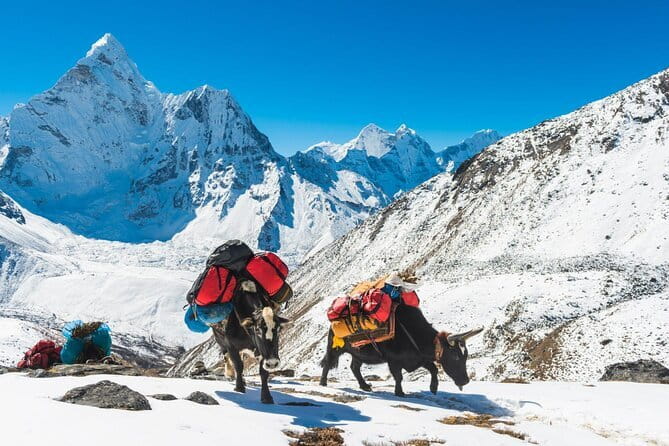
Day 6 brings a relief day feeling. You trek about 6 hours from Kyanjin Gompa back toward Lama Hotel, and it’s described as an easy downhill walk. That’s not “easy easy,” but it’s the kind of day where you can reset your legs and focus on the valley.
The highlights include riverside views and a sense of accomplishment. The valley narrows along the way, so the trail can feel more enclosed, and the water becomes a constant companion again—often a nice contrast to the ridge day.
Day 7 takes about 7 hours back to Syabrubesi, mostly descending. There’s also an optional way via Sherpagaun if you want something more scenic on the way out. This is a good day for travelers who don’t want a repeat of the steeper climbing and simply want to close out the circuit with good timing.
Back in Kathmandu: finishing the circuit with less stress
Day 8 is about travel back to Kathmandu. The schedule mentions about 6 hours on the road, crossing green hills, forests, riversides, and Nepal countryside. Once you arrive, you get a transfer to your selected hotel.
This final day is a mental shift. After days of trail rhythm, you’ll want to keep your evening simple—shower, eat something familiar, and let your body wind down. If you’re planning a Kathmandu night out, keep it light. Your calves may disagree.
Permits, meals, and the value math of $1,110
The price is $1,110 per person for roughly 8 days, and the value is mostly about what’s handled for you. Included items cover hotel pickup/drop-off, round-trip shared bus transport, trekking permit plus TIMS card, an English-speaking experienced trekking guide, guesthouse accommodation during the trek, and a first aid box with the guide.
Meals are mostly included too: the package lists breakfast for 7 days and lunch and dinner for 8 days. That matters because food planning can be a headache on the trail. Still, the notes also say all meals are not included (about $25/day). So I’d treat that as a reminder that snacks, drinks, and any extra meals outside the listed counts may cost extra. Budget with a little cushion and you’ll feel in control.
Bottom line on value: you’re paying for smoother logistics and less paperwork stress—plus trained local leadership. If you’d otherwise have to hire a guide, buy permits, and arrange transport, this package becomes more reasonable fast.
Guides, safety, and solo-friendly realities
A major “comfort factor” in this trek is the structure: an English-speaking trekking guide and support on the ground. In the feedback I saw, people praised the guides as experienced and reliable, and they mentioned feeling well looked after despite natural challenges along the way.
For solo travelers, safety isn’t only about roads or cell service—it’s also about knowing someone’s got the plan when weather shifts or the trail gets rough. One strong theme was that solo women felt safe and relaxed with the team’s kindness and care. That doesn’t remove all risk, but it makes the experience feel more steady.
One practical suggestion: even with a guide, keep your own pace honest. If you rush early, you’ll pay later on ridge and bridge sections.
What to pack for this moderate-fitness trek
This trek is described for people with moderate physical fitness. That’s a helpful label, but it still means you should pack for long days and changing mountain conditions.
Focus on the basics that keep you comfortable:
- footwear with solid grip for uneven trail and descents
- a warm layer for early mornings and ridge air
- a rain layer (mountains don’t ask permission)
- a daypack for snacks and water during longer segments
The itinerary has a mix of forest walking, uphill movement, and some downhill relief. Your packing should support all three, not just one perfect day.
Also remember: guesthouse lodging is included, but the trek environment will still require you to be flexible about comfort levels. Plan on “mountain simple,” not hotel luxury.
Should you book this Langtang Valley trek?
I’d book this if you want a Himalayan trek with real village time, monastery culture at Kyanjin Gompa, and view days like Cherco Ri—without aiming for Everest-level crowds. It’s especially appealing if you care about cultural context and want to see how communities are recovering.
I’d think twice if you don’t handle daily walking well, because even the “easy downhill” day still involves hours on trail. And if you’re trying to keep spending ultra-tight, double-check the meals situation and plan for personal extras beyond the listed included counts.
If your goal is the Langtang experience—Tamang culture, mountain ridges, and a route that feels human—this is a strong pick for a first-time-to-intermediate trek level.
FAQ
How long is the Langtang Valley trek from Kathmandu?
It’s about 8 days.
What route does the trek follow?
It’s a round-trip circuit that goes from Kathmandu to Syabrubesi, then trekking through places like Lama Hotel and Langtang Village, visiting Kyanjin Gompa, doing a ridge hike (Cherco Ri), and returning back to Syabrubesi before going back to Kathmandu.
Is pickup from Kathmandu included?
Yes. Hotel pickup and drop-off are included.
Are permits included?
Yes. Trekking permit and TIMS card are included.
Are meals included in the price?
Breakfast is listed for 7 days, and lunch and dinner are listed for 8 days. The notes also state that all meals are not included (about $25/day), so you should budget for meals or extras that aren’t covered in those counts.
What fitness level do I need?
The trip is described for travelers with moderate physical fitness. Physically ill persons are not indicated as suitable.
What if I need to cancel?
You can cancel for free up to 24 hours in advance for a full refund. If you cancel less than 24 hours before the start time, the amount paid is not refunded.
More Trekking Out of Kathmandu






More Tour Reviews in Kathmandu




Just Reviewed in Kathmandu
- Mountain Bike Tour
★ 5.0 · 3 reviews - Annapurna Panaroma
★ 5.0 · 3 reviews - Mount Everest Scenic Flight 50 Minutes
★ 5.0 · 3 reviews - Kathmandu : Swambhunath & Durbar Square Guided Half Day Tour
★ 3.3 · 3 reviews - Chandragiri Cable Car & Monkey Temple Tour – Private/Group
★ 5.0 · 3 reviews - Kathmandu: Shivapuri National Park Hiking Day Trip
★ 3.3 · 3 reviews
Langtang Valley Treks, compared.
 ★ 5.0Langtang Valley TrekFrom $555140 reviews
★ 5.0Langtang Valley TrekFrom $83061 reviews
Langtang Valley TrekFrom $70050 reviews
 ★ 5.08 Days Tour in Langtang Valley TrekFrom $69845 reviews
 ★ 5.0Private 8 – Day Langtang TrekkingFrom $58429 reviews
★ 5.0Langtang Valley TrekFrom $1,00023 reviews
 ★ 5.06-Day Limitless Langtang TrekFrom $18121 reviews
 ★ 5.0Langtang Valley TrekkingFrom $75020 reviews
Browse the lists this tour appears in