
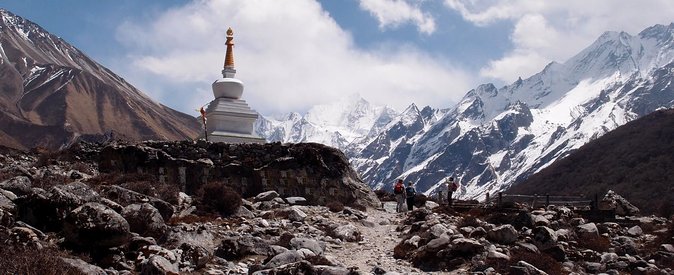
Review · LANGTANG VALLEY TREKS
Langtang Valley Trekking
Quiet peaks, big days, and tight logistics handled.
If you want a less crowded trekking region with forests, waterfalls, farmland, and Sherpa villages, this Langtang Valley trek is built to make the planning feel simple. You get a guide, transport out of Kathmandu, and the permits handled, so your main job is showing up and walking.
I love that it’s private, so your guide can pace you based on how you’re feeling. I also like the all-transport setup between Kathmandu and Syabrubesi, plus the included permits (TIMS and national park fees) that take the paperwork headache off your plate.
The one thing I’d flag is physical stamina. Several hiking days are listed as long, and you’ll be sleeping in local lodges where comfort is basic, not spa-level.
In This Review
- Key highlights worth your attention
- Langtang Valley trekking: why this route feels calmer
- Price and what you’re really paying for at $700
- The 4:45 pm start: your Kathmandu-to-Syabrubesi kickoff
- Day 2 to Day 3: from Syabru Besi into Lama Hotel and onward to Langtang village
- Days 4 to 5: Kyanjin Gompa, plus a real rest day that actually helps
- Days 6 to 7: the descent plan down to Lama Hotel and back to Syabru Besi
- Day 8: the 4 to 5 hour drive back to Kathmandu
- Lodges, breakfasts, and bottled water: how to pack smarter
- Guides, private pacing, and why it matters on steep days
- Who should book this Langtang Valley trek (and who should reconsider)
- Should you book the Langtang Valley trek with this operator?
- FAQ
- What is the duration of the Langtang Valley trekking trip?
- Where does this trek start and end?
- How much does the tour cost?
- Is pickup from Kathmandu included?
- What’s included with the trek meals?
- What about permits and entry fees?
- Do I need to bring my own sleeping bag?
- What is the cancellation rule for a full refund?
Key highlights worth your attention
- Private trek pacing with a guide who stays focused on your group
- Langtang Valley route that moves through villages, forest sections, and up toward Kyanjin Gompa
- A built-in rest/excursion day at Kyanjin Gompa so you’re not hiking every single day
- Lodge stays and breakfast included on trek days (twin sharing at local lodges)
- Permits included (TIMS, national park fees) so you don’t scramble for documents
- Bottled water provided to help you stay hydrated on the trail
More trails out of Kathmandu, boots ready
- Everest Base Camp Trek – 14 Days★ 5.0 · 1,499 reviews
- Everest Base Camp Trek★ 5.0 · 842 reviews
- Everest Base Camp Trekking★ 5.0 · 485 reviews
- Nagarkot Sunrise View and Day Hiking from Kathmandu★ 5.0 · 471 reviews
Langtang Valley trekking: why this route feels calmer
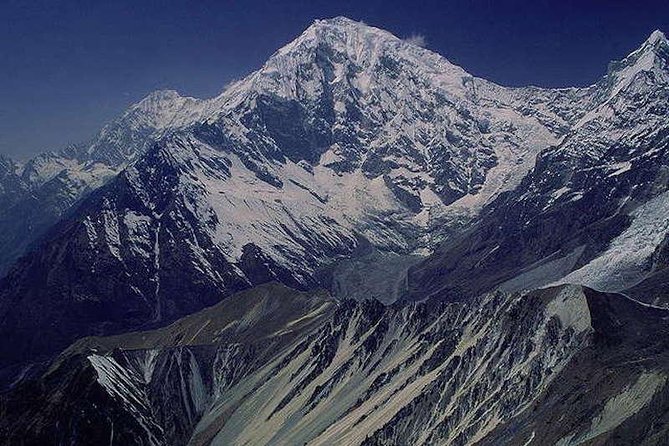
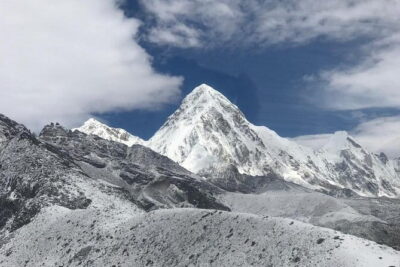
Langtang Valley has a different vibe than the flashiest Nepal trekking circuits. You still get the mountains and the day-after-day walking, but the route is designed to feel quieter—more time noticing details like trail forests and small village life, less time dodging crowds.
The valley’s character comes from how the trek strings together different kinds of scenery. One day can feel like a forest and hillside walk; another can shift toward farmland and settlement areas where you’ll see how people actually live. If you enjoy trekking for the day-to-day experience—not just a single viewpoint—this route fits.
And since you’re traveling with a guide, you’re not left guessing what you’re looking at. You’re hiking in unfamiliar terrain, and having someone there helps you feel confident about what’s ahead and what’s normal on this path.
Price and what you’re really paying for at $700
At $700 per person for an ~8-day trek, the key value isn’t the mountain views alone. It’s that the tour packages the moving parts that usually cost time, effort, and money: transport from Kathmandu, permits, lodging coordination, and a professional guide.
Here’s what the package includes that tends to add up fast when you plan on your own:
- Professional trekking guide
- Hotel pickup and drop-off
- Sharing jeep transport between Kathmandu and Syabrubesi (and back)
- Permits and fees including TIMS and national park fees
- Local lodge accommodation during trekking days (twin sharing)
- Breakfast on trek days (6 breakfasts listed)
- Bottled water for hydration
- Some trekking equipment if needed (sleeping bag and duffle bag)
What’s not included matters for budgeting. You’ll pay for food and drinks besides breakfast, and alcohol is also extra (available to purchase). You’ll also need your own travel insurance. The tour includes insurance and expenses for the trekking crew, but that’s not the same thing as covering you.
My take: you’re paying for fewer headaches. If you’re the type who wants to focus on the hike instead of logistics—this price can feel fair. If you’re trying to do this as cheaply as possible by sourcing everything yourself, you might do better going fully independent. But independence also means more risk and more planning.
The 4:45 pm start: your Kathmandu-to-Syabrubesi kickoff
Your day starts early in the Kathmandu timeline: pickup is scheduled with a start time of 4:45 pm. From there, you drive to Syabrubesi, and the drive time is listed at about 12 hours.
That long first stretch is not wasted time—it sets the trek up. By the time you reach Syabrubesi, you’re ready to walk rather than spend your first day figuring out transport, trailheads, and supplies.
Practical tip: treat this first night and the following morning like part of the trekking rhythm. Even though it’s a “drive day,” you’ll still want to sleep well, eat early, and keep your layers accessible. Mountain trekking punishes you for sloppy preparation—usually by day two.
Day 2 to Day 3: from Syabru Besi into Lama Hotel and onward to Langtang village
After arriving in Syabrubesi, you begin trekking the next day toward Lama Hotel. This day is listed at about 12 hours, which signals a slow grind rather than a quick hike. Think steady effort, not sprinting for a photo stop every 20 minutes.
What I like about this segment is that it’s your “transition training.” Your body gets used to walking at altitude-adjacent conditions (and the general rhythm of the region), while your eyes learn the valley’s patterns—how the trail threads through forested sections and settlement edges.
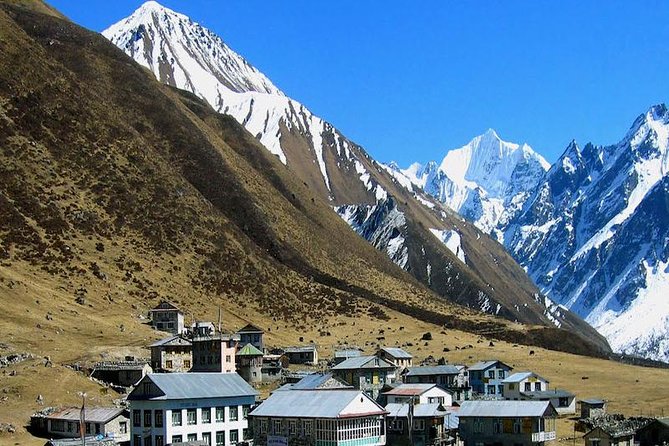
Then you move to Langtang village on Day 3 (listed at about 5 hours). This is where the trek shifts toward village life. You’re not just passing through scenery; you’re entering spaces that feel lived-in. That matters because it turns the trek into a cultural walk as much as a physical one.
If you enjoy small details—how paths connect to homes, how the village layout works, how people prepare for visitors—this day is a strong payoff.
Days 4 to 5: Kyanjin Gompa, plus a real rest day that actually helps
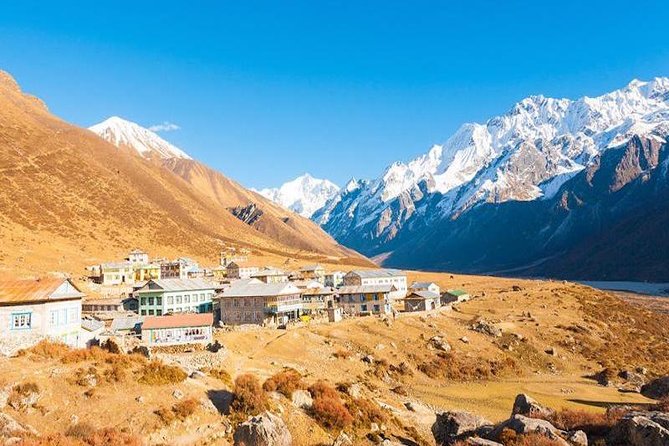
On Day 4, you trek up to Kyanjin Gompa in about 5 hours. This is a turning point in many people’s minds because you’re climbing toward the heart of the valley’s higher viewpoints and monastery area.
Kyanjin Gompa is also where you see why this trek is popular with people who want a mix of scenery and spiritual/cultural atmosphere. Your progress feels purposeful: forest and village segments gave you context, and this part gives you the sense of arriving.
Then comes the smart part: Day 5 is a rest day and excursion time at Kyanjin Gompa (listed around 3 hours). You’re not expected to keep grinding every day. Instead, you get time to explore at a lighter pace, which helps your legs recover for the descent later.
From a practical standpoint, this rest day improves the whole trip. Even strong hikers take a hit on steep days. The break helps you enjoy the higher area rather than moving through it like a tired commuter.
Days 6 to 7: the descent plan down to Lama Hotel and back to Syabru Besi
On Day 6, you trek down to Lama Hotel (about 5 hours). Descents feel easier than ascents until you remember one thing: downhill can smash your knees and feet. This is a day where pacing is everything. Don’t rush it. Your goal is to keep control, place steps carefully, and save energy for the final descent.
Then Day 7 takes you down to Syabru Besi (about 5 hours). The route includes a stop noted near Rasuwa Bazar / a “sova shop” (as listed). Even if that detail isn’t a headline attraction, it’s useful as a reminder: trekking days aren’t just about walking. They’re also about breaking up the journey so you can refuel and reset.
I like the way the final hiking days are framed. You’re not stuck hiking forever at the end, which makes the Kathmandu return feel like a finish rather than an afterthought.
Day 8: the 4 to 5 hour drive back to Kathmandu
On Day 8, you drive back to Kathmandu, and the drive time is listed at about 4–5 hours. Your route ends at Thamel, which is a very practical location for recovery—hot meals, pharmacy items, and a place to process what you just did.
Emotionally, day eight often hits differently. You’re tired, but you also get that sense of closure. It’s the day you can finally sit still without thinking, What’s the next step?
Lodges, breakfasts, and bottled water: how to pack smarter
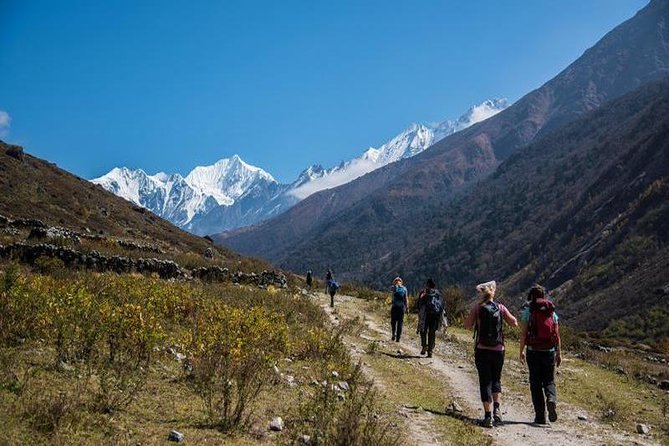
Accommodation is local lodge style on the trekking days, on a twin sharing basis. This usually means basic rooms, limited comforts, and a need to bring your own sleep setup mindset. If you’re used to hotels, treat the lodge as a warm bed and a shower-adjacent reality, not a full-service stay.
Breakfast is included (6 breakfasts listed). That’s valuable because it gives you a predictable fuel start. For everything else—lunch and dinner—you’ll be purchasing food and drinks on your own.
Bottled water is included, which is a helpful baseline for hydration. Still, it’s smart to plan for how you’ll handle thirst and refills throughout the day. In mountain trekking, dehydration turns into fatigue fast.
Equipment-wise, the tour notes that a sleeping bag and duffle bag are provided if needed. That’s great if you don’t want to buy trekking gear you’ll only use once. But it also means you should check what you’re bringing versus what’s covered, so you don’t end up with duplicate items.
Guides, private pacing, and why it matters on steep days
This is a private tour/activity, so you’re not stuck with a mixed-speed group that forces constant regrouping. Private guiding means your pace, your breaks, and your questions get attention.
In other Langtang treks run by this operator, hikers have specifically praised guides by name—people like Raam, Shankar Timalsina, Mingmar, Krishna, and TIka/Tikaram showed up in past experiences with strong support and friendly teamwork. I can’t promise which guide you’ll get on your exact week, but it’s a good sign that the company tends to build its trekking experiences around solid guide relationships.
Also, private guiding helps when weather changes or when someone in your group isn’t feeling 100%. The route may look fixed on paper, but in real mountain trekking, conditions and body states matter.
Fitness note: the tour calls for moderate physical fitness, and it’s not recommended for children under 12. If you’re new to trekking, you’ll still have a path forward—but you should be honest with yourself about long walking days and steep sections.
Who should book this Langtang Valley trek (and who should reconsider)
Book this if you want:
- A private experience with a guide handling logistics
- A trek that balances mountains with villages rather than only chasing summits
- An included structure for permits, transport, and lodge stays
- A calmer rhythm, including a rest/excursion day at Kyanjin Gompa
Consider a different plan if:
- You dislike long travel days. The Kathmandu-to-Syabrubesi drive is listed at about 12 hours
- You want meals fully included. Breakfast is included, but lunch and dinner aren’t
- You need family-friendly trek options for younger kids. The tour is not recommended under 12
If you’re the kind of person who enjoys quiet trails and learning how remote places actually work, this trek fits your style.
Should you book the Langtang Valley trek with this operator?
My answer: yes, if you want the hike without the admin fight. The strongest reason to book is how much the package removes from your plate—guide, transport, permits, and lodge coordination. At $700, you’re buying time saved and decisions avoided, not just “a place to walk.”
Also, don’t ignore the workload. Some days are listed as long, and the lodges are basic. If you’re prepared for that, you’ll get a trekking experience that feels real: villages, forests, and a monastery area you reach with effort.
If you want a deal, it can be tempting to book through third-party discounts. One past negative experience in the wider market mentioned subcontracting. So my practical advice is simple: before you pay, confirm exactly who is delivering the trek service on your dates.
FAQ
What is the duration of the Langtang Valley trekking trip?
The trek duration is listed as 8 days (approx.).
Where does this trek start and end?
It’s based in Kathmandu, Nepal. You’ll be driven to Syabrubesi and then back to Kathmandu, finishing around Thamel.
How much does the tour cost?
The price is $700.00 per person.
Is pickup from Kathmandu included?
Yes. Hotel pickup and drop-off are included, and your start time is 4:45 pm.
What’s included with the trek meals?
Breakfast is included (6 breakfasts are listed). Food and drinks other than breakfast are not included.
What about permits and entry fees?
The tour includes the necessary permits (TIMS) and national park fees.
Do I need to bring my own sleeping bag?
The tour notes sleeping bag and duffle bag are provided if needed.
What is the cancellation rule for a full refund?
You can cancel for a full refund if you cancel at least 24 hours in advance of the experience’s start time. If you cancel less than 24 hours before, the amount paid is not refunded.
More Trekking Out of Kathmandu
More Tour Reviews in Kathmandu
Just Reviewed in Kathmandu
- Mountain Bike Tour
★ 5.0 · 3 reviews - Annapurna Panaroma
★ 5.0 · 3 reviews - Mount Everest Scenic Flight 50 Minutes
★ 5.0 · 3 reviews - Kathmandu : Swambhunath & Durbar Square Guided Half Day Tour
★ 3.3 · 3 reviews - Chandragiri Cable Car & Monkey Temple Tour – Private/Group
★ 5.0 · 3 reviews - Kathmandu: Shivapuri National Park Hiking Day Trip
★ 3.3 · 3 reviews
Langtang Valley Treks, compared.
 ★ 5.0Langtang Valley TrekFrom $555140 reviews
★ 5.0Langtang Valley TrekFrom $83061 reviews
Langtang Valley TrekFrom $70050 reviews
★ 5.0Langtang Valley TrekFrom $555140 reviews
★ 5.0Langtang Valley TrekFrom $83061 reviews
Langtang Valley TrekFrom $70050 reviews
 ★ 5.08 Days Tour in Langtang Valley TrekFrom $69845 reviews
 ★ 5.0Private 8 – Day Langtang TrekkingFrom $58429 reviews
★ 5.0Langtang Valley TrekFrom $1,00023 reviews
★ 5.0Private 8 – Day Langtang TrekkingFrom $58429 reviews
★ 5.0Langtang Valley TrekFrom $1,00023 reviews
 ★ 5.06-Day Limitless Langtang TrekFrom $18121 reviews
 ★ 5.0Langtang Valley TrekkingFrom $75020 reviews
Browse the lists this tour appears in