
Review · MARDI HIMAL TREKS
Mardi Himal Trek
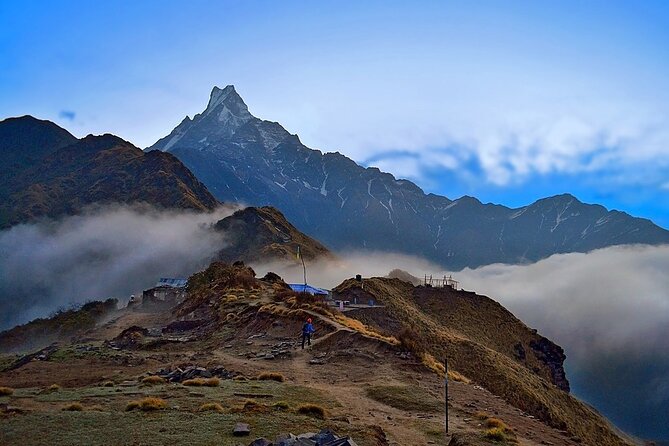
Mardi Himal rewards people who like quiet trails and big views. This short, newly explored route in Nepal’s Annapurna region sends you past rhododendron forests, into higher country near Mardi Peak and Machapuchhre, and toward a base camp setting that many trekkers never reach.
I like that the trek is built for real remoteness: you’re walking narrow paths through forest, then stepping up out of it around 3,310 m into harsher, clearer mountain country. I also like the way service shows up end-to-end, with pickup offered and friendly guiding that keeps things smooth from the start point to the drop-off—one reviewer specifically praised guide Bashu dev Bagale for being supportive and helpful.
One caution: this experience is weather-dependent, so if conditions are poor you may need a date change, and it’s not a trek where you want to arrive hoping for perfect visibility every single day.
In This Review
- Key Highlights You’ll Care About
- Why Mardi Himal Feels Like the Annapurna Back Door
- The 10-Day Shape of the Trek (Without the Guesswork)
- Phase 1: Early start and trekking day rhythm
- Phase 2: Rhododendron forest walking and slower pace
- Phase 3: Exiting the forest around 3,310 m
- Phase 4: Hidden valleys, rivers, and terraced farmland
- Phase 5: Base camp area near Mardi Peak and Machapuchhre
- Price and Logistics: What You’re Really Paying For
- What’s included (and why it matters)
- What’s not included (where you should plan ahead)
- The Trail Experience: More Than Just Views
- You’ll spend real time in the forest
- You’ll keep passing through lived-in places
- Wild animal and river energy could show up
- Guide Quality: Why People Keep Bringing Up Friendly Help
- What to Pack and How to Prepare (So the Trek Feels Good)
- When the Mountains Finally Clear: Your Payoff Moment
- Who This Trek Suits Best
- Final Call: Should You Book Mardi Himal?
- FAQ
- What is the duration of the Mardi Himal Trek?
- Where does this trek take place?
- What time is the meeting/start time?
- How much does it cost?
- What’s included in the trek meals?
- Is bottled water included?
- Are snacks included?
- Is this a private tour?
- What fitness level do I need?
- What happens if weather is poor?
Key Highlights You’ll Care About
- Rhododendron forest to high ridges: the route changes fast, from deep forest walking to exposed high views.
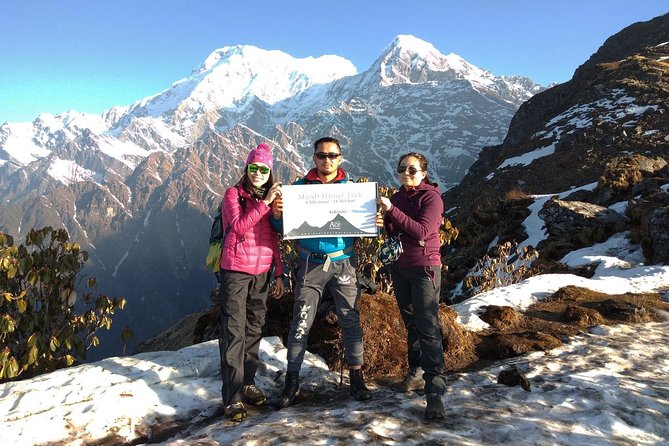
- Mardi Himal and Machapuchhre focus: you’re trekking in the orbit of Mardi Peak and the spectacular Machapuchhre.
- Big moments at viewpoints: the top-of-the-day feeling at the Mardi view point is a peak memory for many people.
- Meals handled during the trek: breakfast/lunch/dinner are included for the trekking days.
- Private group experience: it’s a private tour/activity, so it’s just your group.
- Guide support matters: reviews highlight friendly, engaging guidance—useful when the trail narrows and weather turns.
More trails out of Kathmandu, boots ready
- Everest Base Camp Trek – 14 Days★ 5.0 · 1,499 reviews
- Everest Base Camp Trek★ 5.0 · 842 reviews
- Everest Base Camp Trekking★ 5.0 · 485 reviews
- Nagarkot Sunrise View and Day Hiking from Kathmandu★ 5.0 · 471 reviews
Why Mardi Himal Feels Like the Annapurna Back Door
The Annapurna region is famous for crowded routes. Mardi Himal is different. This trek is positioned as an off-the-beaten-track option in a more secluded corner, and you can feel that in the day-to-day vibe: smaller trails, quieter valleys, and fewer encounters compared with the mainstream highlights.
What makes it especially appealing is the mix of scenery and “small surprises.” You start in forested walking through deep rhododendron areas. Then, without much warning, the environment changes into more rugged, high-mountain scenery. That shift is part of why people remember Mardi Himal even when they can’t remember every village name.
The mountains also do their job. Along the way you’re aiming for wide-angle view days that bring Mardi Himal, Machapuchhre, Hiunchuli, and Annapurna South into the same visual frame at different elevations. Even if clouds roll in at first, the trek structure gives you multiple chances for the kind of crisp mountain sightlines that make you stop mid-step.
The 10-Day Shape of the Trek (Without the Guesswork)
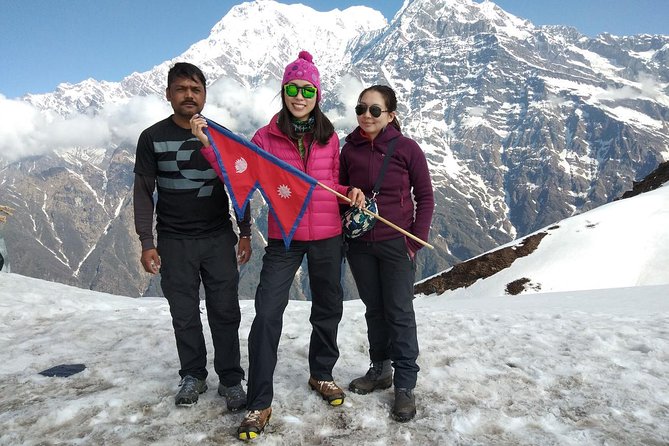
The tour runs about 10 days (approx.), and that’s a good length if you want a serious trekking experience without spending weeks on logistics. The information you’re given doesn’t list a strict day-by-day schedule in this package, so I’d think in terms of phases rather than exact dates.
Phase 1: Early start and trekking day rhythm
Your day typically begins early, with the meeting start time listed at 7:15 am. That matters. In mountain areas, mornings are when the trail is most pleasant—cooler temperatures, calmer skies, and less chance of wet, late-day scrambling.
Also note the trek description emphasizes local settlements and everyday rural life. That means mornings are not just about “moving uphill.” You’re also walking past terraced farms, small communities, and agricultural scenes that feel less like a scenic backdrop and more like actual land use.
Phase 2: Rhododendron forest walking and slower pace
One of the trek’s defining traits is time in rhododendron forests. The trail is described as small and labyrinthine through deep forest, which usually means fewer wide-open paths and more turning, stepping around roots, and staying aware of footing.
For you, that translates into a practical kind of challenge: it’s not only about altitude, it’s about endurance and attention. You’ll want solid hiking shoes and a steady pace. If you’re the type who likes to slow down for photos, this section rewards that habit.




Phase 3: Exiting the forest around 3,310 m
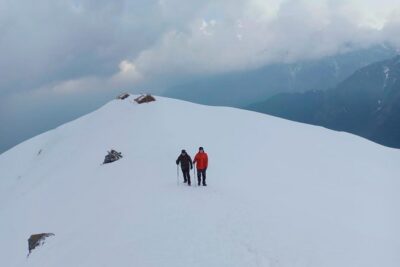
At about 3,310 m, you climb out of the forest. This is a turning point in the trek experience, because it’s where you often feel the air change and you start getting stronger mountain views. It’s also where the trail can feel more “mountain-like”—less greenery around you and more open sky.
From a planning perspective, treat this as the moment your gear and layers matter more. Even if it’s warm earlier, higher elevations can cool quickly, especially with wind.
Phase 4: Hidden valleys, rivers, and terraced farmland
The trek doesn’t just grind upward. The route passes hidden valleys, sparkling rivers, and terraced farms. You can expect moments where the terrain relaxes enough that your body can catch up while you still get changing scenery.
This is where you can also get the sense of local culture through normal daily routines—people tending land, moving through villages, and living in a landscape shaped by elevation and seasons.
Phase 5: Base camp area near Mardi Peak and Machapuchhre
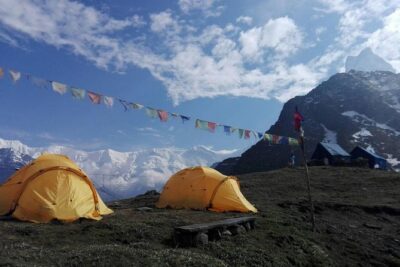
The destination is Mardi Himal Base Camp, at the foothills of Mardi Peak and the spectacular Machapuchhre. That matters, because it’s not just “reach a number on a map.” You’re reaching a place where the mountain presence feels close and physical.
The reviews also point to a strong payoff at the Mardi view point. That “top-of-the-day” moment is the kind of memory that makes the slog feel worth it, especially when the weather finally cooperates.
Price and Logistics: What You’re Really Paying For
The price is $1,080.00 per person for this 10-day experience. Trekking packages can range wildly, so here’s the practical breakdown of what’s included and why that changes the value equation.
What’s included (and why it matters)
You’re getting:
- Breakfast, lunch, and dinner during the trekking days (B/L/D)
- Lunch and three-meal coverage as described in the package details for the trek
- Private transportation
- A mobile ticket
- Use of snorkeling equipment (listed as included—worth asking how/when it’s used for your specific dates)
- Private tour/activity so it’s only your group
For most trekkers, meals are a big deal. When food is included during the trek, you don’t waste energy bargaining, planning, or doing cash math at every stop. It also helps keep your daily routine consistent, which is exactly what you want when you’re managing altitude fatigue.
What’s not included (where you should plan ahead)
- Bottled water is not included
- Snacks are not included
- If you want to use tap water, the package notes you may need to buy mineral water (so plan for water safety and cost)
So the cost isn’t just about “walking with a guide.” It’s also about reduced stress and smoother pacing.
One more logistics note: this is listed under Kathmandu, Nepal, but a reviewer specifically described pickup from Pokhara and drop-off back in Pokhara after the trek. That’s a perfect example of why you should confirm your exact start and finish points for your group before you lock everything in.
The Trail Experience: More Than Just Views
Mardi Himal’s draw is obvious: mountain views. But the day-to-day trek feels richer because of how the trail changes.
You’ll spend real time in the forest
Deep rhododendron forests are not just “pretty foliage.” Forest walking tends to slow you down, cools the air, and makes footing more technical. If you’ve only done easy trekking before, this is a good transition experience: challenging enough to feel like a trek, but not a Himalayan technical climb.
You’ll keep passing through lived-in places
The route includes local settlements, terraced farms, and rivers. This is where the trek feels more human scale. You might see how people organize daily life around elevation—work, travel, and feeding animals and crops.
Wild animal and river energy could show up
The package features mention wild animals and jungle safari. That doesn’t mean you’ll see something dramatic every day, but it does suggest the trek passes through environments where wildlife sightings are possible. Rivers and forest corridors often make spotting more likely, especially early and late.
So pack your patience and keep your eyes up. Quiet trails reward quiet attention.
Guide Quality: Why People Keep Bringing Up Friendly Help
Trekking is one part fitness, one part decision-making, and one part morale. A good guide helps all three.
From the reviews you provided, the recurring theme is friendly behavior and real help—especially from guide Bashu dev Bagale. The praise isn’t just for being nice; it’s for being present from pickup to drop-off and keeping conversations going. That kind of guidance matters when you’re tired and the trail gets confusing.
Also, one review comments the trek was well planned and fun, but could have been better if the itinerary had been followed. That’s a reminder: if you have strong expectations about timing or specific pacing, you’ll want clear communication with your operator and guide about how the schedule may shift with weather and trail conditions.
What to Pack and How to Prepare (So the Trek Feels Good)
You’ll want to treat this as a moderate-fitness trek. The package calls for moderate physical fitness level, so you should assume you’ll be hiking uphill for long stretches and adjusting to altitude.
Here’s practical preparation advice based on what the trek description implies (forest walking, steep changes, high elevation around and above 3,000 m):
- Bring layers for cool mountain mornings and warmer forest mid-days.
- Use good traction hiking shoes. Forest trails are root-and-rock reality.
- Plan for water management. Bottled water isn’t included, and you may need mineral water if you choose not to use tap water safely.
- Don’t rely on snacks being included. Bring a few favorites for the moments you need quick energy.
- Be flexible with weather. This trek needs decent conditions to work as promised.
One more odd-but-important note: snorkeling equipment is listed as included. I can’t confirm from the details when it’s used. Before you go, ask your operator whether you’ll have an actual chance for water activity or if the gear is simply part of the standard package.
When the Mountains Finally Clear: Your Payoff Moment
The emotional highlight here is the mountain payoff—especially at the Mardi view point and in the base camp area near Mardi Peak and Machapuchhre. The trek description also emphasizes that mountain views include Mardi Himal, Machapuchhre, Hiunchuli, and Annapurna South. That combination is the reason people keep talking about the top moment as the best part.
But here’s the honest truth: you should expect a weather mix. That’s why multiple elevation zones matter. Even if clouds soften one day, you may catch stronger sightlines later as you move higher and closer to the viewing areas.
Who This Trek Suits Best
Mardi Himal is a smart choice if you:
- Want an Annapurna trek that feels quieter and more remote
- Prefer a route with variety: forest, farms, rivers, and high views
- Like the idea of reaching a base camp setting near famous peaks
- Value solid meal planning during the trek
- Are comfortable with moderate fitness demands
It might not be ideal if you:
- Need a fully predictable schedule down to the hour
- Don’t want to handle water and snack choices yourself
- Are highly dependent on guaranteed clear skies (weather can affect what you see)
Final Call: Should You Book Mardi Himal?
If you want a trekking experience in the Annapurna region that doesn’t feel like a parade, Mardi Himal is a strong pick. The mix of rhododendron forest walking, sharp changes in elevation, and the focus on Mardi Himal and Machapuchhre gives you an experience with real shape—not just a single long uphill grind.
Book it if you like quiet trails, you’re okay with moderate effort, and you’re willing to let the mountain and weather set your tempo. Just confirm your exact pickup/drop-off point (Pokhara comes up in reviews), double-check how the snorkeling equipment fits your dates, and be ready for the fact that good weather is a requirement for the trek as planned.
FAQ
What is the duration of the Mardi Himal Trek?
The trek is listed as 10 days (approx.).
Where does this trek take place?
It’s in Nepal’s Annapurna region, with Mardi Himal Base Camp near Mardi Peak and Machapuchhre.
What time is the meeting/start time?
The start time is 7:15 am.
How much does it cost?
The price is $1,080.00 per person.
What’s included in the trek meals?
The package includes breakfast, lunch, and dinner during the trekking days (B/L/D).
Is bottled water included?
No. Bottled water is not included.
Are snacks included?
No. Snacks are not included, and the package notes that unlimited food is not included.
Is this a private tour?
Yes. This is a private tour/activity, and only your group participates.
What fitness level do I need?
You should have moderate physical fitness for this experience.
What happens if weather is poor?
The experience requires good weather. If it’s canceled due to poor weather, you’ll be offered a different date or a full refund.
More Trekking Out of Kathmandu






More Tour Reviews in Kathmandu




Just Reviewed in Kathmandu
- Mountain Bike Tour
★ 5.0 · 3 reviews - Annapurna Panaroma
★ 5.0 · 3 reviews - Mount Everest Scenic Flight 50 Minutes
★ 5.0 · 3 reviews - Kathmandu : Swambhunath & Durbar Square Guided Half Day Tour
★ 3.3 · 3 reviews - Chandragiri Cable Car & Monkey Temple Tour – Private/Group
★ 5.0 · 3 reviews - Kathmandu: Shivapuri National Park Hiking Day Trip
★ 3.3 · 3 reviews
Mardi Himal Treks, compared.
 ★ 5.0Mardi Himal TrekFrom $1,05841 reviews
 ★ 5.0Mardi Himal Trek NepalFrom $75029 reviews
 ★ 5.0Mardi Himal Trek – 8 Days | Hidden Gem of the AnnapurnasFrom $66619 reviews
 ★ 5.0Mardi Himal Base Camp Trek -9 DaysFrom $90018 reviews
★ 5.0Mardi Himal TrekFrom $82113 reviews
 ★ 5.0Mardi Himal TrekkingFrom $86613 reviews
 ★ 5.0Mardi Himal Trek – 12 DaysFrom $98012 reviews
 ★ 5.04 Days Mardi Himal Base Camp Trek – 4500 MetersFrom $2609 reviews
Browse the lists this tour appears in