
Review · MARDI HIMAL TREKS
Mardi Himal Trek
Mardi Himal hits a sweet spot: big mountain views without the huge trekking crowds. This 10-day route takes you deep into the Annapurnas, where you’ll hike through forests, rhododendron-covered ridges, and pasture country, with real chances to spot Nepal’s famous birds like the danphe. I especially like how the trek mixes nature with people, from Pokhara’s lakeside pace to village days with Rai, Limbu, and Chhetri communities.
Two things I like most are the wildlife moments and the cultural payoff. On a clear day you’re staring up at giants like Machapuchare, Dhaulagiri, and Annapurna South, and you may even catch a glimpse of red panda if conditions are right. The cultural side feels practical too, since you’re not just passing through towns—you’re spending time with mountain households and guesthouses run by locals.
One consideration: this isn’t a sit-easy stroll. The trail gets steep and sometimes narrow, and you’ll need to plan around basic mountain lodging (plus you’re responsible for your own trekking setup, including a 4-season sleeping bag).
In This Review
- Key things to know before you go
- Mardi Himal Trek: a value-focused Annapurna option
- Price and logistics: what $950 buys you (and what it doesn’t)
- Your operator: pickup, private group, and a guide you can count on
- Day 1 in Kathmandu: easy arrival, no stress setup
- Day 2 Pokhara: the lakeside warm-up day
- Day 3: from Phedi Khola up stone staircases to Pothana
- Day 4: uphill ridge to High Camp with rhododendron thinning
- Day 5: Low Camp lunch with Machapuchare’s fishtail and ridgeline views
- Day 6: sunrise ridge day and the best sights of the whole trek
- Day 7: turning around via Kokar and Siding village life
- Day 8: Siding to Lumle by foot, then a Jeep back to Pokhara
- Day 9: Pokhara to Kathmandu, plus stupas if you have energy
- Day 10 departure: airport transfer timing that respects your flight
- What to watch for on the trail (wildlife and scenery cues)
- Who this trek fits best (and who should think twice)
- Should you book the Mardi Himal Trek with Accessible Adventure?
- FAQ
- How long is the Mardi Himal Trek?
- What is the total price?
- Do you get pickup and drop-off?
- Is this a private group?
- What permits are included?
- What kind of accommodations are provided on the trek?
- Do I need to bring a sleeping bag?
- What’s not included besides airfare and visa?
Key things to know before you go
- Wildlife potential: keep an eye out for danphe (Nepal’s national bird) and possibly even red panda.
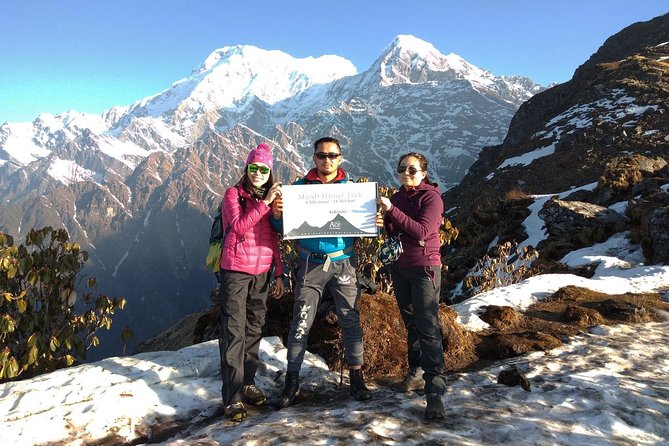
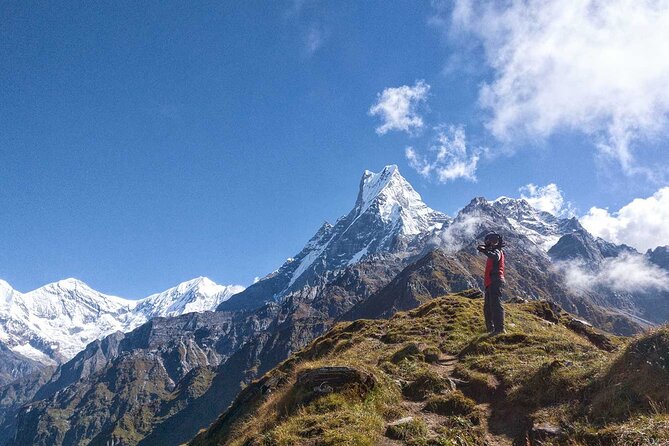
- Machapuchare and Annapurna sightlines: you’ll repeatedly get fishtail-shaped views and big ridgeline panoramas.
- Pokhara “reset day”: lakeside city time before you start climbing.
- A real trekking route, not just points on a map: uphill via stone staircases, then ridge walking through thinning trees.
- Less-touristy village time: you pass through places like Siding and other rural settlements en route back.
- Permits and guide/porter support included: TIMS and Annapurna Conservation permits are covered, with one porter between two people.
More trails out of Kathmandu, boots ready
- Everest Base Camp Trek – 14 Days★ 5.0 · 1,499 reviews
- Everest Base Camp Trek★ 5.0 · 842 reviews
- Everest Base Camp Trekking★ 5.0 · 485 reviews
- Nagarkot Sunrise View and Day Hiking from Kathmandu★ 5.0 · 471 reviews
Mardi Himal Trek: a value-focused Annapurna option
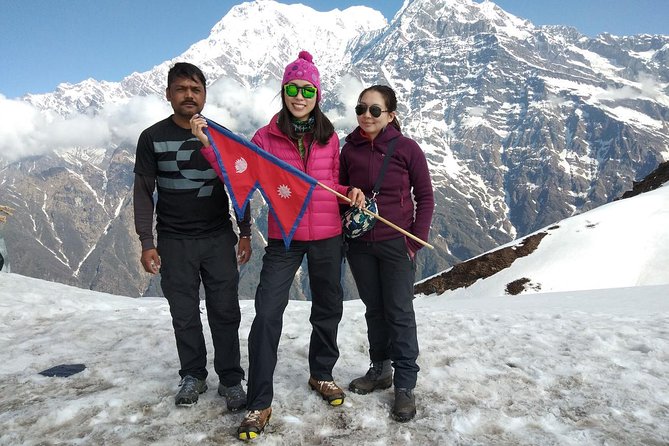
The Mardi Himal Trek is a great choice if you want Annapurna drama—without feeling like you’re hiking inside a theme park. You’ll spend days moving through different ecosystems, from shaded woodland paths to higher ridges where the vegetation thins out and shrubs take over. That change matters because it keeps the trek visually interesting even when the weather is partly cloudy.
The other reason this trek works is that it’s built around watching. When you’re walking ridgelines with rhododendron bushes, you’re also in good territory for birds. And when the trail climbs into grassier sections, you’re in the same zone where livestock owners and herders move through pastures. Even if you don’t spot everything, the rhythm of the hike encourages you to look up, look around, and notice what’s happening at trail level.
You also get the “Himalayas plus real life” combo. Pokhara isn’t just a transfer point; it’s where you’ll settle in, eat well, and potentially take a cruise on Phewa Lake. Then the trail carries you into smaller settlements where mountain households run guesthouses and daily life isn’t set up for tourism.
Price and logistics: what $950 buys you (and what it doesn’t)
At $950 per person, this trek sits in a middle band that feels reasonable once you look at what’s included. You’re getting permits, a guide, and porter support, plus accommodation during the trek. You’re also covered for pickup and drop-off by car/van as per the program.
Here’s the value breakdown that matters in real life:
- Permits included: TIMS and Annapurna Conservation Area permits.
- Guide + porters included: one highly experienced guide, and porters with a stated ratio of 1 porter between 2 members.
- Lodging included during the trek: twin sharing accommodation at guest houses.
What’s not included is equally important to plan for:
- Your international flights and the Nepal tourist visa.
- Trekking equipment—specifically, they call out bringing a 4-season sleeping bag.
- Day-to-day extras like alcohol, hot water/hot shower, cold drinks, laundry, phone calls, and internet.
If you’re someone who wants your costs to be predictable, this setup is fairly clear. Just don’t assume hot shower convenience or full-service comforts on the trail. Build your expectations around basic mountain guesthouse reality.
Your operator: pickup, private group, and a guide you can count on
This experience is handled by Accessible Adventure Pvt. Ltd. and it’s a private tour, meaning you won’t be mixed into a random crowd. That matters because trekking days can be smoother when your group’s pace and needs are aligned.
You should also like the planning structure. The tour includes pickup and drop-off, and you’ll receive a mobile ticket. In Kathmandu, an airport representative meets you at Tribhuvan International Airport outside the terminal with an Accessible Adventure signboard, then transfers you to your hotel in a private tourist vehicle.
On the people side, the reviews you’ll find for this company consistently mention a proactive, friendly approach from staff. One name that comes up is Mr. Shyaam, praised for energy and staying available as people plan. Another name you may encounter in planning conversations is Hari, and Mahendra is also mentioned in supportive context. Even if your exact guide differs, the pattern is the same: they staff this trek with people who focus on communication and on-the-ground support.
Day 1 in Kathmandu: easy arrival, no stress setup
Your first day is basically a clean landing. You’re met at Tribhuvan International Airport and taken to your Kathmandu hotel by private vehicle. This is helpful because it removes the “now what” feeling after arrival, especially if your flight timing is messy or you’re tired.
There’s also no pressure to do sightseeing immediately. You’ll have a buffer before you move to the trekking circuit, which is smart since multi-day treks punish over-planning.




Day 2 Pokhara: the lakeside warm-up day
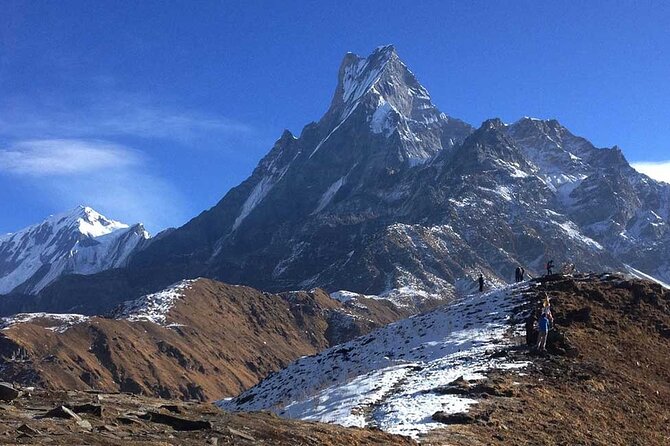
Pokhara is where the trip shifts from city logistics to mountain mindset. You’ll leave Kathmandu early—hotel pickup around 6:30 AM, then a tourist bus ride departing around 7:30 AM and taking roughly 6 to 7 hours. Along the way, you pass river valleys, terraced fields, and green hills.
Once you arrive, you check in and get your evening free to explore. Pokhara sits on Phewa Lake, so you can enjoy views of Machapuchare above town. If you want a simple reward after travel time, a boat cruise on the lake is a natural option. You can also enjoy fine dining in Pokhara if that’s your style.
This day matters because it’s your acclimation through rhythm, not altitude science. You’re not climbing yet—you’re easing into Nepal at street level before the trail starts asking questions.
Day 3: from Phedi Khola up stone staircases to Pothana
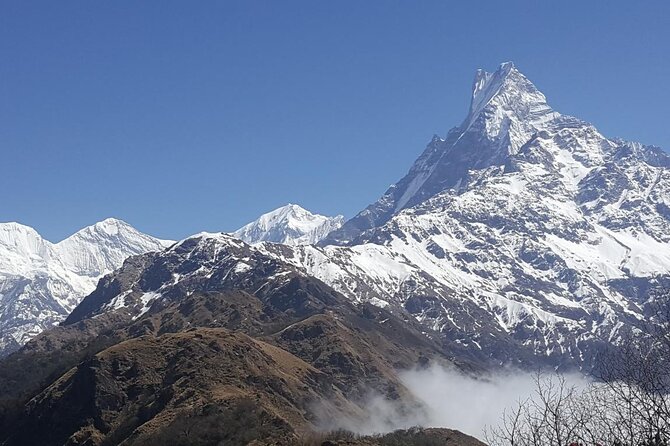
After breakfast in Pokhara, you ride to Phedi, then hit the trail. Today’s hike takes you through shaded woods and small villages, with steady ascent via stone staircases. That mix is good for first-timers or people who prefer a clear structure: you always feel like you’re making progress.
A key break comes near Dhampus, where you can pause for lunch and see views of the Annapurna range. It’s also the kind of stop where the air and light can change quickly, so it’s worth taking a few minutes even if you think you’ll catch the same view later.
After lunch, you continue to Pothana, a village known for traditional stone-built homes and paved paths, along with small modern touches like souvenirs and snacks. This is the right kind of “wake up your senses” day: not overly extreme, but clearly mountain trekking.
Practical tip: start this day mentally ready for uphill stair sections. They’re not just scenery; they’re part of the workout.
Day 4: uphill ridge to High Camp with rhododendron thinning
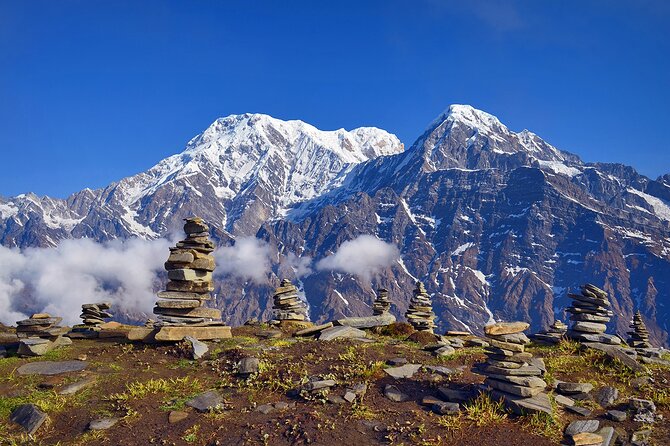
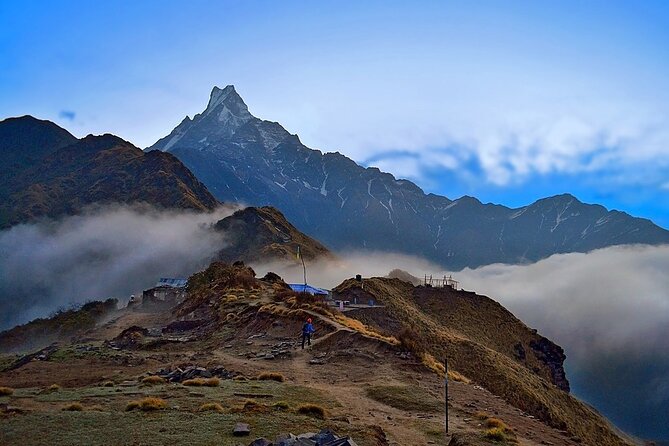
This is your transition into higher terrain. You’ll trek uphill along a ridge toward Mardi Himal and Machhapuchhre. Tree lines thin out, and the trail becomes more shrub-and-rhododendron based, which often means fewer birds and more “watch the sky” hiking.
You’ll ascend to High Camp, where you sleep. The payoff is the view—your vantage from camp is built for mountain gazing, with Machhapuchhre and surrounding giants in your field of view.
Wildlife potential is specifically part of today too. The trail description notes a chance to see daphne pheasant (connected with the danphe). Even if you don’t spot it, the bird-friendly habitat makes this a day to walk with a little patience, not just speed.
Overnight at High Camp is also a mental reset: you’re committing to the higher part of the route now, and the next days will feel more exposed.
Day 5: Low Camp lunch with Machapuchare’s fishtail and ridgeline views
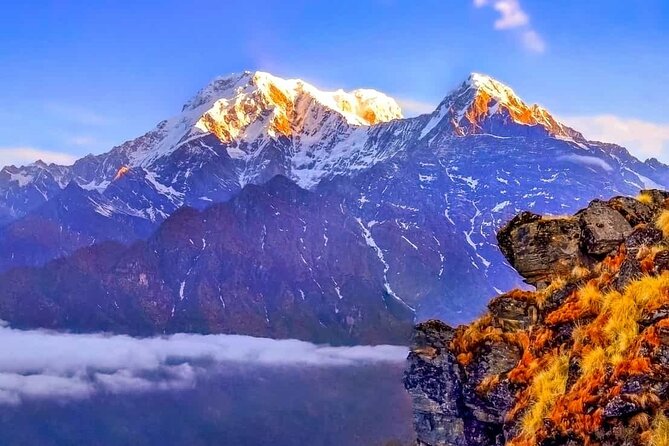
Today continues the climb through mossy woodlands and misty light that can look almost dramatic in photographs. After a few hours, lunch is at Low Camp, and this is where the fishtail-shaped Machapuchare view becomes a focal point.
As the trail turns westward, you’ll glimpse other major peaks like Annapurna South and Hiunchuli. This kind of repeated horizon exposure is one of the best parts of Mardi Himal: instead of one big “wow” view and then nothing, you get a steady stream of mountain framing.
The trail also passes through areas with abundant rhododendron bushes, which helps wildlife habitat. The danphe is referenced again as something you might see here if you haven’t yet.
This day is longer—about 8 hours on the schedule—so plan for a full trekking day rather than a casual one. Bring your focus. When you’re tired, the mountains feel farther away than they are, and you’ll want to remember you’re doing this one step at a time.
Day 6: sunrise ridge day and the best sights of the whole trek
If you like early mornings, this is your day. You’ll wake to catch sunrise in the Himalayas, then start walking toward a ridge vantage point described as offering the best sights of the entire trek.
The route follows an established trail through grassy pastures. Yes, the going is steep and occasionally narrow, but the payoff is that you’re walking above a certain kind of cloud-and-peak atmosphere. Along the way, you’re likely to see dzo (a yak-cattle hybrid) grazing, plus herders’ huts in summer pastures.
This is also a day where colorful danphe sightings are possible again if you missed earlier. The point isn’t just “spot wildlife.” It’s that the trek keeps giving you moments where daily mountain life and wild life share the same trail.
Day 7: turning around via Kokar and Siding village life
You’ll leave the highest mountain feel today, but you won’t just retrace steps. The plan is to return via a different route, heading back in the direction of Low Camp and then diverging toward Siding.
Siding is highlighted as having less tourist pressure, which is exactly why it feels special. Your hosts at Kokar are from this village, and it’s likely that your accommodations tonight are run by a family operating guesthouses both at Kokar and at Low Camp. That’s the best version of “community tourism”: real households hosting trekkers, not just a logo on a door.
There’s also more movement through local settlement life here, so your day-to-day experience shifts from “trail and views” toward “people and routines.” That balance is one of the reasons this trek doesn’t feel like a long hike with no human connection.
Day 8: Siding to Lumle by foot, then a Jeep back to Pokhara
After breakfast in Siding, you head toward the road, walking in the direction of Lumle. As you leave the higher trekking sections, you pass villages including Kalimati and Ghalel.
Kalimati is described as primarily Brahmin residents, while Ghalel includes a mix of Brahmin and Gurung ethnicities. It’s a useful cultural contrast after days in rural mountain lodging, because you start noticing how multiple communities coexist in the same geographic space.
Your hike ends at Lumle, where there’s a prearranged Jeep pickup back to Pokhara (about 2 hours). Then you’re free for a proper dinner in Pokhara and an easy night.
This day feels like the transition back to normal life. Your body gets a break from climbing, and your brain gets a moment to process what you just did.
Day 9: Pokhara to Kathmandu, plus stupas if you have energy
On your final full day, you take the tourist bus back to Kathmandu. Expect another 6 to 7 hour ride. Watching the countryside slide by is part of the reflection time—nice if you want to mentally replay the trek while you’re not busy hiking.
When you arrive in Kathmandu, you may have time for sightseeing after lunch. The two mentioned highlights are Swayambhunath and Boudhanath, two Buddhist stupas that are easy to reach and worth your attention if your legs still work.
This is also a good moment to do practical things: shower, laundry if you choose (not included on trail), and settle your thoughts before airport day.
Day 10 departure: airport transfer timing that respects your flight
A representative meets you at your Kathmandu hotel and takes you to the airport about three hours before your scheduled departure. This is exactly the right buffer for international flights, especially if Kathmandu airport lines can be unpredictable.
Then the trek fades behind you—but the pace stays in your memory. Mardi Himal tends to leave a calm feeling, not just a photo stack.
What to watch for on the trail (wildlife and scenery cues)
Mardi Himal is sold around big views, but the real joy is in the smaller signals that something special might be around the corner.
Keep your eyes open for:
- Danphe pheasant (Nepal’s national bird): you’ll hear about it in the context of higher sections and rhododendron habitat.
- Red panda: it’s mentioned as a possibility. You can’t count on it, but the itinerary encourages you to stay alert.
- Machapuchare’s fishtail: you’re positioned to see it from a key lunch stop at Low Camp and from ridgeline lookouts later.
- Dzo and herders’ huts: pasture sections are described as likely places to spot grazing and daily livestock life.
- Annapurna range panoramas: expect repeated horizon moments, not just one photo stop.
The best advice I can give you: don’t rush every viewpoint. A quick stop for a longer look is how you actually catch the wildlife moments, because animals react to movement and noise.
Who this trek fits best (and who should think twice)
This trek is described as suitable for people with moderate physical fitness. That’s a fair match for most travelers who can handle steep uphill hiking for multiple days, including a couple of longer days.
You’ll likely enjoy Mardi Himal most if you:
- want an Annapurna trek with strong views of Machapuchare and surrounding peaks
- care about wildlife and want a reason to look up and scan the habitat
- like the mix of city time (Pokhara) and rural settlement life (Siding and other villages)
- value having a guide and porter support rather than managing everything yourself
Think twice if you:
- are not comfortable with steep sections and occasional narrow trail segments
- expect hot showers and constant comfort on the route (the tour lists hot water/hot shower as not included)
- don’t want to pack your own required sleeping setup, especially the 4-season sleeping bag
Should you book the Mardi Himal Trek with Accessible Adventure?
If you want a strong Annapurna experience that stays practical on cost and logistics, I think this is a smart pick. The value comes from permits included, a real guide + porter plan, and the fact that the itinerary balances hiking with cultural time in Pokhara and smaller villages.
I’d book it if your dream trek includes wildlife chances, ridge views, and a route that changes enough each day to keep you interested. I’d hesitate only if you’re hoping for effortless hiking comfort or if you’re not ready for long travel days and steep trail segments.
If you do book, focus on one mindset: plan for basic mountain living, show up with a good fitness base, and give yourself time to look around. Mardi Himal rewards that kind of attention.
FAQ
How long is the Mardi Himal Trek?
The trek is listed as 10 days approximately, including transfers and time in Kathmandu and Pokhara.
What is the total price?
The price is $950.00 per person.
Do you get pickup and drop-off?
Yes. The program includes pickup and drop-off by car/van as per the program, including an airport representative in Kathmandu.
Is this a private group?
Yes. This is described as a private tour/activity, so only your group participates.
What permits are included?
The trek includes permits for the Annapurna Conservation Area and TIMS.
What kind of accommodations are provided on the trek?
You’ll stay in twin sharing accommodation at guest houses during the trek.
Do I need to bring a sleeping bag?
Yes. Trekking equipment is not included, and the tour specifically asks you to bring a 4 seasons sleeping bag.
What’s not included besides airfare and visa?
Not included are items like travel insurance, international airfare, Nepal tourist visa, hot water/hot shower, laundry, phone call/internet, and any alcoholic drinks/cold drinks.
More Trekking Out of Kathmandu






More Tour Reviews in Kathmandu




Just Reviewed in Kathmandu
- Mountain Bike Tour
★ 5.0 · 3 reviews - Annapurna Panaroma
★ 5.0 · 3 reviews - Mount Everest Scenic Flight 50 Minutes
★ 5.0 · 3 reviews - Kathmandu : Swambhunath & Durbar Square Guided Half Day Tour
★ 3.3 · 3 reviews - Chandragiri Cable Car & Monkey Temple Tour – Private/Group
★ 5.0 · 3 reviews - Kathmandu: Shivapuri National Park Hiking Day Trip
★ 3.3 · 3 reviews
Mardi Himal Treks, compared.
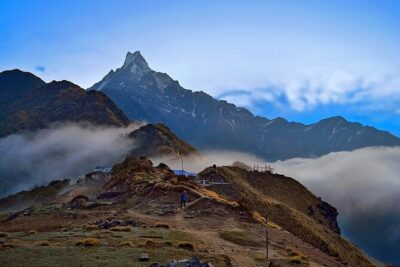 ★ 5.0Mardi Himal TrekFrom $1,05841 reviews
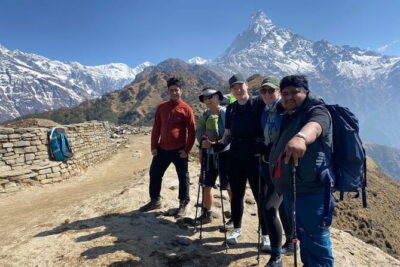 ★ 5.0Mardi Himal Trek NepalFrom $75029 reviews
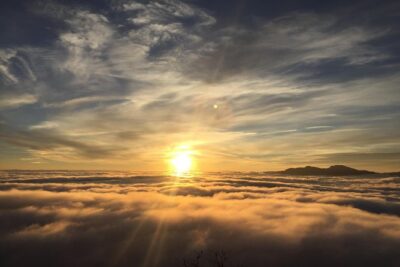 ★ 5.0Mardi Himal Trek – 8 Days | Hidden Gem of the AnnapurnasFrom $66619 reviews
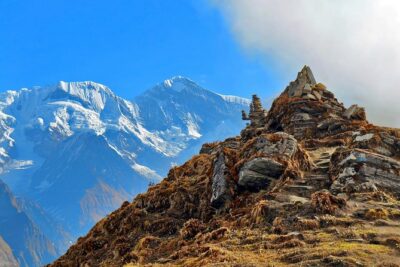 ★ 5.0Mardi Himal Base Camp Trek -9 DaysFrom $90018 reviews
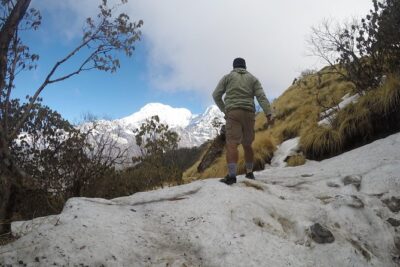 ★ 5.0Mardi Himal TrekkingFrom $86613 reviews
★ 5.0Mardi Himal TrekFrom $82113 reviews
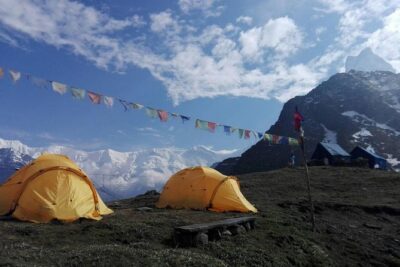 ★ 5.0Mardi Himal Trek – 12 DaysFrom $98012 reviews
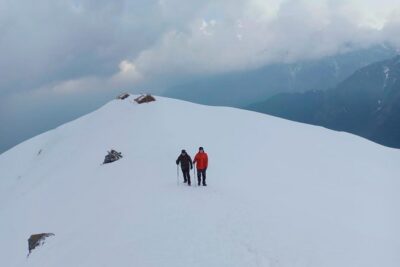 ★ 5.04 Days Mardi Himal Base Camp Trek – 4500 MetersFrom $2609 reviews
Browse the lists this tour appears in