
Review · MARDI HIMAL TREKS
Mardi Himal Trek – 9 Days
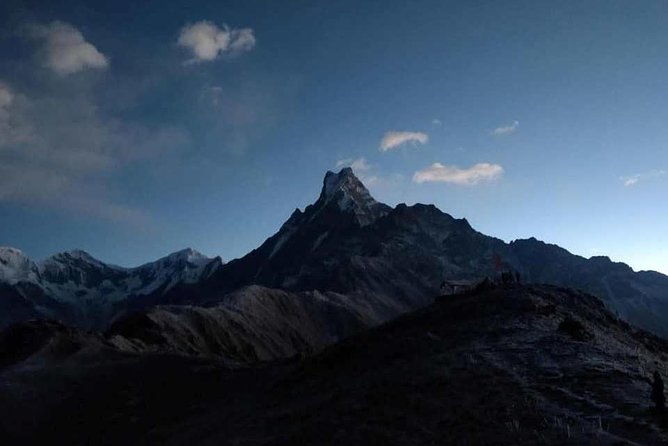
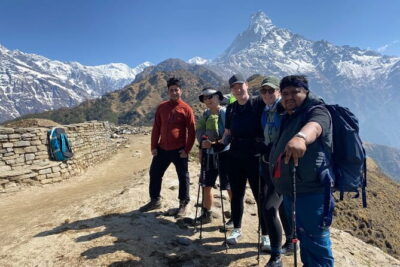
Mardi Himal starts before dawn. This trek is interesting because you get 4am sunrise views at the main viewpoints, then you’re still hiking through real forests and local villages afterward, not just chasing a single peak photo. I love the English-speaking guide support and how the team looks after meals and lodge comfort step by step. One thing to consider: it’s long walking days with early starts, so you’ll want at least moderate fitness for the cool, thin-air conditions.
What makes this particular operator feel practical is the way the trip is handled as a full route, not random transfers. You also get useful trekking gear (a warm down jacket and sleeping bag for the trek) and carried comforts like hot drinks on the trail. If you come expecting luxury or hot showers every night, plan to adjust, because some comforts are clearly not part of the package.
In This Review
- Key highlights worth your attention
- Why Mardi Himal feels good when you want views plus real village days
- Before you go: Kathmandu arrival, permits, and the paperwork that matters
- Days 1–2 in Kathmandu: getting oriented and catching Himalayan glimpses
- Days 3–4: into the forest and toward Fish Tail style views
- Day 5: 4am start, Mardi viewpoint, and the base camp push
- Day 6: Badal Danda sunrise and the start of the downhill story
- Day 7: local village walking and culture that feels like daily life
- Day 8: tea gardens, village lifestyle, and a drive back to Pokhara
- Day 9–10: history time, farewell dinner, shopping, and safe flights
- Price and logistics: what $1,315 likely covers and what you’ll still pay
- Lodges, meals, and the kind of comfort you can actually count on
- Guide and porter support: why the team becomes part of the trek
- What to pack and how to stay comfortable at altitude
- Who this trek suits best (and who might reconsider)
- Should you book the Mardi Himal Trek with this operator?
- FAQ
- How many days is this Mardi Himal Trek, and what happens on the last day?
- Where does the trip start, and what area is listed for the meeting point?
- What accommodation is included in Kathmandu and Pokhara?
- Are trekking permits and TIMS cards included?
- What documents do you need to provide for the trekking permit and TIMS card?
- What trekking gear is provided?
- Are meals and warm drinks included on the trek?
- What is not included that you should budget for?
- If I cancel, will I get a refund?
Key highlights worth your attention
- 4am sunrise plan built around Mardi viewpoint timing and a base camp push
- Forest-to-open-sky hiking that keeps changing the scenery day to day
- Lodge meals and hot drinks included so you’re not rationing energy
- Private-group feel where your guide and porters run the schedule for your group
- Gear provided: warm down jacket, sleeping bag, waterproof duffel, and a trekking T-shirt
- Kathmandu and Pokhara included with hotel nights, breakfast, and transport
More trails out of Kathmandu, boots ready
- Everest Base Camp Trek – 14 Days★ 5.0 · 1,499 reviews
- Everest Base Camp Trek★ 5.0 · 842 reviews
- Everest Base Camp Trekking★ 5.0 · 485 reviews
- Nagarkot Sunrise View and Day Hiking from Kathmandu★ 5.0 · 471 reviews
Why Mardi Himal feels good when you want views plus real village days
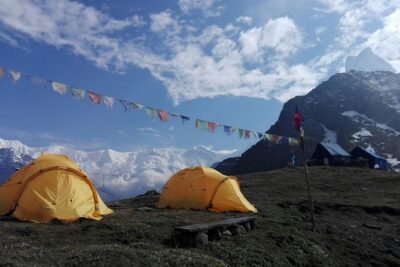
Mardi Himal sits in the Annapurna region, but the route doesn’t feel like one long conveyor belt of the same moment. You’ll hike through forest sections, then transition to more open views as the trail climbs. That rhythm matters. It means your eyes get a break from staring uphill the whole time, and your legs get a break from constant rock scramble energy.
Then there’s the cultural side. You spend time trekking down into local villages and seeing daily life up close. It’s not museum culture. It’s tea, walking, chatting, and watching how people live at higher altitude.
Before you go: Kathmandu arrival, permits, and the paperwork that matters
This trek starts in Kathmandu. You’ll have transport arranged from arrival until departure, plus 2 nights in a Kathmandu hotel with breakfast. You’ll also get your trek permits handled: TIMS cards and the trekking permit are included.
To make that happen, you need to send the operator your flight details and documents for your trekking permit. The exact requirements listed are:
- Your passport copy
- Passport-size photo
- Flight details
So do yourself a favor: don’t wait until the last minute. Get those items ready and send them promptly.
Nepal entry visa information is also part of your planning. The data provided says you can apply on arrival in Kathmandu airport. It lists:
- 15 days: USD 25
- 30 days: USD 40
International flights and the Nepal entry visa fee are not included in the trek price, so budget for them separately.
Days 1–2 in Kathmandu: getting oriented and catching Himalayan glimpses
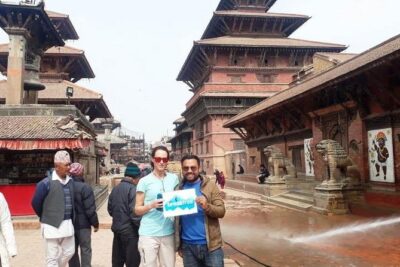
After landing, your first day is a Kathmandu intro. You explore Nepal culture in Kathmandu, with the trip’s logistics already in place. This is a smart way to start, because trekking goes smoother when you’re not stuck dealing with transport or confusion right after a flight.
Day 2 is your weather-dependent preview. The plan says if the weather is clear, you’ll see the Himalayan range and local villages. This is exactly the kind of day you want. You’re not pushing hard yet. You’re letting your body adjust while you build excitement for the real mountain hike.
A practical point: Kathmandu and high-altitude treks demand cold-weather readiness even when it feels sunny. Bring sun protection, and plan for big temperature shifts.
Days 3–4: into the forest and toward Fish Tail style views
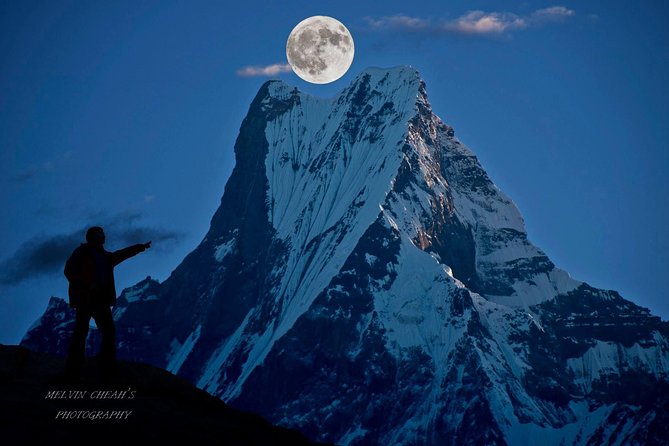
Day 3 shifts from city energy to trail life. The description focuses on the path going into the area near Machhapuchhre, often called Fish Tail, plus forest walking. If you’ve never hiked in a dense mountain forest, it’s worth knowing what that feels like: less glare, cooler shade, and more sounds from birds and wind than from traffic. It’s a good balance to the high-view days later.
Day 4 keeps you moving through forest sections, still in mountain country, and the day gets longer. The plan notes the trail opens up with more mountains in view. That transition matters. Forest days soften your legs and prepare you for the later sunrise-style effort.
If you’re the type who hates predictable schedules, this is one reason you might enjoy Mardi Himal: the scenery changes enough to keep your brain awake, even when your legs are tired.
Day 5: 4am start, Mardi viewpoint, and the base camp push
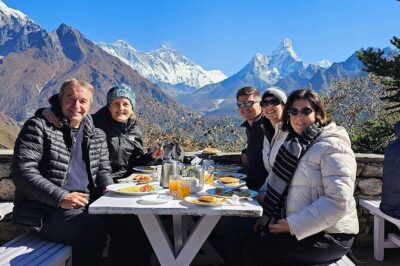
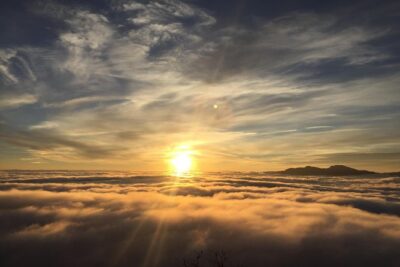
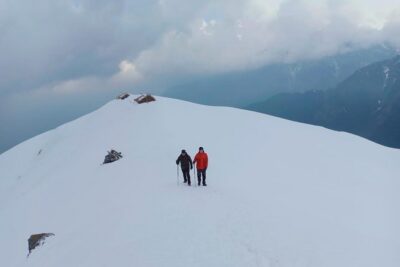
Day 5 is the day most people talk about because it’s the sunrise day. The plan calls for walking at 4am toward the Mardi viewpoint and then heading to base camp. The time estimate given is about 4 to 5 hours for the base camp segment, followed by trekking back to Badal Danda.
This structure is both romantic and demanding. The romantic part is obvious: sunrise lighting can turn ridges into sharp silhouettes. The practical part is the pacing. Starting before dawn helps you avoid harsher daytime conditions, and it gives you the best odds of clearer skies.
What to consider: you’ll feel tired before you even see the view. Bring layers you can adjust quickly, and eat something small before you go if your body allows it. On a sunrise hike, you’re not just walking. You’re syncing your energy with cold mornings and steady uphill effort.
Day 6: Badal Danda sunrise and the start of the downhill story
Day 6 is built around another key viewpoint. Badal Danda is described as one of the best sunrise points and also as the last viewpoint stop on the trek. Then the route starts dropping toward local villages.
This is where the trek becomes less about summit ambition and more about enjoying the trail as it winds downward. Descents can be rough on knees, but they’re often mentally easier because you’re not constantly climbing into thinner air. You’ll still work, just in a different way.
If you’re someone who likes photography, the morning timing here is gold. You get a last sunrise moment, and then the rest of the day can feel like a calmer transition into village life.
Day 7: local village walking and culture that feels like daily life
Day 7 keeps you moving through local village areas, with the plan highlighting local cultures. This is the day where you stop thinking of the trek as only scenery and start thinking of it as people and routines.
Since the details provided don’t list specific community stops, what you can expect is more general but still valuable: you’ll walk among villages and see how life is organized at higher altitude. That matters because Mardi Himal is often chosen by trekkers who want both Himalaya views and everyday mountain living.
Day 8: tea gardens, village lifestyle, and a drive back to Pokhara
Day 8 includes an early morning exploration of a Himalayan tea garden and village lifestyle. Then you drive back to Pokhara, with time described as free and easy.
This is one of the smarter ways to structure the last half of a trek. Instead of immediately swapping one extreme for another, you get a gentler morning activity and then a downhill transport day.
Pokhara is your decompression zone. You’re not stuck with more formal touring on this day. That flexibility can be useful for laundry, rest, or simply walking around and eating something you missed.
Day 9–10: history time, farewell dinner, shopping, and safe flights
Day 9 is your last full day on the schedule. It includes more exploration of Nepal history and a farewell Nepali culture dinner. Then Day 10 is short and practical: last-minute shopping, and then the company helps you prepare for your safe flight out of Kathmandu International Airport.
Two things to keep in mind:
- If you plan to shop, do it with daylight hours in mind.
- Don’t overcommit on your final day. Your body will already be worn from multi-day walking.
The farewell dinner can be a fun way to close the loop with the team. This trek is very much a group effort, even in a private setup.
Price and logistics: what $1,315 likely covers and what you’ll still pay
The listed price is USD 1,315.00 per person, and it’s best understood as a “route management” bundle. You’re paying for planning, permits, transport, meals, and the people who make the trek run smoothly.
Here’s what’s included (based on the provided info):
- Arrival to departure transportation
- 2 nights hotel in Kathmandu with breakfast
- 1 night hotel in Pokhara with breakfast
- Farewell Nepali culture dinner
- Lodges with breakfast, lunch, dinner plus tea/coffee
- Hot drinks on trek like hot lemon/ginger honey and hot chocolate
- Comfortable lodges and meal service throughout the trekking days
- Warm down jacket and sleeping bag for the trek
- Walking pole after the trek is returned to the company
- Trekking duffel bag (waterproof) and T-shirt
- Flight from Kathmandu to Pokhara to Kathmandu
- Private transport Pokhara to Dhampush Village and Lumre to Pokhara
- Friendly speaking English guide and strong porters
- TIMS and trekking permit
- Medical kit along the trek
- Insurance for the guide and potters during the trek
- All government and local taxes if necessary
What’s not included matters too, because it can change your final spend:
- Cold drinks and mineral water
- Hot shower
- Phone use and laundry
- Bar bills along the trek
- Tips for guide and potters
- Altitude sickness and any kind of medical care
- Kathmandu and Pokhara lunches and dinners
- International flight ticket and Nepal entry visa fee
So is this good value? For many people, yes, because the trek includes most of the hard-to-coordinate parts: permits, flights, meals, and the trekking team. If you were trying to piece that together yourself, you’d likely spend time (and risk mistakes) on top of paying for logistics. The big trade-off is that you’re locked into what’s included. You’re not buying luxury add-ons here.
Lodges, meals, and the kind of comfort you can actually count on
On the trek, you’ll be staying in lodges or rest houses, with meals included. The provided list is specific about drinks, which tells you something important: you’re not just getting plain water and hope.
Included on the trail are breakfast/lunch/dinner, tea/coffee, and warm drinks like hot lemon/ginger honey and hot chocolate. That’s the difference between feeling chilled and feeling like your body can recover. It’s also practical for dawn departures when you’re cold before you’re hungry.
Hot showers aren’t included. So think about washing strategically. You’ll likely use basic wipes and focus on clean layers instead of expecting daily spa-level shower comfort.
Guide and porter support: why the team becomes part of the trek
Mardi Himal is a classic trekking route, but it still demands steady planning: timing sunrise, keeping the group moving, and managing food and lodging changes day to day. This is where your guide and porters matter.
The supplied reviews highlight excellent service and strong care for safety, meals, and accommodations. They also mention an English-speaking professional team and the ability to handle mixed groups. One review specifically references Urja and the operator team, and praises the way everything stayed smooth.
In practical terms, a good guide:
- Keeps you on schedule for early starts
- Helps with lodge and meal coordination
- Gives you confidence when weather shifts
Porters are also key. Even if you carry a daypack, your main load matters at 4am and on descents.
What to pack and how to stay comfortable at altitude
The trip info includes gear guidance, and it’s worth following because the list is aimed at temperature swings and sun exposure.
Bring:
- Windproof outer jacket and warm down-filled jacket (the tour provides a warm down jacket, but you can still add layers if you run cold)
- Gloves, hat/cap, sunglasses, sunblock, lip balm
- Comfortable trousers (men) and loose skirts (women) for daytime
- Lightweight trekking shoes and warm woolen/thermal socks
- Thermal undergarments for night
- Flashlight and spare batteries
You’ll also be advised not to take flashy items and to be cautious around your surroundings. There’s also guidance about not giving money to street children/beggars. And temple etiquette is included: temple entry may be limited for non-Hindus, and leather articles are prohibited inside temple precincts.
This isn’t just rules for rules’ sake. It helps you travel without awkward situations and keeps your mind on the trek.
Who this trek suits best (and who might reconsider)
This trek is described as suitable for people with moderate physical fitness. If you can handle long walking days and early mornings, you’ll likely do well.
You’ll especially enjoy it if you want:
- A route with Himalayan sunrise moments and viewpoint planning
- A mix of forest sections and open-mountain scenery
- Village culture days after the main climbing effort
- A managed private-group experience with meals covered
You might reconsider if you:
- Need daily hot showers or lots of free time in every city
- Want a fully independent trek with minimal structure
- Expect medical support beyond what a basic kit provides (altitude sickness and medical care are not included)
Should you book the Mardi Himal Trek with this operator?
If your goal is a well-run Mardi Himal trek where the route, permits, transport, and most meals are handled, this looks like a strong match. The value is real: you’re getting Kathmandu and Pokhara hotels with breakfasts, Kathmandu-Pokhara flights, private transfers into and out of the trekking area, and a consistent lodge-and-meal setup with warm drinks along the trail.
I’d only say “book carefully” if you know you’ll be unhappy without hot showers, if you dislike very early starts, or if you don’t want to manage the extra costs not included (water, cold drinks, tips, and visa/international flights). If that stuff is okay with you, then Mardi Himal is exactly the kind of trek that pays off quickly once the sunrise lights the ridgelines.
FAQ
How many days is this Mardi Himal Trek, and what happens on the last day?
The trek is described as about 10 days. Day 10 includes last-minute shopping in Kathmandu and help to ensure a safe flight from Kathmandu International Airport.
Where does the trip start, and what area is listed for the meeting point?
The meeting point is in Kathmandu, specifically listed as Kathmandu Valley, Bagmati Zone, Central Region.
What accommodation is included in Kathmandu and Pokhara?
You get 2 nights in Kathmandu in a hotel with breakfast, plus 1 night in Pokhara in a hotel with breakfast.
Are trekking permits and TIMS cards included?
Yes. The trekking permit and TIMS cards are included.
What documents do you need to provide for the trekking permit and TIMS card?
You need your flight details, a copy of your passport, and a passport-size photo.
What trekking gear is provided?
The trip includes a warm down jacket and a sleeping bag for the trek, plus a waterproof trekking duffel bag and a trekking T-shirt. A walking pole is provided and is returned to the company after the trek.
Are meals and warm drinks included on the trek?
Yes. Lodges with breakfast, lunch, dinner, and tea/coffee are included, along with hot lemon/ginger honey and hot chocolate on the trek.
What is not included that you should budget for?
Not included are cold drinks, mineral water, hot shower, phone and laundry/any bar bills along the trek, tips for guide and potters, international flights, and the Nepal entry visa fee. Also, altitude sickness and medical care are not included.
If I cancel, will I get a refund?
No. The experience is non-refundable and cannot be changed for any reason, so if you cancel or ask for an amendment, the amount you paid is not refunded.
More Trekking Out of Kathmandu

More Tour Reviews in Kathmandu
Just Reviewed in Kathmandu
- Mountain Bike Tour
★ 5.0 · 3 reviews - Annapurna Panaroma
★ 5.0 · 3 reviews - Mount Everest Scenic Flight 50 Minutes
★ 5.0 · 3 reviews - Kathmandu : Swambhunath & Durbar Square Guided Half Day Tour
★ 3.3 · 3 reviews - Chandragiri Cable Car & Monkey Temple Tour – Private/Group
★ 5.0 · 3 reviews - Kathmandu: Shivapuri National Park Hiking Day Trip
★ 3.3 · 3 reviews
Mardi Himal Treks, compared.
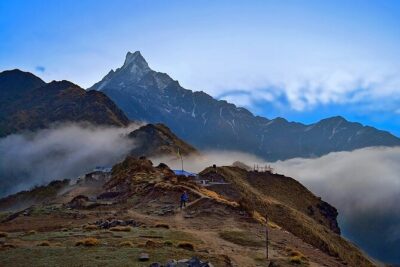 ★ 5.0Mardi Himal TrekFrom $1,05841 reviews
 ★ 5.0Mardi Himal Trek NepalFrom $75029 reviews
 ★ 5.0Mardi Himal Trek – 8 Days | Hidden Gem of the AnnapurnasFrom $66619 reviews
 ★ 5.0Mardi Himal Base Camp Trek -9 DaysFrom $90018 reviews
★ 5.0Mardi Himal TrekFrom $82113 reviews
★ 5.0Mardi Himal Base Camp Trek -9 DaysFrom $90018 reviews
★ 5.0Mardi Himal TrekFrom $82113 reviews
 ★ 5.0Mardi Himal TrekkingFrom $86613 reviews
 ★ 5.0Mardi Himal Trek – 12 DaysFrom $98012 reviews
 ★ 5.04 Days Mardi Himal Base Camp Trek – 4500 MetersFrom $2609 reviews
Browse the lists this tour appears in