
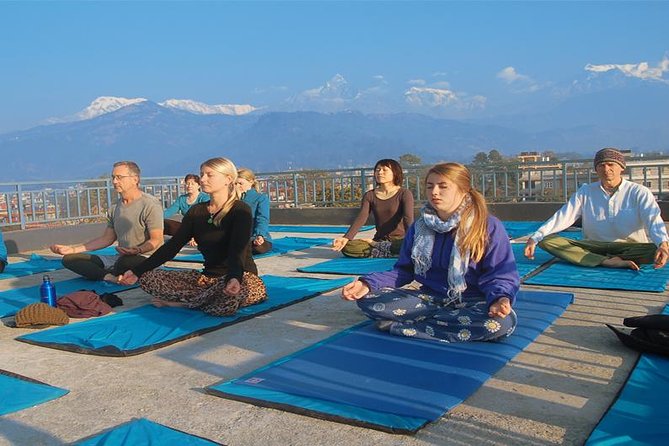
Review · MARDI HIMAL TREKS
Mardi Himal Yoga Trek
Yoga in the mountains changes your pace fast. This 10-day Mardi Himal Yoga Trek pairs daily yoga with a real mountain trek and big Himalayan viewpoints. I especially like that you’re guided by a certified yoga teacher while you’re also supported by a trekking team. One thing to consider: you’ll be at altitude (up to about 4,500m) and early-day rain can happen, so plan for slow, steady days.
You start in Kathmandu with sacred-site yoga and meditation, then shift to Pokhara for a calmer rhythm before the trek begins. The organization is built to feel low-stress, with airport pickup and drop-off plus overland transport, and the coordinator named Sunil is reported as very responsive when questions come up. You’ll also travel with a small group (max 10), which tends to make the yoga sessions and hiking days feel more personal than crowded.
In This Review
- Key Highlights You’ll Feel on This Trek
- Yoga in Kathmandu, Trek in the Himalaya: The Experience in Plain Terms
- Kathmandu: Swoyambhunath, Patan, Boudhanath, Pashupatinath
- Morning yoga plus the Monkey Temple mood (Swoyambhu Mahachaitya)
- The Day-Trip to Pokhara: Six Hours of Road, Then Lakeside Quiet
- Dhampus View Tower and the First Trek Day: Getting Your Legs Ready
- Forest Camp: A Day That Feels Like “Steady Wins”
- High Camp to Mardi Himal Base Area: Altitude With a Safety Net
- Down to Siding, Back to Pokhara: Trade the Climb for Recovery
- Day 10: Thamel to the Airport
- Price and Logistics: What the Money Covers (and What You Should Budget)
- Weather and Pace: The Practical Things That Affect Your Enjoyment
- Who This Trek Fits Best
- Should You Book the Mardi Himal Yoga Trek?
- FAQ
- Where does the tour start?
- How long is the Mardi Himal Yoga Trek?
- Is airport pickup and drop-off included?
- Is yoga included, and who teaches it?
- What part of the trip involves trekking?
- Are Kathmandu sightseeing entry fees included?
- What meals are included in the price?
Key Highlights You’ll Feel on This Trek
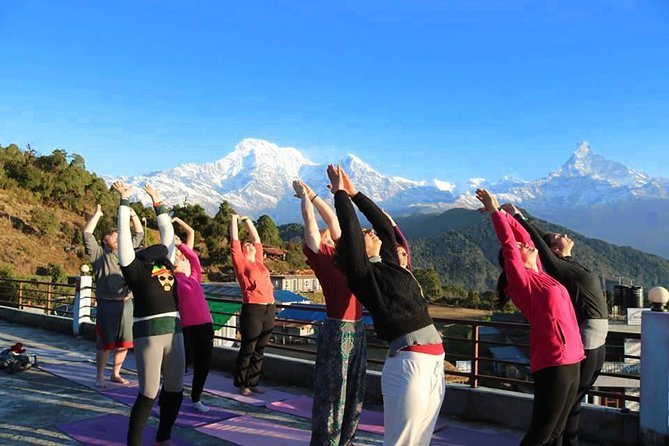
- Certified yoga instruction daily alongside trekking, so you’re not just doing sightseeing and hoping for the best
- Mardi Himal views from High Camp and base area, with yoga practice around 4,500m
- Small group size (up to 10), which helps the schedule and the vibe
- Forest-to-camp hiking on a classic Mardi Himal route, not just ridgeline scrambling
- Kathmandu spiritual circuit (Swoyambhunath, Patan Durbar Square, Boudhanath, Pashupatinath) plus evening meditation
- Tea during trekking (three cups of tea per day), a small comfort that matters when you’re tired
More trails out of Kathmandu, boots ready
- Everest Base Camp Trek – 14 Days★ 5.0 · 1,499 reviews
- Everest Base Camp Trek★ 5.0 · 842 reviews
- Everest Base Camp Trekking★ 5.0 · 485 reviews
- Nagarkot Sunrise View and Day Hiking from Kathmandu★ 5.0 · 471 reviews
Yoga in Kathmandu, Trek in the Himalaya: The Experience in Plain Terms
This isn’t a yoga retreat that happens to include hiking. It’s a trekking trip where yoga and meditation are scheduled into your day, so your body has both movement and recovery built in.
The itinerary is designed to do two things well: first, it gets you grounded in Kathmandu’s spiritual landmarks with morning yoga and evening meditation; then it transitions you into the slower, steadier rhythm of mountain walking in the Mardi Himal region. If you like your travel with structure (and warm tea breaks), this format tends to work.
Kathmandu: Swoyambhunath, Patan, Boudhanath, Pashupatinath
Your first real taste of Nepal comes right away after you land. You’re picked up at Tribhuvan Airport and taken to Thamel, where you get free time to settle in. Thamel is busy, tourist-friendly, and convenient—use that first window to pick up any essentials you forgot and help your jet lag settle.
Morning yoga plus the Monkey Temple mood (Swoyambhu Mahachaitya)
On Day 2, you start with an early yoga session connected to Swoyambhu Mahachaitya, the famous Swoyambhunath area often nicknamed the Monkey Temple. It’s a strong way to begin: you get the calm focus of yoga right next to a place that’s alive with temple energy.
After breakfast, the sightseeing day continues through several major sites:
- Patan Durbar Square: a cultural stop that adds texture to the Kathmandu Valley story.
- Boudhanath Stupa: a quieter, more meditative-feeling pause for lunch, where the atmosphere matches the trip’s evening meditation theme.
- Pashupatinath Temple: a powerful watch-and-learn stop that’s known for distinctive rituals.
Day 2 also includes an evening meditation session, which makes sense here. Kathmandu can be sensory overload, so you’re basically training your attention twice: once in the morning and again after the last temple stop.
Consideration: heritage-site entry fees in Kathmandu aren’t included, and you should budget about USD 26 for those during the sightseeing day.
The Day-Trip to Pokhara: Six Hours of Road, Then Lakeside Quiet
By Day 3, you’ll leave Kathmandu and head to Pokhara. The drive takes about 6 hours, so plan to treat it like a transfer day, not a sightseeing day.
Once you reach Pokhara Lakeside, the trip keeps the yoga rhythm going with an early morning yoga practice, plus an evening meditation session. This matters more than it sounds. After a day of temples and city walking, Pokhara’s slower pace gives you a mental reset before the trek starts.
The trip includes tourist-class lodging in Pokhara (twin sharing). This is the kind of “good enough comfort” that works on a trek, because you’ll spend less time fussing and more time sleeping and hydrating.




Dhampus View Tower and the First Trek Day: Getting Your Legs Ready
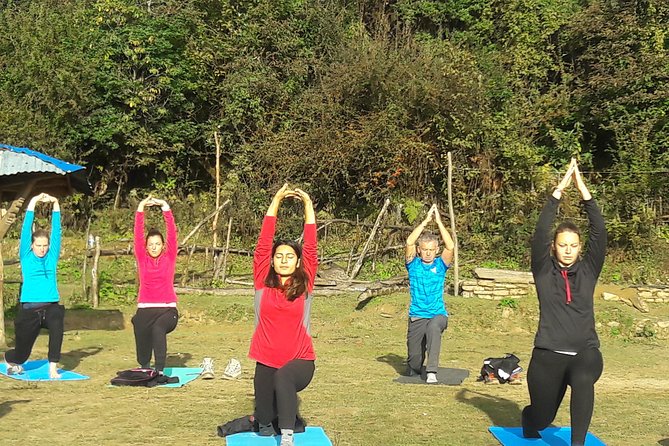
Day 4 is where the Himalayan trekking days become real. You do an early yoga practice, then you drive to Phedi and begin the hike toward Pitam Deurali, passing through Dhampus village and Pothana.
This is a smart start. Your body gets the experience of walking with a purpose without jumping straight into the hardest altitude days. Also, the route through villages tends to feel less isolated, which can help early on when you’re learning your walking pace.
And yes, you still get structure: there’s an evening meditation session after trekking. That’s a key detail for me, because mountain days can leave you tired but wired. A short guided quiet session gives you a release valve.
Forest Camp: A Day That Feels Like “Steady Wins”
On Day 5, you start with yoga again and trek onward to Forest Camp for an overnight stay. This is described as a beautiful forest-walking day, which is exactly the kind of scenery that helps when you’re building altitude slowly.
Why this matters for your experience: forest trails often mean your footing is more predictable than rocky alpine zones. It’s not a guarantee, but it’s a common reason forest days feel mentally easier. You also tend to get fewer big-breath moments compared to steep, exposed sections.
You’ll also have an evening meditation session, which pairs well with the “tired but calm” feeling you get after a steady hike.
High Camp to Mardi Himal Base Area: Altitude With a Safety Net
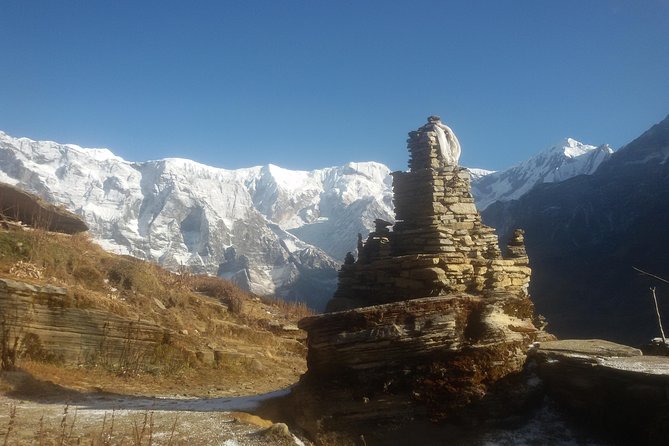
Day 6 is another yoga morning, then a trek all the way up to High Camp. This day is described as a beautiful forest walk with surrounding views.
The big idea here is gradual progression. High Camp is where the effort starts to feel more deliberate, and where weather conditions start to matter more. Even the trip’s structure supports this: you aren’t just trekking until exhaustion; you’re trekking with scheduled yoga and guided support.
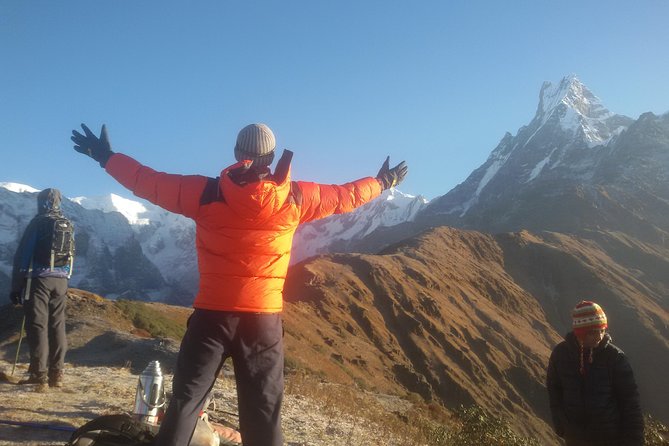
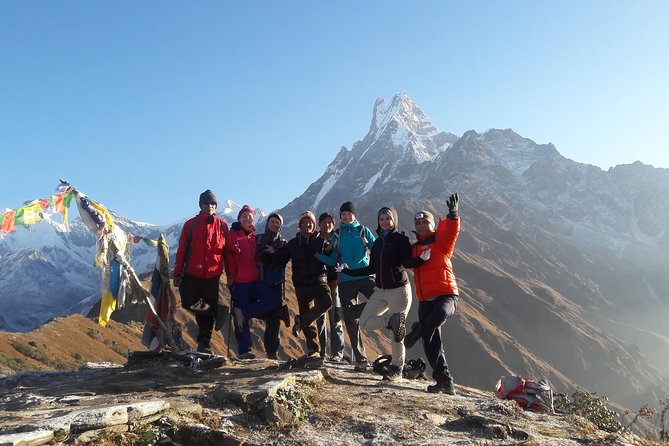
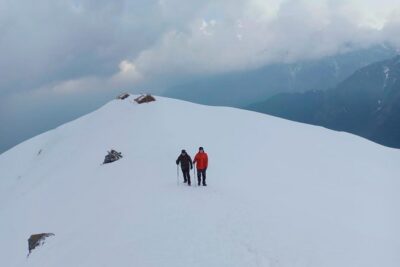
Day 7 is the payoff day. You hike early to Mardi Himal Base Camp (about 4,500m), do some yoga at that elevation, and then descend via High Camp to Low Camp.
That yoga moment at altitude is the signature of this whole trip. It’s also the part you’ll remember on a personal level, because it’s not just “standing at altitude” for photos. You’re intentionally breathing, focusing, and moving your attention in a place where every step costs more.
Consideration: altitude can affect everyone differently, and the trip is built for moderate physical fitness, not advanced mountaineering. Still, plan to go slow and listen to your guide, especially on the ascent and on descent when legs feel heavy.
Down to Siding, Back to Pokhara: Trade the Climb for Recovery
Day 8 starts with early yoga practice again. Then you trek down to Sidding (about 3 hours) and drive back to Pokhara.
This is one of the nicer arcs in the itinerary: you get the big altitude experience, then you come back down to a section that’s shorter and more recovery-oriented. The trip keeps the rhythm going with an evening meditation session in Pokhara.
On Day 9, you do a morning yoga practice and then drive back to Kathmandu later. After 8 days of movement and altitude, that drive can feel long, but it’s also your chance to reset and finally sit like a normal human again.
Day 10: Thamel to the Airport
On your last day, you’re in Thamel again and then transferred to the airport based on your departure schedule. It’s a clean ending: no surprise extra trekking hours, just a straightforward wrap-up.
Price and Logistics: What the Money Covers (and What You Should Budget)
At about $1,057 per person for roughly 10 days, the value here comes from combining a few things that usually cost extra when you book separately:
- A full Kathmandu sightseeing day with multiple major stops
- Overland transport between Kathmandu and Pokhara, plus onward drives tied to the trek
- A professional trekking guide and porters
- Permits for the trek
- Daily yoga sessions led by a certified yoga teacher
- Trek-support extras like three cups of tea per day during the trek
- Accommodations: 3 nights Kathmandu and 2 nights Pokhara, tourist class on twin sharing
What you’ll likely still need to budget:
- Heritage site entry fees in Kathmandu (about USD 26)
- Lunches and dinners in Kathmandu and Pokhara that aren’t listed as included
- Gratuities for guide and porters
- International airfare and travel insurance
Also note the trip is described as having a max group size of 10, which can be a real value factor. Smaller groups usually mean less waiting around and more comfortable pacing for yoga sessions and trail logistics.
Weather and Pace: The Practical Things That Affect Your Enjoyment
This trip can be gorgeous, but conditions in the Himalaya are never guaranteed. One firsthand account shared that rain hit the first couple days, with clearer conditions later once reaching the higher areas like High Camp and Mardi Base Camp.
My practical advice: pack mentally for variability. Keep your expectations flexible for early days. When conditions do clear, you’ll be ready for it because you’ve already built your rhythm into the schedule.
Pace is another key factor. This is a moderate fitness trek. The itinerary’s structure—yoga in the morning, trekking during the day, meditation in the evening—works best when you walk steadily, not when you try to force speed.
Who This Trek Fits Best
I think this is a great fit if you:
- Want structured daily yoga and meditation that actually integrates with trekking
- Like guided travel with support (guide + porters + permits handled)
- Enjoy a mix of culture (Kathmandu and its major temples/stupas) and mountain hiking
- Prefer small-group dynamics rather than a big tour bus experience
You might want to reconsider if you:
- Struggle with altitude or prefer very low elevation trekking (the base area is around 4,500m)
- Strongly dislike rain or damp early conditions, since weather can shift
Should You Book the Mardi Himal Yoga Trek?
If you’re aiming for a Nepal trip that feels both active and calm, I’d say this one belongs on your shortlist. The value isn’t just the trek. It’s the way the trip builds a daily yoga routine into your breathing, focus, and recovery—so your days feel connected, not random.
If you’re comfortable with moderate trekking and you’re okay budgeting for Kathmandu entry fees and a few meals outside the included list, you should feel good about booking. And if you want a trip where the coordinator (named Sunil) is responsive and helps things run smoothly, that’s part of the overall appeal.
In short: book it if you want your Himalaya experience to come with quiet attention built in, not added at the end.
FAQ
Where does the tour start?
The tour starts at Tribhuvan Airport in Kathmandu, Nepal, with pickup at about 5:15 pm.
How long is the Mardi Himal Yoga Trek?
It’s approximately 10 days.
Is airport pickup and drop-off included?
Yes. Airport pickup and drop-off are included.
Is yoga included, and who teaches it?
Yes. Yoga sessions are included throughout the trip and led by a certified yoga teacher.
What part of the trip involves trekking?
There are 5 days of trekking in the Mardi Himal region.
Are Kathmandu sightseeing entry fees included?
No. Heritage site entry fees in Kathmandu are not included (about USD 26).
What meals are included in the price?
Breakfast is included for 9 days, lunch is included for 5 days, and dinner is included for 4 days. Lunches and dinners in Kathmandu and Pokhara that aren’t mentioned are not included.
More Trekking Out of Kathmandu






More Tour Reviews in Kathmandu




Just Reviewed in Kathmandu
- Mountain Bike Tour
★ 5.0 · 3 reviews - Annapurna Panaroma
★ 5.0 · 3 reviews - Mount Everest Scenic Flight 50 Minutes
★ 5.0 · 3 reviews - Kathmandu : Swambhunath & Durbar Square Guided Half Day Tour
★ 3.3 · 3 reviews - Chandragiri Cable Car & Monkey Temple Tour – Private/Group
★ 5.0 · 3 reviews - Kathmandu: Shivapuri National Park Hiking Day Trip
★ 3.3 · 3 reviews
Mardi Himal Treks, compared.
 ★ 5.0Mardi Himal TrekFrom $1,05841 reviews
 ★ 5.0Mardi Himal Trek NepalFrom $75029 reviews
 ★ 5.0Mardi Himal Trek – 8 Days | Hidden Gem of the AnnapurnasFrom $66619 reviews
 ★ 5.0Mardi Himal Base Camp Trek -9 DaysFrom $90018 reviews
★ 5.0Mardi Himal TrekFrom $82113 reviews
 ★ 5.0Mardi Himal TrekkingFrom $86613 reviews
 ★ 5.0Mardi Himal Trek – 12 DaysFrom $98012 reviews
 ★ 5.04 Days Mardi Himal Base Camp Trek – 4500 MetersFrom $2609 reviews
Browse the lists this tour appears in