
Review · PASHUPATINATH & BOUDHANATH TOURS
Pashupatinath: Evening tour of temple and Aarati ceremony
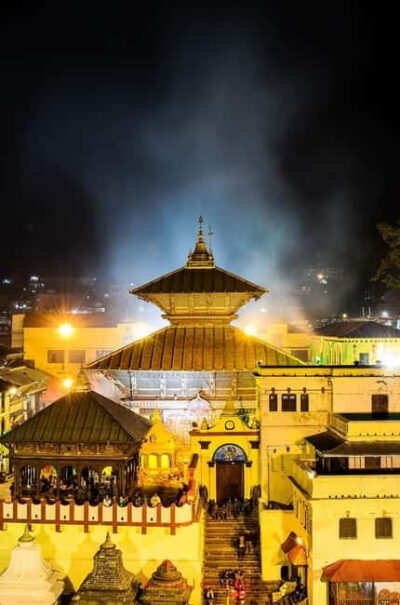
Sacred lights on the Bagmati at dusk. This Pashupatinath evening tour is a front-row pass to daily Hindu worship, and I like how the Aarati ceremony turns sunset into something you can actually hear and see, not just read about. I also like the way the route includes the river’s cremation ghats, where life, grief, and belief are shown with solemn dignity. One consideration: it’s not suitable for wheelchair users.
What makes this outing practical is the setup: you get a private group, English-speaking guide, and transport plus entry fees so you’re not stuck figuring things out while the rituals are already starting. It runs about 3 hours, so it’s intense enough to feel meaningful without eating your whole evening.
In This Review
- Key highlights you’ll feel immediately
- Why Pashupatinath at night hits differently
- Entering the temple complex: pagoda-style architecture and the golden spire
- Shrines, murtis, and what the guide helps you notice
- Walking the Bagmati ghats: cremation rituals and cultural reality
- The Pashupati Aarati ceremony at sunset: oil lamps, mantras, and drums
- How the English guide improves your understanding
- Transport, timing, and how the private format helps
- Price and value: is $57 for 3 hours fair?
- Who this tour is best for
- Practical notes so your evening goes smoothly
- Should you book the Pashupatinath evening tour?
- FAQ
- How long is the Pashupatinath evening tour?
- How much does the tour cost?
- What’s included in the price?
- Do I need to buy tickets or wait in a line?
- Is the tour offered in English?
- Is the tour suitable for wheelchair users?
- What is the cancellation policy?
Key highlights you’ll feel immediately
- Pashupatinath temple complex at evening, with centuries-old pagoda-style architecture and a golden spire
- UNESCO heritage site, giving the visit historical weight beyond a quick look
- Ritual viewing along the Bagmati River, including cremation practices at the ghats
- Pashupati Aarati ceremony, with priests using oil lamps, mantras, and drums as sunset arrives
- English guidance, designed to help you understand what you’re seeing on-site
- A private group with skip-the-line entry, so your time stays focused on the ceremonies
Other ways into a Kathmandu evening
- 3 Nights 4 Days Chitwan National Park with Tower Night Stay★ 5.0 · 41 reviews
- 3 night 4 Day Yoga & Ayurveda Retreat to Detox the Body & Mind, Nepal★ 5.0 · 37 reviews
- Kathmandu: Pashupatinath Temple Evening Aarati Tour★ 5.0 · 36 reviews
- Kathmandu: Pashupatinath Temple Aarti Night Tour★ 4.8 · 29 reviews
Why Pashupatinath at night hits differently
Evening at Pashupatinath changes the mood fast. The temple grounds shift from daylight bustle to a more ritual-focused rhythm as worship builds toward sunset, and then the river takes over the story.
You’ll see that transition in stages. First you’re walking through the temple complex, noticing statues and shrines, incense in the air, bells chiming as people pray. Then you move toward the Bagmati River ghats, where the emotional gravity of funeral rites is impossible to miss. Finally, the Aarati ceremony uses light and sound to bring the whole place into one shared moment.
This kind of timing matters because it connects two sides of belief. In the same evening you’ll see reverence for the divine and reverence for the passing of life, both treated as spiritual events—not just events.
Entering the temple complex: pagoda-style architecture and the golden spire
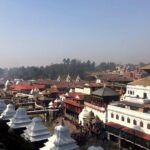
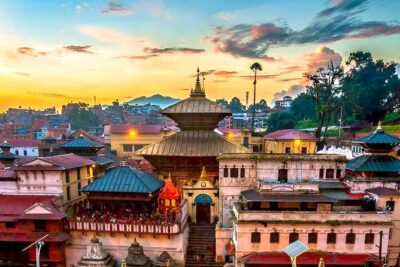
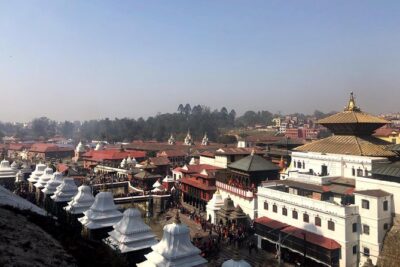
You’ll start by approaching the Pashupatinath temple complex, which is known for centuries-old pagoda-style architecture. The details aren’t just decoration. They help explain why this place has lasted, why it draws devotion, and why people travel to stand in the same sacred space their families talk about.
As you get closer, the main temple becomes the visual anchor. You’ll see its golden spire reaching upward, and you’ll learn how the temple houses the sacred lingam of Lord Pashupatinath, a manifestation of Lord Shiva revered by Hindus.
Even if you’re not religious, the layout helps you understand the meaning. The space is built to guide your attention—toward the central sacred symbol, then outward to other shrines and murtis (statues) placed for specific mythological significance. It’s a living museum, but it’s still used for worship.
Shrines, murtis, and what the guide helps you notice
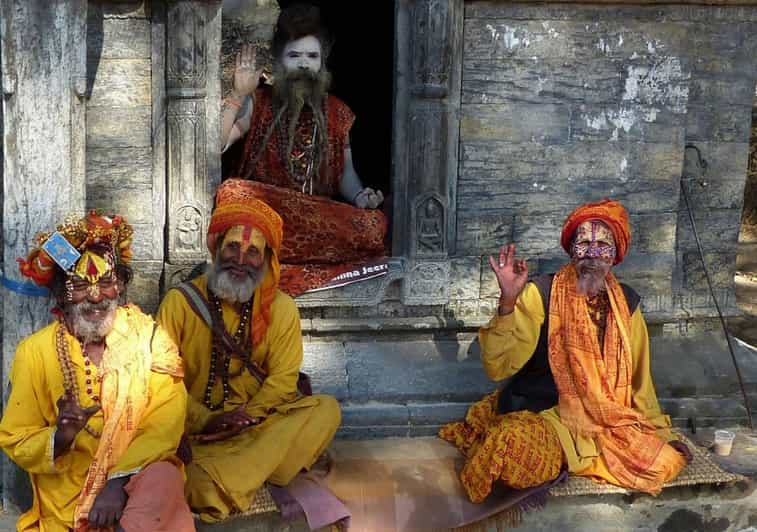
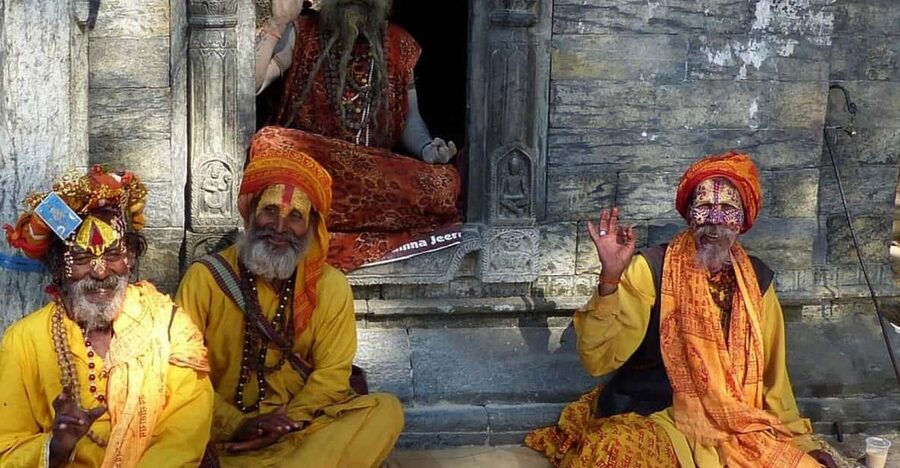
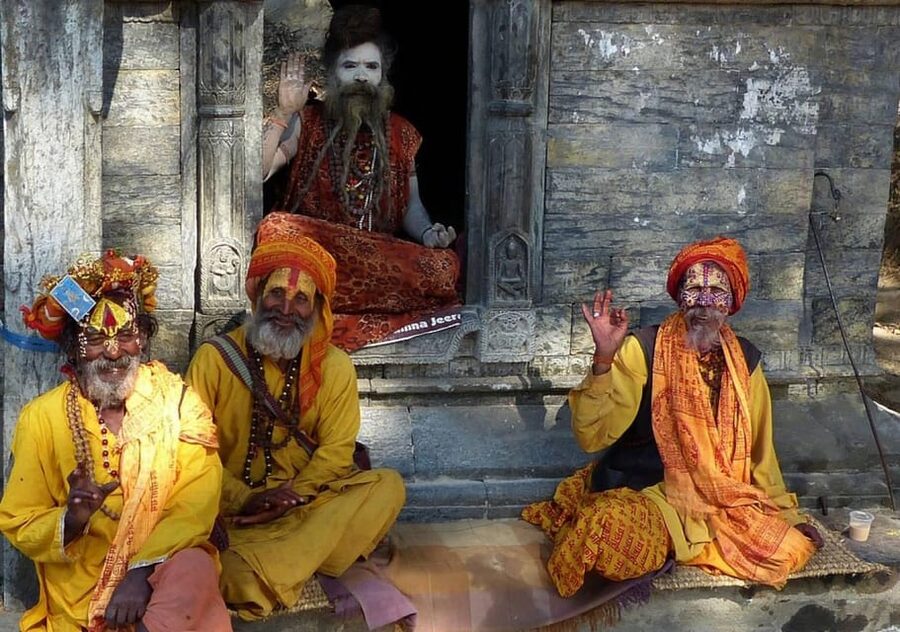
Inside the grounds, you’ll encounter a lively mix of devotees, pilgrims, and curious visitors. The air is described as thick with incense, with bells chiming in rhythmic devotion. That sensory mix is part of why an evening tour feels special. You’re not only seeing architecture—you’re seeing how people behave inside a holy space.
The temple complex includes multiple shrines and murtis, and each one has its own mythological significance and artistic beauty. With an English-speaking guide, you’ll get help connecting those details rather than just collecting images.
This is where the value of a guided format shows. Without guidance, it’s easy to watch the ceremony and only partially understand what you’re looking at. With guidance, you’ll spend your attention on meaning—what a shrine represents, why it’s placed where it is, and how it connects back to the wider Pashupatinath tradition.
Walking the Bagmati ghats: cremation rituals and cultural reality
One of the most powerful parts of this tour is the section along the Bagmati River, at the cremation ghats. The ghats host solemn cremation ceremonies, and you’ll witness families bid farewell to loved ones in a setting defined by chanting priests and mournful, yet dignified, ritual behavior.
This is not a casual sightseeing moment. It can be emotionally heavy, and it’s worth saying plainly: if you prefer light, distraction-free evenings, this portion may feel intense.
At the same time, this is exactly what makes the evening tour different from a standard temple walk. You’re seeing how cultural and spiritual beliefs translate into action. The river isn’t just a backdrop. It’s the stage where life’s final chapter is handled in public view, guided by religious practice.
If you’re sensitive to death-related rituals, take it at your pace. Even in a private group, you’ll still want mental space for what you’re witnessing.




The Pashupati Aarati ceremony at sunset: oil lamps, mantras, and drums
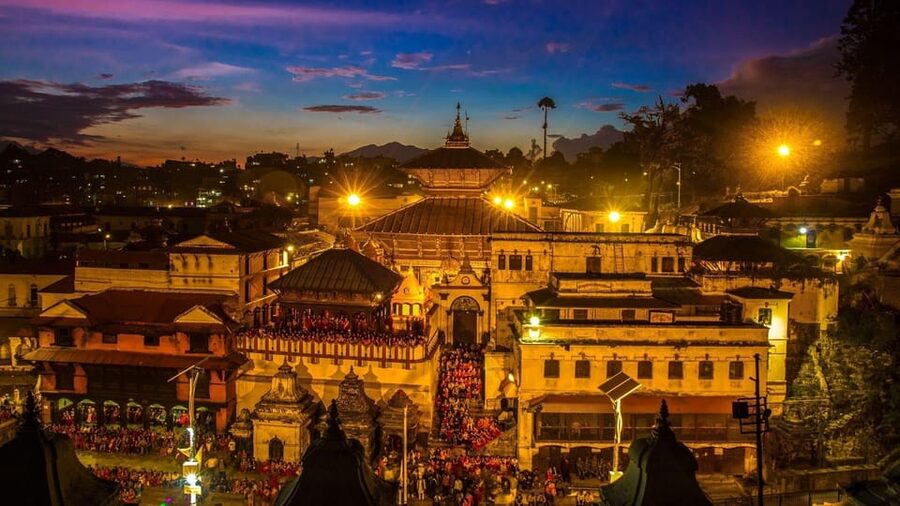
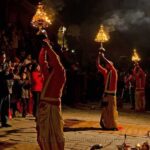
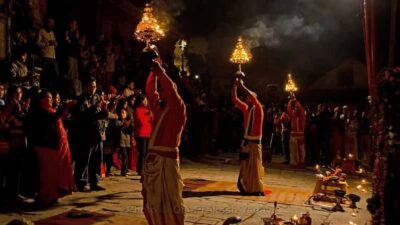
As the light fades, the energy shifts toward the Pashupati Aarati ceremony. This is the part most people remember because it’s both visual and rhythmic. Priests perform intricate movements with oil lamps (diyas), and you’ll hear chanting of ancient mantras along with drums.
You’ll gather near the riverbank to watch the ritual unfold. Oil lamps create a strong contrast against dusk, and the combination of movement, sound, and collective attention makes it feel like something shared rather than something staged.
The ceremony culminates in a collective offering of prayers and reverence to Lord Pashupatinath. It’s not just a performance element. The ritual structure is designed to channel devotion toward a specific object of worship, and you’ll feel that focus when the group participates.
Even if you arrive skeptical about “ritual tours,” this is one of those experiences where the body understands before the brain finishes explaining. The lights, the chants, and the timing toward sunset do a lot of the work for you.
How the English guide improves your understanding
This tour includes an English-speaking guide, and that matters here more than on many sites. Pashupatinath is not just a single monument. It’s a complex where meaning is spread across symbols, shrines, and actions.
A good guide helps you avoid two common mistakes:
- Treating the statues as random art objects instead of meaningful murtis tied to belief
- Watching the cremation and Aarati portions like you’re attending a show, instead of seeing them as lived religious practice
The goal isn’t to turn you into a scholar. It’s to help you recognize what’s happening at each stage: temple worship first, river ghats next, then the Aarati as sunset arrives.
Transport, timing, and how the private format helps
You’ll get all transportation, plus entry fees, and you’ll skip the ticket line. For a 3-hour evening tour, that’s a big deal. It means you spend less time waiting and more time inside the moment when rituals actually happen.
This is also a private group. That generally translates into less pressure and a calmer rhythm as you move through the complex and to the riverbank. You can keep your attention where it matters without feeling rushed by crowds.
Duration is listed as 3 hours, so plan your evening accordingly. This isn’t a “browse for an hour and leave early” setup. It’s designed as a complete sequence—temple visit, river ghats, then Aarati.
Price and value: is $57 for 3 hours fair?
At $57 per person for about 3 hours, the price can feel like a lot until you break down what’s included. You’re not paying only for a guide. You’re also paying for:
- all transportation
- entry fees
- skip-the-ticket-line access
- an English-speaking guide
- the private group experience format
For many similar evening cultural tours, the guide may be the only clearly visible cost. Here, a chunk of the value is handled by the transport and entrance/skip-line elements, which saves time and reduces friction. When you’re trying to catch the Aarati at sunset, time wins.
If you’re comfortable navigating on your own, you might argue you could do a temple visit cheaper. But the difference is that the guided sequence keeps you on track for the ritual flow, and it reduces the chance you miss the key moments.
Who this tour is best for
This experience fits people who want more than photos. If you’re curious about how Nepalese Hindu traditions are practiced day-to-day, you’ll likely appreciate the structure of the evening: temple worship, then the Bagmati cremation ghats, then the Aarati ceremony.
It also suits you if you like understanding symbolism and ritual steps. The temple complex includes multiple shrines and murtis, and the guide’s explanations help those details make sense.
On the other hand, it may not be the right match if you strongly prefer light, low-emotion sightseeing. The cremation rituals are described as solemn and mournful, and that can be hard for some people.
Practical notes so your evening goes smoothly
Because this is a ritual-focused tour, the main practical challenge is mental readiness rather than logistics.
Here are the reality checks to keep in mind:
- You’ll be watching ceremonies that involve death-related rituals. If you’re easily distressed by that, plan accordingly.
- The ceremony timing shifts with sunset, so don’t schedule other last-minute plans right after your tour ends.
- The tour is not suitable for wheelchair users, so if mobility is an issue, you’ll need an alternative plan.
- Since it’s a 3-hour private evening visit, wear comfortable shoes and keep your phone charged. You’ll want your attention on what’s happening.
Also remember: this is a working religious site. Even with a guide, you’ll want to act respectfully and give space where people are praying or preparing for rituals.
Should you book the Pashupatinath evening tour?
I think you should book it if you want a complete, guided evening experience at Pashupatinath that includes both temple worship and the Bagmati River ghats, finishing with the Pashupati Aarati ceremony. The combination is the point: sacred symbols and architecture, then ritual life and death, then sunset light and sound.
I’d skip it if you’re uncomfortable with funeral rites or you’re looking for a casual, carefree evening. It’s meaningful, but it isn’t light entertainment.
If you decide to go, you’ll get a lot of value from the setup: English guide, entry fees handled, transport included, and skip-the-line access. In a place where timing matters, that kind of structure is what keeps the evening from turning into a scramble.
FAQ
How long is the Pashupatinath evening tour?
The tour lasts 3 hours.
How much does the tour cost?
It costs $57 per person.
What’s included in the price?
The tour includes all transportation, entry fees, and an English-speaking guide.
Do I need to buy tickets or wait in a line?
No. The tour includes skip-the-ticket-line entry.
Is the tour offered in English?
Yes, the tour language is English.
Is the tour suitable for wheelchair users?
No, the tour is not suitable for wheelchair users.
What is the cancellation policy?
You can cancel up to 24 hours in advance for a full refund.
When the Lights Come On



More Tours in Kathmandu






More Tour Reviews in Kathmandu




Just Reviewed in Kathmandu
- Mountain Bike Tour
★ 5.0 · 3 reviews - Annapurna Panaroma
★ 5.0 · 3 reviews - Mount Everest Scenic Flight 50 Minutes
★ 5.0 · 3 reviews - Kathmandu : Swambhunath & Durbar Square Guided Half Day Tour
★ 3.3 · 3 reviews - Chandragiri Cable Car & Monkey Temple Tour – Private/Group
★ 5.0 · 3 reviews - Kathmandu: Shivapuri National Park Hiking Day Trip
★ 3.3 · 3 reviews
Pashupatinath & Boudhanath Tours, compared.
 ★ 5.0Kathmandu Spiritual Sites: Bodhnath & Pashupatinath TourFrom $60185 reviews
 ★ 5.0Pashupatinath Temple Evening Aarati TourFrom $4536 reviews
 ★ 4.8Pashupatinath Temple Aarti Night TourFrom $7129 reviews
 ★ 5.0Pashupatinath Temple, Hindu Crematorium and Aarati in-depth TourFrom $9025 reviews
 ★ 4.5Pashupatinath Evening Aarati: Few Divinely Hours in KathmanduFrom $3523 reviews
 ★ 5.0PashupatiNath and BoudhaNath – Private/Small GroupFrom $1518 reviews
 ★ 5.0Sacred Pashupatinath: Aarati,Cremation Rites & Boudha StupaFrom $1118 reviews
★ 4.7Pashupatinath Temple Evening Aarati TourFrom $2211 reviews
Browse the lists this tour appears in