
Review · POON HILL & GHOREPANI TREKS
POON HILL HOT SPRING – 10 Days Trek
Sunrise at Poon Hill changes everything.
This 10-day Poon Hill Hot Spring trek mixes classic Himalayan viewpoints with real village days, then tops it off at Jhinu Danda hot springs. You’ll get that early-morning payoff of big mountain silhouettes, plus a steady flow of stops in places like Ulleri, Ghorepani, Tadapani, and Ghandruk. I like how smooth this route feels for its scenery, and I also like that it’s built around actual daily rhythm, not just hauling from one photo spot to another.
What I especially like is the balance: you hike uphill, but you’re not stuck in an all-day slog with no breaks. You also get a smart viewpoint moment at Poon Hill, with a clear shot toward major peaks like Dhaulagiri, so your effort feels instantly worth it. One consideration: it’s still a trek with early starts and a lot of stairs on stone-and-dust paths, and conditions can turn if the weather isn’t cooperating.
If you want a supported trek that’s scenic, organized, and not painfully slow, this is a strong choice. If you’re sensitive to cold morning temps or you’re expecting flat walking, you’ll probably want to plan for the climb mindset.
In This Review
- Key Things That Make This Trek Worth Your Time
- Poon Hill Hot Springs Trek, in Plain Terms
- Getting There: Kathmandu, Pokhara, and Your First Night Setup
- Day 2 to Day 4: Pokhara to Ulleri, Then Ghorepani
- Day 5: Sunrise Hike to Poon Hill and the Dhaulagiri View Window
- Day 6: Tadapani to Jhinu Danda Hot-Spring Reward
- Day 7: Jhinu Danda to Ghandruk (Village Life Up Close)
- Day 8: Ghandruk to Nayapul, Then Back to Pokhara
- Day 9: Pokhara Back to Kathmandu
- Day 10: Depart Kathmandu
- Price and Value: What $1,099 Gets You (and What It Doesn’t)
- Guide Support and the Human Side
- What the Itinerary Means for Your Body
- Packing That Actually Helps
- Weather and the Poon Hill Factor
- Who This Trek Is Best For
- Should You Book Poon Hill Hot Spring Trek?
- FAQ
- Where is the meeting point for this Poon Hill trek?
- What time does the trek start?
- How many days is the trek?
- What’s included for permits and trekking access?
- Is a porter included?
- What meals are included?
- What transport is included?
- What is not included in the price?
Key Things That Make This Trek Worth Your Time
- Poon Hill sunrise: an early hike made for peak spotting and crisp morning views
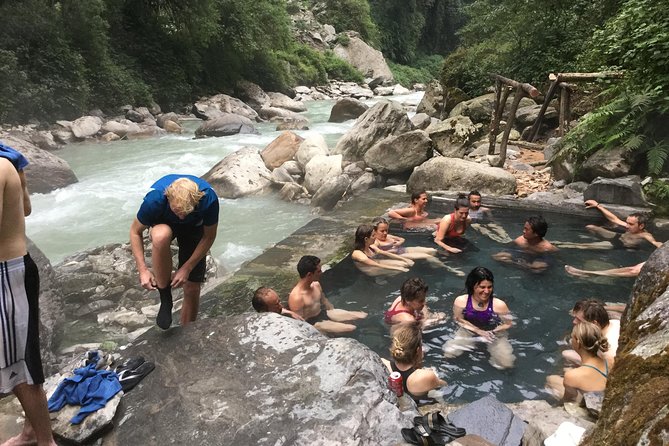
- Jhinu Danda hot springs: a very satisfying recovery stop after the trail effort
- Village-to-village pacing: Ulleri to Ghorepani to Tadapani to Ghandruk, with less rushing than you’d expect
- Support included: porter service (set up per 2 people) plus a medical kit for peace of mind
- Permits sorted: Annapurna Conservation Area permits and TIMS card included so you don’t hunt paperwork
More trails out of Kathmandu, boots ready
- Everest Base Camp Trek – 14 Days★ 5.0 · 1,499 reviews
- Everest Base Camp Trek★ 5.0 · 842 reviews
- Everest Base Camp Trekking★ 5.0 · 485 reviews
- Nagarkot Sunrise View and Day Hiking from Kathmandu★ 5.0 · 471 reviews
Poon Hill Hot Springs Trek, in Plain Terms
This is a classic Annapurna region trek, packaged for travelers who want the highlight of Poon Hill without the commitment of a much longer trek. The route climbs from village footholds up toward Ghorepani and the Poon Hill ridge, then works its way down toward Tadapani and Jhinu Danda. After the hot springs day, you finish with Ghandruk, one of the better-known village stops in the area, before returning via Nayapul.
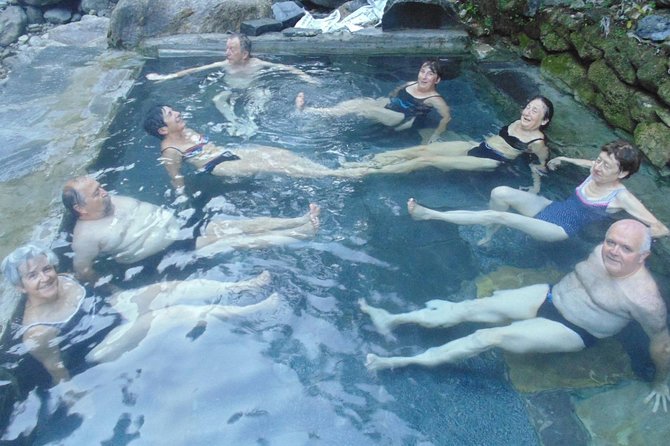
The “hot spring” part is real value here. A lot of treks end with sore legs and a final transfer. This one schedules your reward. You hike, you soak, and you keep moving the next day with less of that dead-limbs feeling.
Also, the trek’s design matters. You’re not doing one giant ascent every single day. The route has a mix of climbing and descending, plus rest stops in villages where you can eat, regroup, and warm up.
Getting There: Kathmandu, Pokhara, and Your First Night Setup
Day 1 is Kathmandu arrival and transfer to your hotel, with overnight in the city. Day 2 moves you from Kathmandu to Pokhara by tourist bus, then you sleep in Pokhara at roughly 820m. This matters because it gives you a proper “reset” before the trekking begins.
On the way, you’ll also be working within the tour’s plan for ground transport. The trip includes Kathmandu–Pokhara–Kathmandu by tourist bus, plus private transport where needed for trailheads (like getting to Nayapul and later returning). If you like knowing how each transfer is handled, that’s one less thing to worry about.
One practical detail: the meeting point is in Thamel, Kathmandu, with a start time listed as 8:15 pm. So plan to be ready in the evening for pickup/coordination, then settle in for the first night before the trek rhythm takes over.
Day 2 to Day 4: Pokhara to Ulleri, Then Ghorepani
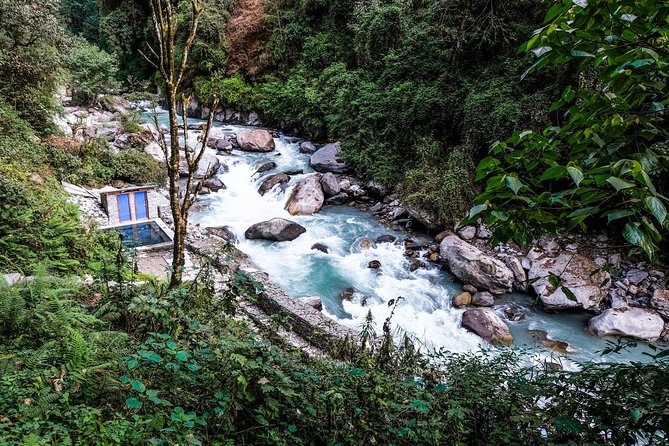
After the Kathmandu–Pokhara bus, Day 3 begins the trek proper. You’ll travel from Pokhara to Nayapul by private transport for about 1.5 hours, then trek up to Ulleri (about 2010m). Ulleri is where the trail starts to feel like a real mountain trek: stone steps, tighter uphill routes, and that gradual shift from town atmosphere into hillside village life.
Day 4 continues to Ghorepani (about 2874m). This is one of the most important transition days because you’re gaining altitude toward the area known for views and for being a springboard to Poon Hill. It’s also where you’ll notice the air getting cooler and your pace needs to slow down to match the climb.
A realistic note: this stage is where you build your hiking rhythm. If you keep a steady pace and focus on short breaks, you’ll arrive less battered. If you sprint uphill early, you’ll pay for it later.
Day 5: Sunrise Hike to Poon Hill and the Dhaulagiri View Window
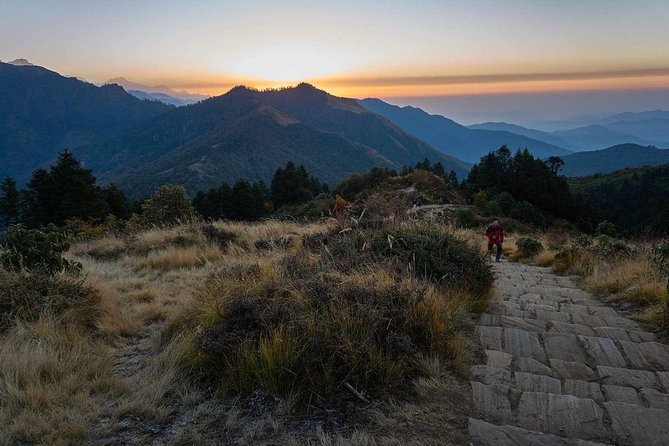
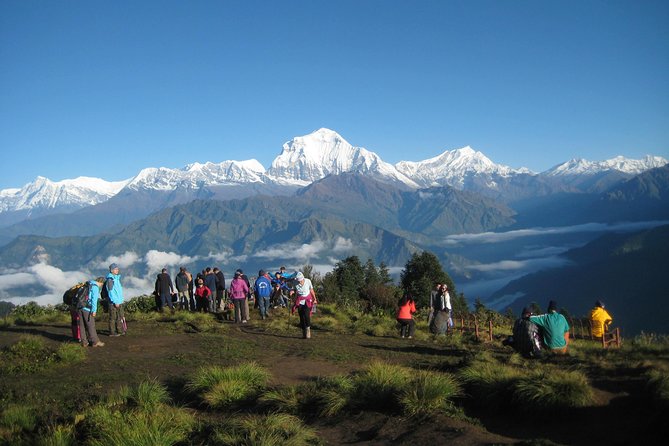
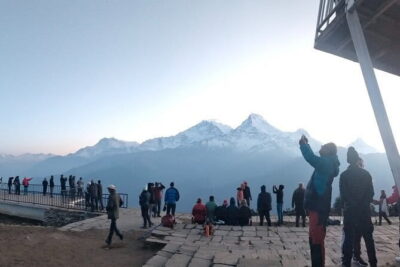
Day 5 is the centerpiece day. You trek from Ghorepani up to Poon Hill (listed around 3210m) for sunrise views, then hike downhill to Tadapani (about 2630m). The plan explicitly includes sunrise viewing and breakfast after that viewpoint moment.
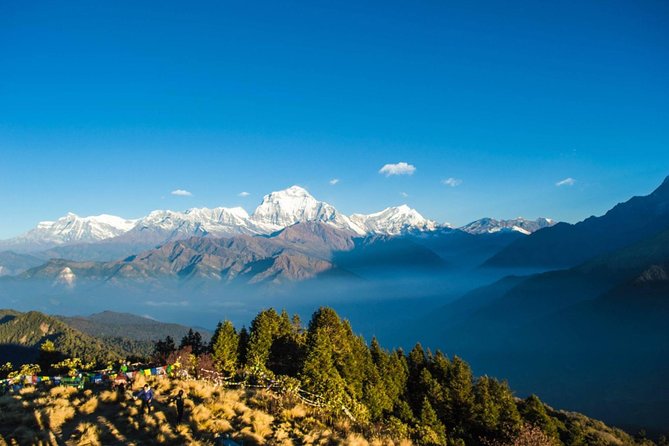
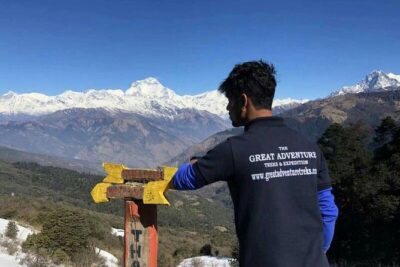
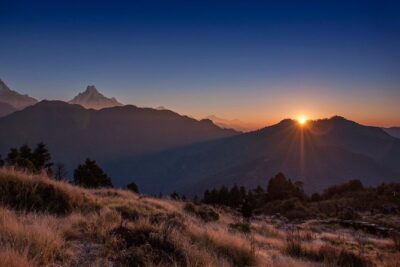
Why this day is worth the effort: sunrise is when the mountains look their clearest and contrast is strongest. You’re also at a viewpoint position that gives you a memorable look at multiple peaks, including Dhaulagiri (8167m), along with the Annapurna mountain panorama. Even if you’re not a peak nerd, that first silhouette shift—dark ridge to bright snow—hits hard.
After Poon Hill, the downhill stretch toward Tadapani helps you recover while still moving. Tadapani sits lower than the ridge you climbed to, which can make the afternoon feel more manageable. You’ll end the day not at sea level, but at a village altitude that usually feels like a relief compared to the top.
Tip for your own comfort: dress in layers you can manage in the dark before sunrise and then peel off as the sun rises. The temperature swing can be intense at this altitude.
Before you lock this one in, a few Kathmandu alternatives:


Day 6: Tadapani to Jhinu Danda Hot-Spring Reward
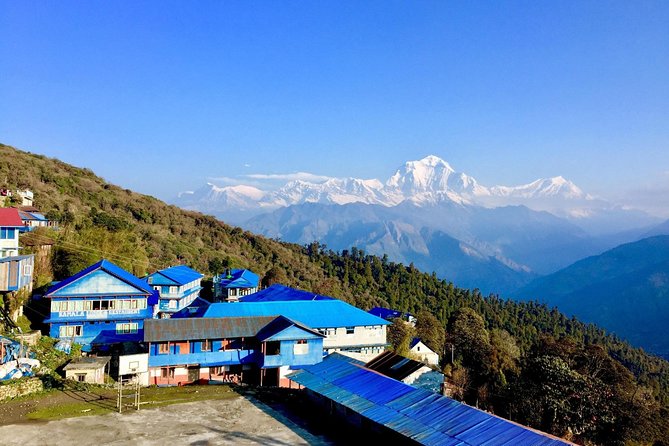
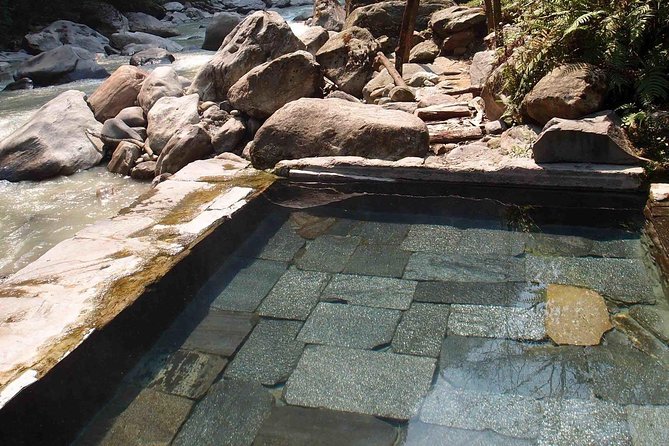
Day 6 is a major morale booster. You trek from Tadapani to Jhinu Danda (about 1780m), where the itinerary calls out Hot-Spring time.
This is where the trek turns from grind to payoff. You’ve climbed and edged up through the viewpoints; now you get to soak sore muscles. The hot springs stop isn’t just a nice extra. It’s practical recovery that can make the next day easier.
Also notice the altitude change. From Tadapani at about 2630m down toward 1780m, you’re moving into a warmer, more comfortable range. Even if you still feel the day’s effort in your legs, it won’t feel like another “up to the sky” day.
Day 7: Jhinu Danda to Ghandruk (Village Life Up Close)
Day 7 takes you from Jhinu Danda to Ghandruk (around 1940m). Ghandruk is often a highlight village because it feels like a real community rather than only a lodging stop. Expect a strong sense of local life: village paths, stone walls, and the kind of scenery where you’re walking alongside homes that have faced these mountains for generations.
This day is also a nice pacing shift. You’re not rushing back toward Poon Hill again. You’re moving toward the finish, but you still get an authentic village experience with mountain views in the background.
If you like slow travel moments—stopping when the view hits, chatting briefly when someone’s outside, taking your time to refuel—this is a great day to do that.
Day 8: Ghandruk to Nayapul, Then Back to Pokhara
On Day 8, you trek from Ghandruk down to Nayapul (around 1070m). After that, you go by private transport back to Pokhara at about 820m. This is the day your legs will feel the change: one more set of downhill walking to reach the road network, then the comfort of a vehicle again.
It’s also a day to manage your expectations. By now, you’ve walked enough that you’ll notice every step. Keep it simple: short breaks, hydration, and don’t overdo the final mile. You’ll appreciate the vehicle once you reach Nayapul.
In Pokhara, you’re back at lower altitude, so it’s a chance to eat well and settle in.
Day 9: Pokhara Back to Kathmandu
Day 9 is Kathmandu again by tourist bus (listed around 1336m on arrival). This is usually a “let’s get it done” transit day. Still, it helps you keep the whole trip inside a neat loop, with the trek happening in the middle and city time at the beginning and end.
If you want a little flexibility, Day 9 is often when you can plan an easy evening meal in Kathmandu without stressing about logistics for the next morning.
Day 10: Depart Kathmandu
Day 10 is departure to the international airport. If you have a few extra days in Nepal, the plan also suggests you can chill, shop, or do sightseeing in Kathmandu. That’s a smart way to avoid ending your trip in a rush.
Price and Value: What $1,099 Gets You (and What It Doesn’t)
At $1,099 per person, you’re paying for more than beds and a route map. This package includes a lot of the “hidden work” that usually costs time and nerves on your own.
Here’s what you get that improves value:
- Permits and paperwork handled: Annapurna Conservation Area trekking entry permits (including Poon Hill park) plus a TIMS card
- Support: porter service (1 porter between 2 people, basic level) plus a medical kit and trip certificate
- Food and lodging support: breakfast is listed for 10 days, lunch for 6, dinner for 5, plus two nights accommodation in Pokhara with breakfast
- Transport coverage: airport pick up and drop, Kathmandu–Pokhara–Kathmandu by tourist bus, plus private transfers to trail access points
What you’ll still need to handle:
- Nepal entry visa fee and international airfare
- Travel medical insurance and emergency evacuation costs
- Personal equipment and tips for guide and porter
- Personal expenses like alcoholic beverages and hot shower costs
My take: the price feels more reasonable when you add up permits, the porter arrangement, the structured transport, and the meal schedule. If you were planning to do this fully independently, you’d likely spend time coordinating permits, transport, and staffing. Here, the plan handles most of that for you.
Guide Support and the Human Side
The trek runs on local support. Porters carry some of your load (set up per 2 people), and there’s a medical kit on the trip. That’s the practical side.
On the human side, I’ve seen this company’s guides get singled out for being accommodating in past treks, with a guide named Nikesh Dhakal mentioned as amazing and in touch with guests over the years. You can’t assume every guide will be the same, but it tells you the company values guide quality and communication.
Even without a specific name guaranteed, the takeaway is clear: you’re not walking in total isolation. You have a structured group setup and on-the-ground support.
What the Itinerary Means for Your Body
This trek is rated for moderate fitness. That’s honest. “Moderate” here means you should be comfortable hiking uphill with breaks, not that it’s an easy stroll.
A good way to think about it:
- You climb toward Ghorepani and Poon Hill
- You descend toward Tadapani
- You drop further to Jhinu Danda for hot springs
- Then you move back down toward Nayapul and finish with transfers
The payoff is that you get recovery moments built into the route. The biggest “work” day is Day 5 because it includes a very early uphill climb for sunrise.
If you’ve never hiked with altitude, start slow on Day 3. Let your breath find a rhythm. You’ll likely feel better for it during the higher sections later.
Packing That Actually Helps
You’ll want the usual trekking basics, but focus on comfort and layering because this trek goes from warm-ish village levels to cold early mornings and back again.
Use these packing categories:
- Layers for sunrise cold and later warmth
- Good footwear for stone steps and dusty descents
- A daypack for water and snacks (even with porter support)
- Quick-dry items so you don’t feel gross after warm days and cool nights
Personal equipment is not included in the price, so don’t count on the trek organization to supply essentials.
Also remember that personal expenses like hot showers can cost extra, so if that’s important to you, keep it in mind.
Weather and the Poon Hill Factor
Poon Hill is weather-dependent. When visibility is poor, sunrise might not deliver the crisp peak views you’re counting on. The plan notes that the experience requires good weather, and if it’s canceled due to poor weather, you’ll be offered a different date or a full refund.
So how do you plan smartly? Treat Day 5 as your priority day in your head. Don’t schedule tight connections immediately after. Build breathing room, because the whole trek depends on having enough visibility for that signature moment.
Who This Trek Is Best For
You’ll likely love this trek if you:
- Want a classic Himalayan viewpoint experience without a multi-week commitment
- Like villages, not just big scenery
- Appreciate a planned “recovery stop” with hot springs
- Prefer being supported with transport, permits, and meals rather than self-organizing everything
You might not love it if you:
- Want totally flat walking
- Hate early mornings
- Are expecting the entire hike to be gentle and low-impact
Should You Book Poon Hill Hot Spring Trek?
Book it if you want a well-structured Annapurna trek that hits the big moments: Poon Hill sunrise, time in mountain villages, and a hot-spring recovery day at Jhinu Danda. The value is strongest when you want permits, transport, meals, and porter support handled for you.
I’d hesitate only if you’re likely to struggle with stairs or you’re very sensitive to cold mornings. In that case, consider training before you go or choose a more relaxed trek. But if moderate fitness is your lane, this is an efficient route that earns your effort fast—especially on Day 5.
FAQ
Where is the meeting point for this Poon Hill trek?
The meeting point is Thamel, Kathmandu 44600, Nepal.
What time does the trek start?
The start time is listed as 8:15 pm.
How many days is the trek?
It’s approximately 10 days.
What’s included for permits and trekking access?
You get Annapurna conservation area trekking entry permits, including the Poon Hill park entry, plus a TIMS card.
Is a porter included?
Yes. Porter service is included, set as 1 porter between 2 people (basic).
What meals are included?
Breakfast is included for 10 days, lunch is included for 6 days, and dinner is included for 5 days.
What transport is included?
You get airport pick up and drop, Kathmandu to Pokhara and back by tourist bus, plus private transport segments like Pokhara to Nayapul and Ghandruk to Nayapul return.
What is not included in the price?
Not included are Nepal entry visa fee, international air fare, travel medical insurance and emergency evacuation cost, personal equipment, and tips for guide and porter. Personal expenses such as alcohol and hot shower costs are also not included.
More Spa & Hot Springs in Kathmandu


More Trekking Out of Kathmandu






More Tour Reviews in Kathmandu




Just Reviewed in Kathmandu
- Mountain Bike Tour
★ 5.0 · 3 reviews - Annapurna Panaroma
★ 5.0 · 3 reviews - Mount Everest Scenic Flight 50 Minutes
★ 5.0 · 3 reviews - Kathmandu : Swambhunath & Durbar Square Guided Half Day Tour
★ 3.3 · 3 reviews - Chandragiri Cable Car & Monkey Temple Tour – Private/Group
★ 5.0 · 3 reviews - Kathmandu: Shivapuri National Park Hiking Day Trip
★ 3.3 · 3 reviews
Poon Hill & Ghorepani Treks, compared.
 ★ 5.04 Days Poon Hill TrekFrom $40594 reviews
 ★ 5.0Ghorepani(Poonhill Trek)From $60081 reviews
 ★ 5.04-day Poon Hill TrekFrom $40074 reviews
 ★ 5.0Ghorepani Poon Hill TrekFrom $39961 reviews
★ 5.0Ghorepani Poon Hill TrekFrom $70046 reviews
 ★ 5.0Poon Hill TrekFrom $1,17242 reviews
 ★ 5.0Poonhill TrekFrom $60033 reviews
 ★ 5.0Poon Hill Trek packageFrom $40527 reviews
Browse the lists this tour appears in