
Poon Hill delivers the wow-factor fast. In just a handful of days you go from Kathmandu to some of the most famous sunrise silhouettes in the Annapurna region, then circle back again. The mix of short trekking days, big mountain drama, and real village life makes this one of the best time-savers in Nepal.
I especially like the way this trip handles the hard parts for you: you’re met at Tribhuvan Airport, whisked around by private vehicle, and given a professional English-speaking, government-licensed guide. I also love that the trek is packed with practical comfort—three meals a day on the trail (with fresh fruit in the evening) plus all accommodation included.
One drawback to plan around: the schedule starts early (6:00 am) and you’ll still walk uphill and downhill for several hours in cooler air, including one day that can run 7–8 hours. If you hate mornings or long descents, this route may feel like a tougher intro trek than you expected.
In This Review
- Key things to know before you go
- Poon Hill’s sunrise moment is the main event
- Kathmandu start: early pickup and a hotel night you can actually use
- Day-by-day: what each section of the trek feels like
- Day 1: Kathmandu to the trek zone via Pokhara, then into Ghandruk
- Day 2: Banthanti forests and a steady climb
- Day 3: Ghorepani, colder air, and rhododendron country
- Day 4: Poon Hill sunrise, then the long descent to Tikhedhunga
- Day 5: Jeep to Nayapul, drive to Pokhara, fly back to Kathmandu
- Guide quality is a big part of why this works
- What’s included: comfort for your budget and your headspace
- What’s not included (and what you should plan for)
- Transportation mix: flights and jeeps reduce the long-trip fatigue
- Accommodation and food: basic, but built for trekkers
- Who this trek is best for (and who should reconsider)
- Price and value: $1,024.36 per person, but what are you truly buying?
- Practical planning checklist (so nothing surprises you)
- Should you book this Poon Hill Panorama Trek?
- FAQ
- Where does this trek start and end?
- How long is the Poon Hill Panorama Trek?
- Is the tour private?
- What’s included for meals?
- Are airport transfers included?
- What about hotels during the trek?
- Do I need travel insurance?
- Do I need a passport and when?
- Do I handle visa requirements?
- Can I cancel for a full refund?
Key things to know before you go
- Sunrise is the point: Poon Hill early-morning viewpoints are the core experience here
- Gurkung villages first: your first trekking night is in Ghandruk, a Gurung settlement
- Forest-to-ridge walking: rhododendron country shows up before the big summit moment
- Guides get real credit: named guides like Joi, Shailesh, Ghan/Ghanesh, and Ganesh were repeatedly praised for care and reliability
- Meals and stays are handled: breakfast in Kathmandu plus full board on trek days
- You return the same way: jeep to Nayapul, drive to Pokhara, then fly back to Kathmandu
More trails out of Kathmandu, boots ready
- Everest Base Camp Trek – 14 Days★ 5.0 · 1,499 reviews
- Everest Base Camp Trek★ 5.0 · 842 reviews
- Everest Base Camp Trekking★ 5.0 · 485 reviews
- Nagarkot Sunrise View and Day Hiking from Kathmandu★ 5.0 · 471 reviews
Poon Hill’s sunrise moment is the main event
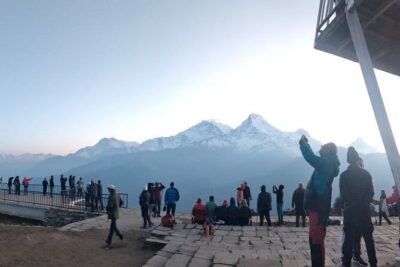
Poon Hill Panorama Trek is one of Nepal’s classic “intro treks,” and for good reason. You’re not committing to weeks on the trail—yet you still reach a viewpoint with serious Annapurna-region clout. The hike is built around timing: you leave early, climb to the best viewing spot, and watch the light hit high peaks.
The Annapurna region is known for dramatic contrasts. As you walk, you move through green slopes, then drier stretches, then cooler vegetation as the air changes. That mix keeps the day interesting even on a trek that’s short enough to fit into a week.
And yes, this is a sunrise trek. That means cold fingers, early starts, and a strong chance you’ll spend more time looking up than taking photos. If you can handle that, you’ll get a mountain view payoff that feels totally worth the wake-up call.
Kathmandu start: early pickup and a hotel night you can actually use
The trip begins at Tribhuvan Airport in Kathmandu with a 6:00 am start time. From there you get private vehicle transfers based on group size, which matters because Kathmandu can eat time with traffic and finding the right building.
You also get one night in a 3-star hotel with breakfast in Kathmandu. That’s a smart way to start a trek: you’re not trying to scramble for meals and laundry the same day you begin walking. The itinerary also notes that on arrival day, meals are not included—so plan to budget for a proper Nepali dinner or an easy snack after you check in.
One detail I appreciate: the meeting point is the airport, and the tour ends back at the meeting point too. It removes the guesswork of figuring out where you should be on departure day.
Day-by-day: what each section of the trek feels like
This trek is built from a set of driving/flight legs plus several walking days. The walking hours are part of the package, and they’re long enough to feel like a real hike, not just a scenic stroll.
Day 1: Kathmandu to the trek zone via Pokhara, then into Ghandruk
After your hotel night, you’ll travel toward the trek starting area. The route goes Kathmandu to Pokhara by flight, then a drive to Bhirethanti (about two hours), followed by a short down-and-up approach across the ModiKhola area.
Then you switch to a jeep to reach Ghandruk, where you sleep. The key here is that Ghandruk is a Gurung settlement—so you get culture early, not just mountains. You’ll likely notice how hospitality works on a small scale: people live with tourism seasons in mind, and guesthouses are set up for trekkers who arrive hungry, tired, and ready to warm up.
Why this matters: starting with a village rather than a bare trail helps you ease into Nepal’s trekking rhythm. You don’t just arrive at altitude—you arrive in community.
Walk time note: This day is more travel-and-arrival than long trekking, and the walking described is short compared to later days.
Day 2: Banthanti forests and a steady climb
Today you move pastures first, then shift into forests as the trail descends and rises again. You’re looking at a day around 5 hours of walking, which is long enough to feel like progress but short enough to keep energy for the next step.
Banthanti is described as being in a densely forested area, best in spring. Even if you’re traveling in a different month, expect a similar feel: more shade, more turning of the trail through trees, and a pace that’s less about sprinting to a viewpoint and more about keeping rhythm.
What to watch for: forest days can still be hard if the path is uneven. Don’t treat this as flat. Nepal trekking rarely is.
Day 3: Ghorepani, colder air, and rhododendron country
This is one of the tougher hiking days in the itinerary, with about 6 hours of walking that includes multiple up-and-down sections. You’re moving toward Ghorepani, and the description calls out rhododendron forests and a noticeable temperature drop as you go.
Ghorepani is also framed as a practical trekking hub, with a post office and a health post. Even if you don’t use those, it tells you something useful: this isn’t a remote campsite. You’ll be in a village that serves trekkers regularly, which usually means a more predictable experience for food, warmth, and help if you need it.
Why I’d plan this day carefully: since tomorrow is the highlight day, you don’t want to arrive at Ghorepani feeling wrecked. The “harder day” label here is mostly about energy management, not danger.
Day 4: Poon Hill sunrise, then the long descent to Tikhedhunga
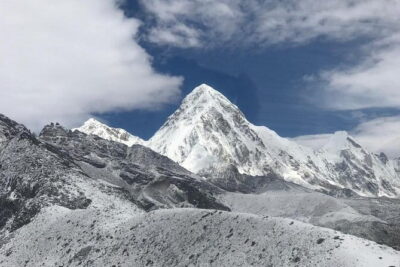
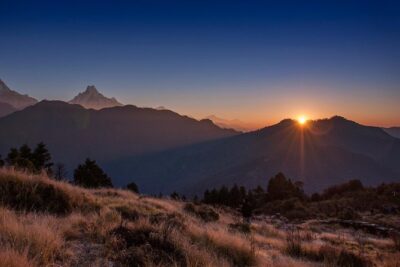
This is the star of the show. You scale to Poon Hill early in the morning so you can catch the sunrise lighting up snowy peaks. The itinerary names a bunch of the big hitters you might see, including Annapurna I, Gangapurna, Dhaulagiri, and Machhapucchre.
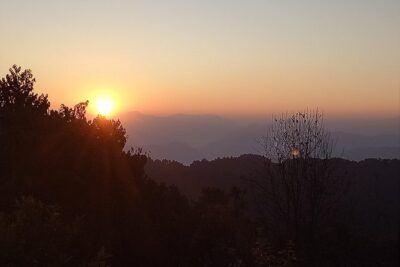
Here’s the trick for enjoying a sunrise trek: dress for the cold first, then be ready to stand still for a while. You’ll want layers that handle wind and early-morning chill. Once the sun clears the ridge line, the temperature shift can be dramatic.
After the sunrise, you head down toward Tikhedhunga. The descent intensifies and includes a stone-paved section described as a straight two-hour stretch from Ulleri to Tikhedhunga. That kind of path is beautiful, but it also takes a toll on knees if you stride fast. Go steady and keep your steps controlled.
Tikhedhunga is your rest day point, and it’s a good payoff after a long day. You’re tired, yes, but you’ve already had the main view moment. That helps the walk feel purposeful.
Walk time note: about 7–8 hours on this day.
Day 5: Jeep to Nayapul, drive to Pokhara, fly back to Kathmandu
On departure day you start with a jeep ride from Tikhedhunga to Nayapul, then drive to Pokhara (about two hours), and finally take a short flight back to Kathmandu.
This “release valve” matters. A lot of treks end with one last big climb or a long slog. Here, the program gives you transport to carry the fatigue for you. You’ll feel the difference in your body when you’re not walking the final hours.
It ends back at the meeting point at Tribhuvan Airport, which makes the whole trip feel tight and complete.
Guide quality is a big part of why this works
On a short trek, the guide’s role isn’t about lectures or long storytelling. It’s about details: pacing, timing, knowing when to push and when to slow, and keeping logistics calm.
In reviews connected to this style of Poon Hill trip, names like Joi, Ghan, Ghanesh, Shailesh, and Ganesh come up for being reliable and attentive. One theme is that guides helped people feel at home, took care with the small issues, and explained things about Nepal along the way.
That’s the practical version of “great guiding.” On Poon Hill day, timing is everything. If you’re late to the sunrise window, the whole mood changes. If you’re mismatched to the walking pace, you’ll spend your day fighting your legs instead of enjoying the mountains.
If you value a low-stress trek where someone keeps the moving parts under control, this is where you’ll feel the value.
What’s included: comfort for your budget and your headspace
This trek comes with a lot of the “tired-traveler math” already handled:
- Professional guide on the trek
- Private airport picks and drops by vehicle based on group size
- One night 3-star hotel with breakfast in Kathmandu
- Three meals a day during the trek: breakfast, lunch, and dinner, with fresh fruit in the evening
- All accommodation during the trek
They also list that the guide is a government license holder, and that the guide’s salary, food, drinks, accommodation, transportation, and insurance are covered by the tour.
That’s part of the value story: you’re not only paying for the hike. You’re paying for an organized package that reduces your work—especially when you’re moving between Kathmandu, Pokhara, and the trail area.
What’s not included (and what you should plan for)
From the tour info, you’ll need to budget for:
- Travel and medical insurance (you provide this)
- Personal expenses like telephone calls, alcoholic beverages, and donations
- Tips for guides and porters
Also note the arrival-day nuance: meals are not included on the Kathmandu arrival evening. Breakfast is included at the hotel, but plan for one dinner out.
Transportation mix: flights and jeeps reduce the long-trip fatigue
One reason this trek feels doable is that the itinerary uses short flights and jeep transfers to cut down nonstop driving and endless walking.
The route includes:
- A flight from Kathmandu to Pokhara, then a drive to the Bhirethanti area
- A jeep ride into Ghandruk
- A jeep back from Tikhedhunga to Nayapul, then drive to Pokhara
- A flight back to Kathmandu
If you’re trying to see the Annapurna region without turning your entire week into travel time, this approach helps. You still hike, but the program keeps the “getting there” portion from swallowing your days.
Accommodation and food: basic, but built for trekkers
You’ll stay in accommodation along the trekking route, and you’re covered for meals three times daily. The itinerary notes fresh fruit in the evening, which sounds small, but it’s a nice morale boost when you’re cold and hungry.
In the Kathmandu portion, you get a hotel night with breakfast, then you transition to trail stays. Reviews tied to the Kathmandu start mention Thamel Hostel and support from hostel management in preparing permits and connecting to the guide. The exact lodging partner can vary, but the takeaway is clear: you’ll likely have local help on the Kathmandu side if you need it.
Who this trek is best for (and who should reconsider)
This is marketed as suitable for most travelers, and the walking time ranges are moderate compared to longer Annapurna routes. It’s a smart choice if you want:
- A short trek with a huge payoff
- A first look at the Annapurna range without weeks of logistics
- A guided experience that handles transfers, stays, and meals
It may be less ideal if:
- You strongly dislike early mornings (the program starts at 6:00 am, and sunrise requires even earlier wake-ups)
- You don’t want knee-stress descents (the Ulleri to Tikhedhunga section is described as a long stone-paved descent)
- You’re not comfortable with cold shifts (the itinerary specifically notes temperatures getting colder)
Price and value: $1,024.36 per person, but what are you truly buying?
At $1,024.36 per person, you’re paying for an organized, guided, fixed program that bundles the key services: guide, private transfers, hotel night with breakfast, trek meals, and accommodations.
Whether it’s good value comes down to your travel style:
- If you want to avoid planning headaches, this is strong value. The program covers the daily essentials so you can focus on walking and photos.
- If you already love DIY trekking and you have the time and confidence to handle permits, bookings, and lodging on your own, you may be able to reduce cost elsewhere.
Also, note the private setup: it’s described as private, with only your group participating. Even when costs are higher, private service can be worth it if it means smoother pacing, fewer compromises, and less waiting around.
Practical planning checklist (so nothing surprises you)
A few items from the trip details that you should handle early:
- You must provide passport name, number, expiry, and country at booking.
- A current valid passport is required on travel day.
- Visa requirements must be confirmed and obtained before any border crossing, and visa needs are the traveler’s responsibility.
Because this is a sunrise trek with colder air along the way, pack like it’s winter-even-when-it’s-not. Bring layers you can regulate, and wear footwear that’s comfortable on uneven and stone-paved descents.
And if you’re using this trip to test your trekking legs, take the first walking day at an easy pace. The “hardest day” label shows up on the route before the big sunrise, so pacing early helps.
Should you book this Poon Hill Panorama Trek?
I’d book it if you want a real mountain trek in a short timeframe and you care about a guided, organized experience. The sunrise focus at Poon Hill gives you a clear goal, and the package covers the daily mechanics that usually drain energy: transfers, meals, and lodging.
I’d think twice if mornings are your enemy or if long descents make you nervous. This route has enough downhill work to test your knees and confidence, even though it’s not a multi-week trek.
If you’re on the fence, use this rule: if you can handle an early start and a few days of steady walking, you’ll likely love the payoff. If you want something slow, warm, and low-effort, there are other Nepal treks that match that mood better.
FAQ
Where does this trek start and end?
It starts at Tribhuvan Airport in Kathmandu (6:00 am) and ends back at the same meeting point.
How long is the Poon Hill Panorama Trek?
The duration is listed as about 6 days.
Is the tour private?
Yes. It’s a private tour/activity, with only your group participating.
What’s included for meals?
During the trek you get three meals a day: breakfast, lunch, and dinner, including fresh fruit in the evening. In Kathmandu, you get one night in a 3-star hotel with breakfast, while the arrival evening has no meals included.
Are airport transfers included?
Yes. All airport pick-ups and drop-offs are included by private vehicle per group size.
What about hotels during the trek?
All accommodation during the trek is included, plus one night in Kathmandu at a 3-star hotel with breakfast.
Do I need travel insurance?
Travel and medical insurance are not included, so you should arrange your own.
Do I need a passport and when?
Yes. A current valid passport is required on the day of travel, and passport details are required at booking.
Do I handle visa requirements?
Visa requirements must be confirmed and obtained prior to border crossing, and visa requirements are the traveler’s responsibility.
Can I cancel for a full refund?
Yes. Free cancellation is allowed up to 24 hours in advance for a full refund. Less than 24 hours before the start time is not refundable.
More Trekking Out of Kathmandu
More Tour Reviews in Kathmandu
Just Reviewed in Kathmandu
- Mountain Bike Tour
★ 5.0 · 3 reviews - Annapurna Panaroma
★ 5.0 · 3 reviews - Mount Everest Scenic Flight 50 Minutes
★ 5.0 · 3 reviews - Kathmandu : Swambhunath & Durbar Square Guided Half Day Tour
★ 3.3 · 3 reviews - Chandragiri Cable Car & Monkey Temple Tour – Private/Group
★ 5.0 · 3 reviews - Kathmandu: Shivapuri National Park Hiking Day Trip
★ 3.3 · 3 reviews
Poon Hill & Ghorepani Treks, compared.
 ★ 5.04 Days Poon Hill TrekFrom $40594 reviews
 ★ 5.0Ghorepani(Poonhill Trek)From $60081 reviews
 ★ 5.04-day Poon Hill TrekFrom $40074 reviews
 ★ 5.0Ghorepani Poon Hill TrekFrom $39961 reviews
★ 5.0Ghorepani Poon Hill TrekFrom $70046 reviews
★ 5.0Ghorepani Poon Hill TrekFrom $39961 reviews
★ 5.0Ghorepani Poon Hill TrekFrom $70046 reviews
 ★ 5.0Poon Hill TrekFrom $1,17242 reviews
 ★ 5.0Poonhill TrekFrom $60033 reviews
 ★ 5.0Poon Hill Trek packageFrom $40527 reviews
Browse the lists this tour appears in