
Review · POON HILL & GHOREPANI TREKS
Poon Hill Trek
Stunning sunrise views start your first morning in Nepal. This Poon Hill trek is all about that early-glow moment over the Himalayas, with wide-open views that stretch across major peaks like Dhaulagiri and Annapurna. You also get real village life along the trails through Gurung and Pun communities, plus forest walking through rhododendrons and magnolia.
Two things I like a lot: the trek is set up with fully escorted logistics (English-speaking guide, porters, and group-only travel), and the itinerary feeds you well with full board meals during the hiking days. One drawback to plan for: the route includes a lot of stairs, especially on the Ulleri section, so you’ll want to be ready for steady leg burn, not just pretty scenery.
In This Review
- Key Highlights You’ll Feel Immediately
- Why Poon Hill Sunrise Is the Main Event
- Kathmandu Airport Pickup and the Day 1 Briefing
- The Pokhara Drive: Long Hours, Big Mountain Windows
- Ulleri to Hile: Your First Real Taste of Stairs and Trail Life
- Ulleri Stairs Through Forest Smells and Rhododendron Color
- Poon Hill Daybreak: Peaks, Gorge, and the Big Sunrise Math
- Ghandruk Descent and the Finish Drive Back to Pokhara
- Day 7 Back to Kathmandu
- What You Get Included (and Why It’s Actually Useful)
- Price and Logistics: Is $450 Good Value?
- Who This Trek Fits Best (and Who Should Think Twice)
- The Operator Experience: How Service Shows Up on the Trail
- Should You Book This Poon Hill Trek?
- FAQ
- What is the start location and time?
- How long is the overall experience?
- Is airport pickup included?
- How do you travel between Kathmandu and Pokhara?
- Are meals included on the trek?
- What kind of accommodation do you use during the trek?
- Are permits included?
- What isn’t included in the price?
- Is travel insurance mandatory?
- What happens if the trek is canceled due to weather?
- How far in advance can I cancel for a refund?
Key Highlights You’ll Feel Immediately
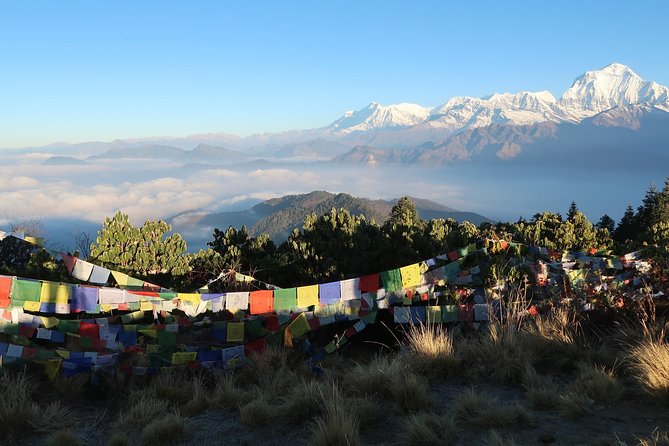
- Pre-dawn Poon Hill panorama with sunrise rays on Himalayan peaks and big wild views
- Ulleri Stairs walking through forests of rhododendron and magnolia (great for photos and senses)
- Village scenery at Ghandruk after the more challenging uphill days
- Small group setup with a fluent English-speaking guide and a porter for every two guests
- Permits and conservation area access included so you don’t have to sort paperwork mid-trip
More trails out of Kathmandu, boots ready
- Everest Base Camp Trek – 14 Days★ 5.0 · 1,499 reviews
- Everest Base Camp Trek★ 5.0 · 842 reviews
- Everest Base Camp Trekking★ 5.0 · 485 reviews
- Nagarkot Sunrise View and Day Hiking from Kathmandu★ 5.0 · 471 reviews
Why Poon Hill Sunrise Is the Main Event
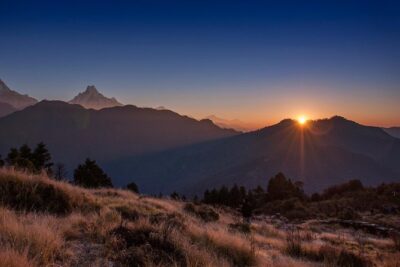
Poon Hill is the kind of viewpoint that works even if you’re not a “hardcore trek person.” The payoff is timing: you rise early, head to the viewpoint, and then the mountains slowly switch on under the sunrise. The view is described as 360-degree and includes major peaks you usually only hear about through guidebooks and movie posters.
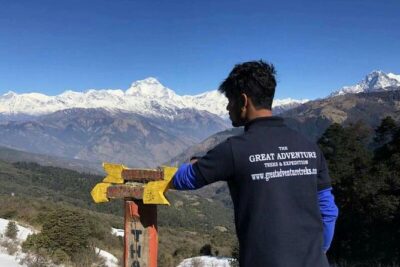
From this area, you can see Dhaulagiri I, Annapurna I, and Manalsu lit up in glowing rays, plus the huge Kali Gandaki Gorge dropping about 6,000 meters. There’s also a sense of geography: the trans-Himalayan ranges help mark the visual boundary between Nepal and Tibet from this vantage point. In plain terms, you’re not looking at one mountain—you’re getting a whole mountain system view.
That’s why this trek works as a first Nepal hiking trip for many people. You get a huge payoff without committing to weeks on glaciers or very remote routes. And if weather cooperates (the trek requires good weather), the sunrise day can feel like the trip’s heartbeat.
One more practical note: sunrise mornings usually mean you’ll be out before you feel fully human. Pack layers you can manage quickly, and plan for cold air at early hours.
Kathmandu Airport Pickup and the Day 1 Briefing
Your tour starts at Kathmandu’s Tribhuvan Airport at 7:15 am. You should expect a pickup and transfer to your hotel, then a trekking briefing. This matters more than it sounds. If you’re new to Nepal trekking, a real orientation helps you understand what’s next: what the hiking days feel like, how the meals work, and what to focus on on the trail.
The tour also runs as a private setup, meaning it’s only your group. That changes the vibe. You’re not trapped waiting on strangers’ pace, and it’s easier for the guide to adjust things if someone needs more breaks.
If you’re the type who likes to sleep after arrival, the early pickup timing means you’ll need to plan your airport logistics carefully. The good part is you won’t be left figuring out transfers on your own.
The Pokhara Drive: Long Hours, Big Mountain Windows
On Day 2, you drive from Kathmandu to Pokhara. The drive takes about 8–9 hours, and the journey itself is part of the show. You get mountain range views on the way, plus more from Pokhara.
This is also where the trip shifts gears from city Nepal into trekking Nepal. Pokhara is your staging area for the trail days ahead, so you’ll likely want to keep your energy steady. Eat what’s provided, hydrate, and try to avoid turning this long travel day into an all-night party plan.
One caution: 8–9 hours in a vehicle is a lot of time sitting. If your knees or lower back are sensitive, bring a cushion or plan for a comfortable seat position. Not glamorous, but worth it.
Ulleri to Hile: Your First Real Taste of Stairs and Trail Life
Day 3 starts with driving to Hile, your trekking starting point. The drive is about 3–4 hours, then you have lunch and begin walking. This is your first hiking day and it comes with a lot of stairs.
That word—stairs—does a lot of work here. Ulleri-style walking is not about walking flat to warm up. It’s steady ascent steps, plus gradual change in scenery as you move through countryside and along local village areas. You’ll pass meadows, jungle sections, and community trails. In other words, the effort feels connected to what you’re seeing, not like you’re just grinding uphill.
If you’re coming with kids or a slower pace, this kind of first day can still work, but you should go in with eyes open. Take frequent short breaks rather than trying to power through. A good guide helps you pace it, and the porter setup helps too, since you’re not carrying everything yourself.
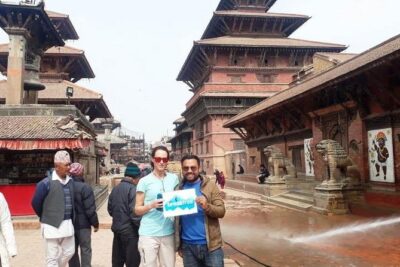
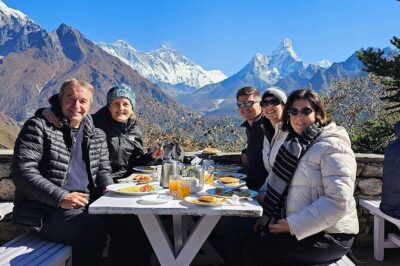
Ulleri Stairs Through Forest Smells and Rhododendron Color
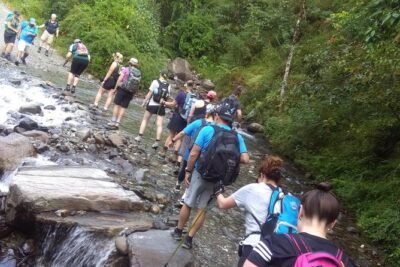
Day 4 is described as steep climbing on the Ulleri Stairs. This is the day when the trail turns into a sensory walk. The route winds through forests of magnolia and rhododendrons, and in flowering season the scents and sights are meant to be amazing.
Even if you’re not there during peak bloom, these forest stretches usually cool you down and break the climb into smaller chunks. You can also use the forest sections as a mental reset: stop, look up at the green canopy, and then take the next set of steps.
There’s also wildlife potential. You might spot Nepal grey langur monkeys passing overhead. When you’re on a stair trail, you tend to watch the path in front of you, so it’s a nice reminder to occasionally look sideways and up.
Practical tip: in forest sections, footing can get slick. Wear shoes with decent grip and keep your attention on the step edges. The trail is scenic, but it’s still mountain trail under your feet.
Poon Hill Daybreak: Peaks, Gorge, and the Big Sunrise Math
Day 5 is built around the early excursion to Poon Hill. This is the “indescribably wonderful” sunrise moment, where Himalayan peaks are illuminated by glowing rays. From the viewpoint you’re looking at Dhaulagiri I, Annapurna I, and Manalsu, plus the Kali Gandaki Gorge and the Nepal–Tibet boundary effect formed by the trans-Himalayan ranges.
Then you’re not done. You head back for a late breakfast at the lodge, and after that you get moving again on the trekking path.
The next leg is the Ghorepani to Tadapani trek, which is described as notably hilly with plenty of up-and-down. This is important for your expectations. A sunrise day can trick you into thinking it’s mostly downhill after. It’s not. You’ll still work your legs, just with less of the early-morning strain.
The payoff is that the trail is surrounded by dense forests with flowering scenery. This section is the kind of trek where slow walking and frequent pauses feel better than racing ahead.
Ghandruk Descent and the Finish Drive Back to Pokhara
Day 6 shifts from trekking into the finish phase. You trek down to Ghandruk, then drive to Pokhara, and the trek is over.
This is a satisfying rhythm: after big climbs and an early sunrise viewpoint, you get a descent and a chance to see village life. Ghandruk is known for its mountain-adjacent settlement feel, and the experience here is mostly about settling your breathing after the effort.
The drive back to Pokhara also means you’re transitioning from trail time to recovery time. Don’t underestimate the value of that clean break. Your body has been doing stairs and uneven footing; a vehicle ride is not luxury, it’s recovery.
Day 7 Back to Kathmandu
Day 7 is the drive back to Kathmandu. This is your final transition day—less about adventure now and more about finishing the loop and getting ready for your next steps.
If you have a late flight, it can be easier to travel on this final day rather than planning a last-minute same-day connection. The trek ends in Pokhara, so you’re building in that extra buffer.
What You Get Included (and Why It’s Actually Useful)
The included package covers the stuff that usually causes trouble when you try to DIY.
You get:
- Private transportation, including airport transfers in Kathmandu
- Full-board meals during trekking days (breakfast, lunch, dinner)
- Guest house trekking accommodation while on the trail
- Tourist bus transfers between Pokhara and Kathmandu (and guide support on those moves)
- Fluent English-speaking guide, plus a porter for every two guests (and the guide and porters are insured)
- Annapurna Conservation Area Project permits included
- First aid box with the team
- Duffle bag if you need it and seasonal fruits if possible
I especially value the guide-and-porter ratio. It changes your hike. When you’re not balancing a heavy pack on uneven steps, you can focus on pacing, snacks, and taking in the sunrise view.
Also, having permits handled by your operator matters. It’s one less form of stress while you’re adjusting to the mountains and daily routine.
Price and Logistics: Is $450 Good Value?
The price is $450 per person for the full experience. On paper, that might look like a “only okay deal” until you tally what’s included.
Here’s what you’re not paying separately:
- Airport transfers and private transport segments
- Trekking days’ meals (breakfast/lunch/dinner)
- Guest house accommodation during the hike
- Guide and porter staffing
- Permits for the Annapurna conservation area
- Internal transport between Kathmandu and Pokhara via tourist bus
- First aid support, plus insurance coverage for guide and porter
What’s not included (and can add to your budget):
- Nepal entry visa fee (US$40)
- Lunch and dinner in Kathmandu and Pokhara cities
- Battery charges, laundry, phone calls, and hot shower access during the trekking period
- Travel insurance (mandatory)
- Personal gear and clothing
- Drinks, bar bills, and personal nature expenses
- Tips for the crew (not compulsory, but highly expected)
So is it worth it? For a guided trek that includes transfers, meals, permits, and porter support, $450 can be strong value—especially if you’re not keen on organizing permits, transportation timing, and daily guest house logistics yourself.
If you’re already set on bringing all your own equipment and you don’t mind handling planning, DIY might cost less. But most people who want a smoother first Nepal trek prefer paying for the structure.
Who This Trek Fits Best (and Who Should Think Twice)
This trek is marketed as suitable for most trekkers and even family holiday attendees, and the route is designed for a mix of skill levels. That said, the trail includes a lot of stairs, including the Ulleri sections, plus hilly up-and-down travel after Poon Hill.
So it fits you best if:
- You want big sunrise views without a long expedition timeline
- You like a guided plan with full meals and guest house stays
- You’re okay with steady climbing days and don’t need flat trail
You might think twice if:
- Your knees or ankles struggle with lots of stairs
- You expect the “hard part” to be over after sunrise (it isn’t)
- You’re hoping for lots of downtime between trekking segments
The good news is the porter setup helps with the weight side of the hike. You still do the walking, but you manage less load.
The Operator Experience: How Service Shows Up on the Trail
The team behind this trek is often praised for coordination and caring support. Names that come up include Shree Ram, Nabaraj, and porter Ashuk in one group, and guides like Sheeram and Ashish in others. People also mention getting help with weather-based plan adjustments, and support that continues beyond the day’s walking.
You’ll also see praise for communication, including efficient pre-trip contact and clear trail expectations. That matters, because altitude trekking is partly physical and partly mental planning. When you know what’s coming—stairs day, early sunrise day, hilly traverse day—you can pace your energy instead of guessing.
Should You Book This Poon Hill Trek?
If you want a guided Nepal trek that hits the famous sunrise moment, includes permits, and keeps your daily food and lodging handled, I’d say this is a smart booking. The itinerary gives you time in Kathmandu and Pokhara for transitions, then puts most effort into the four main hiking days. You’ll also get the porter support and a guide who can keep things safe and organized.
I’d only hesitate if you’re extremely sensitive to stairs, or you’re expecting an easy walk with no early mornings. The sunrise is worth it, but the schedule is real, and the Ulleri climbing is part of the bargain.
In short: if your priority is views that look like they came from a movie, plus a smooth logistics package for your first Nepal trek, this one is worth serious consideration.
FAQ
What is the start location and time?
The meeting point is Tribhuvan Airport in Kathmandu, Nepal, with a start time of 7:15 am.
How long is the overall experience?
The duration is listed as approximately 7 days, with the trekking portion described as about a 4-day hike.
Is airport pickup included?
Yes. The tour includes pickup from the airport and transfer to your hotel, plus a briefing about the trekking.
How do you travel between Kathmandu and Pokhara?
Day 2 includes a drive from Kathmandu to Pokhara (about 8–9 hours). Transfers between Pokhara and Kathmandu also include tourist bus transfers.
Are meals included on the trek?
Yes. Full board meals are included on trekking days: breakfast, lunch, and dinner each day.
What kind of accommodation do you use during the trek?
You stay in guest houses during the trekking days.
Are permits included?
Yes. Annapurna conservation area permits are included.
What isn’t included in the price?
Your Nepal entry visa fee (US$40), city meals in Kathmandu and Pokhara, battery charges, laundry, phone calls, hot showers during the trek, personal gear, drinks and bar bills, and travel insurance are not included.
Is travel insurance mandatory?
Yes. Travel insurance is mandatory in case of emergency.
What happens if the trek is canceled due to weather?
The experience requires good weather. If canceled due to poor weather, you’ll be offered a different date or a full refund.
How far in advance can I cancel for a refund?
You can cancel up to 24 hours in advance for a full refund. If you cancel less than 24 hours before the experience starts, the amount paid will not be refunded.
More Trekking Out of Kathmandu
More Tour Reviews in Kathmandu
Just Reviewed in Kathmandu
- Mountain Bike Tour
★ 5.0 · 3 reviews - Annapurna Panaroma
★ 5.0 · 3 reviews - Mount Everest Scenic Flight 50 Minutes
★ 5.0 · 3 reviews - Kathmandu : Swambhunath & Durbar Square Guided Half Day Tour
★ 3.3 · 3 reviews - Chandragiri Cable Car & Monkey Temple Tour – Private/Group
★ 5.0 · 3 reviews - Kathmandu: Shivapuri National Park Hiking Day Trip
★ 3.3 · 3 reviews
Poon Hill & Ghorepani Treks, compared.
 ★ 5.04 Days Poon Hill TrekFrom $40594 reviews
 ★ 5.0Ghorepani(Poonhill Trek)From $60081 reviews
 ★ 5.04-day Poon Hill TrekFrom $40074 reviews
 ★ 5.0Ghorepani Poon Hill TrekFrom $39961 reviews
★ 5.0Ghorepani Poon Hill TrekFrom $70046 reviews
★ 5.0Ghorepani Poon Hill TrekFrom $39961 reviews
★ 5.0Ghorepani Poon Hill TrekFrom $70046 reviews
 ★ 5.0Poon Hill TrekFrom $1,17242 reviews
 ★ 5.0Poonhill TrekFrom $60033 reviews
 ★ 5.0Poon Hill Trek packageFrom $40527 reviews
Browse the lists this tour appears in