
Poon Hill turns an early start into a prize. This short trek in Nepal’s Annapurna region is built for sunrise drama and village culture, with day hiking that feels doable even if you’re new to trekking. I also like that it’s family-friendly in pacing and altitude, and you get real mountain support in the form of guided help and included gear. One drawback to plan for: the sunrise hike means an alarm that shows up well before you’re ready.
You’ll walk through terraced fields and forest stretches, then spend your nights in teahouses that keep things warm and practical. The views are the headline, sure, but the route’s charm comes from how often the trail feels close to everyday life in Gurung and Magar communities. If you’re sensitive to cold mornings, pack for it—especially on Day 2.
In This Review
- Key points to know before you go
- Poon Hill sunrise views over Annapurna and Dhaulagiri
- Day 1: Drive to Banthati and trek to Ghorepani through forests and villages
- Day 2: Early hike to Poon Hill, then Ghorepani to Ghandruk culture stop
- Day 3: Ghandruk to Nayapul and the return to Pokhara
- Teahouses, included meals, and the gear that makes mornings easier
- Kathmandu-to-mountains support: private transport and real human guidance
- Seasons in the Annapurna Conservation Area: year-round trekking with different rewards
- Price and value: what $523 includes, and what you’ll still pay
- Who this 3-day Poon Hill trek fits best
- Should you book Poon Hill with this operator?
- FAQ
- How long is the Poon Hill trek?
- Where does the trek take place?
- Is pickup included?
- What can I expect to see at Poon Hill?
- What meals are included?
- What trekking gear is included?
- What isn’t included in the price?
- Is this trek available year-round?
- What is the group size limit?
- Is the booking refundable?
Key points to know before you go
- Poon Hill sunrise: panoramic views over Annapurna South and Dhaulagiri are the main payoff.
- Short and beginner-friendly: moderate effort with a “just a few days” rhythm.
- Cultural villages: Gurung and Magar settlements give the trek more than scenery.
- Teahouse comfort: dinners and breakfasts are included on the mountain stretch.
- Small group size: maximum 10 people, so the experience stays personal.
- Included trek gear: trekking poles plus a down jacket help with cold early starts.
More trails out of Kathmandu, boots ready
- Everest Base Camp Trek – 14 Days★ 5.0 · 1,499 reviews
- Everest Base Camp Trek★ 5.0 · 842 reviews
- Everest Base Camp Trekking★ 5.0 · 485 reviews
- Nagarkot Sunrise View and Day Hiking from Kathmandu★ 5.0 · 471 reviews
Poon Hill sunrise views over Annapurna and Dhaulagiri
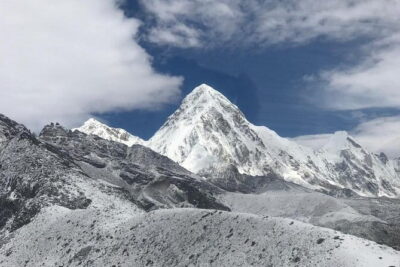
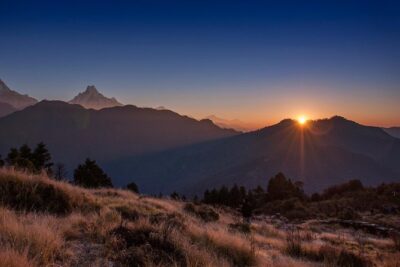
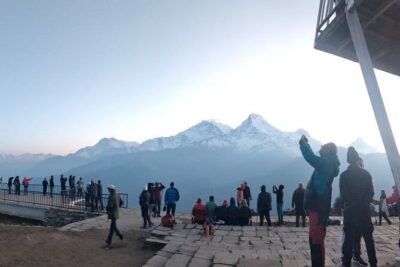
This trek is famous for one reason: the dawn view from Poon Hill. You’ll hike up in the dark so you can catch the light as it spills across the peaks, especially Annapurna South and the Dhaulagiri range. It’s the kind of moment that makes the cold and the early wake-up feel worth it fast.
What I like most is that the sunrise isn’t just “pretty mountains in the distance.” It’s a wide-angle scene you can actually take in—layers of ridges and snow-covered silhouettes that shift as the sky brightens. If you want a high-impact experience with a low time commitment, this is one of Nepal’s smartest bets.
The main thing to consider: sunrise depends on weather. Clear skies are the dream, and the operator still runs year-round, so visibility varies by season. If you’re the type who gets grumpy when plans get cloudy, bring flexibility.
Day 1: Drive to Banthati and trek to Ghorepani through forests and villages
Day 1 starts with a private drive to Banthati, then you begin walking toward Ghorepani. This first trekking day matters because it sets your legs and your expectations. You’ll spend time moving through forested stretches and passing village scenes that make the region feel lived-in, not staged.
Ghorepani is a key base for this route. It’s where you settle in, meet the rhythm of the mountains, and prepare for the big moment the next morning. The teahouse stay is part of the value: after a day of walking, you’re not hunting for basics. The plan includes dinner and breakfast in the mountain portion, which keeps logistics simple.
Practical note: your day pace should feel steady, not rushed. This is a trek that rewards consistency—take breaks, drink water, and let the scenery land. The less you fight the trail, the more you notice the details, like terraces, prayer flags, and the small shifts in vegetation as the altitude changes.
Day 2: Early hike to Poon Hill, then Ghorepani to Ghandruk culture stop
Day 2 is the star. First, it’s an early push to Poon Hill for sunrise over Annapurna and Dhaulagiri. Then you shift gears and trek onward to Ghandruk, a cultural village that gives the experience real depth.
Ghandruk is where the trek stops being only about views and starts being about people. You’ll move through a setting shaped by Gurung and Magar communities, and you’ll feel the village pace as part of the walking day. It’s also a good place to slow down—your body will be happy you’re not still climbing in the dark for hours.
Another reason this day works: it balances effort with reward. You get your big payoff early, then you can focus on steady progress and village atmosphere later. If your group has different fitness levels, this layout usually helps everyone stay motivated.
Weather and clothing matter here more than on Day 1. Early-morning cold can bite, and the included down jacket is a thoughtful touch for the payoff moment. Even with gear, you’ll want layers you can manage as you warm up after sunrise.
Day 3: Ghandruk to Nayapul and the return to Pokhara
On the last day, you trek from Ghandruk to Nayapul and then head back to Pokhara. This is a classic finish: you’re still moving through mountain scenery, but the end is within reach. The final stretch is usually where people appreciate having trained a bit on Day 1 and recovered enough by Day 2.
What makes the Day 3 walk satisfying is the transition. You’re moving away from the high-view intensity and back toward the more settled geography of the region. It’s a good time to reflect on what you saw—especially because Poon Hill is the headline, but the best memories often come from the smaller moments along the route.
If you’re tempted to sprint the final day to “get it over with,” don’t. Keep the pace comfortable. Your knees will thank you, and you’ll still have chances to enjoy those last mountain views before the drive.
Teahouses, included meals, and the gear that makes mornings easier
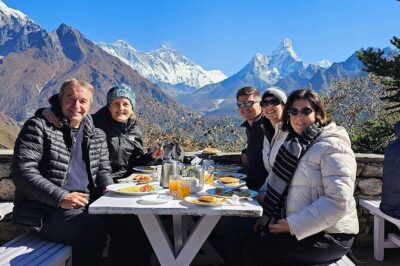
One of the biggest value points here is that food planning is handled. During the trekking portion, you get breakfasts, lunches, and dinners as listed, including two breakfasts in the mountains and one in Pokhara, plus two lunches and two mountain dinners. That means you can focus on walking instead of figuring out where meals are and what they’ll cost.
Teahouses are also part of why this trek suits families and beginners. You’re not trying to camp at altitude or manage complicated cooking setups. Instead, you get a consistent base each night, and you can reset without stress.
Now for the gear: the tour includes trekking poles, a duffle bag, and a down jacket. Poles help on uneven paths and downhill sections, and the down jacket is especially useful for chilly early starts. You’re not expected to gamble on cold-weather layering if you travel light.
A practical drawback to remember: teahouses are set up for basic comfort, not luxury. You should still expect simple rooms and mountain-style bathroom setups depending on the specific stop. If you’re the type who needs lots of comfort amenities, you’ll want to set expectations.
Kathmandu-to-mountains support: private transport and real human guidance
This is a tour where logistics matter because the trek starts getting real the minute you’re moving. The experience includes private transportation and is designed around pick-up support, with mobile ticket mentioned in the package details.
What stands out from the real-world experience is the emphasis on support. Names like Badri, Ari, Hari, Dhurba, Nawin, Gobinda, and Jagan show up as guides who handle the experience with warmth and responsiveness. People also mention porters such as Keshav as part of that hands-on support structure.
Why this matters for you: when you’re in Nepal and trekking at altitude, small problems can become big fast. A responsive guide and a team that can sort details helps keep the trip feeling calm. That’s not a luxury; it’s how you protect your energy for the trek itself.
Also, there’s a nice bonus angle here: some guests describe Kathmandu city sightseeing as part of the broader support, which can help if you arrive early and want to make the most of your time in the valley.
Seasons in the Annapurna Conservation Area: year-round trekking with different rewards
This route works year-round, and each season changes the feel of the hike. In spring, you can expect rhododendron color as the trails liven up. In autumn, clear skies are common, which is when mountain visibility tends to be at its best.
The trek also takes place within the Annapurna Conservation Area, which adds an extra layer of meaning. You’re walking through protected natural settings and relatively preserved scenery, not just a random mountain track. That’s one reason the route feels special even before you reach Poon Hill.
If you’re trying to pick the best time, ask yourself what you want most:
- Flowers and greener hiking in spring
- Crisp visibility in autumn
- Less crowding year-round, depending on local conditions
No matter when you go, remember that mountain weather can shift quickly. Plan for layers, hydration, and the possibility that sunrise views might be partly clouded.
Price and value: what $523 includes, and what you’ll still pay
$523 per person is not a bargain, but it’s not wild either for a short trek with guided support. The value is in what’s handled for you: meals, fees and taxes, private transport, and key trekking gear (poles, duffle bag, down jacket), plus a trek completion certificate.
Here’s what you should compare when deciding if it’s worth it for you:
- Included: breakfasts, lunches, dinners on the mountain portion as listed, private transportation, all fees and taxes, and trekking gear.
- Not included: Nepalese visa fee, international airfare to and from Kathmandu, personal expenses (phone, laundry, bar bills, recharges, extra porters, water), and travel insurance.
- Also not included: tips for guide(s), porter(s), and driver(s).
The practical takeaway: if you already planned to get guided support, you’re paying for less hassle and better problem-solving, which matters on a trek. If you prefer to self-organize everything and carry more of the logistics yourself, the price might feel higher than expected.
My advice: budget the gaps early. Airfare, insurance, visa, and tips can change the final cost more than people think.
Who this 3-day Poon Hill trek fits best
This trek is designed for people who want a strong Himalayan experience without a long multi-week schedule. It’s described as relatively easy and short, which is why it works for beginners and families. The minimum age is 8, and most people can participate.
It also makes sense if you want a structured experience with teahouse lodging rather than camping or complicated planning. You get a clear walking rhythm over three days, and you still get a big emotional payoff at sunrise.
Who it might not suit:
- If you hate early wake-ups, the sunrise hike will feel like a hassle.
- If you need lots of comfort amenities at night, teahouse stays may feel basic.
- If you want a long, rugged trek with big climbs every day, this route is more moderate.
Should you book Poon Hill with this operator?
I’d book this trek if you want sunrise over two major ranges, plus culture in Gurung and Magar villages, on a short schedule with real logistical support. The included gear and meal plan reduce stress, and the small group size (max 10) keeps it from feeling like a cattle-call.
Before you commit, double-check two things: your readiness for early-morning hiking on Day 2, and your plan for what’s not included (visa, insurance, tips, and personal expenses). If those are under control, this is a smart way to get a memorable Himalayan moment without overcommitting your time.
FAQ
How long is the Poon Hill trek?
The trek is about 3 days.
Where does the trek take place?
It’s in Nepal’s Annapurna region, with the overall experience associated with Kathmandu, and the trekking route begins from the Pokhara area (driving to Banthati is part of Day 1).
Is pickup included?
Pickup is offered, and private transportation is included.
What can I expect to see at Poon Hill?
You’ll hike early for panoramic sunrise views over Annapurna South and the Dhaulagiri range.
What meals are included?
The package includes 3 breakfasts (2 in the mountains and 1 in Pokhara), 2 lunches during the trekking (including lunch in the mountains), and 2 dinners during the trekking (in the mountains).
What trekking gear is included?
The tour includes 2 trekking poles, 1 duffle bag, and 1 down jacket during the trekking, plus a trek completion certificate.
What isn’t included in the price?
Not included are the Nepalese visa fee, international airfare to and from Kathmandu, travel insurance, tips for guide(s) and porter(s), and personal expenses like phone calls, laundry, bar bills, battery recharge, extra porters, and water.
Is this trek available year-round?
The trek is described as viable year-round, with different scenery in different seasons.
What is the group size limit?
There is a maximum of 10 travelers.
Is the booking refundable?
The experience is non-refundable and cannot be changed for any reason. If you cancel or request an amendment, the amount paid will not be refunded.
More Trekking Out of Kathmandu
More Tour Reviews in Kathmandu
Just Reviewed in Kathmandu
- Mountain Bike Tour
★ 5.0 · 3 reviews - Annapurna Panaroma
★ 5.0 · 3 reviews - Mount Everest Scenic Flight 50 Minutes
★ 5.0 · 3 reviews - Kathmandu : Swambhunath & Durbar Square Guided Half Day Tour
★ 3.3 · 3 reviews - Chandragiri Cable Car & Monkey Temple Tour – Private/Group
★ 5.0 · 3 reviews - Kathmandu: Shivapuri National Park Hiking Day Trip
★ 3.3 · 3 reviews
Poon Hill & Ghorepani Treks, compared.
 ★ 5.04 Days Poon Hill TrekFrom $40594 reviews
 ★ 5.0Ghorepani(Poonhill Trek)From $60081 reviews
 ★ 5.04-day Poon Hill TrekFrom $40074 reviews
 ★ 5.0Ghorepani Poon Hill TrekFrom $39961 reviews
★ 5.0Ghorepani Poon Hill TrekFrom $70046 reviews
★ 5.0Ghorepani Poon Hill TrekFrom $39961 reviews
★ 5.0Ghorepani Poon Hill TrekFrom $70046 reviews
 ★ 5.0Poon Hill TrekFrom $1,17242 reviews
 ★ 5.0Poonhill TrekFrom $60033 reviews
 ★ 5.0Poon Hill Trek packageFrom $40527 reviews
Browse the lists this tour appears in